REVIEW · POKHARA
Pokhara: Dhampus Easy Trek for Families with YoungKids 2 Day Tour
Book on Viator →Bookable on Viator
If you want a Himalayan sunrise without a marathon hike, this Pokhara-to-Dhampus trip fits the bill. I like how the route keeps the walking easy and the pacing kid-friendly, and I also love the promise of a sunrise view over the Annapurna and Manaslu ranges. One thing to keep in mind: you’re still hiking on uneven paths, so even “easy” days can feel long for very young children if they don’t take breaks well.
This is built around a simple idea: make the mountains feel close enough to enjoy, not stressful to manage. You’ll spend one night at a guesthouse or homestay in Dhampus, then return the next day after a sunrise morning and a downhill walk back to Phedi.
In This Review
- Quick Hits: What Makes This 2-Day Family Trek Work
- Why Dhampus Is a Smart Pick for Families Near Pokhara
- Day 1: The Ride to Phedi and the Easy Walk Up to Dhampus
- The trek uphill (what to expect)
- Dhampus arrival and the overnight
- Sunrise Morning in Dhampus: Why This 2-Day Plan Feels Magical
- Breakfast and regrouping
- The downhill back to Phedi
- Food, Costs, and the Real Value of $180
- Where the value shows up
- What could add cost
- Your Guide, Your Pace, and Safety With Young Kids
- Practical kid-friendly rhythm
- Teahouse Time, Homestay Memories, and the Village Experience
- What to expect from this kind of overnight
- Who This Trek Suits Best (And Who Might Want Something Else)
- Should You Book the Pokhara to Dhampus 2-Day Family Trek?
- FAQ
- Is this trek suitable for families with young children?
- How long is the trek from Phedi to Dhampus?
- How long does the downhill trek take on day two?
- What is included in the price?
- Is food included?
- Can I cancel and get a refund?
Quick Hits: What Makes This 2-Day Family Trek Work
Short hike, big payoff: A climb to Dhampus that’s long enough for views, not long enough to grind kids down.
Gurung village time at Dhampus: You get a real cultural stop in a traditional community, not just a photo moment.
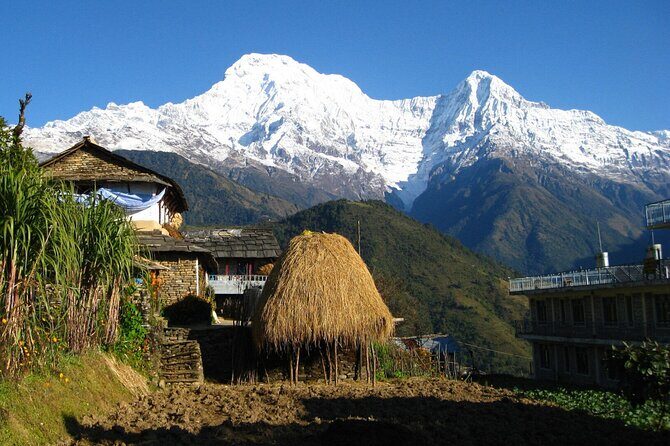
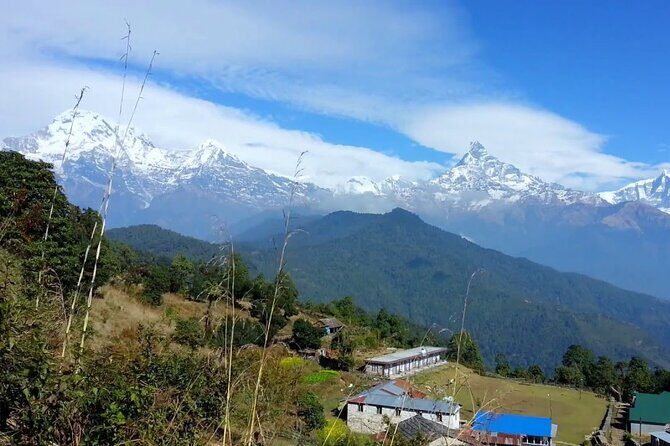
Sunrise over Annapurna and Manaslu: Early morning light gives the peaks a golden look.
One night at a guesthouse or homestay: A simple overnight that keeps the trip compact.
Pickup and transfers reduce friction: You get help getting from Pokhara to the trailhead and back again.
Why Dhampus Is a Smart Pick for Families Near Pokhara
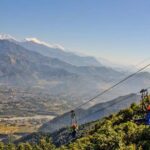
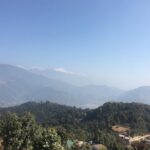
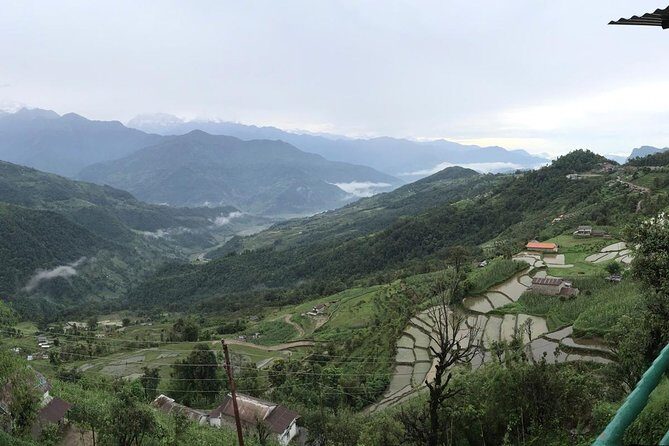
Dhampus sits above the lakeside bustle of Pokhara in that “close enough to escape, far enough to feel special” zone. The big draw here is that you’re not committing to a long trek to reach classic Himalayan panoramas. Instead, this is a 2-day easy family trek that’s designed around manageable walking and predictable moments—like the midday rest in Dhampus and the sunrise on day two.
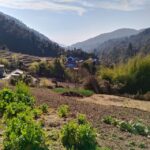
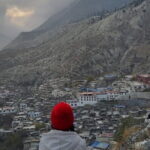
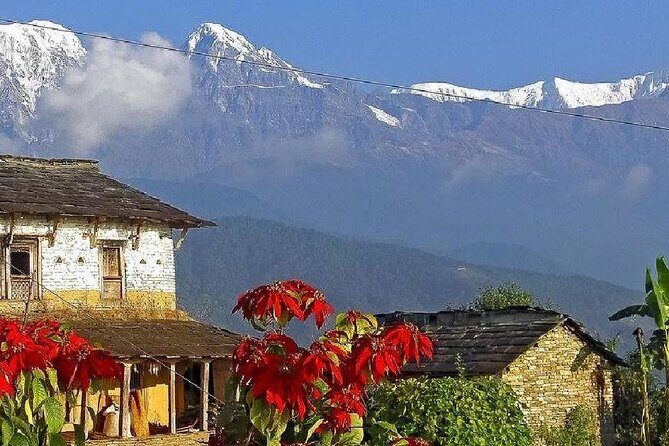
I also appreciate the cultural angle. Dhampus is described as a traditional Gurung village, which matters because your kids (and you) get more than scenery. You get a glimpse into everyday village life—how people live, what hospitality looks like, and what traditions shape the community. It’s the kind of experience that makes a short trip feel meaningful.
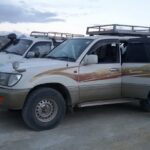
The other practical win: logistics are covered. This package includes hotel pickup and drop-off, plus round-trip private transfer to and from the trekking starting and ending points. That’s not just convenience. In Nepal, time and energy are real currencies—especially with young children.
You can also read our reviews of more hiking tours in Pokhara
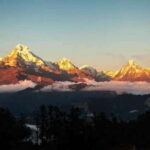
Day 1: The Ride to Phedi and the Easy Walk Up to Dhampus
Your day starts in Pokhara, then you move toward Phedi by private vehicle or public transportation. The ride is short—about 30 minutes to an hour—so you don’t waste the morning sitting in transit. After that, you begin the hike from Phedi to Dhampus.
The trek uphill (what to expect)
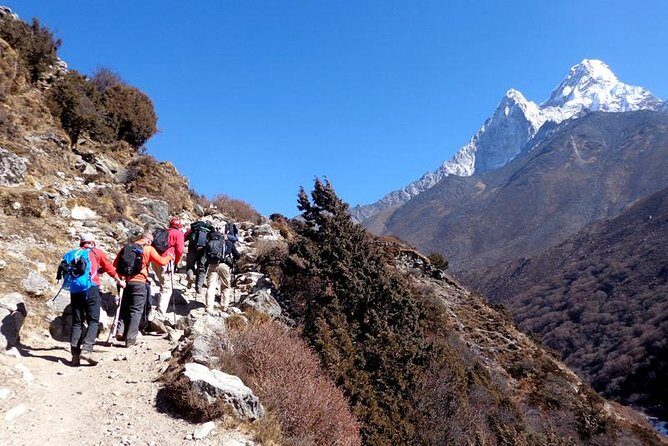
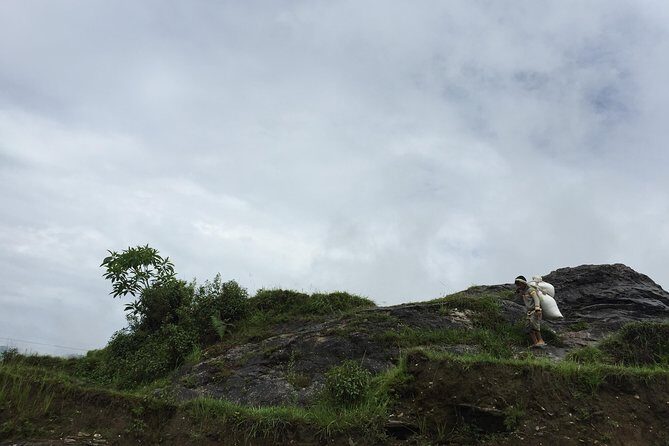
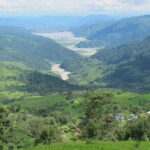
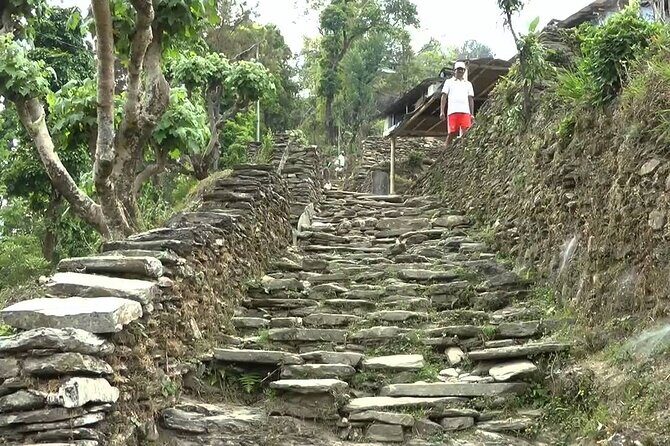
The climb to Dhampus takes about 2–3 hours, depending on your pace and breaks. This is where the itinerary earns its family label. The trail is described as relatively easy, and the hike includes scenic views along the way. For families, that’s exactly what you want: enough effort to feel like a trek, but not so much climbing that the day becomes a battle of “Are we there yet?”
If you’re traveling with young kids, I’d plan for frequent micro-stops. The itinerary already expects breaks, and that’s a good sign that the route isn’t built for speed. Also, since the walking time is measured in hours rather than “a full day of hard trekking,” it’s a calmer way to introduce the idea of mountains to little legs.
Dhampus arrival and the overnight
Once you reach Dhampus, you settle into a teahouse or guesthouse. From what I’ve seen in the way people describe this kind of overnight, this is usually the part that makes the trip memorable for families: kids can cool off, adults can sip something warm, and you get time to enjoy the village rather than just pass through.
The trip is focused on exploring Dhampus. You’ll have space to interact with the community and learn about Gurung life and traditions. The overnight is the other big “value moment” here—one night accommodation is included, and the reviews highlight that the homestay or guesthouse stay was genuinely great, not just an afterthought.
Potential drawback to flag: If your group has very energetic kids, Dhampus can feel like a “slow” village pace after a day of hiking. Build in time for snacks, short walks around the village area, and simple downtime so the kids don’t get bored.
Sunrise Morning in Dhampus: Why This 2-Day Plan Feels Magical
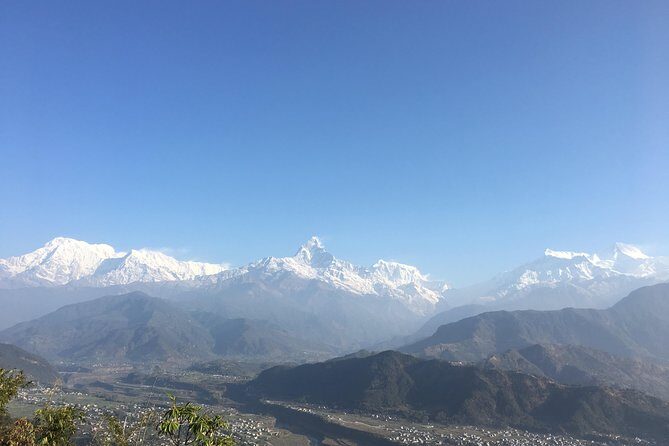
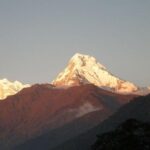
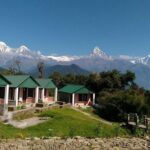
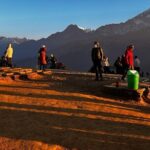
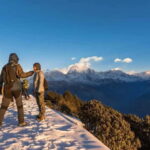
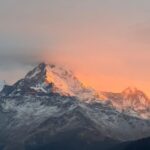
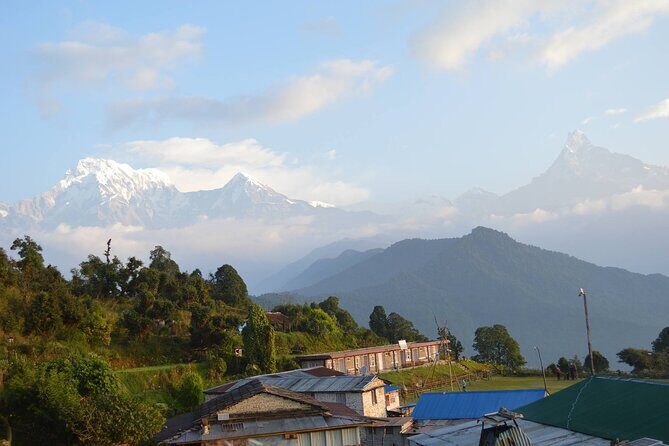
Day two begins with an early sunrise plan from Dhampus. The payoff is described as panoramic views over the Annapurna and Manaslu mountain ranges, with golden hues lighting up the snow-capped peaks. For families, this is more than a pretty view. It’s a structured moment that everyone understands: wake up early, step outside together, and look.
And yes—early starts matter when you’re traveling with kids. If your children are not morning people, you’ll want to handle that mindset before you go. Still, the itinerary keeps the sunrise portion contained. You’re not hiking for hours to earn the view. The sunrise is the event, and then breakfast follows.
A few more Pokhara tours and experiences worth a look
Breakfast and regrouping
After the sunrise, you have breakfast at the teahouse or guesthouse. This is helpful because it builds in recovery time. Instead of rushing straight back down hungry and half-awake, you get a normal meal rhythm, which helps keep the whole day calm.
The downhill back to Phedi
Then you head downhill to Phedi. The descent is described as relatively easier and takes about 1–2 hours. That matters. Uphill fatigue can be harder on kids’ legs and energy levels. Downhill walking is still uneven and needs care, but it often feels more manageable for children than climbing.
Once you reach Phedi, you transfer back to Pokhara and are dropped off at your hotel. The loop is clean: drive to the trailhead on day one, hike to the village and sleep there, wake for sunrise, descend, and return.
Food, Costs, and the Real Value of $180
The price for this family trek is $180 per person, and what you’re really paying for is not just the mountain view. It’s the way the day is organized so you’re not juggling planning, transport, and timing with young children.
Here’s what’s included:
- 1 night accommodation in a guesthouse/homestay setting (as per itinerary)
- An English speaking trekking guide
- Hotel pickup and drop-off
- Private tour
- Round-trip private transfer to and from the trekking starting and ending point
And here’s what’s not included:
- Food and drinks (you purchase during the trip)
Where the value shows up
In practice, a “short trek” can still be expensive if you have to separately hire guides, sort transfers, and manage your own overnight. This package bundles those core pieces. Also, it’s a private tour/activity, meaning it’s only your group—useful for families because you’re not stuck matching someone else’s pace.
What could add cost
Since food and drinks aren’t included, your daily spending depends on how you eat. I’d budget for meals and snacks along the way, especially if you’re traveling with kids who need frequent bites. The upside: you’re not paying for a full all-inclusive package, so you can adjust spending to your tastes.
One more note from the tour details: pickup is offered and there are group discounts depending on how you book. If you can travel with another family or small group, ask about that rate and plan your group size around it.
Your Guide, Your Pace, and Safety With Young Kids
You’ll go with an English speaking trekking guide. That’s one of the most important inclusions for families, because it changes how the hike feels. Instead of guessing at route timing, you get guidance built into the itinerary. It also helps with communication if questions come up—about breaks, the path, or what to expect next.
This trek is labeled as “easy,” and the description emphasizes comfort and safety for families with young kids. Still, I want to keep it real: Nepal trails can be rocky, muddy, and uneven. Even when the hike is relatively easy, the key is smart pacing. The itinerary already accounts for pace differences by stating the walking time varies based on your breaks.
Practical kid-friendly rhythm
If I were planning this with young children, I’d aim for:
- snack breaks on a schedule, not when everyone is already tired
- a light layer policy (morning can feel cool; afternoons can warm up)
- a simple plan for how you’ll handle bathroom breaks on the trail and around stops
No need to overcomplicate it. The trip is designed so you’re not doing a long multi-day grind.
Also, there’s a clear requirement: children must be accompanied by an adult. If you’re traveling with mixed-age family groups, this is easy to manage, but make sure everyone knows the rule.
Teahouse Time, Homestay Memories, and the Village Experience
Dhampus isn’t just a viewpoint stop. The itinerary includes time to explore the village after you arrive. That’s where the trip becomes more than hiking.
The descriptions mention cultural learning about the Gurung way of life and their traditions, plus village hospitality. In the feedback people leave after this trek, one pattern stands out: the overnight stay feels genuinely appreciated. Families describe the night stay as a highlight, especially the homestay/guesthouse experience as comfortable and memorable.
What to expect from this kind of overnight
Even without extra frills, the homestay vibe often brings small moments you wouldn’t get in a larger hotel. Kids can see normal village routines. Adults get a more personal connection to the place. And because this tour is only one night, you’re not stuck living in “basic guesthouse mode” for days.
If your family likes short, meaningful cultural stops, this fits. If your family only wants city comforts and modern hotel conveniences, you might find this style of stay simpler than you expect—but the tradeoff is closeness to the community.
Who This Trek Suits Best (And Who Might Want Something Else)
This is a strong match for:
- families traveling with young kids who want a short trek with a clear schedule
- parents who want the mountains and sunrise without a grueling multi-day route
- anyone staying in Pokhara who wants an easy day-to-day plan with pickup and transfers
It may be less ideal if:
- you have very limited tolerance for early mornings (sunrise means an early start)
- your kids dislike any uphill walking at all, even if the route is considered easy
- you want food fully included (meals and drinks aren’t part of the package)
For most families, the “short and sweet” nature is the point. You get the big view moment, a village overnight, and a downhill finish—without turning your vacation into a logistics-heavy camping trip.
Should You Book the Pokhara to Dhampus 2-Day Family Trek?
If you want a mountain experience that feels doable with young children, I think this one is worth a look. The value comes from the included guide, private transfers, and the one-night accommodation—so you spend less time organizing and more time being together. The sunrise over the Annapurna and Manaslu ranges is the kind of reward that justifies the early start, and Dhampus adds a genuine cultural stop rather than only scenery.
Book it if your family can handle a couple hours of uphill walking and you’re excited for a sunrise moment you can share right away. Skip it (or consider a different style of trekking) if your kids struggle with early mornings or if you’re aiming for fully all-inclusive food and maximum comfort throughout.
FAQ
Is this trek suitable for families with young children?
The tour is designed specifically for families with young kids, with a pace built for comfort and safety. Children must be accompanied by an adult, and most travelers can participate.
How long is the trek from Phedi to Dhampus?
The uphill trek from Phedi to Dhampus takes about 2–3 hours, depending on your pace and breaks.
How long does the downhill trek take on day two?
The descent from Dhampus back to Phedi is described as relatively easier and takes about 1–2 hours.
What is included in the price?
The price includes 1 night accommodation, an English speaking trekking guide, hotel pickup and drop-off, private tour service, and round-trip private transfer to and from the trekking starting and ending points.
Is food included?
No. Food and drinks are available to purchase, but they are not included in the package price.
Can I cancel and get a refund?
Yes. You can cancel up to 6 days in advance for a full refund, 2–6 days in advance for a 50% refund, and less than 2 days before for no refund.