REVIEW · POKHARA
Annapurna: 2 Days Poon Hill Trek from Pokhara
Book on Viator →Operated by Couch Adventure Nepal (CAN) · Bookable on Viator
Sunrise above the Annapurnas is hard to beat. This tight 2-day Poon Hill trek from Pokhara is interesting because it mixes big Himalayan views with a practical schedule—an early climb, a guest house night, and a guided return. I love that you get an English-speaking trekking guide who keeps things calm and on time, and I also love the classic payoff: the famous sunrise viewpoints close to Annapurna from Poon Hill at 3,210 meters.
There is one catch: the hiking is short but not gentle. You’ll face a lot of steps (rhododendron forests included), and that 4am start means you’ll want a basic fitness level and a no-drama attitude about early mornings.
In This Review
- Poon Hill Sunrise: why this short trek hits so hard
- Day 1 from Pokhara: jeep to the trail and hundreds of stairs
- Day 2 at 4am: Poon Hill (3,210m), sunrise timing, then the long descent
- Guides (Amrit and Biru) and why pacing makes or breaks Poon Hill
- Price and logistics value: what $230 covers (and what you’ll handle)
- Timing, altitude, and what to expect physically
- What to pack for a 2-day Poon Hill climb
- Who should book this trek (and who might look elsewhere)
- Should you book the Annapurna 2 Days Poon Hill Trek from Pokhara?
- FAQ
- What time does the trek start?
- How high do you go on the trek?
- Is accommodation included?
- Are meals included?
- What permits are included?
- Is this trek private or shared?
- How do you get from Pokhara to the trail?
- What if weather is bad or I need to cancel?
Poon Hill Sunrise: why this short trek hits so hard
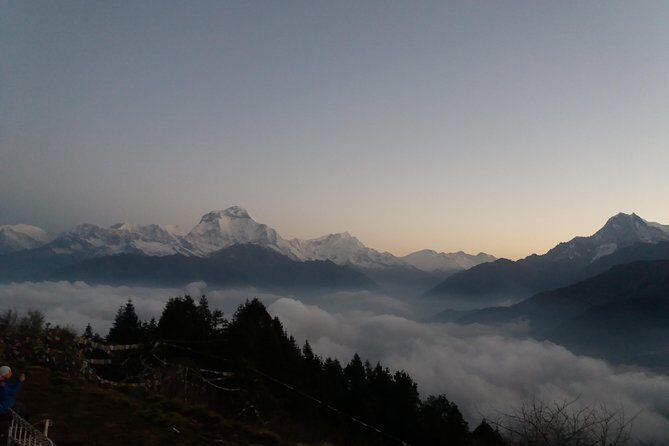
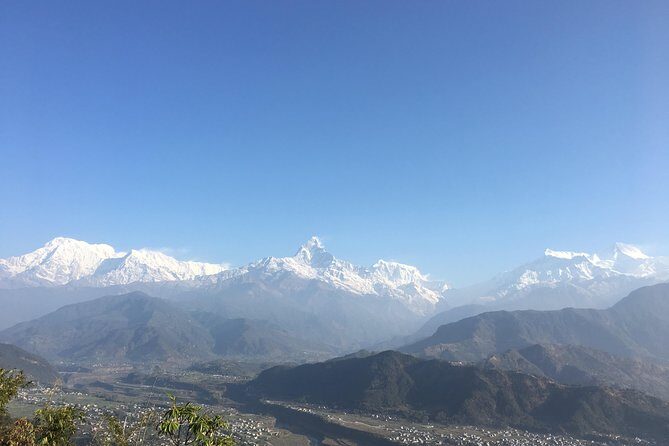
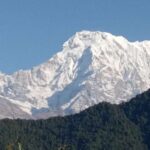
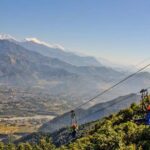
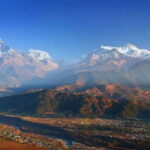
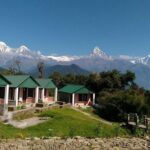
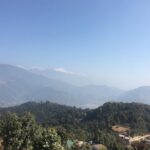
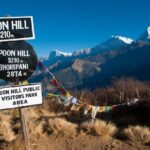
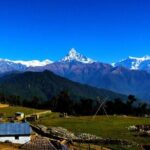
Poon Hill is one of Nepal’s most famous view spots for a reason. You’re up high enough (3,210 meters) to catch sunrise drama, and the viewpoint is close to the Annapurna area—so you’re not just looking at distant peaks, you’re getting that big mountain-to-sky moment travelers chase.
What makes this 2-day version work is that you’re not spending a week building altitude. You’re doing a quick route with jeep help, so you get the emotional reward of the Himalaya without needing long trekking logistics. It also helps that the trek is guided and organized, which matters when you’re starting from Pokhara and want a plan that actually runs on schedule.
From what I’ve learned about how guides handle this trail, the best part is the pace. People like guides who walk well with the group, keep things friendly, and don’t rush you past your limits. Names that come up often include Amrit and Biru, and the common thread is support: keeping you comfortable, walking gently (sometimes literally staying a step behind the slowest person), and explaining what you’re seeing so the early hours feel worth it.
The other reality check: the weather matters. This trip requires good conditions, because sunrise views are the whole point. If clouds roll in, your plan might shift—so be flexible with your dates.
Day 1 from Pokhara: jeep to the trail and hundreds of stairs
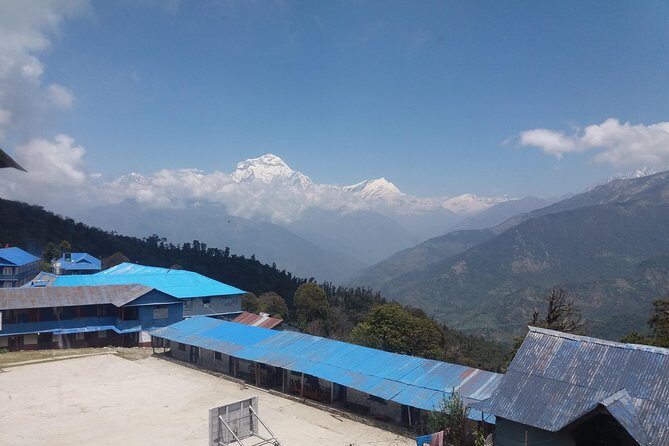
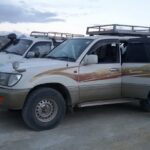
Your day starts early, with pickup in the morning. Then it’s a drive by 4WD jeep (about 3 hours) toward the trailhead area of Tirkhedhunga, traveling via Nayapul. This part is a big value piece: it saves you from a long first-day transfer on foot and helps you start the real trekking feeling like you earned it.
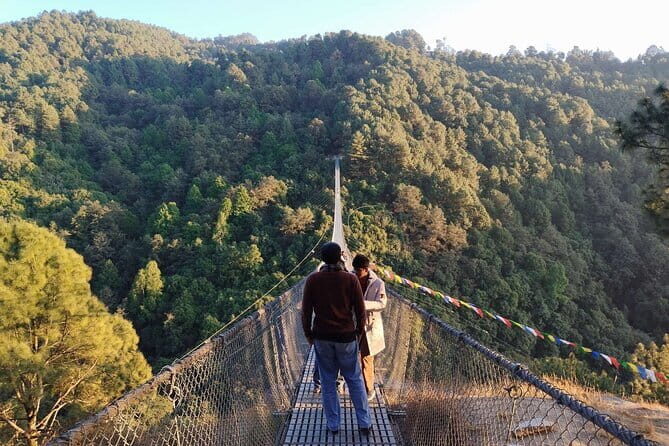
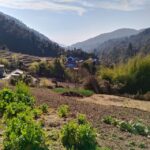
Once you hit the trail, the walking is immediately step-heavy. You climb hundreds of stairs through rhododendron forests, and the rhythm is very “up, up, up” until you reach the overnight area around Ghorepani. On a 2-day trek, stairs like these can feel intense, even if the distance isn’t huge.
The upside of Day 1 is that you’re not stuck in pure grind mode all day. Village sections and forested sections break it up, so it doesn’t feel like a single long stairwell. You also get to settle into mountain life quickly: guest house basics, a simple meal routine, and the quiet focus that sets up sunrise success.
A practical thing to know: the program includes accommodation in a guest house, but it does not include meals. That’s common on trekking routes, but it affects your budget and planning. You’ll need to budget for breakfast and lunch in the guest house areas, plus drinks along the way.
By the time you’re ready for the night, your goal is simple: recover, hydrate, and sleep early enough to handle the 4am push.
You can also read our reviews of more hiking tours in Pokhara
Day 2 at 4am: Poon Hill (3,210m), sunrise timing, then the long descent
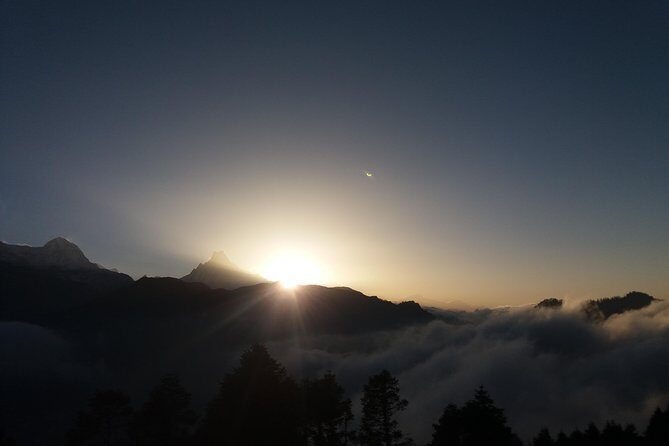
The second morning is the make-or-break part. You start at 4am for the hike up to Poon Hill (3,210m). Even if you’re not an early-morning person on land, this start makes sense. You want to be in position with enough time to watch the sky change before the sun clears the horizon.
On the way up, you’ll work through the same general area around Ghorepani and Ulleri-style stair sections that people often describe as tough. It’s short, yes—but it’s not flat. Your legs will feel it, especially if you’re carrying any extra weight.
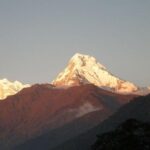
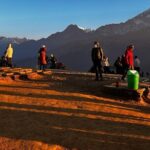
Once you reach Poon Hill, the schedule becomes less about effort and more about timing. You’ll spend time at the top to enjoy the sunrise over the Annapurna region. This is where having a guide matters. Good guides help you manage the waiting time, keep the group together, and make sure you don’t miss the best moments while you’re still adjusting layers and taking photos.
After the sunrise payoff, it’s back down. You hike to Ghorepani again, and then continue descending on the same general return route to finish the trek. The descent is often where your knees start negotiating terms, so it helps to go slower than you think you need to. Think “controlled steps,” not “speed.”
Transportation from here brings you back toward Pokhara by jeep and vehicle transfer, wrapping the 2-day loop.
Guides (Amrit and Biru) and why pacing makes or breaks Poon Hill
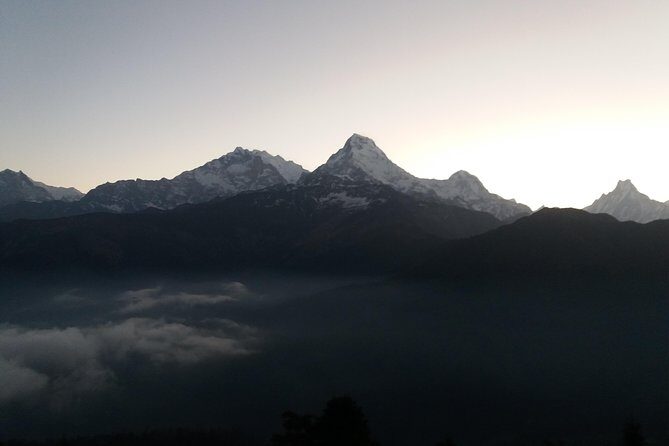
A 2-day trek lives or dies on how the guide runs it. The most consistently praised part is how guides handle people in the group—especially in a short schedule where there’s no room to waste time.
In particular, I’ve seen strong feedback tied to:
- Punctuality: guides who meet the plan and start when they should.
- Supportive pacing: people describe guides staying just behind the last person and matching the group’s speed.
- Clear communication: you know what’s happening next, where you’re going, and what to expect at each stage.
Names that show up repeatedly include Amrit and Biru. Both are described as friendly and attentive, with a practical sense of how to keep the trek feeling manageable. One detail that stands out: lunch timing can be flexible. On a route like this, small adjustments can make the difference between feeling rushed and feeling like you can enjoy the walk.
What I like about this approach is that it respects your body. On a stair-heavy trek, if someone forces a fast pace, everyone pays for it later. Gentle pacing helps you keep energy for the sunrise climb, and it makes the final descent less painful.
So if you care about not just seeing views, but also feeling guided and taken care of, this is the part you’re really buying.
Price and logistics value: what $230 covers (and what you’ll handle)
At $230, this trek sits in the mid-range for a short guided Himalayan experience. What you get for that price is meaningful:
- Guest house accommodation for the night
- An English-speaking trekking guide
- Round-trip 4WD jeep
- Transfers by private vehicle
- Trekking permit and TIMS card
- A private trip, meaning only your group participates
For many people, the biggest “value” is not just the guide—it’s having permits and trail admin handled. Permits and TIMS cards are part of the trek’s reality. When they’re included, you don’t have to hunt around at the last minute.
What you don’t get is also important:
- Meals and drinks are not included (they’re available for purchase)
- Rescue cost in an emergency is not included
- Gratuity is optional
Meal costs can add up on a 2-day schedule because you have meals at the right times and in remote areas where choices may be limited. The good news is the trek is short. You’re not paying meal money for a week.
One more note: the trip mentions group discounts and a mobile ticket. That’s handy if you’re traveling with others, because you can often lower the per-person cost when forming a group.
Timing, altitude, and what to expect physically
This is a “short but intense” style trek. The altitude is not as extreme as high passes in the Himalaya, but you do reach 3,210m at Poon Hill. Expect cooler air and take altitude seriously even if you feel fine.
The physical demand comes mostly from:
- Step climbing through rhododendron forest on Day 1
- Another early stair climb on Day 2 to reach the sunrise viewpoint
- A longer descent afterward
If you have moderate fitness, you should be okay—especially with a guide who supports pacing. The fact that the itinerary is only about 2 days is exactly why good pacing matters so much. You don’t want to burn out before sunrise, and you don’t want to arrive at the viewpoint exhausted and cranky.
Also, the sunrise start means you might be walking in low light. You’ll want proper footwear and a steady stride. Trekking poles (if you use them) can help on descents, where your knees do most of the work.
A few more Pokhara tours and experiences worth a look
What to pack for a 2-day Poon Hill climb
Since meals are not included, I recommend thinking about your day like this: you’re buying food along the route, but you’re still responsible for comfort and safety gear.
Pack basics for cold early mornings and layered walking:
- Warm layer for sunrise hours (temperatures can be much cooler at altitude)
- Rain protection, just in case
- Sturdy hiking shoes for lots of steps
- A small headlamp or flashlight for early departures
- Water bottle and a few snacks for the climb (since you’ll be fueling between purchased meals)
For your “I can’t believe it’s 4am” sanity, bring something small that makes you feel human—like a favorite snack or warm drink option when it’s available.
One more smart move: keep your daypack light. On a stair-heavy trail, heavy bags turn into extra work fast.
Who should book this trek (and who might look elsewhere)
This trek is a great fit if you want:
- A classic Himalayan sunrise viewpoint without a long trek
- A guided plan with permits handled
- A short duration that’s realistic when time is tight
It also suits groups who want privacy. The trip is a private activity, so it’s only your group, not a random mix of strangers.
You might want to reconsider if you:
- Hate early mornings and don’t handle 4am well
- Want mostly flat walking (this route has plenty of stairs)
- Are unsure about stair climbing at altitude, even at a moderate fitness level
If you’ve done day hikes and you’re comfortable with uphill stairs, you’re in the right zone.
Should you book the Annapurna 2 Days Poon Hill Trek from Pokhara?
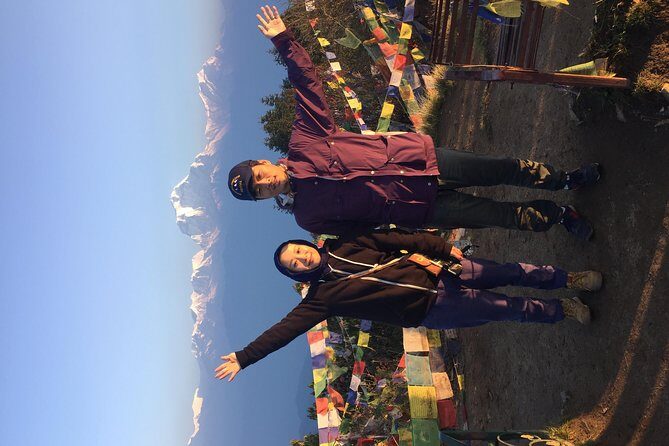
If you’re deciding between doing nothing and doing Poon Hill, do Poon Hill. The timing is tight, but the payoff is the sunrise at 3,210m, plus the fact that a guide, permits, jeep transport, and guest house are all bundled into one plan.
I’d book this if you value smooth logistics and want the chance to get help with pacing from guides like Amrit or Biru. I’d also book it if your goal is views over a short schedule, not hours and hours of trekking every single day.
Skip it (or pick another option) if your body hates stairs, your schedule can’t handle a 4am start, or you can’t be flexible with weather. This trek needs good conditions, and sunrise plans are weather-sensitive.
FAQ
What time does the trek start?
Day 1 starts around 8am with pickup, and Day 2 starts at 4am for the hike to Poon Hill.
How high do you go on the trek?
Poon Hill is at 3,210 meters, and that is the highest point mentioned for this trek.
Is accommodation included?
Yes. The package includes accommodation in a guest house for the overnight.
Are meals included?
No. All meals and drinks are not included, but they are available to purchase along the trek.
What permits are included?
The package includes a trekking permit and a TIMS card.
Is this trek private or shared?
It’s private. Only your group will participate.
How do you get from Pokhara to the trail?
You get pickup and transfers, including a round trip 4WD jeep and transfer by private vehicle.
What if weather is bad or I need to cancel?
This experience requires good weather. If it’s canceled due to poor weather, you’ll be offered a different date or a full refund. You can also cancel for a full refund up to 24 hours before the experience starts.