REVIEW · KATHMANDU
Annapurna Ghorepani Poonhill Trekking
Book on Viator →Operated by Nepal Horizon Treks and Expedition Pvt. Ltd. · Bookable on Viator
Sunrise at Poon Hill is the whole point. This 8-day Annapurna Ghorepani Poon Hill trek mixes an easy-altitude mountain walk with real Nepalese culture—plus you get airport pickup and a guided plan that keeps things smooth. I love the straightforward pacing for beginners and families, and I also love the built-in Kathmandu and Pokhara “warm-up” before your first big climb. The one thing to think about is the tough part: the stone stair climb around Ulleri can bite, especially if your legs aren’t used to steep steps.
The best part is that the trek feels like a local route, not a rushed checklist. You’ll move through villages and forests on the Annapurna circuit edges, then earn that classic sunrise view from Poon Hill (3210m) before heading back toward Nayapul.
Value matters here. At $400 per person for an 8-day guided experience, you’re paying for transport between major hubs, multiple guided days, and a lot of the on-the-ground problem solving (food and accommodation during trekking days). Just be ready for the basics: some meals in cities aren’t included, and you’ll want to plan your own international flights and visa.
In This Review
- Key Things That Make This Poon Hill Trek Worth It
- Why Poon Hill Works So Well for First-Timers
- Kathmandu Start: UNESCO Sights Plus a Real Sense of Nepal
- The Kathmandu to Pokhara Transfer: Scenic, Familiar, and Unhurried
- Trek Day 1 on Trail: From Nayapul to Tikhedhunga and Ulleri
- Trek Day 2: Rhododendron and Oak Forest to Ghorepani
- The Big Moment: Early Hike to Poon Hill at 3210m
- Back to Pokhara and Kathmandu: Rest Day Energy, Farewell Dinner
- Price and Logistics: What $400 Covers (and What You Need to Budget)
- Support on the Trail: Guides, Porters, and Food Care
- Fitness Level and Pacing: The Parts to Respect
- Practical Tips That Make This Trek Easier
- Should You Book This Annapurna Ghorepani Poon Hill Trek?
- FAQ
- Where does the trek start?
- What is the highest point on this trek?
- How long is the Annapurna Ghorepani Poon Hill trek?
- Is airport pickup included?
- What meals are included?
- What is not included in the price?
- Is this a private tour?
- Is there a minimum number of people required?
- What fitness level do I need?
- What is the cancellation policy?
Key Things That Make This Poon Hill Trek Worth It
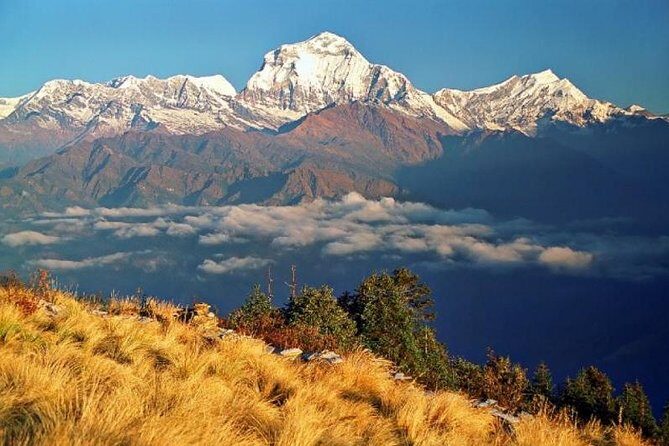
A sunrise plan that actually gets you to Poon Hill early with mountain views timed for the best light
Kathmandu UNESCO sites before you hike so you don’t waste travel days after arriving
A classic route through rhododendron and oak forest that feels different from city sightseeing
Daily structure with support so you’re not figuring out logistics alone
A moderate-fitness trek with real stair effort (Ulleri is the leg-burner)
Why Poon Hill Works So Well for First-Timers
Poon Hill trekking is one of the easiest ways to see the Annapurna region without committing to a long, high-altitude grind. You’re still in the mountains—no fake views, no “you can see it from the parking lot” nonsense. But the route is short enough that most people can experience the big scenery and still enjoy the journey.
This trek’s sweet spot is the mix of altitude and comfort. You reach Poon Hill at 3210m, then you’re not stuck at extreme elevations for days. That matters if you’re traveling with family, coming back from a break, or simply prefer your Himalayan adventure on a human schedule.
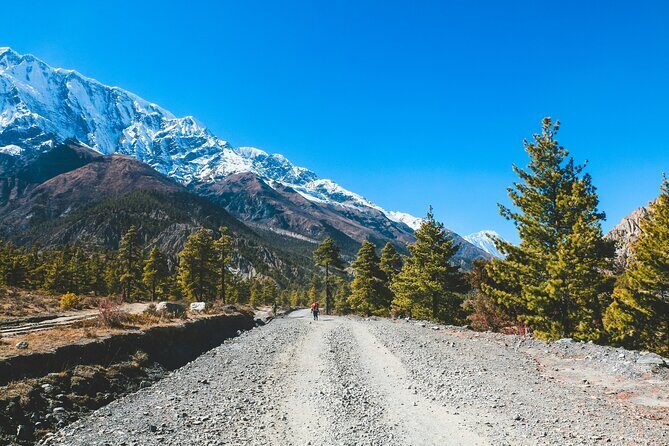
And yes, you’ll get the famous payoff: sunrise looking across a chain of peaks. On a clear morning, the view can feel like the mountains are sitting closer than they should be.
You can also read our reviews of more hiking tours in Kathmandu


Kathmandu Start: UNESCO Sights Plus a Real Sense of Nepal
Day 1 and Day 2 are all about landing, getting oriented, and seeing Kathmandu properly before you head west.
- You’re met at the airport by a Nepal Horizon Treks and Expedition airport representative and transferred to your hotel. Then you get a relaxed evening stroll around Thamel, Kathmandu’s traveler neighborhood—useful for stocking up on basics and getting your bearings fast.
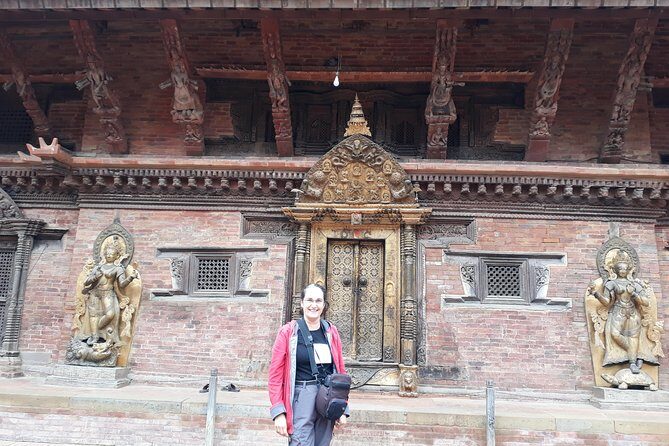
- The next day is a culture sweep through major UNESCO sites: Pashupatinath Temple by the Bagmati River, Swayambhunath (Monkey Temple), and Boudnath Stupa. You also visit Patan Durbar Square and several other religious and historic stops.
What I like about starting with Kathmandu is that it breaks up travel fatigue. You’re not immediately hiking on day one. Instead, you’re adjusting your body and your brain to Nepal while seeing places that feel meaningful, not just scenic.
Possible drawback: Kathmandu sightseeing is a full day, and it can be tiring if you arrive already exhausted. If you’re sensitive to walking in crowds, take breaks when your guide suggests them.
The Kathmandu to Pokhara Transfer: Scenic, Familiar, and Unhurried
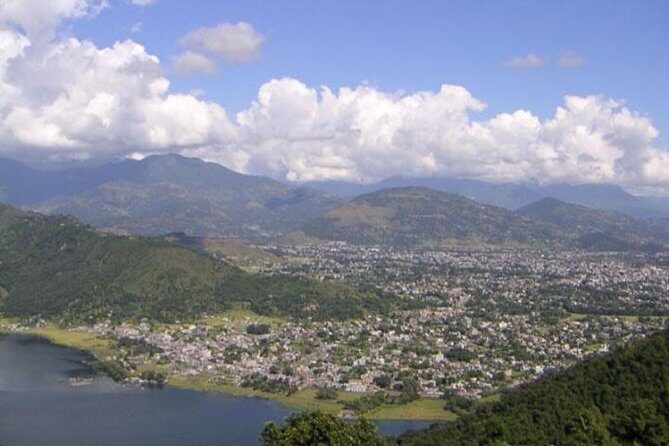
On day 3, you drive from Kathmandu to Pokhara by private car. The route follows the Trishuli River corridor, a drive known for dramatic countryside views and a sense of momentum as you move toward trekking country.
You arrive in Pokhara and get free afternoon time. That’s valuable. Pokhara is where many people start thinking about what they’ll wear, what they’ll pack, and how early they’ll need to wake up. Having that breathing space helps the trek feel less like one long machine and more like a sequence you can enjoy.
Trek Day 1 on Trail: From Nayapul to Tikhedhunga and Ulleri
Day 4 begins with the drive to Nayapul, the trekking starting point. From there, the plan is a gradual ascent with enough effort to wake up your trekking legs, but not so much that you feel crushed on day one.
You walk to Birethanti, a riverside village where you’ll see the confluence of the Modi and Bhurungdi Kholas. It’s a nice way to ease into the rhythm: village life first, hills second.
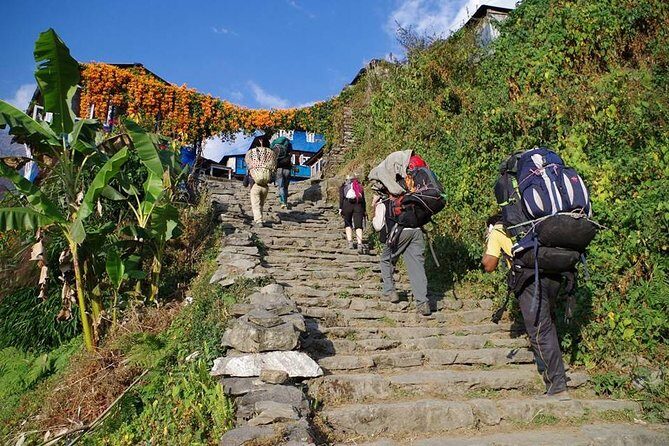
Then the trail climbs above to Sudame and rises gradually toward Tikhedhunga. After that comes a key moment: crossing a suspension metal bridge, then tackling a steep climb using stone staircases to reach Ulleri.
Ulleri is where this trek earns its “moderate, but not gentle” label. If you have knee issues, it’s worth paying attention here. Take it slow, shorten your stride, and let your guide know early if you’re feeling strain.
The good news is that the view of the valley and the glimpses of Annapurna South and Hiunchuli keep you motivated while you work your way upward.
Trek Day 2: Rhododendron and Oak Forest to Ghorepani
Day 5 shifts into a very classic Annapurna trekking feel: walking through dense rhododendron and oak forest while scenery changes behind you as you climb.
This is a big reason people love Poon Hill—because the hike is more than just “get altitude.” You’re moving through different textures of scenery: shaded forest sections, brighter clearings, and villages that feel lived-in rather than staged for tourists.
After several hours of walking with breaks, you reach Ghorepani. Then you’re looking toward the higher area called Upper Ghorepani (Deurali), which is known for strong Himalayan sightlines. Even before sunrise, the surrounding range can look dramatic when the air is clear.
Practical note: forest days can feel cooler than you expect, and mornings can still be chilly. Your guide can help you decide when to layer up and down so you don’t start sweating too early.






The Big Moment: Early Hike to Poon Hill at 3210m
Day 6 is the heart of the trek. After an early breakfast, you hike about 45 minutes up to Poon Hill (3210m).
The route is scenic, with rhododendron forest sections near the start. Then it transitions to a grassy summit where you can pause, watch, and take in the panoramic views. This is your sunrise window—so you’ll want to be mentally ready for early starts and a bit of cold.
Once the light hits, Poon Hill is known for showing:
- Dolpo to the far western region
- Mount Dhaulagiri
- Annapurnas
- Machhapuchhre (Fish Tail)
- Manaslu
That’s a lot of name recognition, but it’s also the kind of wide view you don’t get from most short treks. Even if you’re not the type who memorizes peak names, you’ll still recognize the sheer scale.
After your sunrise moments, you hike downhill back toward Nayapul, and then you catch a private vehicle to return to Pokhara. This is a smart end to the peak day: you get your reward, then you get off your feet while the day is still young.
Back to Pokhara and Kathmandu: Rest Day Energy, Farewell Dinner
Day 7 takes you back to Kathmandu by the same route. You land in the city, rest, and then enjoy free time—shopping, relaxing, or exploring landmarks at your own pace.
In the evening, you attend a farewell dinner hosted by Nepal Horizon Treks and Expedition at a typical Nepali restaurant with cultural shows. This kind of night works for most people because it gives you closure without making you rush to pack for another early start.
Day 8 is your final day in Nepal. You can do last-minute shopping in Kathmandu, then an airport representative transfers you to the airport with plenty of time before your flight.
If you’re the kind of traveler who hates feeling “unfinished,” this structure helps. You hike, you recover, and then you transition back to normal city life.
Price and Logistics: What $400 Covers (and What You Need to Budget)
At $400 per person for an approx. 8-day trek, the value comes from what’s included versus what you’d normally pay separately.
Included items in the package:
- Pickup offered (airport meet-up and transfers)
- Mobile ticket
- Breakfasts (7)
- Lunches (3)
- Dinners (4)
You also get the core services that matter on a trek: guided planning and organized transport between Kathmandu and Pokhara.
Not included:
- International air fare
- Visa fee
- WiFi on board
- Dinner and lunch at cities
So the real question is: does this price match your travel style? If you want a guided, structured trek with city sightseeing in Kathmandu and a guided return, this can feel like good value. You’re paying for someone to handle the route flow and to make sure you’re not scrambling for meals or direction in a new country.
If you’re already traveling with a big backpacking mindset and you don’t need help organizing, you might find cheaper ways to do portions of this trek. But if you want a “less stress, more enjoying” experience, the package approach here is the point.
Support on the Trail: Guides, Porters, and Food Care
One of the most consistent themes in feedback is how much attention the team gives to comfort—especially around food, accommodation, and health.
You may be paired with guides such as Raju and Bishal, who are praised for being friendly, energetic, and helpful. You might also meet support team members like Deep and coordinators like Dipendra. Some notes also mention Ramesh and others in the guide/management roles, which suggests the operation has more than one capable staff member.
Even more important than names: people talk about the team taking care of foods and accommodation and paying attention to health conditions during the trek. That’s what makes a moderate trek feel manageable instead of unpredictable.
Also, some feedback includes porter support. If you’re carrying less yourself, you’ll feel the difference—especially on stair sections like Ulleri.
Fitness Level and Pacing: The Parts to Respect
This trek is described as requiring moderate physical fitness, which fits the real profile of Poon Hill trekking: mostly walking and gradual climbs, with some steep sections.
The biggest “respect this” moments:
- The stone staircase climb to Ulleri
- The early start for Poon Hill sunrise
- The cumulative effort across trekking days (even when each day is reasonable)
If you’re a beginner, you’ll likely do well because the trek is short and structured. But beginners should still train a little before arrival—brisk walking and some stair practice can turn the hardest day from misery into a story you laugh about later.
If you have medical concerns, altitude sensitivity, or knee/back issues, talk to your guide early. The itinerary’s pacing helps, but your body still calls the shots.
Practical Tips That Make This Trek Easier
Here are a few things that will help you enjoy the trip without fighting it:
- Plan for early mornings. Poon Hill sunrise means waking up early on a day when you’d rather sleep in.
- Bring layers. Even if the trekking days feel warm in the sun, mornings at elevation can be chilly.
- Go slow on stairs. Ulleri’s climb is the part most likely to punish rushed pacing.
- Keep shoes comfortable. You’ll be walking all day; if your footwear is even slightly off, you’ll notice by day two.
- Use your guide as a resource. The guide team is part of what you’re paying for—especially around health and pace.
And one small mindset tip: accept that you’re doing a trek in the mountains. You’re not “on vacation from effort.” You’re on vacation from boredom.
Should You Book This Annapurna Ghorepani Poon Hill Trek?
I’d book it if you want a short Himalayan intro with a real sunrise payoff, plus culture days in Kathmandu and a relaxing end in Pokhara and Kathmandu.
Choose this trek if:
- You’re a first-timer or traveling with family and want a moderate challenge
- You care about organized logistics (transfers, meal planning, guide support)
- Sunrise views are on your must-do list, and you don’t mind early starts
I’d think twice if:
- You have fragile knees or you strongly dislike steep stair climbs
- You want a totally low-effort walk with no uphill work at all
- You prefer handling everything independently and don’t want a guided structure
If you match the “moderate fitness, sunrise motivated” vibe, this is one of the best ways to get Annapurna magic in a week-and-change.
FAQ
Where does the trek start?
The trek starts from Nayapul, which is reached by drive before beginning the walking route.
What is the highest point on this trek?
The highest point is Poon Hill at 3210m (10530ft).
How long is the Annapurna Ghorepani Poon Hill trek?
It’s listed as 8 days (approx.).
Is airport pickup included?
Yes. Pickup is offered, and there is an airport representative meeting you outside the terminal and transferring you to your hotel.
What meals are included?
The package includes breakfast (7), lunch (3), and dinner (4).
What is not included in the price?
Not included are international airfare, visa fee, WiFi on board, and dinner/lunch in cities.
Is this a private tour?
Yes. This is a private tour/activity, and only your group participates.
Is there a minimum number of people required?
Yes. There is a minimum of 02 people per booking.
What fitness level do I need?
You should have a moderate physical fitness level.
What is the cancellation policy?
Cancellation is free up to 24 hours in advance for a full refund. If you cancel less than 24 hours before the start time, the amount you paid is not refunded.