REVIEW · KATHMANDU
Everest Base Camp Trek
Book on Viator →Operated by Outfitter Nepal · Bookable on Viator
The Everest route starts in a tiny airport. This trek stands out because it links a famous Kathmandu–Lukla flight with a guided, step-by-step plan that helps you work your way up toward Everest Base Camp. You’re not left juggling permits, lodging, or daily logistics.
I love that guides and porters are built into the experience, so you can focus on walking and breathing, not paperwork and carry schedules. I also love that all permits and government paperwork are handled for you, which matters a lot when you’re heading into high-stakes mountain territory. One possible drawback: this trek has a real altitude challenge up to 5,545m, and the itinerary depends on weather, so you’ll need to be patient if plans shift.
A small group size (up to 14) helps the day-to-day feel organized instead of chaotic. And the route keeps things practical with scheduled acclimatization days in the middle of the climb.
In This Review
- Key things you should know
- Lukla Flights and a Planned 12 Days: Why This Trek Feels Manageable
- What Your $1,300 Covers (and What You Still Pay for)
- The main extras you should budget now
- Day 1–3: Lukla to Phakding, Then Namche Acclimatization
- Day 4–6: Tyangboche to Dingboche at Higher Altitudes
- Day 7–9: Lobuche to Everest Base Camp via Gorakshep
- Day 10–12: The Return Down to Namche and Lukla
- Guides, Porters, and Real Support: What Helps Most on Everest
- Altitude Reality Check: Why This Route Uses Rest Days
- Gear and Comfort: What’s Included Makes Packing Easier
- Price vs. Effort: When This Package Is the Right Fit
- Should You Book This Everest Base Camp Trek?
- FAQ
- What time does the trek start in Kathmandu?
- Are domestic flights included?
- Is a guide included?
- Are accommodations included on the trek?
- What about meals during the trek?
- Do I need travel insurance?
- What visa do I need for Nepal?
- Is there an additional fee for Everest Base Camp?
Key things you should know
- Lukla flights are included: Kathmandu–Lukla–Kathmandu domestic flights are part of the package.
- Rest days for acclimatization: you build in breaks at Namche Bazaar and Dingboche.
- Gear shows up in the prep work: sleeping bag, down jacket, and duffle bag are included (the trekking map comes back after the trek).
- Support staff matter: your guide and porter help keep the pace realistic.
- Big-view day is scheduled: you go for Kala Patthar at 5,545m after reaching Gorakshep.
- You’re not guessing on safety paperwork: permits are managed, plus an emergency helicopter arrangement is set up through travel insurance.
Lukla Flights and a Planned 12 Days: Why This Trek Feels Manageable
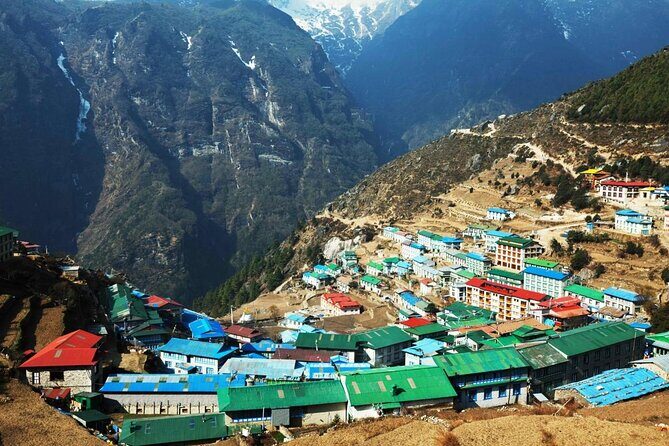
The Everest Base Camp dream has a reputation for being complicated. The good news here is that the backbone of the trip is already handled for you: flights, transfers, lodges, meals on the trek, and permits.
The route starts with the fly-in that many people picture when they imagine Nepal. You land in Lukla at 2,886m, then you begin trekking right away, slowly setting your rhythm instead of doing a big climb on day one.
What makes this plan feel smart is the way it balances effort and altitude. You gain height gradually, then pause for acclimatization before continuing upward again. That pattern is what keeps a “hard trek” from turning into a totally punishing one.
You can also read our reviews of more hiking tours in Kathmandu
What Your $1,300 Covers (and What You Still Pay for)
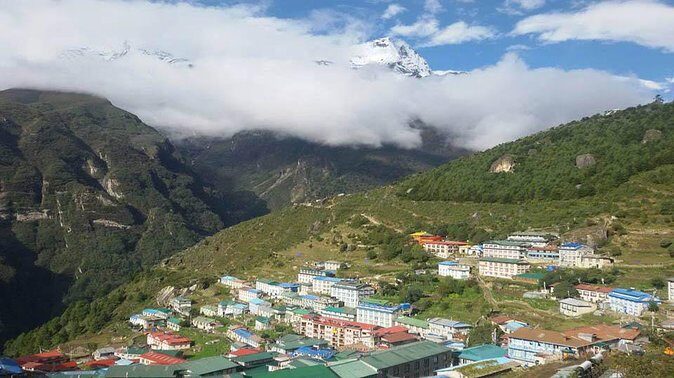
At $1,300 per person for about 12 days, the real value is in what gets taken off your plate. You’re not just buying a walking route. You’re buying logistics: private vehicle transfers, flight fare, lodge stays, and an experienced guide leading the show.
Included in the trek costs are domestic airport transfers and Kathmandu-to-Lukla flight tickets with domestic airport tax. On the trekking days, you also get breakfast, lunch, and dinner at the lodges/tea houses.
You also get practical gear support. The package includes a sleeping bag, a down jacket, and a duffle bag for the trek, plus a trekking map. That can save you money and headache if you don’t already own cold-weather gear.
The main extras you should budget now
Based on the provided details, here are the big items that are not included and can surprise first-timers:
- Nepal entry visa fee: $40 USD for a 1-month visa (you need 2 passport-size photos).
- Travel insurance: compulsory, and it’s also what connects to the emergency helicopter arrangement.
- Kathmandu hotel and food: the included details mention four nights in Kathmandu, but the cost list flags that hotel and food in Kathmandu are not included, so confirm what’s actually covered for your dates.
- Everest Base Camp entrance fee: $40 USD per person.
- Tips for guide and staff.
- Porter costs if you want one: $20 USD per day (listed as optional if needed).
- Items like battery charging, drink water, hot showers, and sweet snacks during the trek.
If you’re trying to judge whether this is good value, look at the total of everything you personally would have to arrange: flights, permits, guide time, lodge logistics, and meals on trek days. For many people, that’s where the money goes, and this package tries to wrap it up for you.
Day 1–3: Lukla to Phakding, Then Namche Acclimatization
Day 1 starts with a very early meeting time at Tribhuvan Airport in Kathmandu (6:15am). You fly to Lukla at 2,886m and then trek about 4 hours to Phakding (2,610m). This is a good first day because you’re not immediately racing uphill after landing.
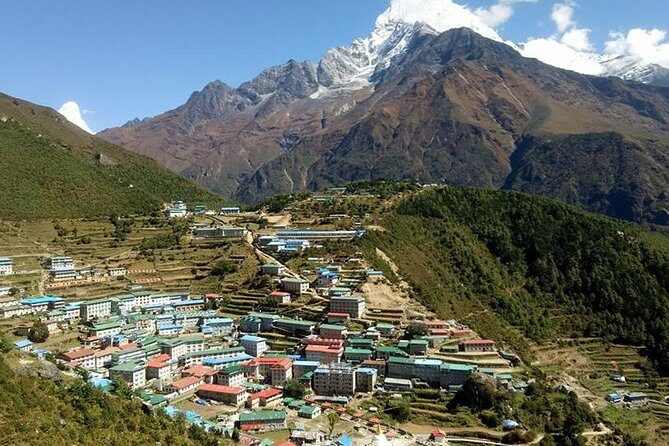
Day 2 is the first real climb: Phakding to Namche Bazaar (3,440m) takes about 6 hours. You’ll likely feel it. Going from a valley town up toward Namche is where the altitude starts to show up, especially if you’re not used to thinner air.
Day 3 is a rest day at Namche Bazaar for acclimatization. That’s not wasted time. Rest days are part of how you make the high-altitude part safer and more comfortable, because your body gets time to adjust before the next height jump.
Day 4–6: Tyangboche to Dingboche at Higher Altitudes
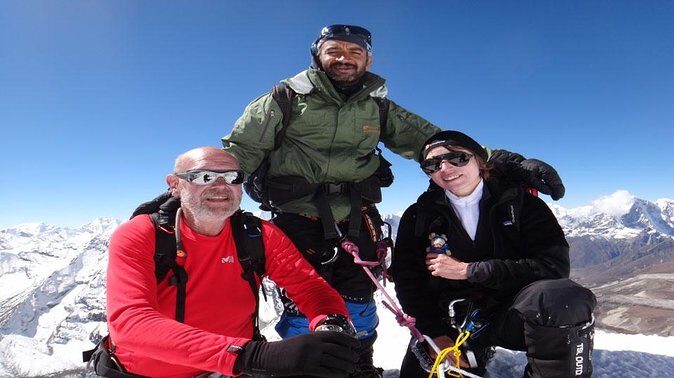
Day 4 takes you from Namche Bazaar to Tyangboche (3,867m) in about 5 hours. This keeps the climb steady without trying to jump too far in one day.
Day 5 moves up again to Dingboche (4,260m) in about 5 hours. This section is where you’re approaching the higher end of the trek, so pacing becomes key. Even if the listed trekking time is “only” five hours, the air gets thinner and your body asks for slower steps.
Day 6 is another acclimatization day in Dingboche. Again, that pause is the point. You’re not just collecting mileage. You’re building your tolerance for altitude while still keeping a structured itinerary.
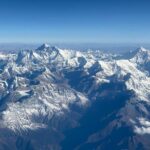
Day 7–9: Lobuche to Everest Base Camp via Gorakshep
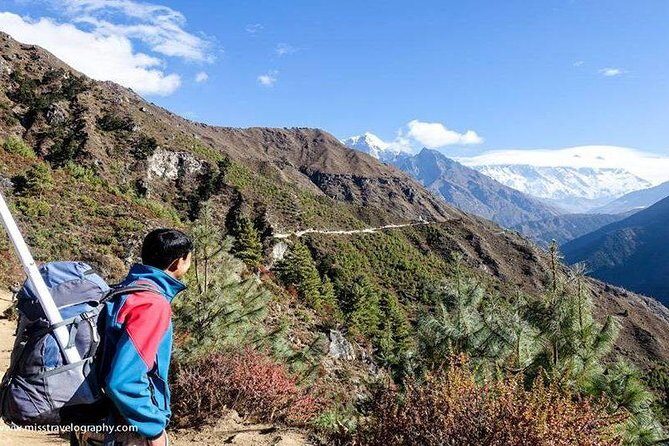
Day 7: Dingboche to Lobuche (4,930m) takes about 5 hours. You’re now in the zone where cold and fatigue can escalate quickly, especially if you move too fast trying to “make up time.”
Day 8 is the big milestone day: Lobuche to Everest Base Camp via Gorakshep, listed at 6–7 hours with meals included. This is the day most people remember, because it’s the walk that turns a dream into a destination. You’re gaining and carrying energy for a long push, so think of this as a focus day, not a sightseeing sprint.
Day 9 is both demanding and rewarding. You trek from Gorakshep to Kala Patthar (5,545m) and then onward to Pheriche (4,243m), listed at about 7 hours. Kala Patthar is the trek’s top altitude moment. It’s typically the photo day people plan their whole trip around, but the smarter goal is getting there steady and warm, then continuing to Pheriche when you’re done.
This is also a good place to think about how your body feels. If you feel run-down, going slow is a win. Hurrying on the highest parts is how people run into trouble.
Day 10–12: The Return Down to Namche and Lukla
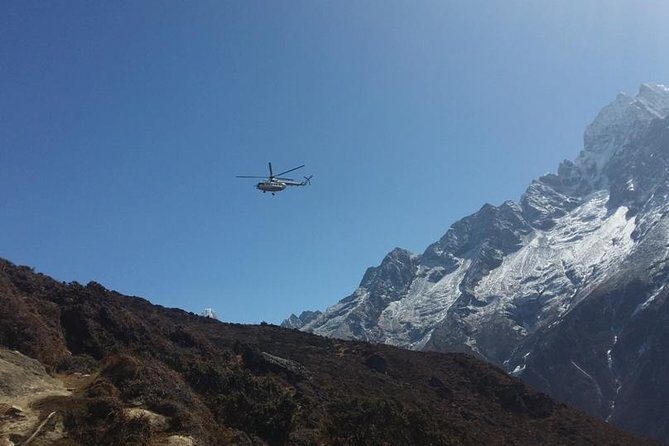
Day 10 brings you from Pheriche back to Namche Bazaar (3,441m) for about 6 hours. This downhill stretch is often psychologically easier, even if your legs still feel it. The altitude is lower, which usually helps you breathe more comfortably.
Day 11 is Namche Bazaar to Lukla (2,886m) in about 6 hours. This day is basically your final push. You’re working your way back to the starting flight altitude, and the payoff is a smoother end to the trek.
Day 12 is flying from Lukla back to Kathmandu, then transferring to your hotel. It’s a “reset day” after days of cold nights and set trekking hours.
Guides, Porters, and Real Support: What Helps Most on Everest
The difference between a good trek and a hard trek you survive comes down to support. Here, you get an experienced, helpful guide included, and the experience description emphasizes that guides and porters are part of the structure.
The most impressive part is how the guides are described through real situations. One guide, Kiran, is praised for handling serious disruption transparently when monsoon conditions damaged roads and stranded people. That matters because weather and infrastructure can go sideways in Nepal, and you want honesty plus problem-solving.
Another guide, Arjun, is mentioned as kind and patient, with a detail that shows how guides think beyond the basics. He brought fresh fruit for dessert every night and set expectations clearly as the trek progressed. That kind of attention can make long days feel more human.
Dinish is also praised for helping throughout a trek, with a focus on making the trip memorable and manageable. These names may not reflect every guide you’ll get, but they do show that the company’s hiring and training is meant to be felt in daily moments, not just on paper.
Altitude Reality Check: Why This Route Uses Rest Days
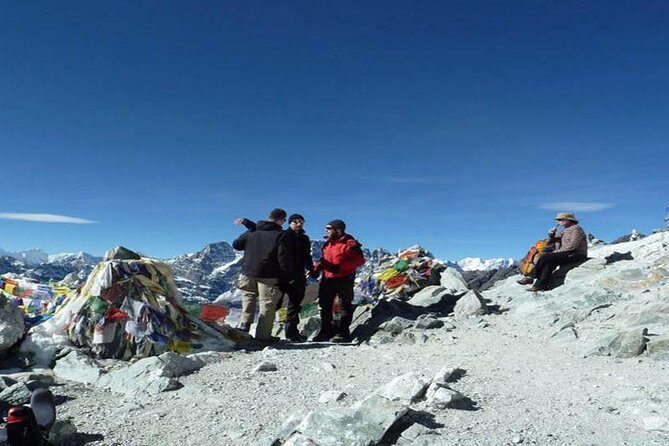
Even with guidance, this is still a high-altitude expedition. You’ll be moving through elevations like Namche Bazaar at 3,440m, Dingboche at 4,260m, Lobuche at 4,930m, and the top moment at Kala Patthar (5,545m). That’s why the schedule includes two acclimatization days.
If you’re new to altitude trekking, here’s the practical take: follow the pace your guide sets, don’t “win” the trek by forcing speed, and treat rest days as part of the climb, not downtime. The itinerary is built to help you adjust before the next step up.
Also remember that cold is a factor. Even if you’re moving during the day, you’re sleeping in lodges at altitude. This is where the included down jacket and sleeping bag matter.
Gear and Comfort: What’s Included Makes Packing Easier
One of the smartest values in this package is that cold-weather trekking gear is provided. You get a sleeping bag and down jacket for the trek, which reduces what you have to carry from home. You also get a duffle bag, which can simplify your packing system.
A trekking map is included too. While you’ll follow a guide, having the route in front of you helps you keep context when days feel long.
Now for the tradeoffs. The cost list flags that hot showers, sweet snacks like chocolate bars, battery charging, and drink water are not included during the trek. Plan for extra spending on the little things that keep morale up and phones alive.
Price vs. Effort: When This Package Is the Right Fit
This trek is best if you want to reduce planning stress. You’ll show up, meet the group, handle the visa, and let the itinerary do its job. That’s especially valuable when you’re dealing with domestic flights to Lukla and permits that take coordination.
It’s also ideal if you appreciate structure. With a maximum of 14 travelers, the trek tends to keep a manageable rhythm, and you’re not swimming in a crowd.
Who will like it most:
- People with moderate physical fitness who want a guided plan.
- Travelers who’d rather pay for logistics than figure everything out alone.
- Anyone who wants a small-group experience with real support on the trail.
Who should think twice:
- If you’re very sensitive to altitude, you should consult a professional before going.
- If you hate cold camping-style comfort (even with warm gear), you might find the trek rougher than expected.
- If you need lots of extra comfort like hot showers daily, know those are not included.
Should You Book This Everest Base Camp Trek?
If your goal is Everest Base Camp without managing permits, lodge logistics, and day-to-day scheduling, this looks like a solid package. The included guide support, the included meals on trek days, and the included cold-weather gear are the kind of practical items that make a big difference at altitude.
I’d book it if you can handle early starts, real hiking days, and the fact that weather can force changes. One more decision point: confirm what’s covered in Kathmandu for those four nights, since the cost notes conflict in a way that could affect your total budget.
If you want a trekking experience that stays organized while you focus on acclimatizing and moving safely, this is the kind of plan that fits.
FAQ
What time does the trek start in Kathmandu?
The meeting point is Tribhuvan Airport in Kathmandu, with a start time of 6:15 am.
Are domestic flights included?
Yes. Flight fare for Kathmandu–Lukla–Kathmandu is included, along with domestic airport tax.
Is a guide included?
Yes. An experienced, helpful and friendly guide is included, and the guide’s salary, food, drinks, accommodation, transportation, and insurance are covered.
Are accommodations included on the trek?
Yes. You get accommodation on trek (lodges/tea houses) included, and the overview also mentions four nights in Kathmandu.
What about meals during the trek?
Breakfast, lunch, and dinner are included during the trekking days.
Do I need travel insurance?
Yes. Travel insurance is compulsory, and it is tied to the emergency helicopter service arrangement.
What visa do I need for Nepal?
You can obtain a visa on arrival at Tribhuwan International Airport. The fee is $40 USD for a 1-month visa, and you will require 2 passport size photos.
Is there an additional fee for Everest Base Camp?
Yes. The entrance fee for the Everest Base Camp Trek is listed as $40 USD per person.