REVIEW · KATHMANDU
Annapurna Base Camp Trek
Book on Viator →Operated by Nepal High Trek & Expedition Pvt. Ltd · Bookable on Viator
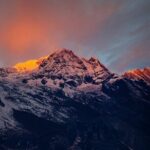
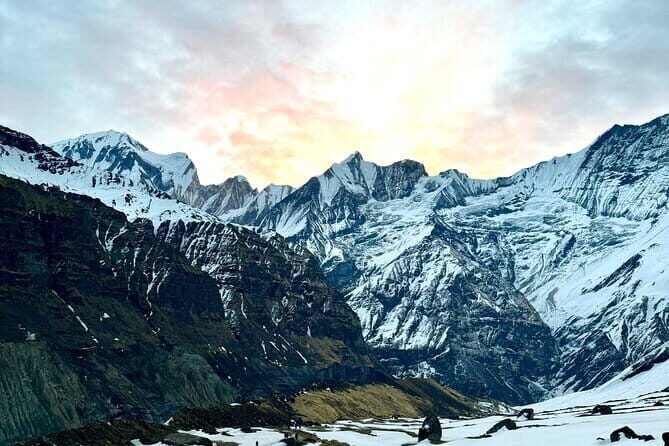
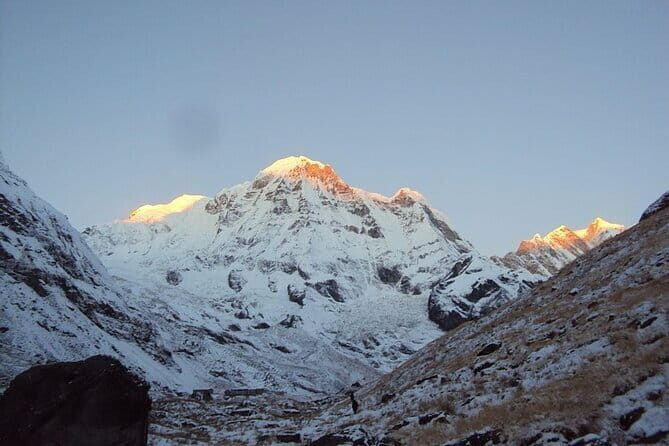
A sunrise at Annapurna Base Camp is a real wow. This 7-day trek works because it’s properly guided and built around classic Annapurna villages like Ghandruk and Chhomrong, then climbs to that glacier-and-peak view from the base camp area. I also like that the trip is full-service on the basics: meals, permits (ACAP) and TIMS card, plus guided logistics so you’re not stuck figuring out the next move. One drawback to plan for: expect an early start (the meeting time is 4:45am), and you’ll still need to cover personal items like bottled water, hot showers, and tipping your guide.
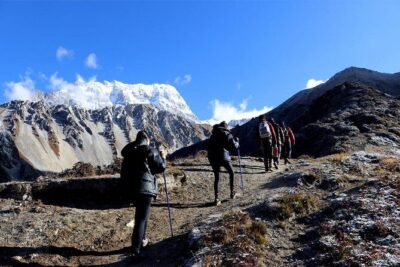
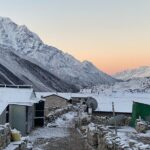
You’ll sleep at lodges along the route and walk through changing terrain—terraced fields, rhododendron forests, and river gorges—until the trail narrows into the Annapurna heartland. The guide names that come up again and again are Suraj, Anos, and Laku, and the consistent theme is clear care: planning meals and accommodations, keeping the day rhythm steady, and making the trek feel both practical and fun. This trek is described as a moderate trekking option, and that’s a good match if you can handle long days on foot and a steady climb.
In This Review
- Key things that make this Annapurna Base Camp trek work
- First Wake-Up: The 4:45am Start and How the Trek Day Begins
- Price and Value: What $699.67 Includes (and What to Budget Separately)
- Guides and Small-Group Vibe: Suraj, Anos, and Laku in Real Life
- Day-by-Day Trek Flow: From Nayapul to Ghandruk’s Terraced Welcome
- Day 1: Pokhara views, then your first walk toward Ghandruk
- Ghandruk to Chhomrong: The Village-to-Ridge Climb That Teaches Your Legs
- Day 2: Climb toward Kimrong Danda, then down into Chhomrong country
- Through the Modi River Gorge Area: Sinuwa Danda to Bamboo
- Day 3: From Sinuwa Danda into deep forest and gorge terrain
- Himalaya Hotel and Hinko Cave: Near Annapurna South and Hiunchuli
- Day 4: Toward the highlight approach under Annapurna South
- Annapurna Base Camp Day: The Sunrise-Style Payoff and the Six-Hour Trek Moment
- Day 5: Annapurna Base Camp and the return descent plan
- Jhinu Danda Hot Spring and the Final Trek into Pokhara
- Day 6: Back via Chhomrong, then out toward Jhinu Danda
- Day 7: Siwai trek and the return drive to Pokhara
- What to Expect Day-to-Day: Meals, Lodging, and Comfort Tradeoffs
- Weather and Timing: Why Flex Matters on an Annapurna Trek
- Who This Trek Is Best For
- Should You Book This Annapurna Base Camp Trek?
- FAQ
- What is the meeting time for the Annapurna Base Camp trek?
- Where does the trek start?
- What is included in the price?
- Are pickup services available?
- What is not included in the package?
- How long is the trek?
- Do I need good weather for this experience?
- Can I cancel for a refund?
- Is a service animal allowed?
- Which operator runs this Annapurna Base Camp trek?
Key things that make this Annapurna Base Camp trek work
- Licensed mountain guide included and organized around permits (ACAP) plus your TIMS card
- Full meal plan with breakfast, lunch, and dinner each day on the trek
- Big village-to-mountain progression through Ghandruk, Chhomrong, and the Modi River gorge area
- Hinko cave area and Himalaya Hotel stop close to Annapurna South and Hiunchuli
- Base camp payoff with the sunrise-style moment people plan for
- Guide flexibility and people-first care highlighted by multiple guide/porter setups (Suraj, Anos, Laku; Sonam and Necha)
First Wake-Up: The 4:45am Start and How the Trek Day Begins
Your trip energy starts early: the meeting time is 4:45am. That matters because Annapurna treks usually run on a “walk before it heats up” rhythm, and starting early helps you keep pace without rushing later. If you’re someone who needs time to fully wake up, it helps to treat the first day like a launch, not a leisurely morning.
Another practical point: you’re not just “meeting somewhere and hiking.” Pickup is offered, and there’s ground transport built into the plan between key points. You’ll also see that the itinerary is designed around day-to-day walking stages, plus drives like the return leg that brings you back to Pokhara.
You can also read our reviews of more hiking tours in Kathmandu
Price and Value: What $699.67 Includes (and What to Budget Separately)
At $699.67 per person, the value here is that the essentials are already handled. Your package includes three meals a day during the trek (breakfast, lunch, dinner), plus seasonal fruits. You also get the real-world paperwork covered: the Annapurna Conservation Area Permit (ACAP) and the TIMS card are included. Finally, there’s a licensed guide included, along with trekking-night accommodation on the trail for 7 nights, and ground transportation tied to the trek route (Pokhara connections, including legs like Syauli Bazar and Samrung Khola back toward Pokhara).
What you should plan to pay for separately is equally clear. Bar bills, phone calls, laundry, battery recharges, bottled water, hot water, and showers aren’t included. And you’ll need to handle travel and rescue insurance on your own, plus tips for the guide.
Here’s how I think about the money: if you try to piece this together yourself, the permits, guide availability, and route logistics are often what eat your time. This price is mostly buying you smooth execution—so you can spend your energy on the walking and the views.
Guides and Small-Group Vibe: Suraj, Anos, and Laku in Real Life
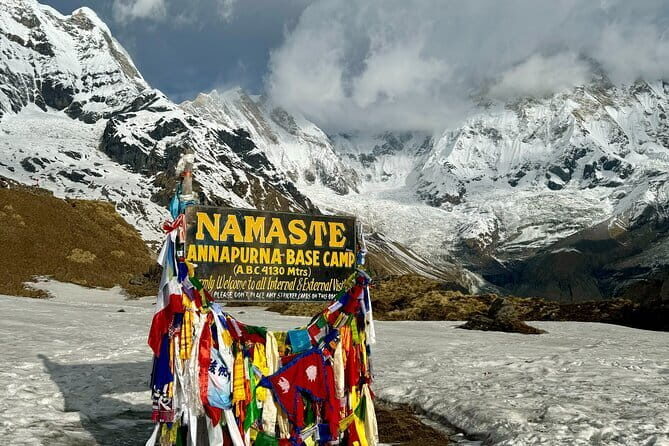
One reason this trek gets repeatedly praised is the human support. Multiple guides show up in the feedback: Suraj (often singled out for planning and upbeat companionship), Anos (professional and attentive from the start), and Laku (friendly, helpful, and well coordinated with porters). In addition, porters like Sonam and Necha are mentioned for taking care of people and keeping the trek comfortable.
You’re also getting a structure that feels responsive. In the notes from past trekkers, a common theme is communication before arrival and easy coordination once you’re in Nepal—email and WhatsApp made it simple for at least some groups. There’s also an example of a guide listening to needs and adjusting the itinerary route to fit the group better, which is exactly the kind of flexibility you hope for on a mountain trek.
One detail to clarify with your operator: this is described as a private tour/activity, but at least one group reported joining others for a total of four people. So if you care deeply about going truly solo-with-your-guide, ask up front how groups are handled during your travel dates.
Day-by-Day Trek Flow: From Nayapul to Ghandruk’s Terraced Welcome
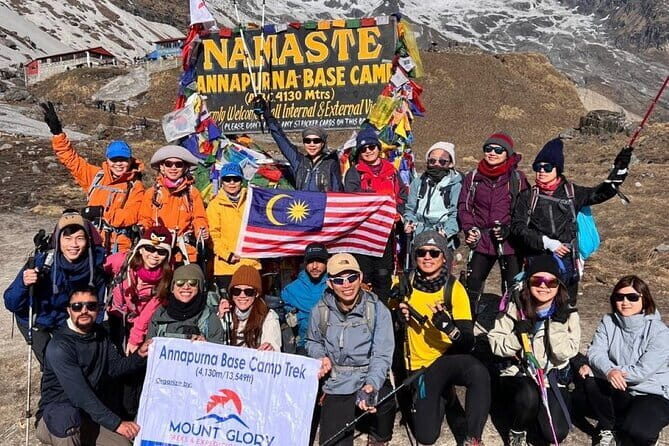
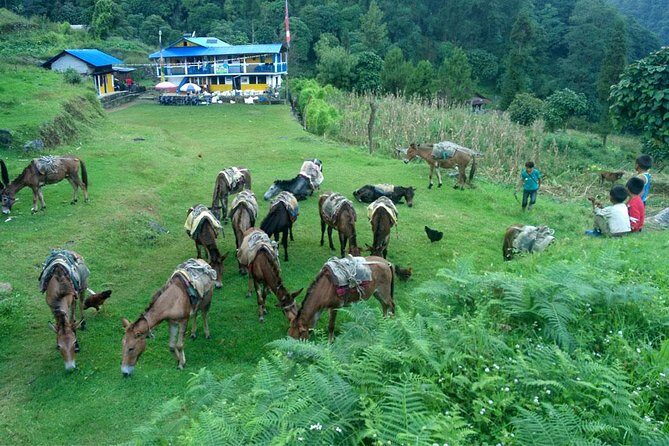
The trekking route starts from Nayapul. From there, the trail moves through the kind of gradual introduction Annapurna is known for: terraced fields, rhododendron forest, and village life that helps you settle into the rhythm before the big mountain moments.
Day 1: Pokhara views, then your first walk toward Ghandruk
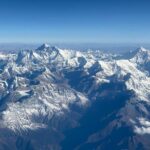
You’ll have an overnight in Pokhara and start with views of the Annapurna Himalaya range, including Machhapuchare (the Fish Tail). After breakfast, you drive beyond Pokhara to begin the first day walk. Stop focus is Ghandruk, a classic village base that makes a good first taste of the culture and the altitude game without throwing everything at you at once.
What I like here: Ghandruk is a strong “orientation” day. You get time to stretch legs, see how trails and lodges are set up, and understand that the mountain grows more impressive each day.
Possible consideration: it’s still a trekking day after a drive, so plan for a long day even if you’re not at base camp yet.
Ghandruk to Chhomrong: The Village-to-Ridge Climb That Teaches Your Legs
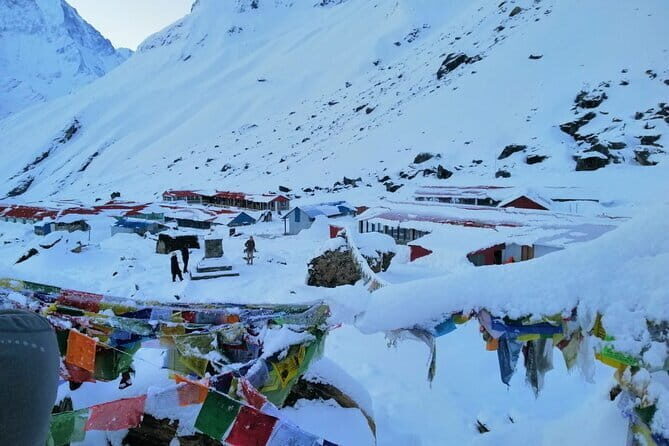
Day 2: Climb toward Kimrong Danda, then down into Chhomrong country
You walk out of Ghandruk and take a gradual path for a while, then climb to Kimrong Danda (a ridge stop). From there, the trail goes downhill into cooler forested areas and drops you into farmland and village life before you reach Chhomrong.
Why this day matters: it teaches you pacing. You’ll get ridge work, then a forest descent—exactly the type of motion you’ll keep encountering on the rest of the trek. It’s a good confidence builder before the longer, more remote feeling sections.
Small drawback: forest trails often mean you’re walking steadily without a constant “wow view” moment. That’s not bad, just different from the base camp reward.
Through the Modi River Gorge Area: Sinuwa Danda to Bamboo
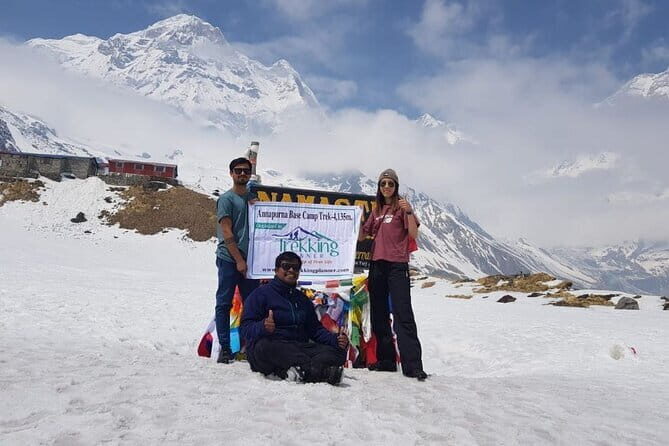
Day 3: From Sinuwa Danda into deep forest and gorge terrain
Day 3 starts with a downhill from Chhomrong to a bridge, then uphill toward Sinuwa Danda (ridge). After that, the trail leads into deeply forested sections with winding ups and downs, eventually reaching the area called bamboo within the Modi River gorge.
This is one of those days where the guide’s role really shows. In gorge and forest terrain, your footing and rhythm matter more than dramatic panoramas. A good guide keeps you safe, helps with decision-making around rests, and keeps meals aligned with the terrain.
What I like about this segment: it’s less about posing for photos and more about being present. The forest and gorge walking is where you start feeling like you’re truly inside the trek, not just traveling between landmarks.
Himalaya Hotel and Hinko Cave: Near Annapurna South and Hiunchuli
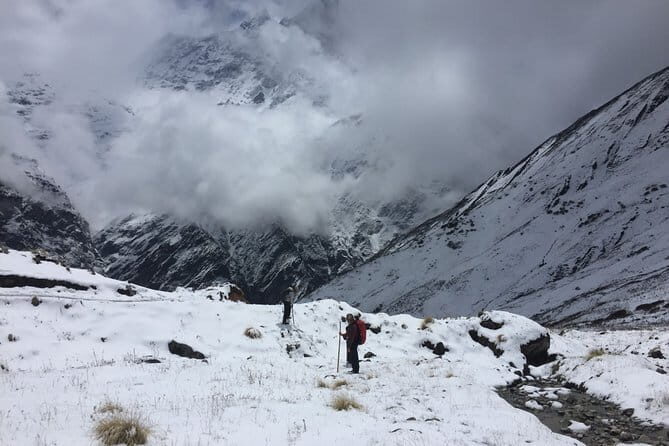
Day 4: Toward the highlight approach under Annapurna South
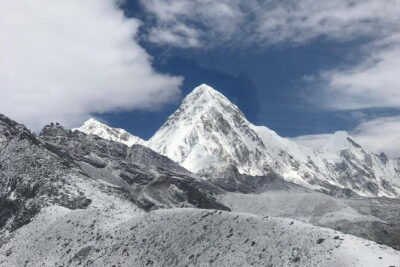
On Day 4, your hike moves close to a key highlight area. The trail passes near Himalaya Hotel, located next to large Hinko cave, beneath Annapurna South and Hiunchuli peaks. After that, the route leads downhill near the base camp approach area.
This is a big shift day. When you’re under these peaks, the mountains stop being distant shapes and start becoming “the scale you’re working against.”
Consideration: you’ll want to keep a steady pace, especially if you’re the type who overdoes it early hoping for an early view. The mountain will be there later; your body needs consistency.
Annapurna Base Camp Day: The Sunrise-Style Payoff and the Six-Hour Trek Moment
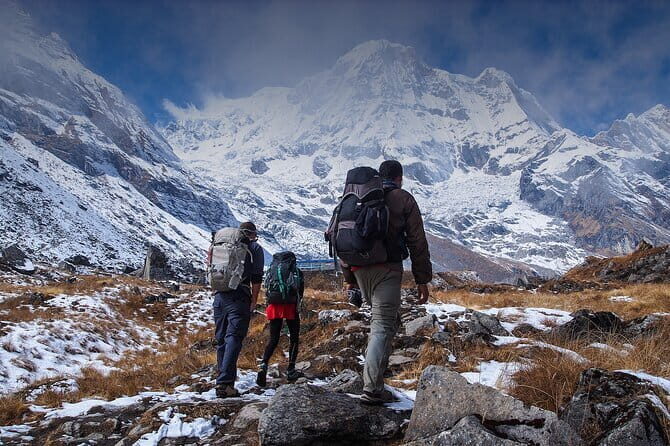
Day 5: Annapurna Base Camp and the return descent plan
Day 5 is the big one: you’ll enjoy pleasant scenic time at Annapurna base camp. The plan includes a long walk of around six hours for the next movement, heading downhill with short ups to reach at bamboo again, back into tall tree lines and lush vegetation (as the trek eases after the peak moment).
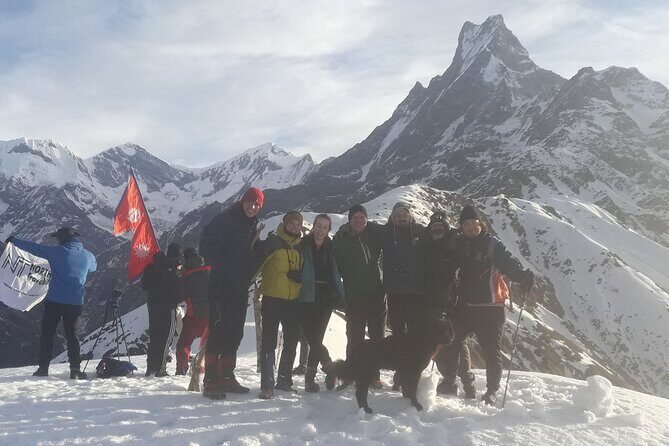
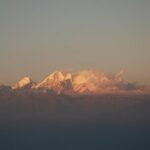
This is where the trek earns its reputation. It’s not only the base camp arrival; it’s the feeling that you stayed steady through the build-up days. The overview also points to sunrise views from base camp as a memorable moment, and that’s the kind of timing where a guided schedule helps. You’re not guessing what time to move; you’re following a plan designed around conditions.
What I like for you here: a guide who understands the flow means you can spend more time actually seeing, and less time figuring out logistics with cold hands and tired legs.
Possible drawback: after the base camp moment, the descent is still walking. Have your hydration and energy habits ready so you don’t fade too early.
Jhinu Danda Hot Spring and the Final Trek into Pokhara
Day 6: Back via Chhomrong, then out toward Jhinu Danda
Day 6 brings you back with ups and downs toward Chhomrong. Then the route diverts onto a new trail to reach Jhinu, located on a ridge with grand scenery of the surrounding area. This day ends at Jhinu Danda, known for the hot spring stop.
This is a classic “recover while moving” day. Hot springs are not a substitute for sleep, but they can help you feel human again after several days of pounding your feet on trail.
Day 7: Siwai trek and the return drive to Pokhara
On your last day, you trek toward Siwai for about 4 hours, then you drive to Pokhara for about 2 hours. The plan includes a morning pleasant walk downhill within low and warm farm areas, plus a scenic drive into Pokhara.
I like finishing this trek with travel time built in. It gives you a natural landing after the trail, and it keeps your end-of-trip stress low.
What to Expect Day-to-Day: Meals, Lodging, and Comfort Tradeoffs
You’ll have breakfast, lunch, and dinner during the trek, which matters more than it sounds. On a trek like this, consistent meals reduce mental load: you know you’ll be taken care of, and you’re not hunting for snacks every few hours. Seasonal fruits are included, which is a nice detail when your appetite gets weird from altitude and exertion (not a promise, but often how people feel on multi-day hikes).
Accommodation is included for trekking nights. That usually means lodge-style rooms along the route, so your main comfort variables are: heat at night, noise level, and how much you can charge or wash up. Hot water and showers aren’t included, so if hygiene is important to you, plan for basic wash-ups and remember that recharging and shower access may cost extra.
Weather and Timing: Why Flex Matters on an Annapurna Trek
This experience requires good weather. That’s not a casual line; it means the plan depends on conditions. If weather turns, the trek may be offered on a different date or refunded. In practical terms, pack smart for variable mountain weather, and don’t plan a tight schedule immediately after your trek.
Also note the start time and the early planning vibe. The trek runs on a schedule, and that’s a good thing—most discomfort comes from uncertainty, not walking itself.
Who This Trek Is Best For
This is best for you if:
- you want a moderate trekking experience with a licensed guide and included permits
- you like classic Annapurna village culture as part of the trek, not just end-point selfies
- you’d rather pay for coordination than spend your energy managing route pieces
- you value friendly, attentive guides (Suraj, Anos, Laku show up often in feedback)
It may be less ideal if:
- you’re sensitive to very early starts and want a later wake-up pace
- you don’t want to budget for personal items like bottled water and recharges
- you need fully private logistics with no shared group setup (even though the activity is described as private, confirm how groups are handled)
Should You Book This Annapurna Base Camp Trek?
Yes, if you want smooth, full-service guidance that keeps your day-to-day stress low and your focus on the trail. The permits, meals, guide support, and classic route stops make this a strong “value plus” option at $699.67, especially compared to the hidden hassle of arranging guide and paperwork separately.
I’d book with a quick checklist first: confirm how pickup works for your hotel, ask whether your dates are truly private or run as small shared groups, and clarify what you’ll pay for on the ground (hot water, shower access, bottled water, charging). Do that, and you’ll be set up for the best part: walking into the Annapurna sanctuary and standing in the base camp sunrise moment with everything already handled around you.
FAQ
What is the meeting time for the Annapurna Base Camp trek?
The meeting start time is 4:45am.
Where does the trek start?
The trek starts from Nayapul.
What is included in the price?
Included are three meals a day during the trek (breakfast, lunch, dinner), a government licensed mountain guide, ACAP (Annapurna permit) and the TIMS card, ground transportation related to the route, 7 night accommodation on the trek, and seasonal fruits.
Are pickup services available?
Pickup is offered.
What is not included in the package?
Not included are travel and rescue insurance, bar bills, phone call costs, laundry, battery recharge, bottled water, hot water, shower, and tips for the guide.
How long is the trek?
It’s listed as 7 days (approx.).
Do I need good weather for this experience?
Yes. The experience requires good weather. If it’s canceled due to poor weather, you’ll be offered a different date or a full refund.
Can I cancel for a refund?
Yes. Free cancellation is available up to 24 hours in advance of the experience start time for a full refund.
Is a service animal allowed?
Yes, service animals are allowed.
Which operator runs this Annapurna Base Camp trek?
The provider is Nepal High Trek & Expedition Pvt. Ltd.