REVIEW · KATHMANDU
Everest Base Camp Trekking – 13 Day
Book on Viator →Operated by Trekking Planner Nepal · Bookable on Viator
Everest Base Camp, minus the guesswork. You get flights to Lukla and back, and a private setup that lets you personalize the trek, so you spend your energy on walking (not logistics). One thing to consider: if you want a solo departure, there’s a USD 150 single surcharge unless you join an existing group.
I like that the trek is set up around real mountain rhythm: trailside lodges each night, and meals planned so you’re not constantly negotiating what and where to eat. You’ll still hike hard, but it’s a calmer kind of hard because someone else handles the moving parts—permits, timing, and the daily plan. The good news: past trekkers highlight guides who manage time closely and brief the next day clearly, like Milan, Dibash, and Achyut Mishra.
You should go into this with moderate fitness and a willingness to dress for all kinds of weather. The itinerary includes acclimatization days, and it also puts you in the zone where acute mountain sickness is a serious concern, so pacing matters.
In This Review
- Key things that make this trek work
- What you’re really paying for: logistics, altitude pacing, and fewer headaches
- Day 1 in Kathmandu: airport welcome and a no-drama start
- Day 2: the Lukla flight day that sets your whole tone
- Days 3 and 4: along the Dudh Koshi to Namche Bazaar, plus a real rest day
- Day 5: climbing out of Namche through forest country (and why that matters)
- Day 6: Tengboche sunrise/sunset energy, then down toward Deboche
- Day 7: Dingboche acclimatization with short hikes to higher altitudes
- Day 8: grazing areas, chortens, and the lead-in to higher country
- Day 9: heading to Everest Base Camp from Lobuche (and respecting altitude)
- Day 10: Kala Patthar before the descent (a morning with a purpose)
- Days 11 and 12: coming back down to Namche and riding the Dudh Koshi again
- Day 13: back to Kathmandu by early flight, with weather in the mix
- Guides, porters, and the kind of support that keeps things calm
- Price, inclusions, and what you still need to plan yourself
- Packing list: bring the mountain items, not the baggage guilt
- Who this trek fits best (and who should think twice)
- Should you book this Everest Base Camp Trek (13 days)?
- FAQ
- Is pickup offered in Kathmandu?
- Are flights included?
- What meals are included during the trek?
- Does the trek include permits and park fees?
- What’s the fitness level required?
- Can I cancel and get a full refund?
Key things that make this trek work
- Flights included: Kathmandu ↔ Lukla ↔ Kathmandu, including airport departure tax
- Meals and trailside lodges: dinner and breakfast are built in on the trekking days
- Private treks with flexibility: your group runs the show, with some room to personalize
- Acclimatization built into the schedule: rest days with short hikes in Namche and Dingboche
- Time management from the guide: daily itineraries and sunset timing are actively planned
- Logistics handled end-to-end: you’re met in Kathmandu and escorted through the first steps
What you’re really paying for: logistics, altitude pacing, and fewer headaches
At USD 1,399 per person, this Everest Base Camp trek is priced for people who want the trip to feel organized from door to door. You’re not just paying for hiking views—you’re paying for the hard parts: arranging the Lukla flights, covering national park entry and TIMS, setting up trailside lodge stays, and keeping your days structured enough to manage altitude safely.
It’s also “private” in the practical sense: only your group participates. That matters because private usually means less waiting around and more control over pacing and small adjustments.
Value gets even better if your group qualifies for discounts (groups, families, honeymooners). And if you’re traveling solo, check the detail that solo departures can come with a USD 150 surcharge if you’re not joining an existing group.
You can also read our reviews of more hiking tours in Kathmandu


Day 1 in Kathmandu: airport welcome and a no-drama start
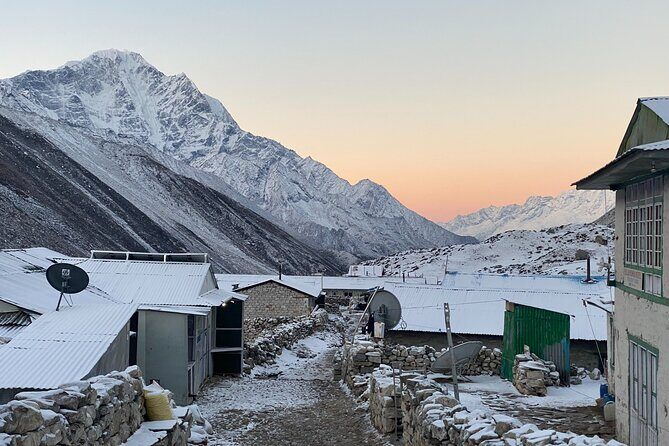
You arrive at Tribhuvan International Airport in Kathmandu, and a representative meets you and escorts you to the hotel. The day is about handling the formalities at customs, getting your bearings, and setting yourself up for an early start.
This is one of those underrated moments where “easy” makes the difference. A smooth arrival helps you sleep better, charge devices, and get your gear sorted before you head to Lukla.
Day 2: the Lukla flight day that sets your whole tone
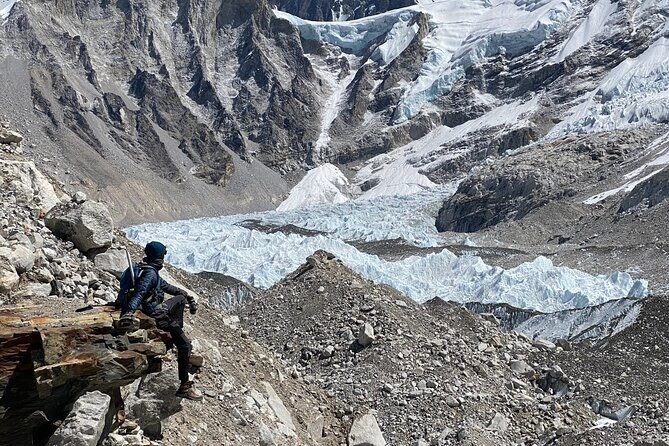
After a day of organizing your equipment and packing, you leave early for Lukla, led by your trekking guide. The flight itself is part of the package, and the trek begins from Lukla—the gateway to the Everest region.
Here’s the practical mindset: treat this as a warm-up for the kind of scheduling you’ll see later. Early starts, strict time windows, and small weather changes can shift plans—this trek is designed around that reality.
One detail I appreciate is that the package explicitly covers Kathmandu to Lukla to Kathmandu flights (with airport departure tax). That cuts down on the usual stress of chasing flight changes right before you depart.
Days 3 and 4: along the Dudh Koshi to Namche Bazaar, plus a real rest day
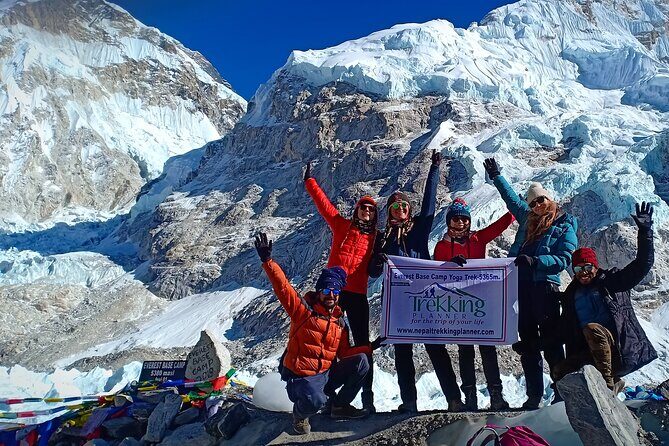
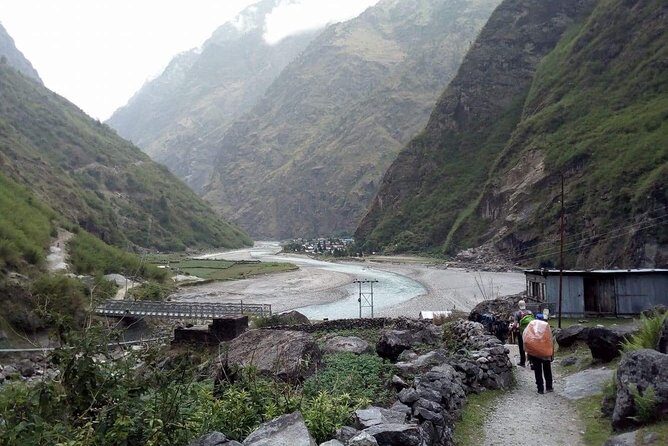
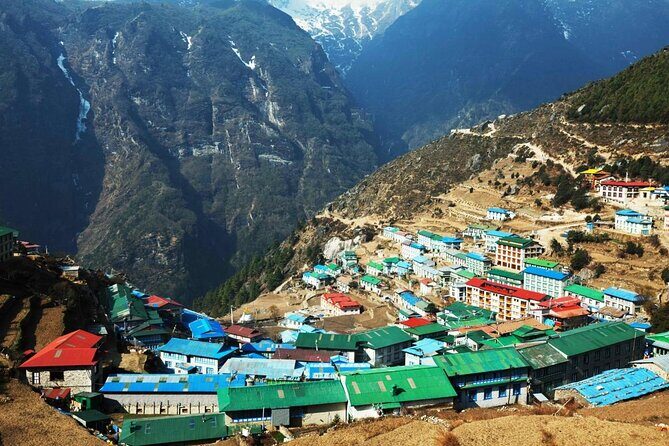
Your hiking moves you along the Dudh Koshi River toward Namche Bazaar, described as an ancient trading hub. Early on, you’ll get the first mountain views, and the trail includes suspension bridges, which add that classic Khumbu feeling of “how is this real life?”
Then you hit Namche Bazaar and you don’t rush right past it. Day 4 is a rest and acclimatization day, which is exactly what you want before you go higher. You can browse shops and enjoy the town’s lively vibe; the schedule is built to help you acclimatize faster rather than turning day 4 into another grind.
A quick practical note: Namche is where you’ll feel the altitude “in your body,” even if you’re not doing a long hike. This is a great day to slow down, hydrate, and keep your breathing calm. Your guide’s pacing decisions later in the trek will matter more than your ambition.
Day 5: climbing out of Namche through forest country (and why that matters)
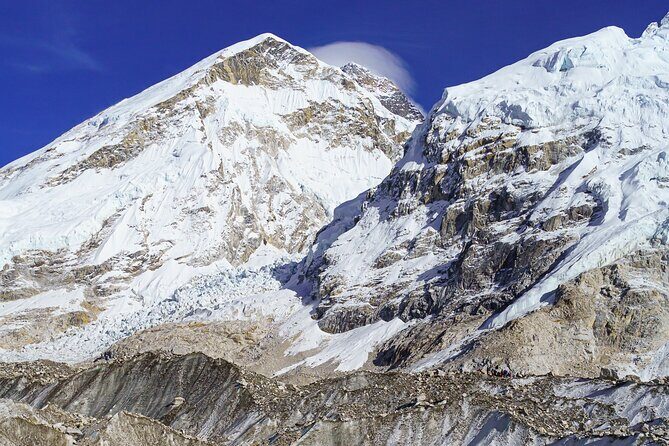
On day 5, the trek starts with a short but steep climb out of Namche Bazaar. After that, you move onto a fairly leveled stretch toward Kenjoma and Sanasa, passing through dense forest areas.
This day is useful because it’s not just about distance—it’s about learning how your body handles effort after you’ve been resting. Short steep climbs at altitude can feel harder than you expect, so having a guide-led plan keeps it from turning into a frantic self-timed scramble.
If you’re the type who walks fast and talks even faster, day 5 is where you’ll need to switch gears. The most successful trekkers keep an easy pace and let the scenery come to them.





Day 6: Tengboche sunrise/sunset energy, then down toward Deboche
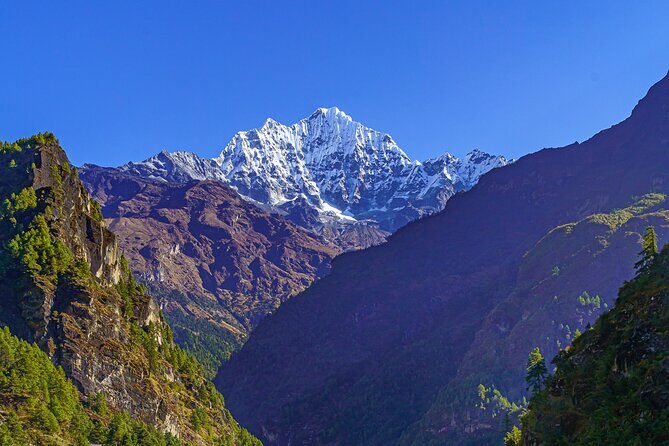
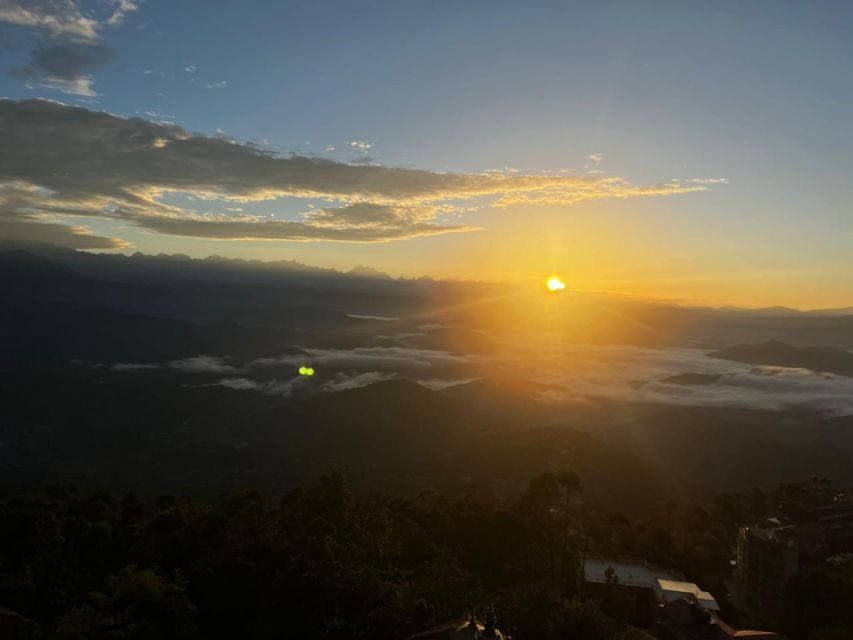
Day 6 includes the famous “sunrise and sunset” feel from Tengboche before moving toward Dingboche. The route described includes leaving that viewpoint energy and traveling through forest, then descending to Deboche.
This is a day with built-in up-and-down. Even when the schedule sounds straightforward, your legs can feel it because you’re constantly negotiating altitude plus trail profile.
If you want a practical strategy: keep your day pack light, use trekking poles if you have them, and don’t assume your lungs will behave like they do at home. The guide helps with pace, and the itinerary’s structure supports gradual progress.
Day 7: Dingboche acclimatization with short hikes to higher altitudes
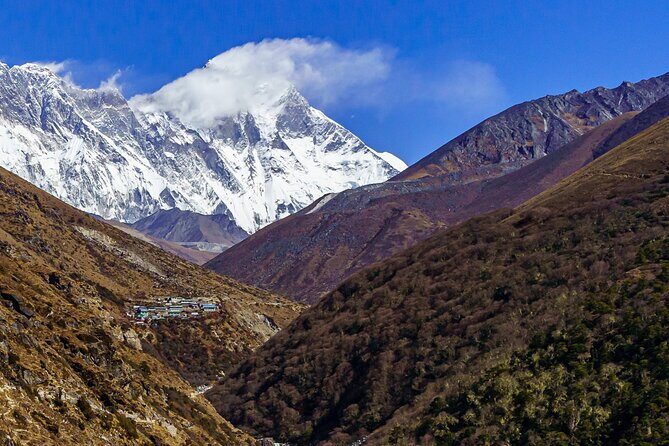
Day 7 is another rest and acclimatization day, focused on helping you adapt before you push higher. The plan includes short hikes to higher altitudes so your body gets used to being up there, then you recover.
This is where the trek shows it understands mountain reality. Everest Base Camp isn’t just a “show up and walk” experience—it’s a health-and-habits experience. If you rush these acclimatization days, you can make future days harder on yourself.
The good part: the itinerary doesn’t treat rest as optional. It treats it as training.
Day 8: grazing areas, chortens, and the lead-in to higher country
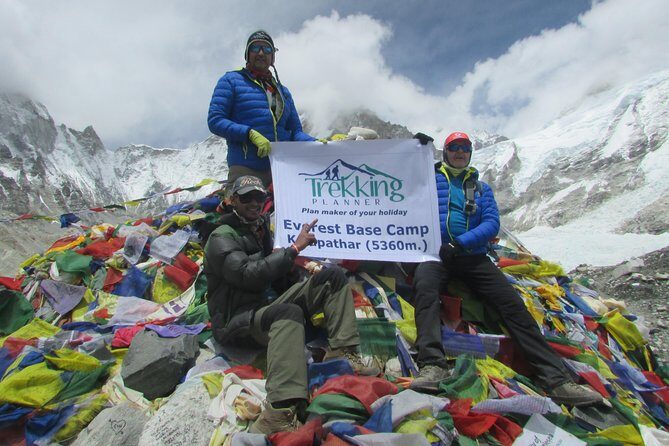
On day 8, you start with a gradual ascent from Dingboche. The route includes grazing areas of cattle and views to the mountains, plus passes by chortens and mani walls.
This day is a bridge between the acclimatization phase and the push toward Everest Base Camp. The pace is set up to keep you moving upward without turning every step into a test.
It’s also a good day for mental settling. You’re moving deeper into the Khumbu region, and the trail details—religious markers and valley life—help you notice you’re not just climbing; you’re traveling through a living place.
Day 9: heading to Everest Base Camp from Lobuche (and respecting altitude)
Day 9 is the one you’ve been saving energy for: the trek to Everest Base Camp. It notes the need to be careful with acute mountain sickness and to trek accordingly.
You begin early from Lobuche and follow a schedule that expects you to manage effort and altitude risk. That warning matters. Even if you feel fine at lower elevations, conditions change quickly higher up.
The best approach is boring in the right way: keep steady pace, drink water, eat what’s available, and don’t treat symptoms as a personal challenge. Guides know how to read the situation, and the itinerary’s design is meant to keep you moving safely rather than heroically.
Day 10: Kala Patthar before the descent (a morning with a purpose)
Day 10 is built around a classic reward: Kala Patthar before returning to lower altitudes. The day also includes getting your equipment ready before heading out in the morning—so you’re not fumbling gear while you’re also trying to climb and breathe.
If you want one takeaway from this day, it’s this: the trek isn’t only about reaching Base Camp. It’s about timing and sunrise-type energy at high points, then knowing when to step back down.
Kala Patthar is also a moment where your planning pays off. If you’re prepared, you can focus on views and the feeling of altitude rather than cold panic and gear problems.
Days 11 and 12: coming back down to Namche and riding the Dudh Koshi again
Day 11 takes you from the vicinity of Everest, departing Periche and heading back toward Namche Bazaar. This is mostly downhill trek, and you’ll be alongside the Dudh Koshi River again—so the trail shifts from high-effort climbs to longer stretches of controlled descent.
Downhill can be tough on knees, even when you feel mentally relieved. Take it slow, use the right footwear, and keep your stride short. This is a day where being “fit” isn’t the only factor; being efficient matters.
Day 12 continues the return and describes a steep trail out of Namche Bazaar down to the riverbed at a confluence of the Dudh Koshi. It’s the last big hiking chapter of the trip, so this is where you finish strong without burning yourself out.
Day 13: back to Kathmandu by early flight, with weather in the mix
On day 13, you return to Kathmandu after your stay in the Khumbu (Everest) region. The flight starts early, and the plan notes that weather-related disturbances during the day can affect the timing.
This is another place where the trek’s “handled for you” design helps. In mountain travel, weather doesn’t ask permission. A structured plan with flight timing built in gives you a better shot at smooth transitions.
Once you land, you’ll likely feel that mix of relief and aftershock. Many people find that walking downhill all day doesn’t fully prepare you for the emotional hit of ending the trek.
Guides, porters, and the kind of support that keeps things calm
The strongest pattern in the feedback is how seriously guides take pace, clarity, and problem-solving. Milan is noted for explaining the next day’s itinerary in advance and even estimating walking times based on your physical ability. Another common highlight is time management, finishing daily treks on schedule, and planning around sunset timing.
Guides named in the process—Dibash, Achyut Mishra (Achyute), Ratna, and Avi—come up because the experience depends on good judgment. At altitude, that judgment is practical: how you set pace, when you push, and when you take it easier.
There’s also a human logistics side. A porter like Ganesh bringing luggage forward every day can make the difference between enjoying the trek and feeling like you’re carrying your whole life up the mountain.
Price, inclusions, and what you still need to plan yourself
Here’s how the included pieces shape the value:
Included
- National park entrance fee and TIMS card (Trekkers’ Information Management System)
- Kathmandu ↔ Lukla ↔ Kathmandu flights with airport departure tax
- Meals on trekking days (lunch, dinner, breakfast as specified)
- All applicable government and local taxes tied to the itinerary
Not included
- Alcoholic drinks (buyable along the way) and meals in Kathmandu
- Personal expenses like phone calls, battery recharge, and bar bills
- Personal travel and health insurance, including helicopter evacuation insurance
- Food and drinks unless specified, plus your Nepal visa fees
That last part is important: altitude travel is where insurance matters most. The trek provides the route and support, but it doesn’t replace your responsibility to be covered for emergencies.
Packing list: bring the mountain items, not the baggage guilt
The trek includes a complimentary duffel/trekking planner bag (returned after the trip), plus you’ll want a day pack around 25–40 liters. Beyond that, the gear list is clear-cut and mountain-specific.
You’ll be expected to bring trekking shoes, a warm woolen cap, a warm fleece or puffy jacket, and a waterproof layer (Gore-Tex style). A raincoat also fits the “all weather conditions” reality, because the trek operates regardless of conditions and you have to dress properly.
For smaller items, the checklist includes:
- Good socks (4–5 pairs)
- Sun hat/cap and warm gloves
- A flashlight or torch
- Toiletries and a small hand towel
- Toilet paper (you can buy lower quality paper along the route)
- A 1-liter water bottle set (the guide suggests 2 bottles)
Also think about clothing you can layer: trekking trousers, warm top layers, and non-cotton underwear are listed as part of the preparation.
The most practical mindset is to pack for staying warm and dry, then pack for comfort, then pack for weight. You don’t need fashion. You need function.
Who this trek fits best (and who should think twice)
This works well for people with moderate physical fitness who want a guided, structured Everest Base Camp experience with the logistics taken care of. If you like clear daily plans, you’ll probably appreciate the way guides brief itinerary details and manage timing.
It also makes sense if you want private operation rather than a large shared group. You’ll only trek with your group, and private treks are described as allowing personalization.
Think twice if you’re trying to wing the acclimatization side. This itinerary includes rest and acclimatization days, but it still puts you on the path toward a high-altitude destination. If you hate adjusting pace and listening to your body, you might find the mountain’s demands frustrating.
Should you book this Everest Base Camp Trek (13 days)?
If you want Everest Base Camp without turning the trip into a project, I’d say yes. Flights, lodge stays, meals during trekking days, permits, and daily guidance are handled so you can focus on the trail and altitude habits.
I’d book it especially if you value time management and clear guidance. The recurring highlights about guides like Milan and Dibash suggest you’ll get a plan you can trust, not just a leader who says good luck and waves from the rear.
Book with eyes open about two things: weather can affect flight timing on the return, and solo departures may cost extra. If you can handle those realities, this is a solid, high-value way to do Everest Base Camp with less stress and more actual trekking.
FAQ
Is pickup offered in Kathmandu?
The tour features mention pickup is offered, and you’re also met at Tribhuwan International Airport in Kathmandu with an escort to the hotel after customs.
Are flights included?
Yes. Flights from Kathmandu to Lukla and back to Kathmandu are included, along with airport departure tax.
What meals are included during the trek?
The package includes lunch on 11, dinner on 12, and breakfast on 12, as listed in the included items. Meals in Kathmandu are not included.
Does the trek include permits and park fees?
Yes. National park entrance fees and the TIMS card are included.
What’s the fitness level required?
Travelers should have a moderate physical fitness level.
Can I cancel and get a full refund?
Yes. You can cancel up to 24 hours in advance of the experience start time for a full refund. If you cancel less than 24 hours before, the amount paid will not be refunded.