REVIEW · KATHMANDU
Everest Base Camp Trek
Book on Viator →Operated by Mosaic Adventure · Bookable on Viator
World’s highest door is a long walk. This Everest Base Camp trek turns that dream into a structured hike with round-trip flights to Lukla and a guide-led route through the Khumbu. What I like most is how the days are spaced for altitude, not just miles.
I also like that your time on the trail comes with accommodation and meals included, plus trekking permits handled for you. The one big drawback to plan around: it’s not a casual stroll, and travel insurance plus a porter (and tipping) are not included, so you’ll want money and fitness prepared for high-altitude trekking.
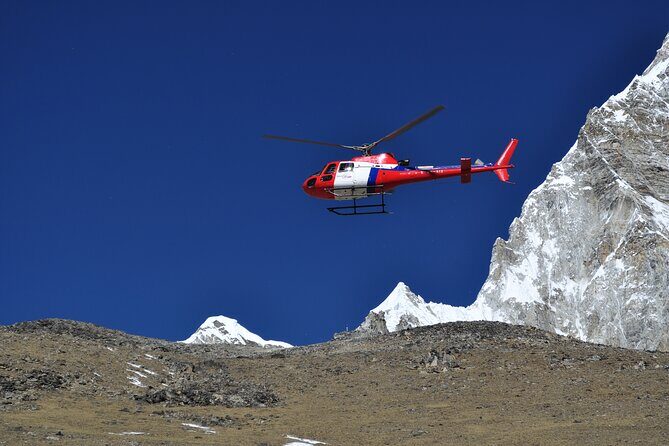
Included Lukla flights cut the stress of the hardest part
Meals and lodge stays on the trek remove daily logistics work
Acclimatization days in Namche and Dingboche are built into the rhythm
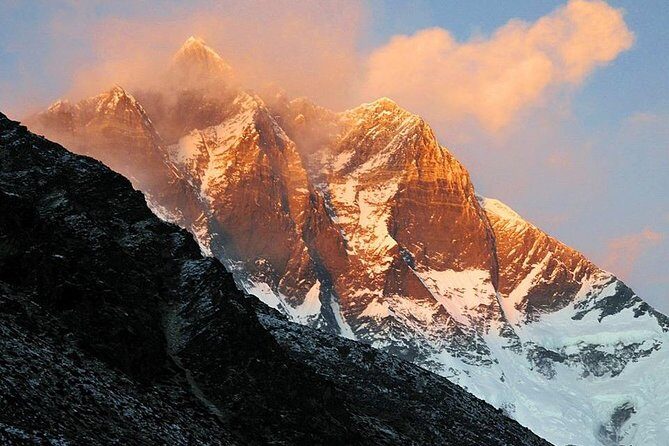
Kalapatthar hike is the classic payoff day for big Everest views
Max group size is small, which usually means easier pacing with your guide
In This Review
- Kathmandu to Lukla: that 5:15 am start and why it matters
- Lukla to Phakding, then Namche Bazaar: your first checkpoints of the Khumbu
- Namche acclimatization plus Everest View Hotel and monastery day
- Dingboche and Lobuche: building altitude strength without forcing it
- Everest Base Camp plus Gorakshep, then Kalapatthar’s big payoff
- Pheriche to Namche and Lukla: retracing the trail without losing your head
- Price and logistics: what your $1,445 buys you (and what it doesn’t)
- Who should choose this Everest Base Camp trek
- Should you book Everest Base Camp with Mosaic Adventure?
- FAQ
- What time is the meeting point on trek start day?
- Are flights between Kathmandu and Lukla included?
- Are meals and accommodation included on the trek?
- Are trekking permits included?
- What group size is this trek limited to?
- What is not included in the tour price?
- What passport information is required for booking?
- Can I request special dietary requirements?
- Can I cancel for a partial refund?
Kathmandu to Lukla: that 5:15 am start and why it matters
Your trek begins in Kathmandu, with a meeting time of 5:15 am. That early start isn’t just for convenience; it’s how you line up the short flight hop to Lukla so the first walking day happens while conditions are still reasonable.
On this kind of trek, timing becomes your friend. When you’re heading toward altitude and weather, you don’t want to scramble after breakfast. I like that this tour clearly expects you to show up ready to go, and then the plan takes over.
You’ll fly to Lukla first, then walk your way toward the first overnight base in the Khumbu region. Day 1 ends up feeling like a warm-up that still does its job: you’re moving, you’re breathing harder than at sea level, and you’re learning how your legs behave when the air thins.
Lukla to Phakding, then Namche Bazaar: your first checkpoints of the Khumbu
After landing in Lukla, you start Day 1 with a walk toward Phakding, with about 3.5 hours of hiking. It’s a practical opener: far enough into the hills to feel like you’re really in the trek, not so far that you burn out before acclimatization even begins.
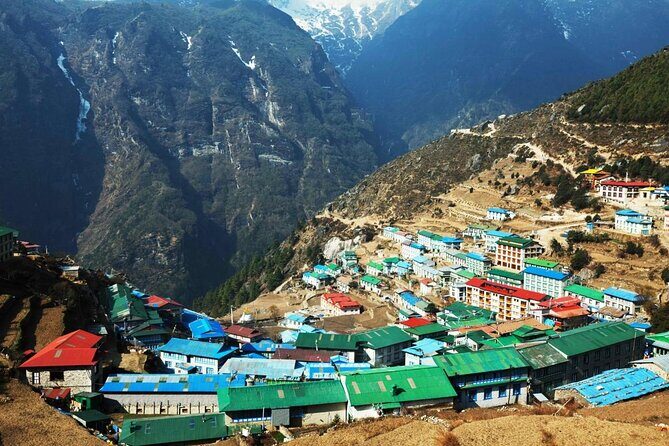
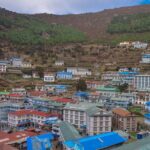
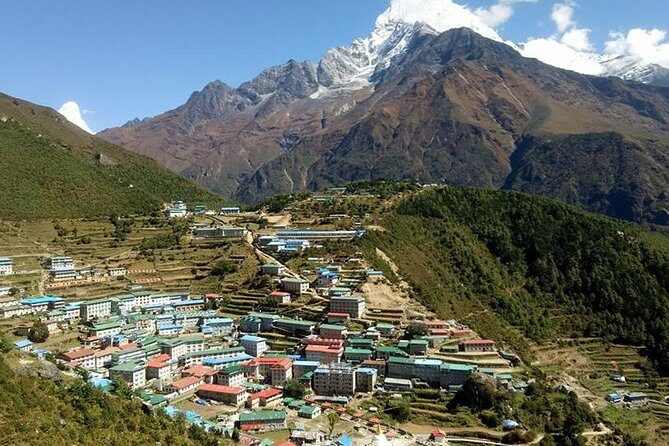
Day 2 is the real “okay, this is Nepal, not a treadmill” day. You hike toward Namche Bazaar for about 8 hours, with terrain that can feel rocky and dirty and a lot of the day moving mostly uphill. Namche is colorful and lively compared to what you’ll see later, but it’s also where the trek starts to feel more serious because altitude starts stacking up.
This is the day to respect your pace. If you try to win the climb, you’ll pay for it later. If you move steady and keep stops short and frequent, you’ll arrive with enough energy to actually enjoy Namche and settle in.
You can also read our reviews of more hiking tours in Kathmandu
Namche acclimatization plus Everest View Hotel and monastery day
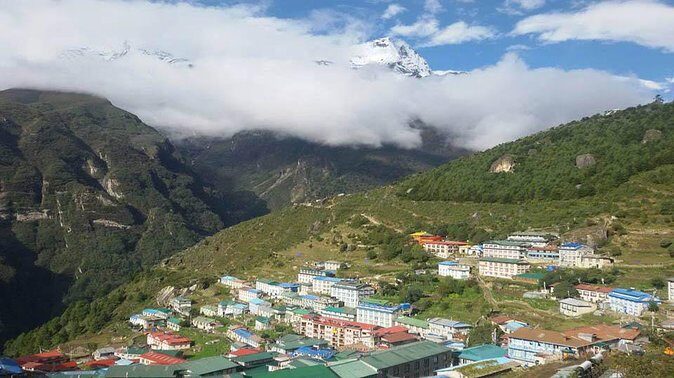
Day 3 is your acclimatization day around Namche Bazaar, and it includes a visit to the Everest View Hotel area. This is a smart design choice. Instead of pushing higher every single day, you get to gain elevation gradually and let your body catch up before the route climbs further.
Day 4 adds a different kind of high-altitude break: a trip to a monastery. This matters more than it sounds. When you’re hiking at altitude, you’ll appreciate a calmer day where the goal is perspective, not effort. It’s also a nice change of pace after the climbing rhythm of the first two days.
What you’re really doing on Days 3 and 4 is setting up your “later days” mindset. By now, you’ll understand your breathing pattern and what pace feels sustainable. That makes the next segment—toward Dingboche and beyond—feel less like guessing and more like execution.
Dingboche and Lobuche: building altitude strength without forcing it
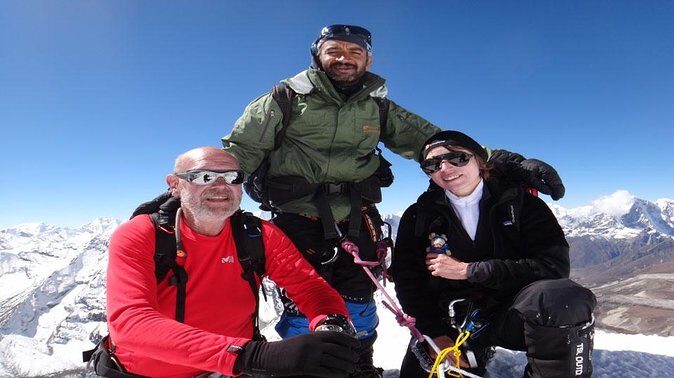
Day 5 takes you from Namche to Dingboche, again around 8 hours of hiking. You’re still walking uphill through big high-country scenery, but now the main challenge is how your body handles thinner air while your muscles keep asking for steady effort.
Day 6 is another acclimatization day, this time around Dingboche with a day trip designed to match increasing altitude. This is exactly the kind of spacing that keeps the trek safer for many fit people. You’re not “resting” so much as practicing how to live at a higher elevation level.
Then Day 7 is the push toward Lobuche. Even if you’re feeling good on paper, Lobuche is one of those places where you’ll likely notice that the trek is now fully in the high-altitude zone. Keep your hydration and sleep routines simple and consistent here. Don’t experiment.
A quiet but important theme from the guide stories: having an experienced leader helps when someone’s pace changes. There’s a track record of guides adjusting plans when altitude symptoms show up, instead of treating the itinerary like a rigid checklist. That kind of flexibility can be the difference between “tough but fine” and “stressful.”
Everest Base Camp plus Gorakshep, then Kalapatthar’s big payoff
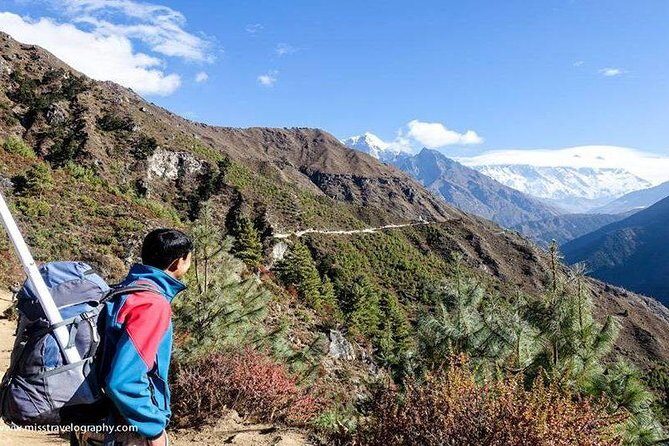
Day 8 is the core dream day: trek to Everest Base Camp and then return to Gorakshep. This day is emotional because it’s the moment you’ve been hiking toward for days. It’s also physically demanding because you’re spending time at high elevation where every effort feels heavier.
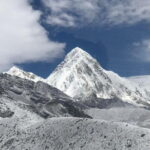
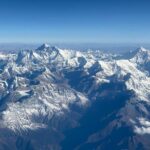
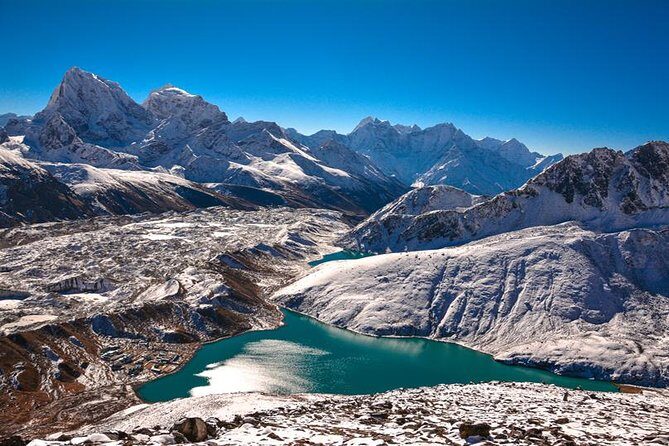
Day 9 is the famous high point for views: a hike to Kalapatthar, followed by trekking to Pheriche. Kalapatthar is the type of day where you wake up earlier than you want to and then walk until the reward feels worth it. Even if you’re not chasing sunrise perfection, you’ll still feel the pull of the Everest panorama once you’re up there.
Then you descend toward Pheriche, which is where the trail shifts from “arrive” to “recover and retrace.” This is also a key psychological moment. If you’ve been holding it together for Everest Base Camp itself, Day 9 gives you another reason to keep going—then brings you back down just enough to make the return days feel more manageable.
Pheriche to Namche and Lukla: retracing the trail without losing your head
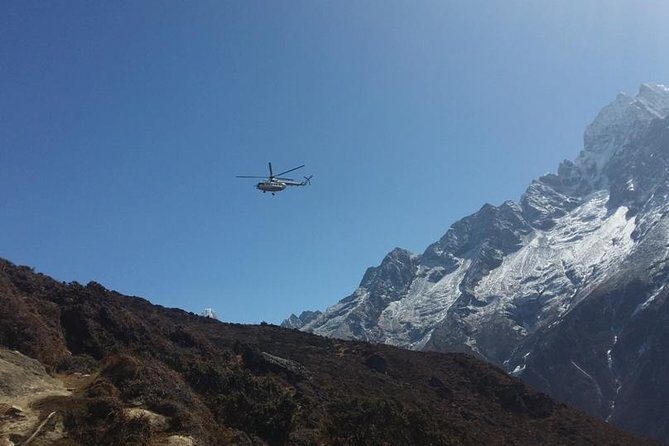
Day 10 takes you back to Namche Bazaar by retracing the same route. This matters because you’re no longer facing brand-new trail surprises—you’re facing the familiar challenge of fatigue. Your knees will feel this more than your lungs do.
Day 11 continues the return all the way back to Lukla. If Day 10 is “mind over blisters,” Day 11 is “keep moving, pack light mentally.” By now you know your routine: eat what you can, hydrate consistently, and don’t let a slow moment turn into a long breakdown.
Day 12 finishes the loop with a fly-back to Kathmandu and transfer to your hotel. You’ll feel it most here: the trek ends, but your body is still processing days of altitude work. It’s a good day for an easy plan—no heroics, just recovery.
Price and logistics: what your $1,445 buys you (and what it doesn’t)
This trek costs $1,445 per person, and the value is mostly in what’s handled for you. You get round-trip flights between Kathmandu and Lukla, accommodation and meals on the trek, and trekking permits arranged in advance. For a trip where logistics can get messy quickly, that bundling matters.
Your food coverage is also clearly set: 11 breakfasts, 11 lunches, and 11 dinners are included. That helps you avoid the daily decisions that add time and uncertainty when you’re already managing breathing, energy, and cold.
You’ll also get pickup offered and a mobile ticket, which tends to reduce the little stress bumps at the start and end of the journey. Plus, the group is capped at 12 people, which usually means you can move at a more human pace instead of getting pulled around by a large crowd.
What’s not included is important to plan early: travel insurance, personal expenses, porter, and tipping. That porter line is a real consideration. Even if you’re fit, you’re carrying less if you hire support, and at altitude fewer loads usually means more leg and mind energy for the trail.
Finally, the trek operates in all weather conditions. That doesn’t mean it will be pleasant; it means you should dress and prepare like conditions will change. Bring layers you trust, not just fashion.
Who should choose this Everest Base Camp trek
This is ideal for fit travelers who’ve prepared for high-altitude trekking. If you already hike regularly and you’re used to your body working under strain, you’ll probably appreciate the balance between hiking days and acclimatization days.
It also suits people who want guided confidence rather than solo navigation. When your route includes acclimatization in Namche and Dingboche and a long push to Lobuche and Base Camp, a good leader helps you stick to pace, adjust when needed, and keep safety as the priority.
The small group size can also be a plus if you like getting to know your hiking rhythm with a few other people instead of spending 12 days in a blur. Stories from guides and leaders tied to this route highlight encouragement, problem-solving, and the ability to respond when altitude hits someone harder than expected.
Should you book Everest Base Camp with Mosaic Adventure?
I think you should book this trek if you want a well-paced Everest Base Camp plan with the practical parts handled: Lukla flights, permits, meals, and on-trek lodging. The structure is designed around acclimatization, and the day-by-day rhythm gives you a real chance to reach Base Camp without rushing yourself into trouble.
You might want to rethink it if you’re not ready for altitude reality or if you haven’t planned for what isn’t included, especially insurance and porter/tipping. Also, if you’re the type who hates early starts, note that the day begins with a 5:15 am meet time.
If you’re mentally prepared for cold mornings, slow uphill effort, and the long return days, this is a strong way to do Everest Base Camp with fewer logistics headaches and more guided support.
FAQ
What time is the meeting point on trek start day?
The tour has a start time of 5:15 am at the meeting point.
Are flights between Kathmandu and Lukla included?
Yes. Round-trip flights from Kathmandu to Lukla are included.
Are meals and accommodation included on the trek?
Yes. Accommodation and meals on the trek are included, including 11 breakfasts, 11 lunches, and 11 dinners.
Are trekking permits included?
Yes. Trekking permits are arranged for you.
What group size is this trek limited to?
The tour has a maximum of 12 travelers, and there is also a minimum of 2 people per booking.
What is not included in the tour price?
Travel insurance, personal expenses, porter, and tipping are not included.
What passport information is required for booking?
You need the passport name, number, expiry, and country for all participants.
Can I request special dietary requirements?
Yes. You should advise any specific dietary requirements at the time of booking.
Can I cancel for a partial refund?
You can cancel up to 6 days in advance for a partial refund. Cancellation changes made less than 6 full days before the experience start time are not accepted, and cancellations less than 2 full days before the start time are not refunded.