REVIEW · KATHMANDU
Everest Base Camp trek- 13 Days
Book on Viator →Operated by Outdoor Himalayan Treks P Ltd. · Bookable on Viator
Everest is close, but it still feels huge. This 13-day trek lines up the classics: the Lukla flight, Sherpa villages, and hard-earned days at high altitude with real trekking pace.
I like that the support is built around people, not just paperwork. You get a licensed English-speaking guide and a porter setup (a strong porter for every 2 travelers, carrying up to 25 kilos), so you can focus on breathing, walking, and enjoying the mountain towns. One thing to consider: you’ll stay in basic tea houses—outside toilets and simple rooms—so comfort is not the main selling point.
In This Review
- Key things that make this Everest Base Camp plan work
- Lukla flight day: the adventure starts before the trail
- Phakding to Namche Bazar: Sherpa villages and the climb that matters
- Acclimatization day: the smartest day on the whole trip
- Tengboche at 3860m: monastery culture and serious mountain views
- The Dingboche pause: your second chance to adjust
- Dingboche to Lobuche: the trail turns stark and the sky gets louder
- Gorak Shep to Everest Base Camp: the high point push
- Kalapatthar sunrise and the return to Pheriche: where tired becomes worth it
- Tengboche to Namche: finishing the circuit without rushing
- Lukla to Kathmandu: the last flight and the last real meal
- Price and value: what $1,300 actually buys you
- What you’ll likely pay extra
- The small comforts and bigger challenges of tea houses
- Guides and support that can save your trip
- Who should choose this Everest Base Camp trek
- Should you book this Everest Base Camp trek?
- FAQ
- What is the start time and meeting point?
- How long is the trek?
- Is pickup offered in Kathmandu?
- Are Kathmandu–Lukla flights included?
- What kind of lodging do you get on the trek?
- Are meals included?
- Do you need permits for this route?
- Is a guide included, and what language do they speak?
- Is there a porter, and how much can they carry?
- Are beverages, WiFi, or hot showers included?
- What happens if the trek is canceled due to weather?
Key things that make this Everest Base Camp plan work
- Licensed, English-speaking guide for navigation, safety, and on-the-ground decisions
- Porter for every 2 travelers, carrying up to 25 kilos to protect your energy
- Real acclimatization days in Namche and Dingboche so you don’t rush altitude
- Tengboche + monastery culture in a classic Everest region stop with big views
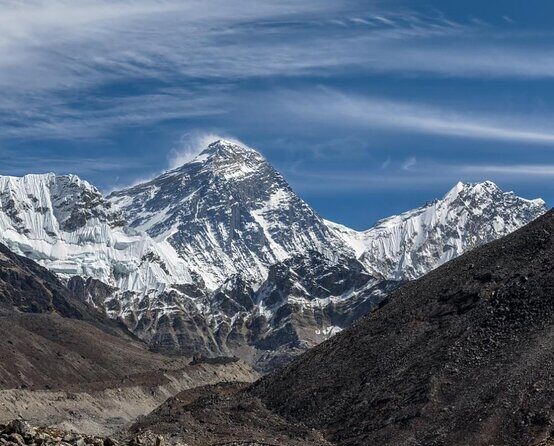
- Gorak Shep to Everest Base Camp and back, then Kalapatthar sunrise for the payoff
- All major permits and flights included, not just the trekking part
Lukla flight day: the adventure starts before the trail
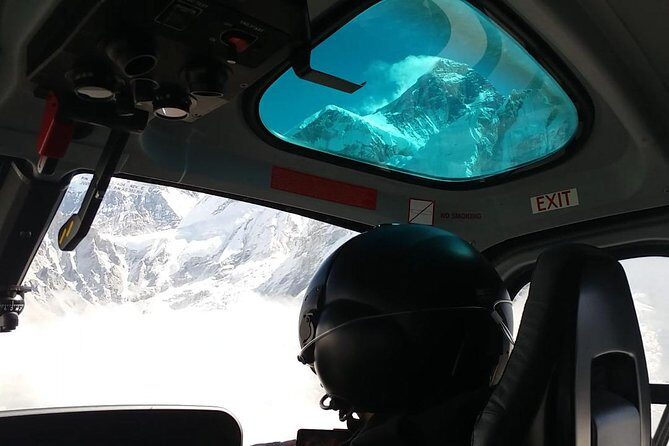
Your trip begins in Kathmandu, then you fly to Lukla (about 30 minutes). Even if you’re expecting a short hop, Lukla’s runway and wind can make it feel like part of the trek already—something you remember the way you remember a roller coaster with a view.
From Lukla, you walk to Phakding (around 4–5 hours). This is where the trek starts teaching you the rhythm: steady uphill when it’s available, short breaks when it’s not, and plenty of chances to get used to the thin air without burning matches.
Practical tip: pack layers you can move fast in at the airport and on the first walking day. The weather can shift fast, and you’ll be sweating early and freezing later.
You can also read our reviews of more hiking tours in Kathmandu


Phakding to Namche Bazar: Sherpa villages and the climb that matters
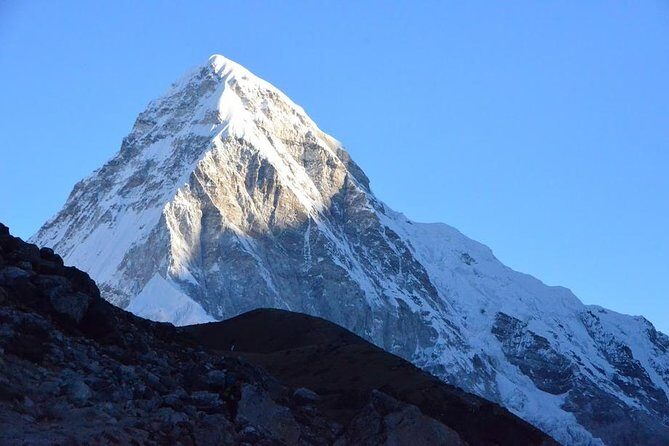
Day two is a long one (6–7 hours) from Phakding up to Namche Bazar (3440m). Namche is the gateway town, and it feels like a hub: bakeries, shops, tea houses, and locals moving with confidence in the altitude you’re still getting used to.
The route also gives you the kind of “small moments” people come back for—hanging bridges over river gorges, stone-and-stupa views, and crosswinds that remind you you’re not in Kansas anymore. This is also a good day for your trekking legs to start locking into a cadence.
Why Namche is a big deal: it’s more than a stop. It’s where you start learning what altitude logistics feel like—pace, water management, and how to keep meals simple and consistent.
Acclimatization day: the smartest day on the whole trip
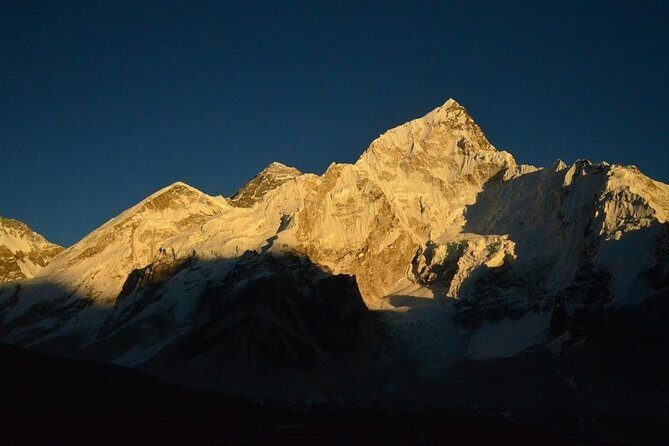
You get an acclimatization day in Namche (Day 3). That’s not extra fluff. It’s the difference between feeling okay and feeling wrecked later.
In practice, acclimatization days usually mean gentle movement plus time to rest in Namche’s comfort zone. You get the chance to observe how your body responds—headache, sleep quality, appetite—before you go higher.
What I like about this structure: it keeps you in control. You’re not guessing. You’re adjusting while you still have room to recover.
Tengboche at 3860m: monastery culture and serious mountain views
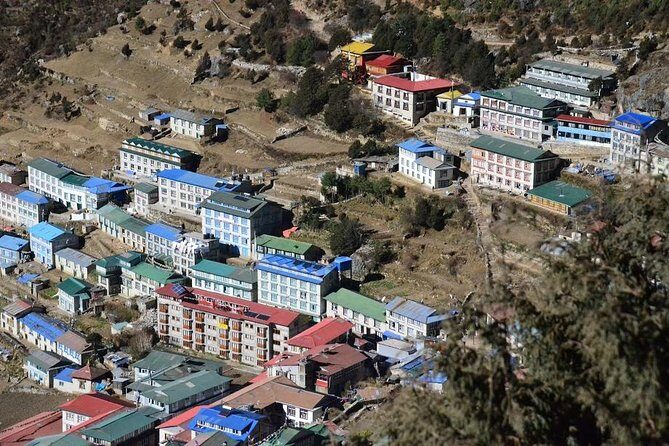
Day four is Namche to Tengboche (5–6 hours). Tengboche sits at 3860m and is famous for its monastery, a site with 350+ years of history. Even if you don’t memorize dates, you feel the atmosphere: prayer flags, quiet corners, and the sense that this is a living place, not a photo stop.
This is also where the “Everest region look” gets real—views that make the rest of your day feel lighter, even when your legs are talking back. The area is also linked with the Hotel Everest View concept, a high-altitude hotel that often draws trekkers because of location and sightlines. If your schedule allows time in that orbit, it can add a different perspective without changing the core trekking day.
Consideration: Tengboche is higher, so the cold can be sharp in the shade. If your body runs cold, plan to layer early.
The Dingboche pause: your second chance to adjust
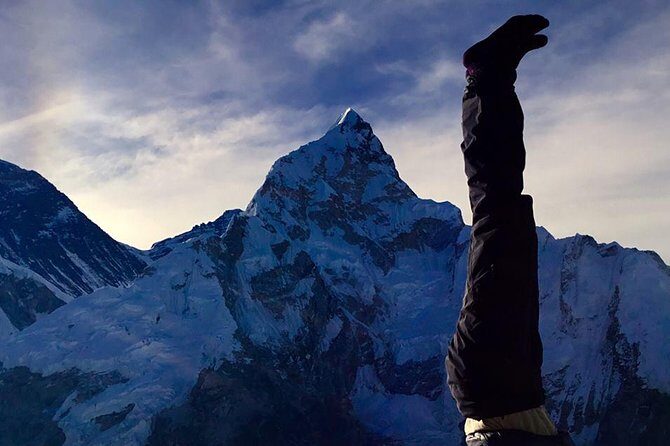
After Tengboche, your next stretch takes you toward Dingboche. The plan includes Dingboche (Day 5) and then another acclimatization day in Dingboche (Day 6).
Dingboche is a higher staging point where the air feels thinner and the days get more reflective. Acclimatization here tends to be about making it through the day comfortably—walking without sprinting, eating regularly, and allowing your sleep to stabilize.
Why I’d never cut these days: altitude illness is not the place to test toughness. The schedule is built to help you make it to the high point days with enough energy for the views.






Dingboche to Lobuche: the trail turns stark and the sky gets louder
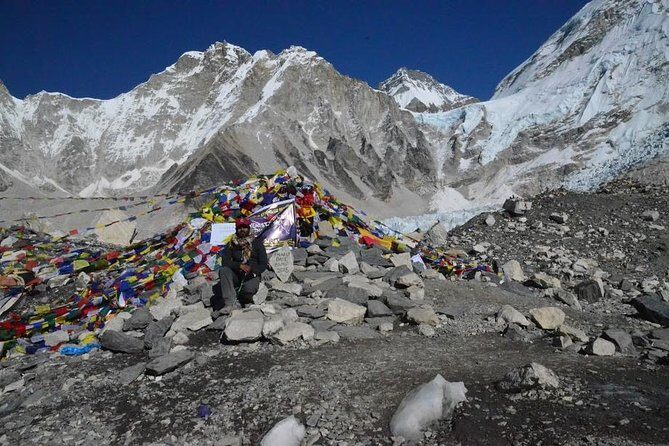
Day seven goes from Dingboche to Lobuche. It’s a transition day—bigger elevation, fewer trees, colder air. Lobuche itself is another gear shift: less greenery, more stone, and a landscape that feels both harsh and open.
You’ll start noticing how small your “comfort margins” become here. Your water feels more important. Your pace becomes more deliberate. Even your thoughts can slow down as your body works.
Gorak Shep to Everest Base Camp: the high point push
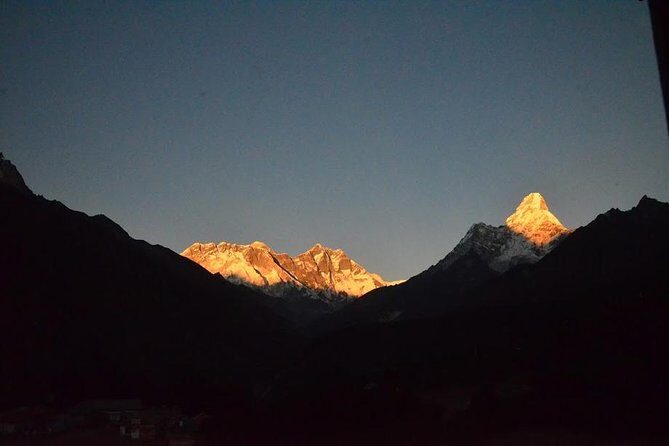
Day eight is the big one: Lobuche to Gorak Shep, then onward to Everest Base Camp and back to Gorak Shep. This is usually the day you treat like a mission—early start, clear focus, and the understanding that you’re going to earn every step.
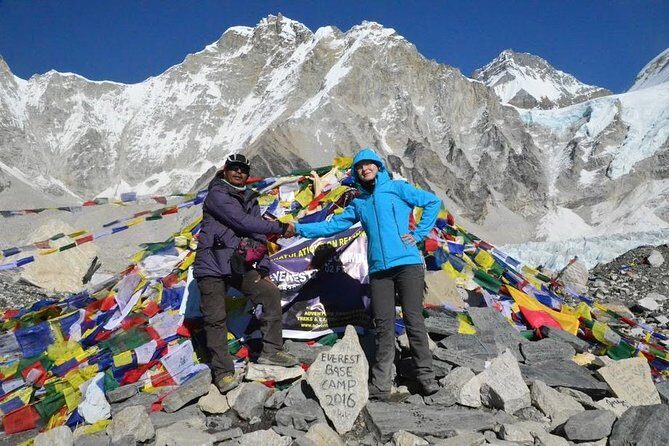
Gorak Shep is a high staging area, and Everest Base Camp sits as the reward destination. You’ll walk through the familiar churn of Everest-region trekking—clusters of people moving in a similar rhythm—but your experience will feel personal once you’re close enough to see how dramatic the glacier and rock terrain look up close.
A realistic expectation: the Base Camp day can feel both inspiring and physically demanding. Even when you’re excited, you’ll still be measuring effort.
Kalapatthar sunrise and the return to Pheriche: where tired becomes worth it
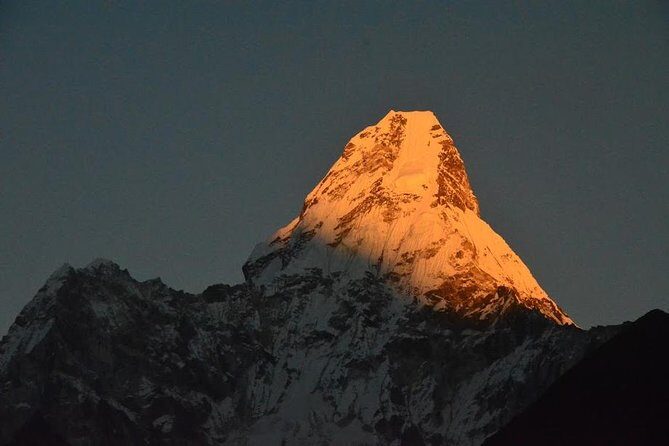
Day nine is Gorak Shep to Kalapatthar for sunrise view, then onward to Pheriche. This is one of the classic moments in the entire region: you get the early cold, the anticipation, then the payoff as the light changes fast over the mountains.
Kalapatthar is tough because it’s high and exposed, but it’s also honest. You’ll feel every step, which is exactly why the sunrise is such a clean reward. After that, you move back down toward Pheriche, giving your body a chance to loosen up.
Practical tip: start with a realistic breakfast plan and keep your layers simple. Sunrise days can turn into sweat-then-freeze situations if you dress wrong.
Tengboche to Namche: finishing the circuit without rushing
Day ten is Pheriche to Tengboche. Day eleven is Tengboche to Namche Bazar. These days feel like two things at once: movement and closure. You’re higher than you started the trek, but you’re heading toward familiar terrain.
Namche again means you can breathe a little easier—still not “easy,” but more manageable. It’s also a great place for a slower dinner and a final look at the town that acted as your altitude checkpoint.
What I appreciate here: the trek doesn’t end abruptly. You get a genuine glide back into civilization with the rhythm still intact.
Lukla to Kathmandu: the last flight and the last real meal
Day twelve is Namche to Lukla. Day thirteen is Lukla back to Kathmandu, followed by transfer to your hotel and a farewell dinner with live cultural show at an authentic Nepali restaurant.
This final night matters. Trekking can make time weird. Having a proper sit-down meal and a cultural performance gives your brain a clean ending point.
One more reality note: beverages and extras cost extra. Plan your last-day splurges, don’t assume everything is included beyond the set meals.
Price and value: what $1,300 actually buys you
At $1,300 per person, this is not a bargain trek. But it’s also not “pay for the trekking only.” The included pieces matter:
- Kathmandu–Lukla–Kathmandu flight tickets
- Hotel–airport–hotel transfers
- Sagarmatha National Park entry permit and Khumbu village entry permit
- A licensed English-speaking guide, with his expenses covered
- A porter for every 2 travelers (up to 25 kilos), with expenses covered
- Breakfast, lunch, and dinner included (you choose food from the menu, 1 dish per meal)
- Emergency assistance
- Farewell dinner with live cultural show
Where the value is strongest is in the support system. Flights, permits, and guide/porter structure remove a lot of uncertainty, especially around day-to-day changes in trekking conditions. If you want predictable logistics without sacrificing the human side of trekking, the package makes sense.
What you’ll likely pay extra
You should budget for things not included, such as beverages, bottled mineral water, tea/coffee, WiFi, battery charging fees, and hot showers. Tips for guide and porters are mandatory, and donations are optional but common. Those costs can add up, so it’s smart to set aside an envelope early rather than improvising late.
The small comforts and bigger challenges of tea houses
Your trek uses “basic tea house” lodging with twin sharing, and the bathroom/toilet is outside. That’s standard for this route area, but it still affects how you pack and how you plan your energy.
You’ll want:
- a warm sleeping layer (tea houses can get cold)
- fast-drying habits (because outside bathrooms mean less convenience)
- a water strategy (you’ll buy or treat water as needed)
The good news: the schedule is built around living this way. Your days are sized so you can arrive, eat, warm up, and sleep without feeling like you’re constantly behind.
Guides and support that can save your trip
A big advantage of going with Outdoor Himalayan Treks P Ltd. is the human attention. In past journeys, manager Ram has been quick to help with changing plans—handling hotel bookings, local transport, and questions—and you may even meet him at the airport.
On the trek side, guides such as Krishna and Dipak show up as key support roles, and names like Dilly are associated with additional on-the-ground help. For day trips around Kathmandu, Kamal is mentioned as doing a strong job guiding and arranging details.
You can’t control weather, trail conditions, or your body’s response to altitude. But you can choose operators who respond fast and handle problems without drama. That’s where this company’s reputation seems to earn its points.
Who should choose this Everest Base Camp trek
This trek fits best if you:
- want a classic Everest Base Camp route with acclimatization days
- are comfortable with basic lodging and outside facilities
- have moderate physical fitness and can walk 4–7 hours most days
- value guided structure, permits, flights, and porter support
It may be less ideal if you:
- need a guaranteed hot shower or indoor bathroom every night
- want a fully “easy” hike (this is still demanding at altitude)
- plan to carry everything yourself even when a porter is available (your knees and energy will notice)
Should you book this Everest Base Camp trek?
I’d say yes if you want the Everest Base Camp experience done in a way that reduces friction. The combination of included flights, permits, a licensed English-speaking guide, and a porter system is what turns a “bucket list dream” into a trek you can actually finish feeling proud.
I’d pause before booking if you’re counting on premium comfort. Tea houses here are basic by design, and the trek requires patience with cold, altitude, and simple facilities. If that part feels okay, this plan’s structure—especially the acclimatization timing and the sunrise payoff—sets you up well.
FAQ
What is the start time and meeting point?
The meeting point is Outdoor Himalayan Treks Thamel Marg, Kathmandu 44600, Nepal, and the start time is 5:15 am.
How long is the trek?
The trek is listed as 13 days (approx.).
Is pickup offered in Kathmandu?
Yes, pickup is offered (and transfers are also included as hotel-airport-hotel).
Are Kathmandu–Lukla flights included?
Yes. Kathmandu–Lukla–Kathmandu flight tickets are included, and the flight from Kathmandu to Lukla is about 30 minutes.
What kind of lodging do you get on the trek?
You use basic tea house lodging with twin sharing. Toilets and bathrooms are outside.
Are meals included?
Yes. Breakfast, lunch, and dinner are included each day. You can choose from the menu (1 dish per meal).
Do you need permits for this route?
Yes. The package includes Sagarmatha National Park entry permit and Khumbu village entry permit.
Is a guide included, and what language do they speak?
Yes. An experienced English-speaking guide is included, and their license holder status and expenses are covered.
Is there a porter, and how much can they carry?
Yes. There is a strong porter for every 2 travelers, carrying up to 25 kilos, and the porter’s expenses are included.
Are beverages, WiFi, or hot showers included?
No. Beverage costs, WiFi, battery charging fees, and hot showers are not included.
What happens if the trek is canceled due to weather?
The experience requires good weather. If it’s canceled because of poor weather, you’ll be offered a different date or a full refund. Cancellation with full refund is possible up to 24 hours in advance.