REVIEW · KATHMANDU
Ranikot Village Hiking in Kathmandu
Book on Viator →Operated by Trekking Trail Nepal · Bookable on Viator
A day in Ranikot Village is a fast way to change your Kathmandu pace. You’ll track through forested hills and small villages, pause at Hindu temple sites, and keep an eye out for snow-capped Himalaya views on clearer stretches. Add a traditional veg buffet lunch and the day feels like more than just walking.
I especially like how the route is built around real local life: temple stops like the Suryabinayak Ganesh Temple (often lively on Tuesdays) and quiet village trails where you can chat with people you meet. The other big win is the flexibility of a private tour, with your guide staying with you the whole time so you can set a comfortable pace.
One consideration: this is an outdoor day hike, so you’ll want solid footwear and weather-ready layers—because the countryside can feel cooler or rainier than central Kathmandu, and you’ll still be outside for hours.
In This Review
- Key highlights I think you’ll care about
- Ranikot Village: a countryside day that actually feels like you left Kathmandu
- Price and time: what $59 for 9 hours really gets you
- Getting there on public transport: less comfort, more connection
- Stop 1: Suryabinayak Ganesh Temple and the start of the day’s spiritual energy
- Stop 2: Ranikot Village—forest trails, village life, and the Himalaya hunt
- Stop 3: Kushadevi Temple—another checkpoint of meaning
- Stop 4: Panauti Museum—culture after the exertion
- Lunch, coffee, and bottled water: the real morale booster
- Going at your own pace with a guide who stays with you
- What to wear and bring so the day stays comfortable
- Who this hike is best for (and who may want to adjust expectations)
- Should you book Ranikot Village Hiking in Kathmandu?
- FAQ
- How long is the Ranikot Village hiking experience?
- What’s included in the price?
- Which stops will we visit during the day?
- Is this a private tour?
- What should I wear?
- Is there free cancellation?
Key highlights I think you’ll care about
- Ganesh temple start at Suryabinayak, with a more pilgrimage-filled feel on Tuesdays
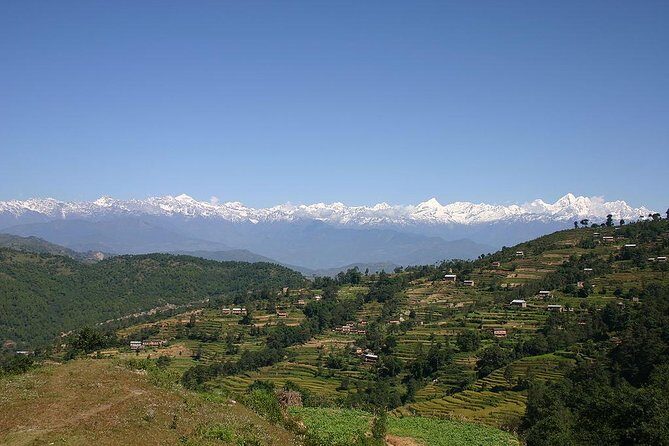
- Ranikot Village walking through forested hills and small communities
- Private guide pacing, so you’re not stuck with the slowest or fastest person in the group
- Local-farmer interaction opportunities along the way (a big part of the day’s appeal)
- Traditional veg buffet lunch plus coffee or tea, so you’re not hunting for food mid-hike
- Public transportation included, which keeps the trip more rural and less “tour-bus bubble”
Ranikot Village: a countryside day that actually feels like you left Kathmandu
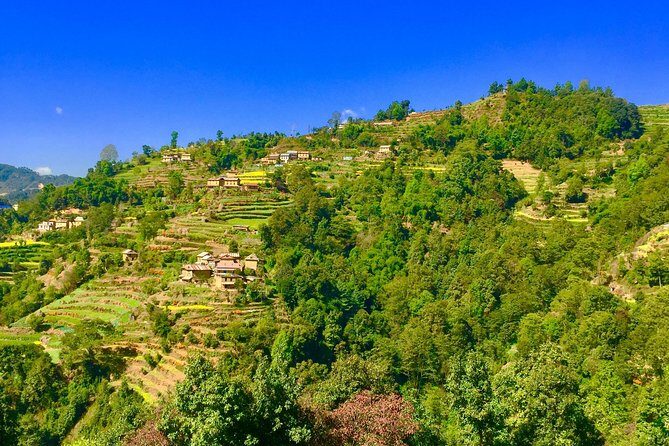
This hike is designed for that specific Kathmandu problem: you’re near mountains, temples, and culture—but most city days stay in traffic and crowds. Ranikot Village flips the script. You go out into the hills for a long, human-scale walk where the views are earned and the village rhythm is the main event.
What makes it especially interesting is the mix of religious sites and outdoor time. The day starts with a Hindu temple visit at Suryabinayak Ganesh Temple, then you transition into green hills and village trails. Along the way, you’re not just looking at scenery—you’re moving through lived-in countryside, which is where conversations and small moments happen.
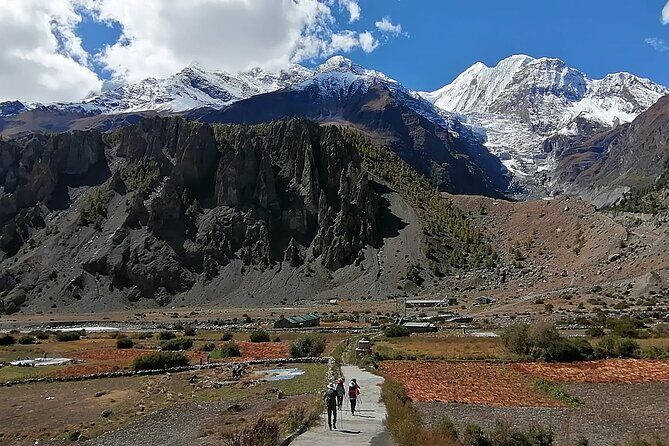
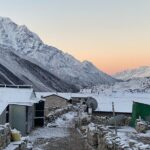
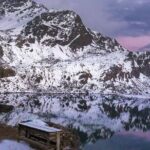
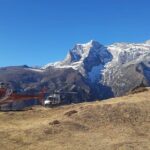
And yes, you’ll want to keep your eyes up. The day’s description explicitly points you toward spotting snow-capped peaks when the sky cooperates. That’s not a guaranteed “wow every minute” promise, but it’s the right mindset: occasionally lift your chin, pause, and let the Himalayan horizon do its work.
You can also read our reviews of more hiking tours in Kathmandu

Price and time: what $59 for 9 hours really gets you
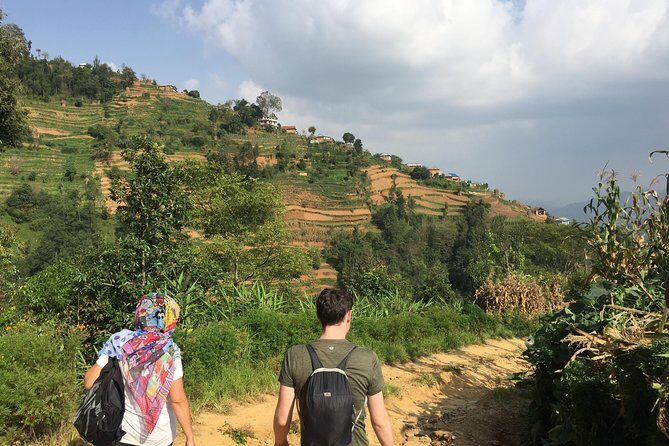
At $59 per person for roughly 9 hours, the value is mostly about two things: an all-day guided experience and food that’s handled for you. A lot of budget day tours under-price themselves by making you self-manage meals, transport, or navigation. Here, your day already includes lunch, coffee or tea, bottled water, and a guide for the whole hike.
You’re also paying for the format: a private tour/activity means it’s just your group, not a random shuffle of strangers. That typically matters on a hike because small-group dynamics affect pacing, bathroom breaks, and the time spent at viewpoints or temple stops. If you prefer a calmer day with fewer “wait up” moments, this setup is a plus.
The duration is long enough to feel like a real outing, but not so long that you’re committing to a multi-day trek. It’s a good “I want hills today” option.
Getting there on public transport: less comfort, more connection
One of the smartest choices in this itinerary is using public transportation as part of the experience. That’s not about saving you money; it’s about changing what the trip feels like. Instead of arriving to the hike in a private van that drops you at the trail and disappears, you spend part of the day moving through regular local rhythms.
For you, that usually means:
- You see more than just the entrance to the countryside
- You get a smoother transition from city to hills
- The hike starts with momentum rather than a single “arrival moment”
The trade-off is that public transport can mean less control and more uncertainty than a private transfer. If you’re the type who hates surprises, plan for it: keep your schedule flexible and your expectations realistic.
Stop 1: Suryabinayak Ganesh Temple and the start of the day’s spiritual energy
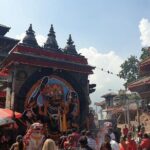
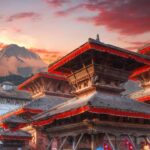
The first major stop is Suryabinayak Ganesh Temple. This is not a random tourist photo stop. Ganesh is the elephant-headed god associated with beginnings and removing obstacles, so the temple sets a meaningful tone for the day right from the start.
There’s also a concrete detail to help you understand what you might feel here. The day notes that every Tuesday this temple is full of Hindu pilgrimage. If your hike falls on a Tuesday, you should expect a busier atmosphere and more visible worship activity—less quiet, more devotional energy.
Practical tip for you: if you want photos, do it respectfully and keep your movements calm. Temple environments are active spaces, not museum galleries. Even if you’re not religious, you’ll get more out of the stop by slowing down and watching how people move through worship.
Stop 2: Ranikot Village—forest trails, village life, and the Himalaya hunt
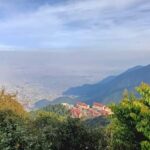
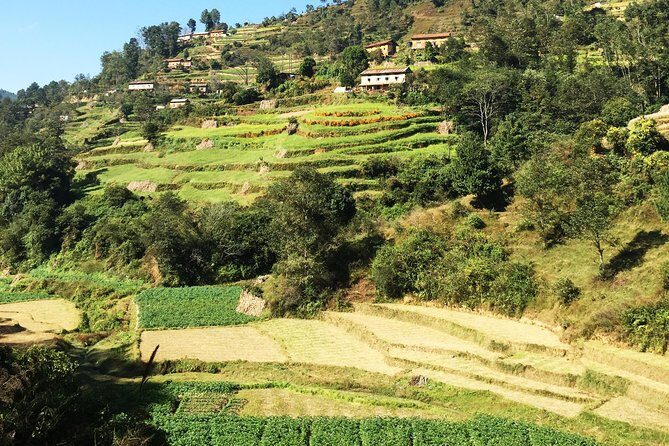
After the temple start, the day moves into its main character: Ranikot. This is presented as the true starting point of Ranikot Village hiking, and it’s located on the lap of green forested hills on the side of Bhaktapur Town. That location detail matters because it helps explain the vibe: you’re not in a wilderness “empty world.” You’re walking in a region where village life and forest edges sit close together.
Here’s what you can reasonably expect during this portion:
- Forested hiking where the shade and greenery change as you climb
- Small village sections that feel more everyday than staged
- Scenic moments where you’ll look for snow-capped peaks
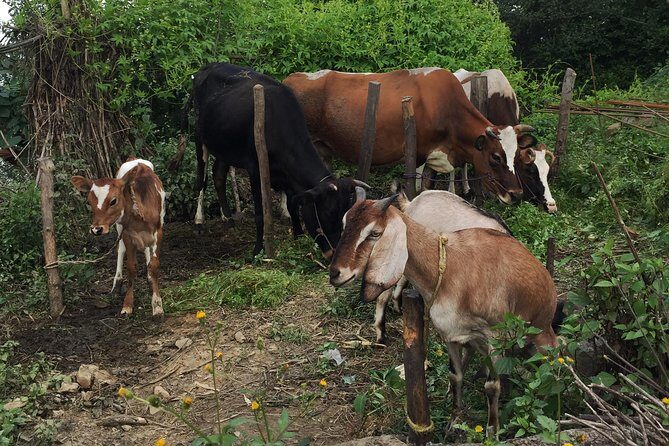
This is also where the hike’s culture becomes practical. One of the most praised aspects tied to this route is the chance for interaction with local farmers and seeing different types of farming. That doesn’t mean you’ll have a pre-planned farm tour at every step. It means the trail passes through countryside where farming is part of the landscape of daily life—so conversations and observations are genuinely possible.
For you, the best way to get value out of that is simple:
- Be curious and polite, not pushy
- Ask basic questions if there’s a moment to chat
- Stay aware of walking first—don’t stop in the middle of paths for long exchanges

Stop 3: Kushadevi Temple—another checkpoint of meaning
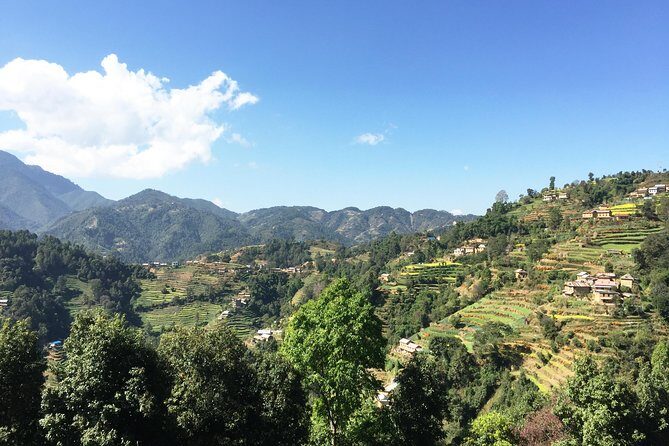
Next comes Kushadevi Temple. Temples along a hike are more than decorations; they act like rhythm markers. They break up walking, provide a natural pause to rest and reset, and give the day structure beyond “keep going until lunch.”
Why this stop is worth your attention: it reinforces the theme that this day isn’t only a fitness outing. It’s a guided cultural walk through a region where spirituality, community, and landscape are linked.
You’ll likely feel the difference too—when you reach a temple stop, the pace changes. Even if you’re going at your own speed, you’ll get a moment to slow down, breathe, and observe.
Stop 4: Panauti Museum—culture after the exertion
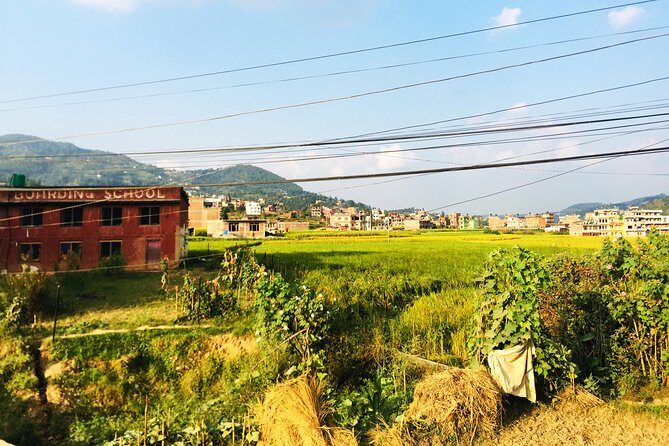
The final structured stop is Panauti Museum. This works well after hours of outdoor walking because it gives your brain something to do besides scanning for views and counting steps.
The itinerary framing suggests this is part of the day’s cultural “wrap-up,” so you finish with a sense of place rather than ending the hike right at the trail’s edge. Museums aren’t everyone’s favorite on a hike day, but in this case it’s an intentional landing point.
If you’re someone who prefers hands-on learning, a museum stop can be a nice counterbalance. If you’re not, treat it as a cool-down and a place to sit while your guide explains what you’re seeing.
Lunch, coffee, and bottled water: the real morale booster
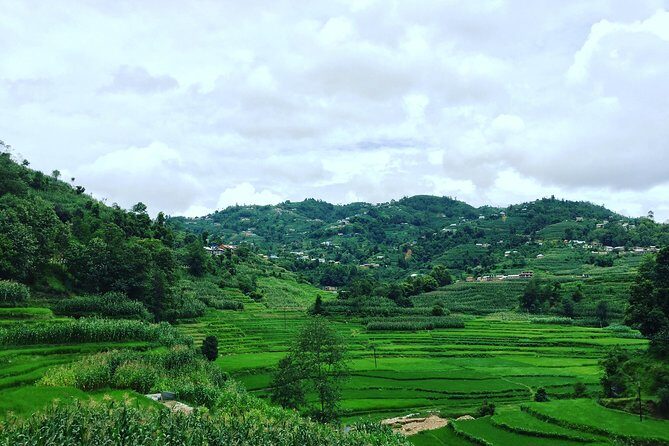
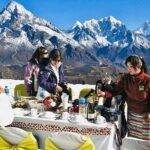
Food on a long Nepal day hike isn’t a luxury. It’s morale management. This tour includes a traditional veg buffet lunch, plus coffee and/or tea, and bottled water.
I like this setup because it removes the most common day-hike problem: getting to lunchtime tired and hungry in a place where food options might be limited. Here, you’re fueled at the right time, and the drink inclusion helps you stay comfortable without needing to make extra purchases all day.
Also, the buffet format is practical. After walking, people have different appetites. A buffet lets you choose what works for you rather than being locked into one meal.
One small note: alcoholic drinks are not included, though they are available to purchase. So if that’s part of your usual celebration style, budget for it separately.
Going at your own pace with a guide who stays with you
The hike is described as private, and your guide stays with you for the entire way. That matters more than it sounds.
On a countryside hike, a guide can help with:
- timing temple visits without feeling rushed
- keeping you on track through village sections
- pacing so you don’t burn out early
- making the day feel human rather than mechanical
You’re also told you can go at your own pace. That’s a big deal if your fitness level varies day to day or if you want more photo stops and temple time. Just remember: “your pace” still means staying safe on outdoor trails. If you’re tired, ask for a slower rhythm rather than powering through.
What to wear and bring so the day stays comfortable
The dress code is formal outdoor gear. That’s a gentle way of saying: dress for walking, not for sitting.
For you, the essentials are:
- Proper footwear for uneven paths
- Layers for changing hill temperatures
- A rain-ready option, since countryside weather can shift
Also plan for no private porter. If you travel with extra-heavy luggage, keep it light for a day hike. This matters because the hike is long enough that carrying a lot can start to feel like a tax after a few hours.
The good news: the tour includes water, so you don’t have to solve hydration on your own.
Who this hike is best for (and who may want to adjust expectations)
This experience is a good match if you want:
- A day outdoors without committing to a trek
- Temple culture plus village hiking
- A slower, guided day where you can pause and look around
- The chance to meet everyday rural Nepal life, including farming
It’s also listed as “most travelers can participate,” which usually means it’s not built like a hardcore summit push. Still, it’s a hike—so if you’re dealing with knee trouble or you dislike long walking days, consider whether you want a shorter route instead.
You’ll also like the private format if you value quiet over crowd energy. With only your group involved, it tends to feel more personal and less chaotic.
Should you book Ranikot Village Hiking in Kathmandu?
If your goal is a real Kathmandu break—hills, temples, villages, and a proper lunch—this is an easy yes to consider. The price-to-day-length ratio is reasonable for what’s included, and the guide stays with you from start to finish, which makes the experience smoother.
Book it if:
- You want a guided day that blends religious sites and countryside hiking
- You like the idea of public transportation for a more local feel
- You care about having lunch and drinks taken care of
- You’re excited about spotting Himalayan views when conditions are right
Skip it (or rethink) if:
- You’re not comfortable with long outdoor walking
- You strongly prefer private transport door-to-door
- You need a very low-energy day with minimal time outside
Overall, this hike’s best value is the combination: temple start, village trails, and a meal built into the day. It’s a practical way to experience Kathmandu’s surroundings without turning your day into logistics.
FAQ
How long is the Ranikot Village hiking experience?
The duration is listed as about 9 hours.
What’s included in the price?
The experience includes a traditional veg buffet lunch, coffee and/or tea, bottled water, use of public transportation for the rural experience, and the guided hike.
Which stops will we visit during the day?
The stops listed are Suryabinayak Ganesh Temple, Ranikot, Kushadevi Temple, and Panauti Museum.
Is this a private tour?
Yes. It’s a private tour/activity, and only your group participates.
What should I wear?
The dress code is formal outdoor gear.
Is there free cancellation?
Yes. Free cancellation is available up to 24 hours in advance for a full refund.
If you want, tell me your travel month and whether you’re going on a Tuesday—then I can help you pick what to expect at the Ganesh temple stop and how to plan your day around it.