REVIEW · KATHMANDU
Full Day Sightseeing Tour of Kathmandu
Book on Viator →Operated by Shepherd Holidays · Bookable on Viator
Seven UNESCO stops in one day.
This full-day Kathmandu Valley sightseeing tour is built for people who want big cultural payoff without juggling buses, tickets, and directions. You’ll go with a small group (up to 15) and an expert local guide, with an option to focus on 4 key landmarks or sweep through all 7 UNESCO World Heritage Sites in one long day, including time at well-known places like Swayambhunath and Boudhanath.
I like the practical setup: hotel pickup and drop-off plus comfortable transportation means you’re spending your energy looking up at temples, not reading road maps. My other favorite part is the pacing that’s designed for efficiency—one guided route that takes you across Kathmandu, Patan, and Bhaktapur so you can see a lot in about 7 hours. One thing to consider: entrance fees are not included, so your final spend can creep up, and the day can feel long once you add walking plus hilltop views at the Monkey Temple.
In This Review
- Key Things to Know Before You Go
- Why This Kathmandu Valley Tour Works for Limited Time
- Price and Entrance Fees: What You’ll Spend in Real Life
- The 7-Hour Rhythm: How the Day Feels On the Ground
- Your Route Through Kathmandu Valley’s UNESCO Stars
- Stop 1: Swayambhunath (Monkey Temple)
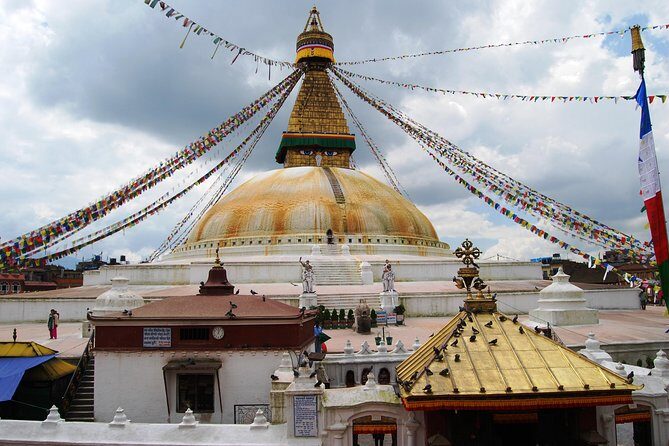
- Stop 2: Boudhanath Stupa
- Stop 3: Pashupatinath Temple
- Stop 4: Kathmandu Durbar Square
- Stop 5: Patan Durbar Square
- Stop 6: Bhaktapur Durbar Square
- Stop 7: Changunarayan (Changu Narayan)
- Transportation, Group Size, and Comfort Details That Matter
- What Makes the Guide Matter (and a Name You Might Hear)
- Who This Tour Fits Best
- Should You Book This Kathmandu Full-Day Sightseeing Tour?
- FAQ
- How long is the Kathmandu full-day sightseeing tour?
- Can I see all 7 UNESCO World Heritage Sites in one day?
- Is hotel pickup and drop-off included?
- How many people are in the group?
- Are entrance fees included in the $40 price?
- What entrance fees should I expect to pay for the 7-site route?
- Do I get a mobile ticket?
- What happens if the weather is poor?
Key Things to Know Before You Go
- Choose 4 sites or all 7 UNESCO locations to match your time and energy level
- Small group size (max 15) helps you move together without feeling stuck in a crowd
- Hotel pickup/drop-off saves time, especially if you’re trying to fit this around jet lag
- Entrance fees are extra at every major stop, and prices vary by nationality
- Guide name you may get: Sumit—a highlight in the best feedback I’ve seen
- Carry cash for easier entry and small temple-related purchases when needed
Why This Kathmandu Valley Tour Works for Limited Time
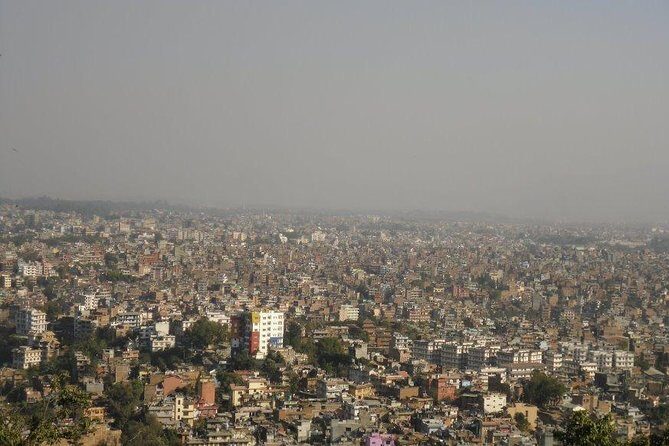
Kathmandu Valley is one of those places where every neighborhood seems to have a story and a set of stairs. The trouble is that the stories are spread across different squares, courtyards, and hilltops. This tour is valuable because it bundles the heavy logistics into one plan: one guide, one group route, and transportation waiting for you.
If you’re short on days, that’s huge. You can see sacred Hindu and Buddhist sites in the same itinerary—Pashupatinath on the Bagmati River, Boudhanath with its prayer-flag geometry, and the Durbar Squares with Newar architecture and carved wood details. It’s also a good way to meet other travelers who want the same kind of structured sightseeing, not just wandering.
The other quiet win is how the day is organized around famous landmarks you’ll recognize from photos. That matters in Kathmandu, where it’s easy to lose time hunting for the next stop or accidentally paying for extra rides.
A few more Kathmandu tours and experiences worth a look


Price and Entrance Fees: What You’ll Spend in Real Life
The tour price is $40 per person, with hotel pickup and drop-off, bottled water, and parking included. Your guide and driver costs are also covered, which is often what makes a guided day feel smooth.
But the big budget note is this: entrance fees are not included. The listing gives maximum rates (and says prices change by nationality). Using the maximums you can expect these extra fees for the 7-site route:
- Swayambhunath (Monkey Temple): $1.50
- Boudhanath Stupa: $3.00
- Pashupatinath Temple: $7.50 (and it’s noted as free for Indian nationals)
- Kathmandu Durbar Square: $7.50
- Patan Durbar Square: $7.50
- Bhaktapur Durbar Square: $13.50
- Changu Narayan (Changunarayan): $3.00
Add those together and the max total entrance cost for all 7 stops comes to about $47.00 per person. So a realistic maximum day cost is roughly $87 once you include the tour price—before food and drinks.
Is it still good value? In my view, yes, if you want guided context and zero transportation hassle between the valley’s major heritage sites. If you’re the type who hates paying for entry at multiple sites, or you’re on a shoestring, you might prefer the 4-stop highlights option and pick up fewer tickets.
The 7-Hour Rhythm: How the Day Feels On the Ground
This is listed at about 7 hours. For Kathmandu, that’s a workable pace—fast enough to cover major sights, slow enough to stop and look without feeling like you’re being dragged through.
Still, plan like it’s an active day:
- Expect walking on uneven stone in temple areas.
- Swayambhunath is reached from a hilltop area with lots of steps.
- Durbar Squares involve courtyards and architectural viewing rather than quick photo stops.
Also, remember that the tour requires good weather. If conditions are poor, you’ll be offered a different date or a full refund. Kathmandu rain can change your experience quickly—paths get slick, visibility drops, and the hilltop viewpoints matter even more.
A practical tip I’d take from the feedback I’ve seen: carry cash. Entrance fees and small purchases (snacks, offerings, or temple-area items) can be easier when you don’t have to hunt for an ATM at each stop.
Your Route Through Kathmandu Valley’s UNESCO Stars
You’ll move in a loop that covers west of central Kathmandu, then central Kathmandu, then out toward Patan and Bhaktapur, ending near Changu Narayan. Each stop is about an hour in this plan, which gives you time to understand what you’re seeing instead of treating it like a checklist.
Here’s what each landmark delivers, plus a couple of things to watch for.
Stop 1: Swayambhunath (Monkey Temple)
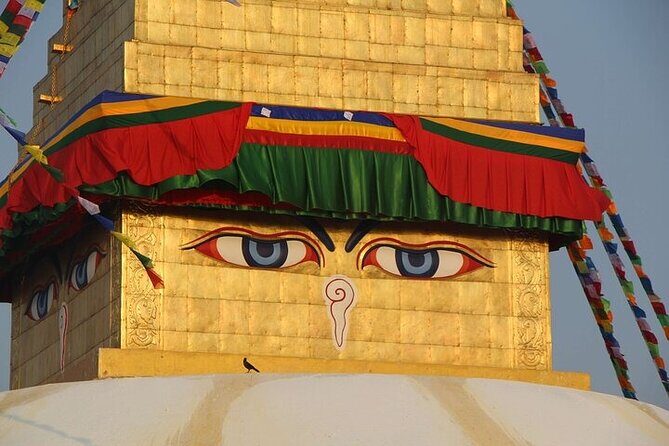
Swayambhunath sits on a hilltop west of the valley, and that elevated position is a big part of its appeal. The famous white stupa dome and the pairs of watchful eyes make it feel like a place that’s been watching Kathmandu for centuries.
Why it’s worth your time: it’s one of the best spots for understanding how Buddhism and local life overlap in the city. Even if you’re not a big temple person, the views from up there help you get your bearings fast.
Watch-outs:
- It’s a hilltop site, so bring comfortable shoes.
- Expect a lively scene—this is a very known viewpoint, and the name Monkey Temple isn’t just for fun.




Stop 2: Boudhanath Stupa
Boudhanath is a major center for Tibetan Buddhism in Kathmandu. The stupa is enormous, and the design includes a mandala-like pattern that feels orderly and intentional, especially when prayer flags are moving in the wind.
What you’ll notice fast: the surrounding rhythm of worship. People walk around the stupa in prayer, and the whole area has that communal “steady loop” feeling.
Practical note: entrance isn’t included, so bring cash. Also, in foggy or rainy conditions, the atmosphere changes—still meaningful, just less photo-friendly.
Stop 3: Pashupatinath Temple
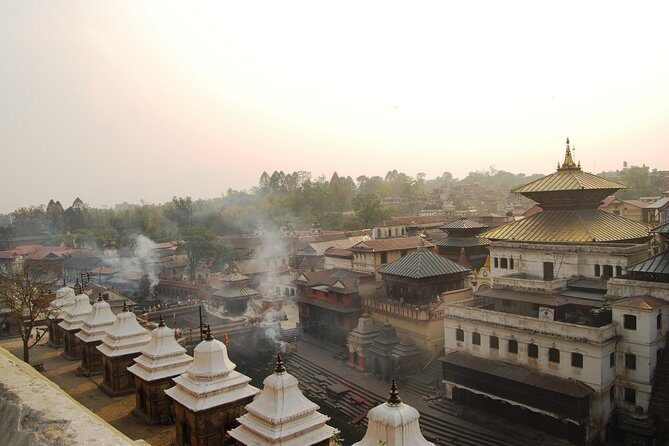
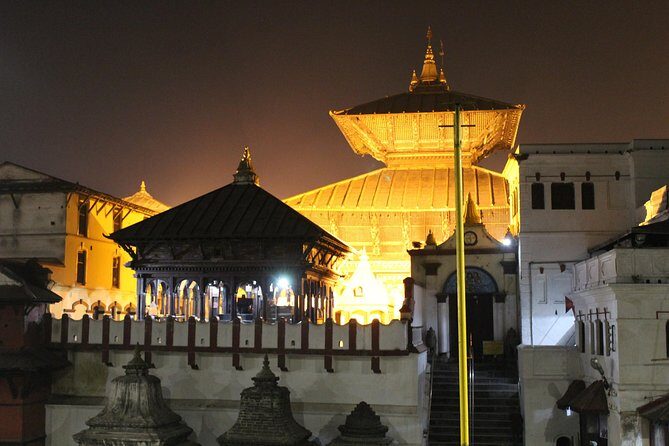
Pashupatinath is Nepal’s most sacred Hindu temple dedicated to Lord Shiva, located on the Bagmati River. This is where Kathmandu’s spiritual role becomes very real, not just decorative.
Why it hits: the temple’s architecture is intricate, and the setting along the river makes the place feel tied to daily life and belief. You’ll also see cremation ghats along the Bagmati, which is part of why this stop carries such strong weight.
Important consideration: entry fees apply here too, and the listing notes it’s free for Indian nationals. If you’re not Indian, plan to pay.
Stop 4: Kathmandu Durbar Square
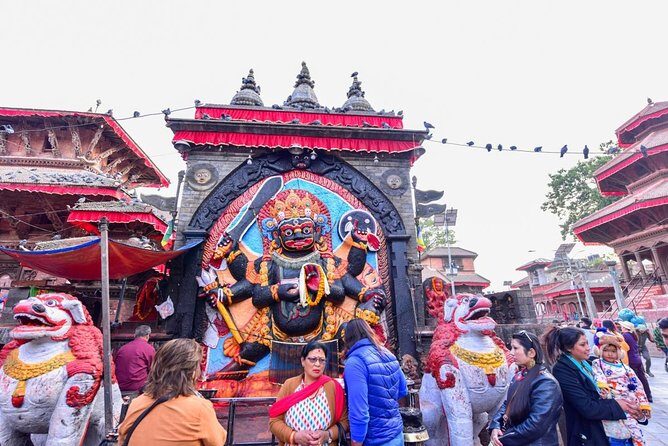
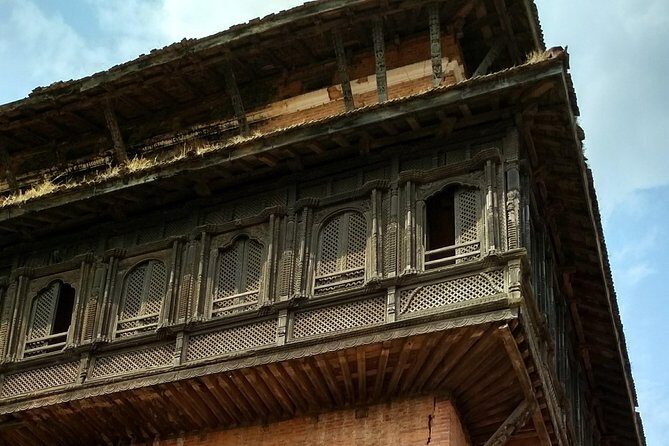
Kathmandu Durbar Square is a historic royal palace complex and a centerpiece of old-city architecture. Expect richly carved wooden buildings and a sense of how the royal seat shaped the city’s cultural layout.
What to look for:
- The craftsmanship: woodwork and structural details tend to be where your guide’s context helps.
- The flow of the square: it’s not one single object; it’s a whole living layout.
Where people can get tired: this is one of the denser stops, so if you’re low on energy, use your guide to prioritize what you should focus on first.
Stop 5: Patan Durbar Square
Patan Durbar Square is in Patan (about 8 kilometers away from Kathmandu) and is known for Newar architecture and artistry. If Kathmandu Durbar Square is your “overview,” Patan often feels like your “compare and notice the details.”
Why it’s satisfying: different city, similar roots. You start seeing patterns in how craftsmanship expresses status, faith, and community.
Practical note: entrance isn’t included. Also, Patan can feel lively and busy, so it helps to have a guide to keep you moving at the right tempo.
Stop 6: Bhaktapur Durbar Square
Bhaktapur is another step out from central Kathmandu, and its Durbar Square is famous for medieval charm and very well-preserved heritage.
This is one of the stops where time can slip away in the best way. The space feels made for slow looking—courtyards, temples, and stonework that reward attention.
Budget note: the entrance fee here is higher than most other stops on the list (maximum rate is $13.50). If you’re watching costs, this is the one to plan for in advance.
Stop 7: Changunarayan (Changu Narayan)
Changunarayan is on a hilltop near Bhaktapur and is one of the oldest Hindu temples in Nepal. It’s known for stone inscriptions and intricate woodwork, and it’s dedicated to Lord Vishnu.
Why it’s special: it ends the day with a temple that feels older and more grounded than the big city squares. The hilltop location also tends to give you that quiet moment after the busier heritage areas.
This is also the “wrap-up” stop in the itinerary. If you’re feeling worn out, take the final hour to sit, look carefully, and let your guide connect the details one last time.
Transportation, Group Size, and Comfort Details That Matter
The tour is built around comfortable transportation and a schedule that keeps you from thinking about logistics. Hotel pickup and drop-off are included, which sounds basic until you factor in Kathmandu traffic and the time it takes to get a taxi from the wrong side of town.
The group is capped at 15 people, so you’ll usually get that middle ground: you’re not alone, but you’re not swallowed by a giant bus tour either. That group size also makes it easier for the guide to answer questions without losing the whole line.
If you book a private option, the listing notes private transportation and a private tour guide. That can be a smart move if you want slower pacing, extra photo time, or you prefer questions without group timing pressure.
What Makes the Guide Matter (and a Name You Might Hear)
This tour leans on an expert local guide, and one guide name shows up clearly in the best feedback: Sumit. The praise isn’t just about being friendly—it’s about actually helping make sense of seven major heritage sites in one day.
That matters because these places aren’t just scenic stops. They’re spiritual and architectural landmarks. With the guide, you’re more likely to notice why the stupa design matters, what the Durbar Square layout signals, and how the temple details connect to belief.
Also, it helps that a good guide keeps the day moving even when conditions shift. One review noted the tour working well even with rain, which is realistic for Kathmandu.
Who This Tour Fits Best
This tour is a great fit if you:
- Have limited time in Kathmandu Valley and want a structured route
- Prefer guided context over wandering without a plan
- Want to see both Buddhist and Hindu landmarks in one day
- Like meeting people but still want a small group feel
It might be less ideal if you:
- Hate walking and hilltops
- Want to avoid paying multiple entrance fees in a single day
- Are looking for a slow, unhurried cultural day with lots of free time (this is efficient)
Should You Book This Kathmandu Full-Day Sightseeing Tour?
Book it if you want the quickest, least-stress way to hit the valley’s big UNESCO names. The value isn’t only the $40 price tag. It’s the fact that your transportation, timing, and guiding are bundled, so you can spend your energy on what you came for: Swayambhunath’s hilltop stupa, Boudhanath’s massive mandala design, Pashupatinath’s riverbank spiritual scene, and the Durbar Squares across Kathmandu, Patan, and Bhaktapur.
Skip it or shorten your plan if entrances and an all-day pace aren’t your style. If you choose the 4-site highlights option, you can keep the spirit of the trip while cutting down on time and ticket costs.
If weather is iffy, keep flexibility in your schedule. The tour notes good-weather requirements, and you’ll be offered a different date or a full refund if it’s canceled due to poor conditions.
FAQ
How long is the Kathmandu full-day sightseeing tour?
The tour runs for about 7 hours.
Can I see all 7 UNESCO World Heritage Sites in one day?
Yes. The itinerary can be a highlights version with four must-see landmarks, or a full route that includes all seven heritage sites in one day.
Is hotel pickup and drop-off included?
Yes. Hotel pickup & drop-off are included.
How many people are in the group?
This tour has a maximum of 15 travelers.
Are entrance fees included in the $40 price?
No. Entrance fees for each site are not included and must be paid separately.
What entrance fees should I expect to pay for the 7-site route?
The listing provides maximum rates by site (and notes prices vary by nationality), including Swayambhunath ($1.50), Boudhanath ($3.00), Pashupatinath ($7.50, free for Indian nationals), Kathmandu Durbar Square ($7.50), Patan Durbar Square ($7.50), Bhaktapur Durbar Square ($13.50), and Changu Narayan ($3.00).
Do I get a mobile ticket?
Yes. Mobile ticket is listed as a feature.
What happens if the weather is poor?
The tour requires good weather. If it’s canceled due to poor weather, you’ll be offered a different date or a full refund.
If you tell me your travel dates and whether you’re leaning toward 4 stops or all 7, I can help you plan the day so you don’t feel rushed.