REVIEW · KATHMANDU
14 Days Everest Base Camp Trek
Book on Viator →Operated by Master Himalaya Treks and Expedition · Bookable on Viator
Everest Base Camp, but with real guardrails. This 14-day trek through the Khumbu Valley is built around altitude gains, Sherpa culture stops, and a high-reward route that keeps you moving toward Everest Base Camp (and back) with a certified guide and porter support.
What I like most is the way the plan balances effort and timing: you get the early route down from Lukla to Phakding, then time in places like Namche Bazaar and Dingboche that are there for acclimatization. I also like that meals are handled for you during the trek, so you can focus on pace, hydration, and getting sleep on rough days.
One thing to consider: this is high-altitude trekking. Even with good support, some people don’t reach Base Camp because of altitude sickness, so you should go with a flexible mindset and a plan to adjust.
In This Review
- Key highlights you’ll feel day to day
- Everest Base Camp in 14 Days: what you’re really signing up for
- Kathmandu pickup and the Lukla flight that starts the adventure
- Phakding, bridges, and finding your trekking pace
- Namche Bazaar: where the trek turns from trail to town life
- Tengboche Gompa: big monastery energy in the middle of altitude work
- Dingboche and acclimatization: the day your future self will thank you
- Lobuche to the Everest zone: closer, higher, and more intense
- Everest Base Camp day and the return to Gorak Shep
- Kala Patthar: the payoff hike before you start dropping altitude
- Khumjung and the Dudh Koshi river: culture, views, and final trekking flavor
- Flights, meals, and support: where the $1,600 value really comes from
- Price and logistics: the decisions that affect comfort most
- Who should choose this Everest Base Camp trek?
- Should you book Master Himalaya’s Everest Base Camp trek?
- FAQ
- Where does the trek start and end?
- How long is the trek?
- Are airport transfers included?
- Are flights to Lukla included?
- Does the tour include meals?
- What support do I get on the trek?
- Is the tour private?
- Do I need travel insurance?
- What trekking equipment should I bring?
- Is there free cancellation?
Key highlights you’ll feel day to day
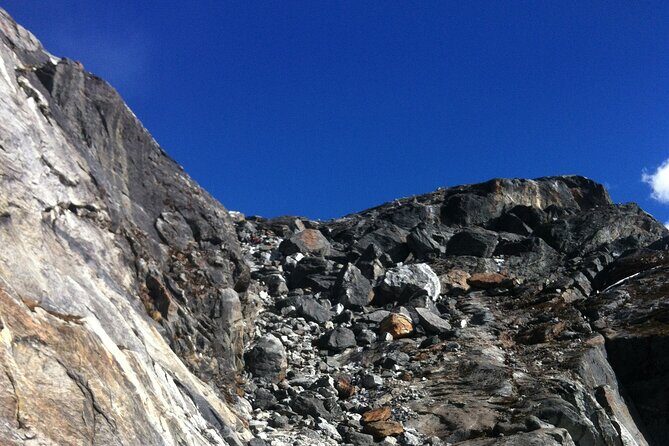
- Flight to Lukla included: the trip starts with the iconic 40-minute hop from Kathmandu to Lukla.
- A true acclimatization rhythm: built-in rest in Namche Bazaar and Dingboche helps you handle altitude better.
- Everest viewpoints, not just walking: Everest View Point and Kala Patthar are part of the experience.
- Support that keeps things manageable: certified guide plus porters (1 porter for 2 trekkers) and first aid service.
- Monastery and Sherpa culture stops: Tengboche Gompa and Khumjung add more than scenery.
- All meals on trek days: breakfast, lunch, and dinner are included so you’re not hunting food while climbing.
Everest Base Camp in 14 Days: what you’re really signing up for
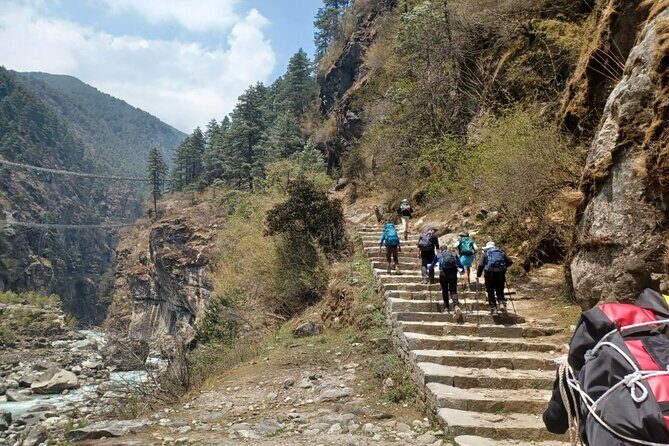
This trek is the classic Everest Base Camp route, but what matters is how it’s paced. The days are built around gradual altitude gains, with a couple of “you earn this” moments where the walking gets harder and your breathing gets louder.
You’ll be traveling through the Khumbu Valley, repeatedly getting big Himalayan views as you move higher. The route is also designed to keep you socially connected to the Sherpa communities you pass through—so you’re not hiking in total isolation.
At the same time, this is not a casual hike. You’re trekking at elevations where your body matters more than willpower, and weather and fatigue can change how your day feels.
You can also read our reviews of more hiking tours in Kathmandu
Kathmandu pickup and the Lukla flight that starts the adventure
Day 1 is all about getting your legs back under you after landing in Kathmandu. You’ll arrive at Tribhuvan International Airport, then get transferred to a hotel with the rest of the day left open—ideal for sleep, easy meals, and getting used to a new rhythm.
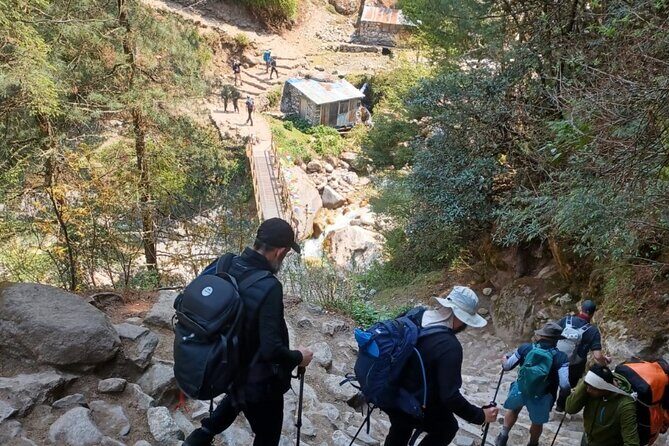
Then comes Day 2: an early flight from Kathmandu to Lukla (about 40 minutes). You’ll get those first, stunning mountain glimpses right away, with views tied to nearby Himalayan ranges. From Lukla (around 2,850m), you begin with a descent toward Phakding, crossing a few suspension bridges along the way.
Why it’s a smart start: you don’t jump straight into steep climbs. You ease into the trek with walking that still feels purposeful, but less punishing than going uphill immediately.
Phakding, bridges, and finding your trekking pace
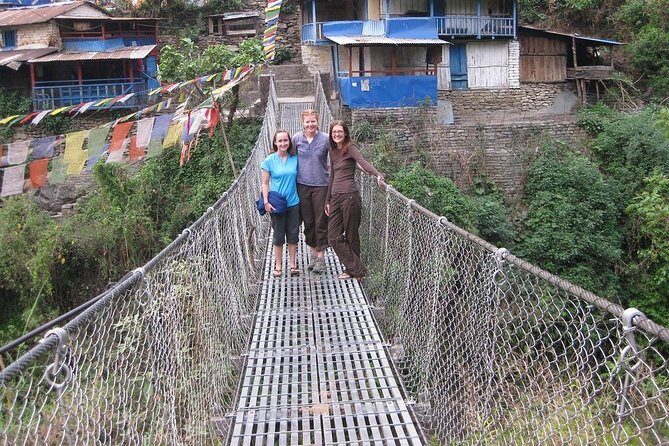
Lukla to Phakding is a great “settle in” day. You’re trekking through the lower Khumbu along river corridors, and suspension bridges add a bit of drama—usually short, but enough to break up the monotony of long trails.
This part of the route matters because it sets your pacing habits. If you start too fast here, you’ll feel it later. If you move steadily, you’ll build a rhythm that helps on the tougher days.
Also, because the schedule includes multiple bridge crossings and rivers, it’s a good moment to practice simple things: consistent foot placement, steady hydration, and not treating every uphill as a race.
Namche Bazaar: where the trek turns from trail to town life
Namche Bazaar is the Sherpa town you’ll hear about for a reason. It’s not just a dot on the map. It’s where the trek starts to feel like a lived-in place: you’ll find coffee shops, trekking equipment shops, and all the everyday movement of a community that has supported Khumbu trekkers for generations.
You’ll also get Everest View Point as part of the experience. This is one of those “save it for the right day” situations: the view is the payoff, but what makes the visit valuable is that it happens while you’re working on altitude adaptation.
One practical note: Namche is also where you can fall into a trap—overdoing it. It’s tempting to explore every street and shop and wander for hours. But the point is to help your body adjust, not drain your energy.
Tengboche Gompa: big monastery energy in the middle of altitude work
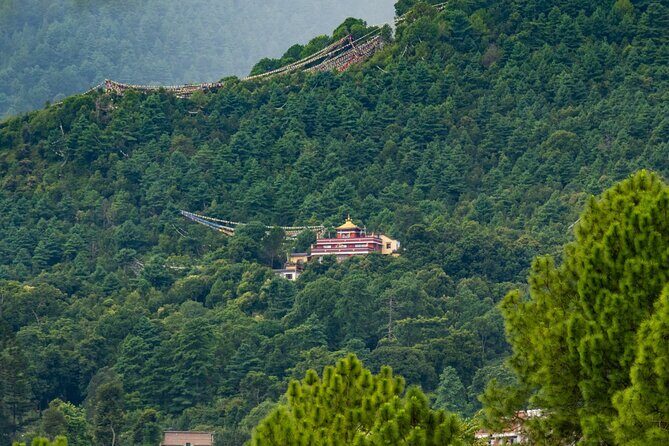
Day 5 brings you to Tengboche, known for spiritual significance and the largest monastery (Gompa) in the Khumbu region. Even if you’re not a religious traveler, this stop hits because it anchors the trek in meaning beyond the mountain.
You’ll visit Tengboche Gompa and see Lama-led spiritual rituals. If you’re curious, you can participate in a respectful way, but you don’t need to be an expert to appreciate the atmosphere.
Why I think this stop is more than a photo stop: it gives your mind a break from pure trekking logistics. When you’re at altitude, mental fatigue matters as much as physical fatigue.
Potential consideration: Gompa visits can involve waiting, slow movement, and changing conditions. It’s worth dressing in layers so you can stay comfortable.
Dingboche and acclimatization: the day your future self will thank you
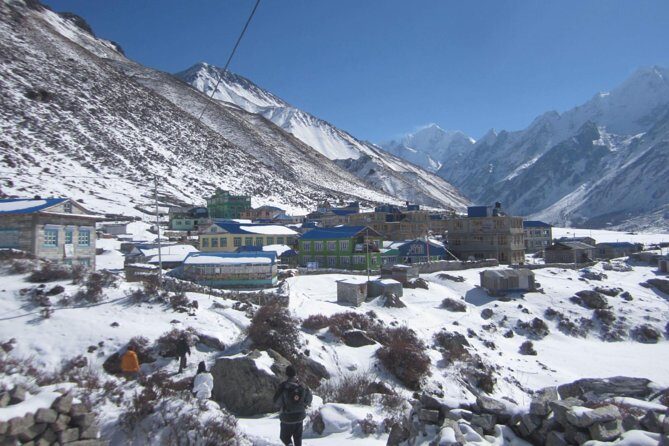
Dingboche is where the trek starts pressing upward in a more serious way. You’ll continue trekking to the valley around Imja and notice the distinctive stone wall patterns built with stones of different sizes.
Then you get a rest/acclimatization day in Dingboche. This is not free time. This is your body’s time to catch up—rest, recover, and prepare for what comes next toward Everest Base Camp.
Acclimatization days are one of the biggest differences between trekking plans that feel survivable and trekking plans that feel like a gamble. Even with a good guide and first aid support, altitude is altitude. Taking the rest day seriously can make your whole itinerary smoother.
Lobuche to the Everest zone: closer, higher, and more intense
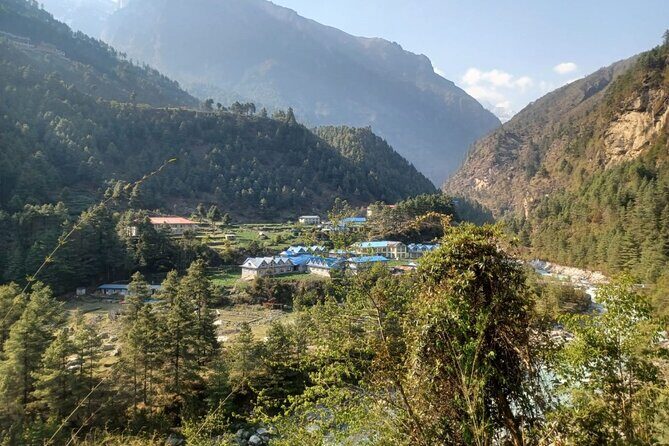
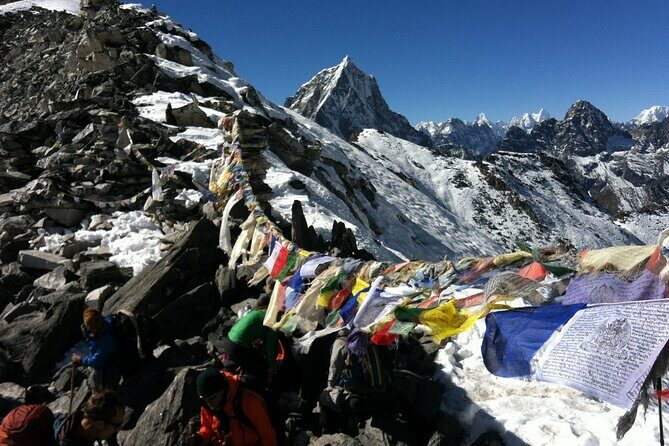
As you move toward Lobuche, you’ll pass peaks along the way and walk through places like Thukla and ascend to Dughla Pass. This is when the scenery keeps getting bigger, but your effort also ramps up.
Lobuche is often described as a peak area with Lobuche East and Lobuche West, and the surrounding hills and valleys make it feel like you’re in a high-elevation bowl. The key is that you’re now operating closer to the Everest Base Camp environment, where fatigue can stack quickly.
If you’re the kind of traveler who likes to plan every detail, this is the day to keep it simple. Know your next step, keep your pace steady, and don’t save energy by stopping constantly. Steady wins here.
Everest Base Camp day and the return to Gorak Shep
Day 9 is the signature push: you reach Everest Base Camp, then trek back toward Gorak Shep. The schedule flags this as potentially challenging due to altitude, and that matches what your body will likely experience.
This is also a day where expectations need a reality check. Everest Base Camp is dramatic, but the emotional payoff can also be followed by physical strain. You’ll want to keep moving after you arrive, since you’re still trekking back.
Practical strategy: treat this day like a “controlled effort” climb. Even if Base Camp is your dream stop, your success depends on your ability to pace and manage breath and fatigue.
Kala Patthar: the payoff hike before you start dropping altitude
After Everest Base Camp, you’ll transition into Kala Patthar on Day 10. The plan includes a hike from Gorak Shep for breathtaking views of Mount Everest, then continuing trekking toward Pheriche.
Kala Patthar is the kind of place where the climb feels worth it the moment you’re up. Views are the point here, but the bigger value is the way this day sets you up to feel better—because once you’re trekking down, your body gets a bit more relief.
What I like about this structure: it doesn’t just end at the hardest point. You get one more strong view day, then you start moving toward easier walking.
Khumjung and the Dudh Koshi river: culture, views, and final trekking flavor
Later on, you’ll pass through Khumjung. The day’s focus includes the Dudhkoshi river, Everest views, and a market stop described as the Ruler market. It’s a nice shift from mostly “trail and altitude” to a more community-style experience.
Day 11 also signals that the trek is nearing its end. You’re still walking, still earning altitude changes, but the emotional tone starts to shift toward closure—less survival mode, more reflection.
Then you head back toward Lukla, and from there the final flight returns you to Kathmandu. It’s a practical end loop: walk out, fly out, and keep your memories intact.
Flights, meals, and support: where the $1,600 value really comes from
At $1,600 per person for a roughly 14-day trek, the value is in what’s included and how it reduces your stress.
You get:
- Pickup and drop-off at the airport
- All meals during the trek (breakfast, lunch, dinner)
- A government certified guide
- Porter support (1 porter for 2 trekkers)
- Flight from and to Lukla
- First aid service
- A farewell dinner
That’s not just convenience. It affects your daily energy budget. When meals are planned and arranged, you don’t waste daylight searching. When you have a porter, you can carry less weight and focus more on pacing.
Two more details matter:
- The trek includes restroom on board (for the flight segment you’ll be using)
- First aid service is part of the plan, which is important at altitude when problems can show up fast.
What’s not included is your personal kit. Trekking equipment like hiking sticks and trekking shoes isn’t provided, so you’ll need to bring or buy gear yourself.
Also, the tour is private, meaning it’s only your group. That’s a quality-of-life detail that many group treks don’t offer, especially when schedules and pace are tight.
Price and logistics: the decisions that affect comfort most
Even with a well-supported trek, comfort comes down to what you bring and how flexible you are.
Your biggest logistics items:
- You need solid moderate physical fitness to enjoy this trek. The plan is not labeled easy for a reason.
- You should pack trekking-appropriate shoes and gear since equipment isn’t included.
- You should mentally prepare for possible altitude limits. Based on what’s described in the experience outcomes, some participants may not reach Base Camp due to altitude sickness.
There’s also the flight rhythm to consider. You’ll be doing an early flight to Lukla and then flying back to Kathmandu later. That means your mornings and end days have time-pressure energy—so don’t schedule anything critical right before or after.
Who should choose this Everest Base Camp trek?
This trek is a strong fit if:
- You want the classic Everest Base Camp route with key Sherpa towns and monastery stops.
- You want structured support: a certified guide, porter support, meals, and first aid service.
- You like a plan that includes acclimatization days instead of rushing.
It’s less ideal if:
- You’re looking for a relaxed, beginner-friendly walk. Altitude and effort are real here.
- You can’t tolerate a scenario where reaching Base Camp might not be possible if your body struggles.
If you’re traveling with a partner or small group and want a private experience, the private setup is a plus.
Should you book Master Himalaya’s Everest Base Camp trek?
If your goal is to reach Everest Base Camp while keeping your risk managed through acclimatization and strong on-trail support, I think this plan makes sense. The included flights, meals, guide, and porter ratio are exactly the kind of structure that turns “dream trek” into “actually doable trek.”
Before you book, do three things:
- Be honest about your fitness and your ability to walk daily at altitude.
- Pack proper footwear and basic trekking gear since it’s not included.
- Go in with a flexible plan for your body. Altitude can be unpredictable, and the best trekkers are the ones who listen early.
If that’s your style, you’ll likely enjoy the combination of big mountain views, Sherpa culture stops like Tengboche and Khumjung, and the satisfaction of a route that takes you in and then brings you back.
FAQ
Where does the trek start and end?
The experience starts in Thamel, Kathmandu (44600, Nepal) and ends back at the same meeting point.
How long is the trek?
The duration is 14 days approximately.
Are airport transfers included?
Yes. Pickup and drop-off at the airport are included.
Are flights to Lukla included?
Yes. The package includes the flight from and to Lukla.
Does the tour include meals?
Yes. All meals during the trek are included, including breakfast, lunch, and dinner.
What support do I get on the trek?
You’ll have a government certified guide plus a porter (1 porter for 2 trekkers), along with first aid service.
Is the tour private?
Yes. It’s a private tour/activity, so only your group participates.
Do I need travel insurance?
Travel insurance is not included, so you’ll need to arrange your own.
What trekking equipment should I bring?
Trekking equipment like hiking sticks and trekking shoes is not included.
Is there free cancellation?
Yes. You can cancel up to 24 hours in advance for a full refund.