REVIEW · KATHMANDU
Everest Base Camp Trek and Kathmandu Tour: 15 Days
Book on Viator →Operated by Attractive Travels and Tours Pvt. Ltd. · Bookable on Viator
That Lukla landing gets your attention. This 15-day Nepal mix pairs a Everest Base Camp trek through Sagarmatha National Park with an upfront Kathmandu Valley tour, so you understand the temples, people, and Sherpa-world before you hit altitude.
I love that the package bundles the big moving parts: flights to Lukla, park permits, a licensed guide, porter support, and most meals. I also like that you get a real Kathmandu on-ramp first, including Swayambhunath’s Monkey Temple and Boudhanath Stupa, not just a quick stop. One possible drawback: you’ll pay extra for Kathmandu UNESCO entrance fees and you bring your own trekking equipment, plus the trek depends on weather.
In This Review
- Key highlights worth planning around
- Price and logistics: what you’re really paying for
- Kathmandu first: Swayambhunath, Patan, Pashupatinath, Boudhanath
- Swayambhunath (Monkey Temple)
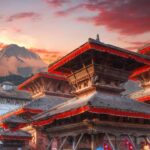
- Patan Durbar Square
- Pashupatinath and the Bagmati River views
- Boudhanath Stupa
- The Lukla flight: why this part feels like a roller coaster
- Lukla to Namche Bazaar: woods, bridges, and altitude training
- Trek day to Namche Bazaar
- Namche Bazaar rest day (acclimatization)
- Dingboche and Tengboche: monasteries, Sherpa villages, and sharp views
- Tengboche and the monastery visit
- Dingboche: views to Everest, Lhotse, and Ama Dablam
- Lobuche to Gorak Shep: the trek turns more serious
- Lobuche: steeper, harder effort and memorial stupas
- Gorak Shep: glacier path and rough terrain
- Everest Base Camp plus Kala Patthar: where the trip earns its reputation
- Everest Base Camp area
- Kala Patthar and sunrise chances
- The return downhill: Namche again, Lukla again, Kathmandu again
- Back to Namche Bazaar
- To Lukla and the warmer air
- Fly back to Kathmandu
- Who this trek fits best
- What I’d double-check before you go
- Should you book this Everest Base Camp and Kathmandu combo?
- FAQ
- What does the $1,799 per person price include?
- Are Kathmandu UNESCO entrance fees included?
- Do I need travel insurance?
- Which airports are used for flights to Lukla?
- How much porter support do I get?
- What trekking equipment do I need to bring?
Key highlights worth planning around
- Roller-coaster Lukla flights: Included flights from Kathmandu or Ramechhap into Lukla, with the dramatic landing everyone talks about.
- Kathmandu Valley day that matters: Swayambhunath, Patan Durbar Square, Pashupatinath, and Boudhanath, with the Bagmati River cremation sights nearby.
- Acclimatization time in Namche Bazaar: A dedicated rest day so your body can adjust before you climb higher.
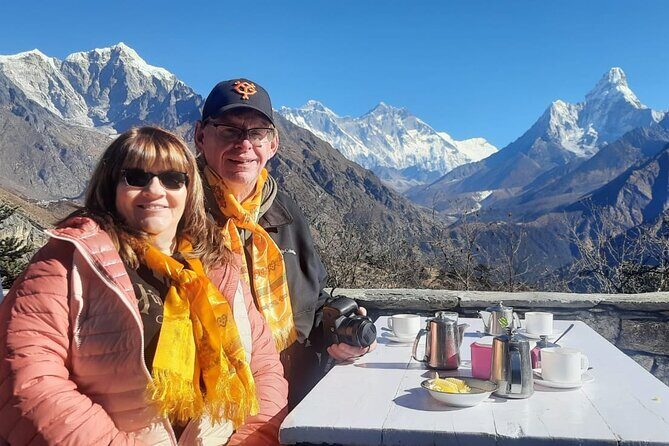
- Kala Patthar timing for big views: Time at Everest Base Camp area plus sunrise or early light from Kala Patthar (5,644m).
- Porter for your main bags: One porter carries baggage for two people, so you can focus on your daypack.
- Small group size: Maximum 15 travelers, which usually keeps the trek feeling manageable.
Price and logistics: what you’re really paying for
At $1,799 per person, this is a “full-service” style Everest Base Camp trip. The value isn’t in one single line item. It’s in how many expensive, hard-to-organize parts they handle for you.
What’s included that usually costs extra when you DIY:
- Flights Kathmandu or Ramechhap ↔ Lukla (round-trip)
- Everest National Park permit
- Government-licensed trek guide
- Porter support (shared: 1 porter for 2 guests)
- 3 nights in Kathmandu with breakfast
- Kathmandu UNESCO World Heritage Sites tour
- Most trek meals (breakfast 13 times, lunch 11 times, dinner 11 times)
- Airport arrival and departure support
What’s not included (and you should budget for up front):
- Travel insurance
- Kathmandu UNESCO entrance fees: $20 per person
- Trekking equipment
- Nepal visa
If you want the simpler path, this price looks fair because it removes the headache of coordinating flights, permits, lodging pacing, and guide/porter staffing. If you already own good gear and don’t mind managing logistics yourself, you might find cheaper options. But on Everest routes, “cheaper” often means more friction.
You can also read our reviews of more hiking tours in Kathmandu
Kathmandu first: Swayambhunath, Patan, Pashupatinath, Boudhanath
This trip starts by grounding you in Nepal’s living religious landscape—Hindu and Buddhist sites close enough to walk, talk about, and actually see.
Swayambhunath (Monkey Temple)
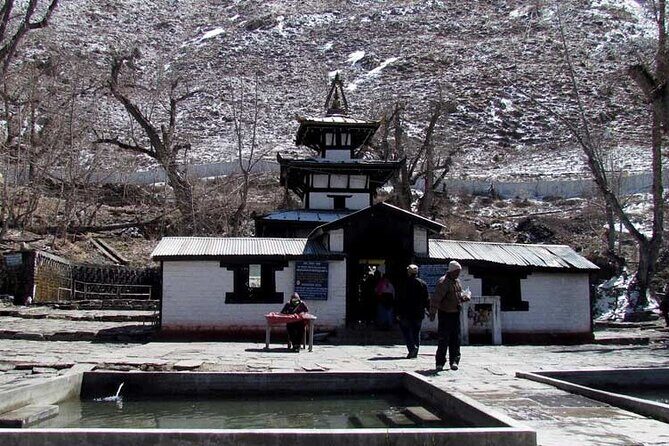
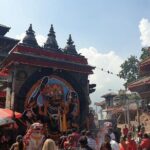
Swayambhunath sits on a hill with big temple energy and constant movement. You’ll go for a guided visit, with monkeys nearby that are charming from a distance and bold up close. Practical tip: keep your hands and pockets tight. Also, plan on respectful clothing at religious sites.
Why it’s a smart start: before you see Everest in the far distance, you’ll understand Nepal’s spiritual rhythm. That makes the Sherpa and monastery parts of the trek feel more grounded.
Patan Durbar Square
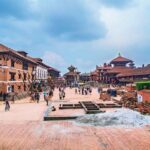
Patan Durbar Square is where you get arts and architecture in a compact area. You’ll have time to see temples and monuments tied to Patan’s “city of fine arts” reputation. Entrance fees are not included here, so plan on the extra cost.
If you like details, this is the day where you’ll notice craftsmanship—doorways, carvings, and the way the square works as a public space, not a sealed museum.
Pashupatinath and the Bagmati River views
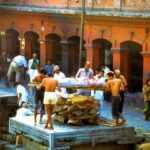
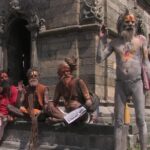
Pashupatinath is dedicated to Lord Shiva. Nearby, the Bagmati River is where you can observe Hindu cremation ceremonies (as the tour description notes). This is one of those moments that can feel serious, even if you’re a first-timer. If you’re sensitive, keep it respectful and keep your eyes where your guide indicates.
Even if you’ve seen temple photos, seeing it in person is different. The sights, sounds, and flow of people make it real.
Boudhanath Stupa
Boudhanath is massive and a major Buddhist site. You’ll visit the stupa, which is described as the biggest Buddhist temple of Nepal and second biggest in the world. If you enjoy slow travel energy, this stop fits. Look for how pilgrims move around the stupa area.
Entrance fees for this are not included. But the experience is worth budgeting for if you want the full Kathmandu cultural hit before the mountain half begins.
The Lukla flight: why this part feels like a roller coaster
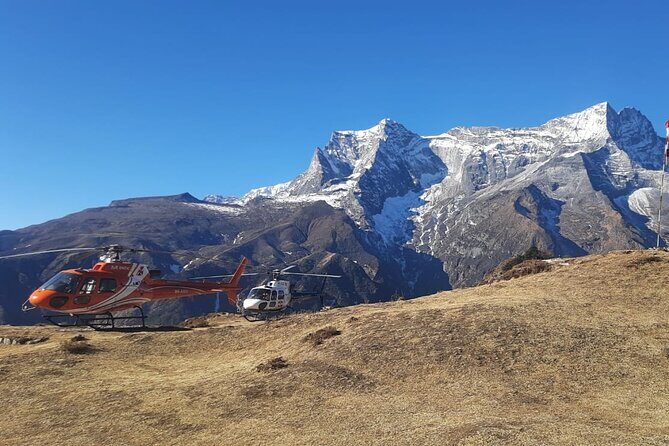
You’ll fly to Lukla from Kathmandu or Ramechhap, then begin your trek from there. The flight time is listed as short, but the experience is not “short” in feel. Expect a dramatic approach and a landing that’s talked about for a reason.
Why it matters for your trip quality:
- It gets you into real trekking country quickly
- It saves days compared with long overland approaches
- It sets the tone fast: this is not a casual hike day
One caution: flights are weather-dependent. Even with a solid plan, cloud cover can change schedules. This matters on any Everest itinerary, and this one is upfront that good weather is required.
Lukla to Namche Bazaar: woods, bridges, and altitude training
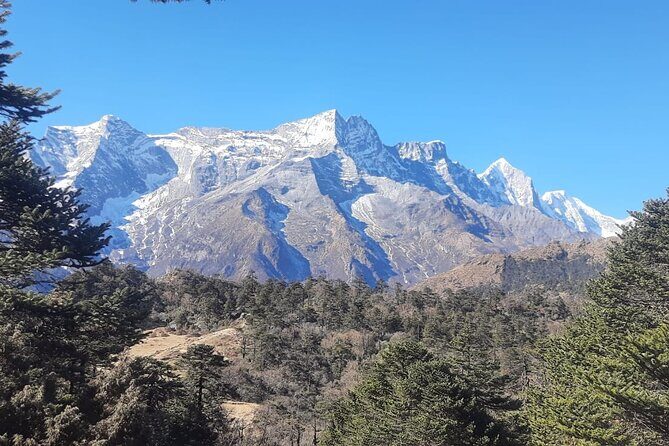
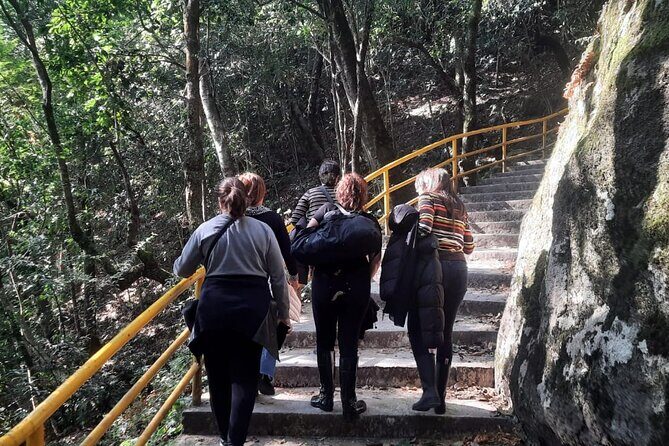
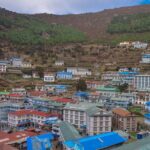
After landing in Lukla, you trek to Manjo, then continue toward Namche Bazaar. The route includes forest walking and crossing bridges. The description calls out woods like rhododendron, magnolia trees, and huge firs—so you’re not just stepping from rock to rock.
Trek day to Namche Bazaar
You’ll walk for about 4 hours on the day toward Namche. That’s a manageable start after the flight, but you’ll still feel the altitude. The air may feel thin even before you notice big symptoms. This is where good pacing matters.
Namche Bazaar rest day (acclimatization)
You get a dedicated rest day in Namche Bazaar. This is one of the most important parts of your whole schedule. A high-altitude trek isn’t only about willpower. It’s about letting your body catch up.
Why Namche works as an acclimatization hub:
- It’s high enough to matter
- It’s settled enough to function as a “base” town
- It breaks the climb into safer chunks
If you’ve ever heard people say Everest is a slow-motion game, this is where it becomes obvious. You’re training your breathing and your recovery rhythm.
Dingboche and Tengboche: monasteries, Sherpa villages, and sharp views
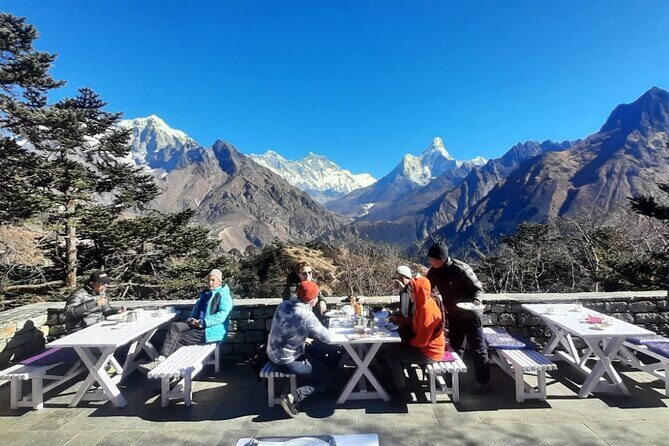
From Namche, you’ll move through Sherpa-area villages and higher terrain where the scenery and vibes change quickly.
Tengboche and the monastery visit
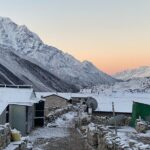
You’ll head toward Tengboche, including a climb toward the village and time at the Tengboche monastery. The trek description calls it the biggest monastery in the Everest region. Even if you don’t know the rituals, you’ll feel the importance of the place in how people gather and move.
Expect cold air and prayer-quiet moments between winds. And expect that you’ll want photos, because mountain views often open in bursts here.
Dingboche: views to Everest, Lhotse, and Ama Dablam
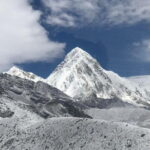
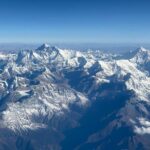
On the way to Dingboche, the route descends and passes through birch forests and rhododendron trees. The pay-off is clearer: you can see Mt. Everest, Lhotse, and Ama Dablam from the area as you trek.
Dingboche is also a reminder that Everest trekking is as much about weather and comfort as it is about “seeing the peak.” At these altitudes, a small comfort difference—layers, gloves, warm socks—can change how you feel at the end of a day.
Lobuche to Gorak Shep: the trek turns more serious
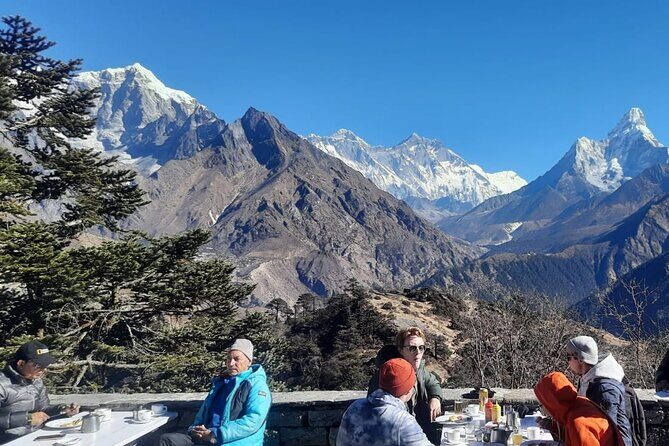
Once you’re higher, the trip shifts from “village trekking” to “mountain trekking.” The itinerary gets more demanding from Lobuche onward.
Lobuche: steeper, harder effort and memorial stupas
The route notes a harder phase, including a sheer walk to a steep hill and passing Dungla with memorial stupas. This is one of those spots that makes the trek feel real in a different way: it’s not just scenic, it’s historical and personal to many climbers.
If you get tired here, that’s normal. You’re above the comfort zone. Keep your pace steady, and keep drinking water even when you feel like you don’t want to.
Gorak Shep: glacier path and rough terrain
You’ll reach Gorak Shep, and from there the trek to Everest Base Camp continues on paths described as glacier routes with meandering over rough terrain. This is where you’ll likely feel cold more intensely—wind can cut through gear fast, and the “easy” parts still aren’t truly easy.
This day is also a turning point emotionally. The closer you get, the more your brain starts counting up the next viewpoint.
Everest Base Camp plus Kala Patthar: where the trip earns its reputation
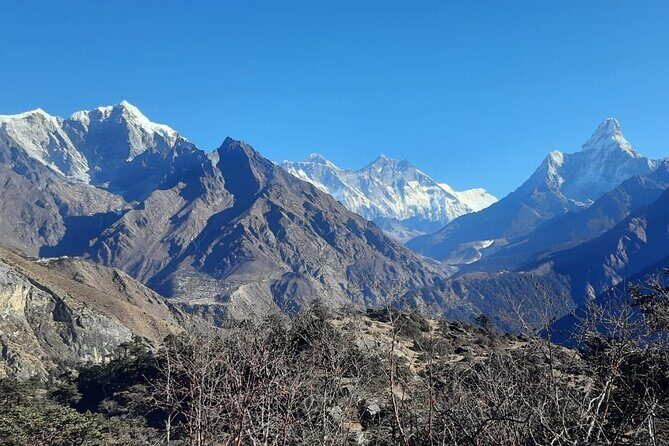
Reaching the Everest Base Camp area is a milestone. The schedule then builds in the higher viewpoints, especially Kala Patthar (5,644m).
Everest Base Camp area
The trek description frames the hike as moving at a comfortable pace toward Kala Patthar, with views of nearby peaks mentioned as Lingtren, Khumbutse, and Changtse. From here, the mountains aren’t just “in the distance.” They dominate the horizon.
A practical note: base camp day often involves a mix of walking and waiting for conditions to look their best. If it’s clear, you’ll get your reward fast. If clouds move in, you may need to accept the mountain’s moods.
Kala Patthar and sunrise chances
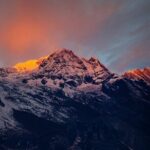
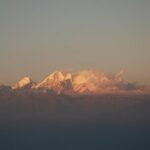
You get another morning hike for sunrise on Kala Patthar, timed so the sunrise rises from behind the Mount Everest massif. The description notes the peaks appear golden in that light.
Even if sunrise isn’t your thing, going up early is still useful. The air can be steadier, and visibility sometimes feels better before the day heats up.
The return downhill: Namche again, Lukla again, Kathmandu again
The way back is where many trekkers realize a key truth: descent can feel easier, but it’s still work.
Back to Namche Bazaar
You’ll walk the trail with ups and downs, losing nearly 2,000 feet in altitude, then descend through rhododendron areas and cross a bridge over the Dudh Koshi River. This is one of the more “human pace” sections, because you’re moving from high, spare terrain back toward places that feel livelier.
Still, your knees might disagree by the end. Trekking poles aren’t listed, so you’ll rely on your own gear. (This is why bringing the right footwear and tools matters.)
To Lukla and the warmer air
On the way to Lukla, the description says you’ll feel the air is warmer again. The route includes descending on rocky paths and crossing suspension bridges, then walking on surfaced paths near the end.
That last stretch often feels like relief mixed with a little sadness. You’re tired, but you’re also aware that the mountain phase is almost finished.
Fly back to Kathmandu
You fly from Lukla to Kathmandu early in the morning, then check into a Kathmandu hotel and have time to explore around town if anything remains. A farewell dinner is part of the program.
Who this trek fits best
This is listed as suitable for travelers with moderate physical fitness. That doesn’t mean “easy.” It means the route is structured to be achievable for people who train a bit and commit to pacing, hydration, and cold-weather basics.
This fits especially well if:
- You want a guided Everest Base Camp trek without handling permits, flights, and meal planning
- You want Kathmandu culture as more than a photo stop
- You like small-group trekking (max 15 travelers)
- You prefer carrying only a daypack, with a porter handling main baggage
If you’re chasing a freewheeling solo experience, this probably isn’t your best match. The whole value here is organization: guide, timing, permits, and flight coordination.
What I’d double-check before you go
A good trip is planned twice: once in your head, once in your packing list.
1) Your gear
The trip notes that you bring your own trekking equipment. That means boots, layers, gloves, and sleep basics are on you. If your gear is borderline at home, it will feel worse above tree line.
2) Budget for entrance fees and visa
Kathmandu UNESCO entrance fees are not included ($20 per person). Visa and travel insurance also aren’t included.
3) Weather reality
The experience requires good weather, and poor conditions can affect scheduling. Flights and high-altitude visibility are the usual pressure points.
Should you book this Everest Base Camp and Kathmandu combo?
If you want a classic, well-timed Everest Base Camp trek with a strong Kathmandu cultural start, this is a good fit. The pricing makes sense because it includes the big-ticket logistics: Lukla flights, permits, a licensed guide, a porter plan, and most meals.
I’d book it if you appreciate structure, want smaller group energy (15 max), and you’re comfortable handling the extra basics: Kathmandu entrance fees, your own trekking gear, and visa/travel insurance. I’d think twice if you’re aiming for a fully DIY approach or if your schedule is extremely tight around weather windows.
Bottom line: this is built for travelers who want the mountain moment and the Kathmandu context, without juggling every moving part yourself.
FAQ
What does the $1,799 per person price include?
It includes airport arrival and departure support, the Everest National Park permit, round-trip flights between Kathmandu or Ramechhap and Lukla, a government license holder trek guide, a porter to carry baggage (for two guests: 1 porter), 3 nights in Kathmandu with breakfast, a Kathmandu UNESCO World Heritage Sites tour, plus trek meals listed as breakfast (13), lunch (11), and dinner (11).
Are Kathmandu UNESCO entrance fees included?
No. Kathmandu UNESCO entrance fees are not included, listed as $20.00 per person.
Do I need travel insurance?
Yes, travel insurance is not included.
Which airports are used for flights to Lukla?
Flights are included from either Kathmandu or Ramechhap to Lukla, and return flights are included as well.
How much porter support do I get?
You’ll have a porter to carry your baggage with the plan stated as 1 porter for 2 guests, so you’ll still carry a daypack yourself.
What trekking equipment do I need to bring?
Trekking equipment is not included, so you’ll need to bring your own gear. The trip also notes you should have a moderate physical fitness level.