REVIEW · KATHMANDU
Manaslu Circuit Trek
Book on Viator →Operated by Outshine Adventure Pvt Ltd · Bookable on Viator
You don’t come to Nepal just for pretty photos. You come for the Manaslu Circuit Trek—a route with hot springs, suspension bridges, prayer flags, and big passes like Larkya La. I especially like how Outshine Adventure sets you up with a solid Kathmandu introduction, then keeps the trek moving with a licensed English-speaking guide and local support staff.
The second thing I like is practical: you’re not left figuring logistics while your legs are negotiating gravity. You get standard meals, best-available guesthouses/lodges on the trek, and even a down jacket and sleeping bag if needed. One thing to consider: this is a moderate-to-challenging hike, with long days like the 9-hour push toward Bimthang and rough, steep sections around the pass.
Key points at a glance
- Permits handled for Manaslu (special permit, trekking permit, and conservation park permits included)
- Kathmandu heritage tour with a private car and expert explanation
- Support that actually carries weight: porters plus a local staff team
- Acclimatization built in with extra time around Samagaon
- Iconic route moments: Tatopani hot spring, mani walls, and Larkya La day
- Small groups with a maximum of 15 people
In This Review
- The Real Appeal: Manaslu’s Mix of Mountains and Culture
- Price and Value: What You’re Actually Paying For
- Kathmandu Day 1-2: Get Your Bearings Before the Trail
- The Drive to Arughat and the First Trek Rhythm
- Tatopani, Hot Springs, and Jagat: Where the Trail Starts Feeling Real
- The Inner Valley Days: Chortens, Prayer Flags, and Big-Feeling Mountains
- Samagaon: The Acclimatization Stop You’ll Thank Yourself For
- The Larkya La Day: When the Trek Turns Serious
- Back Down to Kathmandu: Comfort After the Mountains
- Guides, Support, and the Small-Group Advantage
- What to Pack (and What You Might Not Need to Worry About)
- Who This Manaslu Circuit Trek Suits Best
- Should You Book Outshine Adventure for Manaslu Circuit?
- FAQ
- How long is the Manaslu Circuit Trek with this Outshine Adventure tour?
- Where do we meet, and what time does the tour start?
- What’s included in the trek?
- Are the Manaslu permits included?
- Does the price include gear like a sleeping bag or down jacket?
- What is not included?
- What’s the group size limit?
The Real Appeal: Manaslu’s Mix of Mountains and Culture
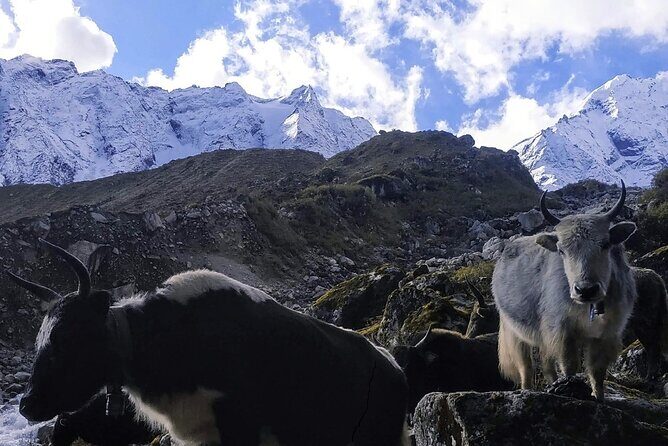
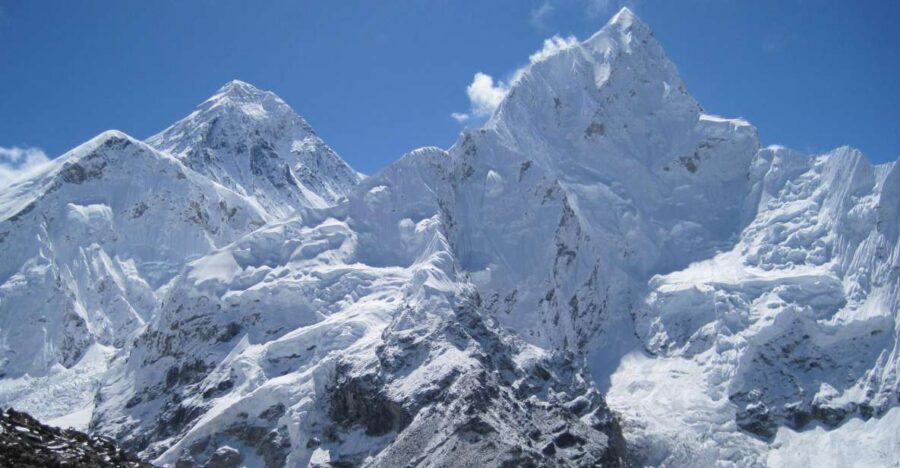
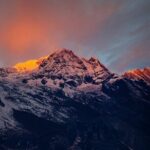
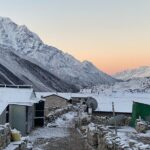
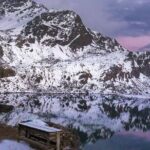
The Manaslu Circuit is known for big mountain views, but the draw is bigger than that. You’ll hike through forests, cross suspension bridges, and spend nights in villages where prayer flags and mani walls aren’t scenery props—they’re part of daily life. You’ll also get a chance to see the region’s high-altitude feel, including glacier-lake calm and serious ridge-and-valley trekking.
This route also gives you variety without feeling random. One day you’re descending through terraces and waterfalls, the next you’re in a quieter inner-valley rhythm with chortens and village paths. That blend is what keeps the trek interesting when you’re already tired and the trail starts to look like a never-ending line of rocks.
The other appeal is the way the plan respects altitude. It doesn’t try to rush you to the highest point with no pause. You get that key rest window in Samagaon, which makes a noticeable difference if you want to keep enjoying the scenery instead of just surviving the next hour.
Price and Value: What You’re Actually Paying For
At $1,575 per person for about 17 days, you’re not just buying walking. You’re paying for the infrastructure that makes the trek workable: permits, a licensed guide, lodge support, and meals. When those pieces are missing, trekking becomes a scavenger hunt while you’re short on oxygen and time.
Here’s where the value is strongest:
- Permits are included: Manaslu Special Permit, trekking permit, and conservation park permits. For routes like this, that’s not a small detail.
- Meals are covered across the trek (breakfast, lunch, and dinner as listed). That matters because dining choices at higher elevations can get limited.
- Lodging is included at hotels in Kathmandu and best-available guesthouses/lodges on the route.
- Staffing and porter support are included, including food, accommodation, salary, insurance, and equipment/medicine for trekking staff.
A reasonable consideration: you’ll still have “real life” costs like personal items, laundry, alcoholic/cold drinks, and tips. Tips for trekking staff and the driver are expected, and Kathmandu monument entrance fees aren’t included—those are the kinds of add-ons that can sneak up if you haven’t budgeted them.
You can also read our reviews of more hiking tours in Kathmandu
Kathmandu Day 1-2: Get Your Bearings Before the Trail
Your first day starts with an airport welcome at Tribhuvan International Airport in Kathmandu. You’ll meet an airport representative holding a sign for Outshine Aventure, then get private-car transfer to your hotel. After check-in, you’ll meet the company for documentation and trek briefing.
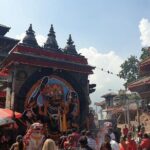
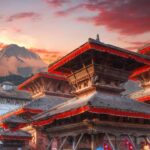
On day 2, you’ll do a Kathmandu city tour by private car with an expert guide. The stops include Swayambhu Mahachaitya, Kathmandu Durbar Square, Buddhanath, and Pashupatinath. This isn’t just sightseeing. It helps you understand what you’re seeing once you’re deep in the hills—because these religious and cultural symbols show up again and again along trek routes as mani walls, chortens, and prayer-flag style decorations.
There’s also a practical block of time in the afternoon for equipment shopping or preparation. That’s a relief if you need to swap out boots, buy thermal layers, or replace something you forgot.
The Drive to Arughat and the First Trek Rhythm
After breakfast on day 3, you drive toward Soti Khola via Arughat Rural Municipality. This is a long ride, and the point is to get you into position for the real work while letting you ease into the Nepal rhythm of small settlements and changing scenery.
Once you reach Soti Khola, lunch is included, then you explore the area and sleep in a guesthouse. That first overnight matters more than people think. You’re not just traveling—you’re shifting from city time to trail time.
On day 4, you start with a bridge crossing and move through sal forests, then reach a ridge. You’ll tackle a rugged trail with ups and downs, cross waterfalls, descend into rice terraces, and keep climbing again toward Labubesi. The day ends at Machha Khola village after more effort, including a suspension bridge before you reach town.
A small drawback here: the early days can feel like a “practice round.” If you’re prone to going too hard at the start, resist the urge to rush. The faster you spike your pace on days 3-4, the more likely you’ll feel it later.
Tatopani, Hot Springs, and Jagat: Where the Trail Starts Feeling Real
Day 5 shifts you from forest-and-terraces into river-and-bridge terrain. You’ll move on a narrow trail, cross Tharo Khola, reach Khorla Besi, and continue to Tatopani, where you’ll find a small hot spring. It’s not just a cute side moment. A brief warm stop can reset sore legs and make the next climb feel less brutal.
From there, you ascend to a ridge, cross the Budhi Gandaki River on a suspension bridge, and keep climbing to Jagat. Expect bridges again and again on this route—and that’s a big part of why the Manaslu Circuit is memorable. When you cross, you’re not in a safe, flat world. You’re getting real exposure to wind, height, and the valley’s shape.
Day 6 carries forward with permits checked, then a rocky ridge climb to Salleri, a descent to Sirdibas, and another long hanging bridge. You’ll thread through impressive waterfalls, pass Ekle Bhatti, then cross the river twice over suspension bridges. The day ends in Deng, after walking along the valley and passing a small campsite.
If you’re the type who hates loose footing, plan to slow down on suspension bridge approaches. It’s not about fear—it’s about balance and ankle comfort.
The Inner Valley Days: Chortens, Prayer Flags, and Big-Feeling Mountains
Day 7 starts with crossing the Budhi Gandaki River again, then climbing toward Rana and up to the west of the Budhi Gandaki valley. You’ll pass through lush green forests and small villages, and you’ll keep moving through narrow gorge sections and stream crossings. Eventually you reach Namrung Village.
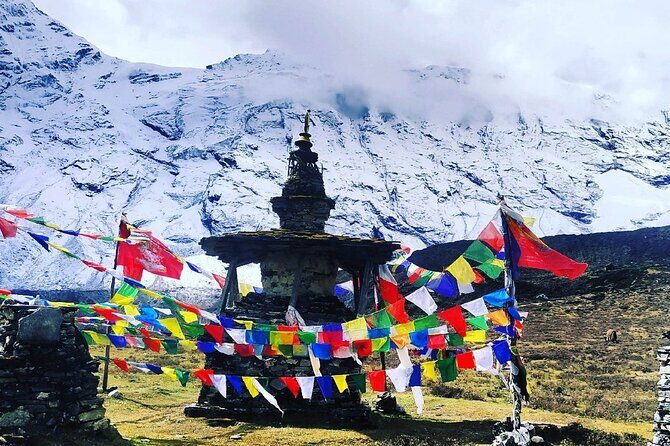
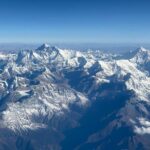
Day 8 is a highlight for many hikers because the trail opens up into “mountain + culture” mode. You’ll trek a winding route through the inner Himalayan range with views of Mt. Manaslu and other peaks such as Gorkha Himal, Saula Himal, Dwijen Himal, Lajing peak, and Rupina La Pass. Along the way you’ll see chortens, prayer flags, and mani walls before reaching Lho Gaon.
You don’t just walk through postcard scenes here. The signs of faith are functional markers on the trail. They also help you feel the continuity of this landscape—people live with these mountains, not just next to them.
Day 9 continues with a riverbank trek to Sama Gaon with more peaks in view.
Samagaon: The Acclimatization Stop You’ll Thank Yourself For
Day 10 is built for altitude success. You’re strongly encouraged to rest in Samagaon for more than one night for acclimatization. During that time, you can enjoy the village and even hike to Manaslu Base Camp or Punggen Gompa for excellent views over the area around Samdo (Pang phuchuli), Nagdi chuli, Simnang Himal, the Manaslu glacier, and Manaslu icefall.
Even if you don’t do the longer side hikes, the “rest day” matters. Your body gets time to adjust, which can make the difference between enjoying the scenery and feeling like every breath is a chore.
Day 11 keeps things lighter: a short and easy day to Samdo, crossing mani walls and juniper bushes, then ascending to a ridge, descending, and crossing Buri Gandaki on an old wooden bridge.
Day 12 continues with a short, easy trek, leaving Samdo behind, crossing the Budhi Gandaki River, then slowly ascending toward the Dharamsala area (the trek pace stays manageable before the bigger day ahead).
The Larkya La Day: When the Trek Turns Serious
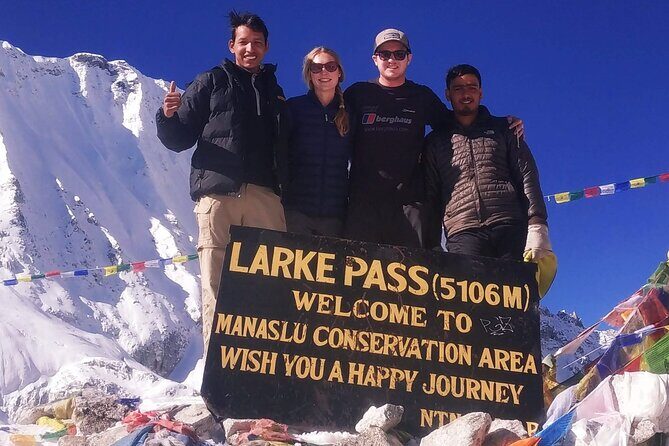
Day 13 is the “pay attention” day. You’ll wake early, ascend on a ridge, then take a rugged path up to Larkya La Pass. The payoff is breathtaking mountain scenery from that viewpoint, and then you keep trekking on a loose rocky trail toward Bimthang.
This is where your pacing strategy pays off. If you rush earlier days, you’ll feel it here. If you’ve kept a steady effort and rested in Samagaon, you’ll likely have the energy to enjoy the pass views instead of just grinding through.
Day 14 is a long descent to Gho, with around 6 hours down. That’s tough in a different way—knees and quads do the work, not lungs. Proper trekking pole use helps if you have them (the trek data doesn’t promise poles, so pack yours if you use them).
Day 15 continues descending to Dharapani for about 4 hours.
Back Down to Kathmandu: Comfort After the Mountains
On day 16, you leave the trekking zone and head back toward Kathmandu. You’ll descend and reach Besishahar, then continue to Kathmandu and move to your hotel. You’ll rest, and the day ends with a farewell dinner.
Day 17 finishes with a transfer from your hotel to the international airport based on your flight time. If you have extra time, the plan notes that the company can increase tours or add activities, depending on what you want.
I like this structure. It gives you a clean landing back in Kathmandu instead of a sudden “go go go” day where you’re exhausted and still have to manage everything.
Guides, Support, and the Small-Group Advantage
This trek runs with a local licensed English-speaking guide, plus the right number of local staff and porters to carry your luggage. That support is included in the cost, including staff insurance, equipment, and medicine.
In the feedback you’ll find guide names like Nabu and Bikash, both praised for going out of their way to assist and for actively weighing when it makes sense to continue. That’s a good sign because decision-making matters on mountain routes. Weather and body status can change fast, and a good guide is the difference between pushing when it helps and pushing when it’s just stubborn.
Group size is capped at 15, and that tends to keep the hike from turning into a slow-moving line of people at the worst moments—especially on narrower trail sections and bridge crossings.
What to Pack (and What You Might Not Need to Worry About)
The trek provides a down jacket and sleeping bag by Outshine Adventure if needed, which can save you money and hassle—especially if you’re arriving from elsewhere and don’t want to buy gear for one trip. You’ll still need your own core trekking gear and a calm plan for layering.
At a minimum, think in layers and in altitude-ready habits:
- Windproof outer layer for high exposure and pass weather
- Warm mid-layer for evenings and early starts
- Footwear with solid traction for rocky and loose sections
- A small daypack for water and essentials on the long walking hours
- Medication and simple personal supplies, since personal expenses aren’t included
Also, expect that you’ll feel tired sooner than you think on this kind of circuit. Build in small checks like foot care, hydration, and a steady pace. Your goal isn’t to break speed records. Your goal is to get to the scenic points feeling like you earned them.
Who This Manaslu Circuit Trek Suits Best
This experience is labeled as requiring moderate physical fitness. That’s realistic: you’ll walk days in the 4–9 hour range, with some longer and more rugged days. If you’ve done multi-day hikes before and understand that altitude changes everything, you’ll probably feel comfortable with the pacing.
You’ll likely love it if you want:
- Culture on the trail (mani walls, prayer flags, chortens)
- Mountain views that show up day after day
- A plan that includes acclimatization time in Samagaon
- A group supported by guides and porters, not a bare-bones DIY mission
You might reconsider if you:
- Hate long descents (days 14 and 15 are descent-heavy)
- Are injury-prone with knees/ankles on rocky paths
- Want a mostly flat walking holiday (this trek is not that)
Should You Book Outshine Adventure for Manaslu Circuit?
I’d book if you value structure and support. The package includes permits, meals, lodge accommodation, and a licensed guide, and you still get enough freedom to enjoy side moments like Samagaon acclimatization and optional hikes to base camp or Punggen Gompa.
I’d hold off if you want zero extra costs or no expectations around tipping and personal expenses. Also, if you’re very sensitive to rugged terrain, be honest about your comfort with pass-day rough sections and long descents.
If you want a Manaslu Circuit that’s guided, practical, and tuned for real mountain trekking rhythms, this is one of the more sensible options on the table.
FAQ
How long is the Manaslu Circuit Trek with this Outshine Adventure tour?
It’s about 17 days.
Where do we meet, and what time does the tour start?
The meeting point is Paknajol, Kathmandu 44600, Nepal, and the start time is 6:45 am.
What’s included in the trek?
The tour includes airport and hotel pickup/drop-off by private car, Kathmandu hotel accommodation for 3 nights, guided city tour in Kathmandu by private car, standard meals during the trek, best-available lodges/guesthouses during the trek, and a licensed English-speaking guide plus local staff and porters.
Are the Manaslu permits included?
Yes. The Manaslu Special Permit, trekking permit, and Manaslu conservation park permits are included.
Does the price include gear like a sleeping bag or down jacket?
Yes, a down jacket and sleeping bag are provided by Outshine Adventure if needed.
What is not included?
Travel insurance, personal items (like alcoholic drinks, cold drinks, and laundry), trekking equipment, tips for trekking staff and drivers, and Kathmandu sightseeing/monument entrance fees.
What’s the group size limit?
This tour/activity has a maximum of 15 travelers.