REVIEW · KATHMANDU
Mardi Himal Trek Nepal
Book on Viator →Operated by Magic Himalaya Treks · Bookable on Viator
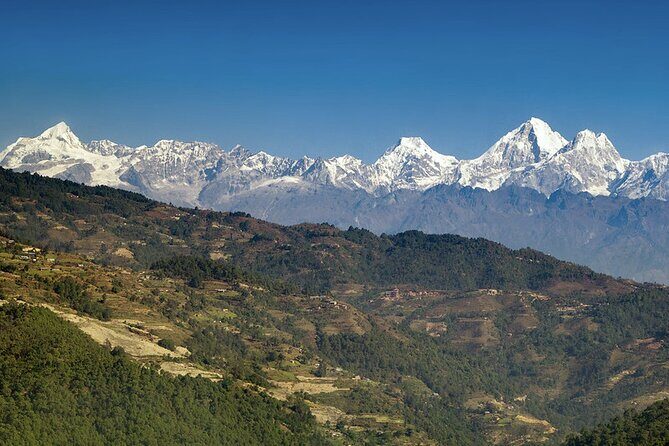
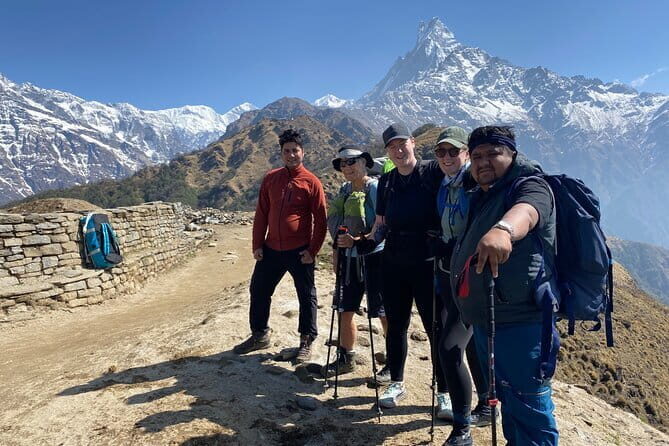
If you want Himalayan views without the crowds, Mardi Himal delivers. This short trek in Nepal’s Annapurna region is built for scenery lovers who also care about smooth logistics, from Kathmandu pickup to tea house nights in the mountains. You’ll track past forests and alpine meadows, then chase wide-angle views of Mount Machapuchare (Fishtail), Annapurna South, and Hiunchuli.
I like the way the plan mixes real trekking days with practical transportation. You also get a full support setup—guide and porter help, permits covered, and meals and accommodation included—so your energy stays for the trail. One possible drawback: the schedule includes early starts and long road legs (Pokhara and back to Kathmandu), so this is better for people who don’t mind sitting on buses for hours.
One more consideration: you’ll be sleeping in tea houses (cozy, but not luxury). If you’re expecting modern hotel comfort at altitude, you’ll want to adjust your expectations before you go.
In This Review
- Key Highlights You’ll Care About
- Why Mardi Himal Feels Like the Smart Choice in the Annapurna Region
- Getting There Without Headaches: Kathmandu, Pokhara, and the 1:15 am Start
- Day-by-Day Trek Walkthrough: Deurali, High Camp, and the Upper Viewpoint
- Day 1 in Kathmandu: Thamel Hotel + Office Briefing
- Day 2 to Pokhara: 7 Hours by Tourist Bus
- Day 3: Kande to Deurali + Lunch at Australian Camp Viewpoint
- Day 4: Forest Trek to Low Camp
- Day 5: Low to High Camp + Thinner Tree Line
- Day 6: Upper Viewpoint Day with Steep and Narrow Trail Sections
- Day 7: A Different Route to Shiding Village + Drive Back to Pokhara
- Day 8: Pokhara to Kathmandu by Bus + Farewell Dinner
- Day 9: Airport Transfer to Fly Home
- What Tea Houses and Included Meals Actually Mean for Your Energy
- The Team Factor: Why Magic Himalaya Reviews Keep Coming Back to Attention
- Price and Value: Is $750 Fair for What You Get?
- Who This Trek Suits Best (and Who Should Skip It)
- Should You Book Mardi Himal with Magic Himalaya Treks?
- FAQ
- FAQ
- How long is the Mardi Himal Trek with Magic Himalaya Treks?
- What’s included in the $750 per person price?
- What time does the experience start?
- How big is the group?
- Which mountains and views are the trek aiming for?
- Do I need to bring my own trekking gear and clothes?
- Can I cancel and get a full refund?
Key Highlights You’ll Care About
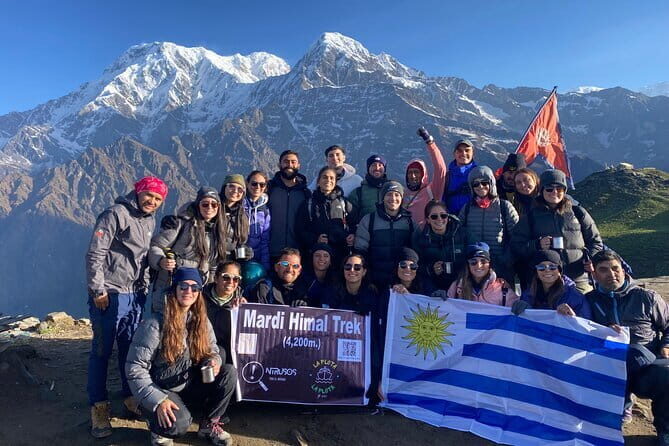
- Quieter Annapurna alternative: Mardi Himal is a lesser-crowded option compared with the region’s biggest treks.
- Machhapuchare and Annapurna views: the route is designed around big panoramas of Fishtail and nearby peaks.
- Tea house convenience: you won’t live in a tent—lodges and tea houses are part of the current route.
- Support with Nabin on the radar: multiple reviews praise attentive team leadership and day-to-day responsiveness.
- Clear transport rhythm: air-conditioned tourist bus to Pokhara, private transfers where needed, and scheduled return drives.
Why Mardi Himal Feels Like the Smart Choice in the Annapurna Region
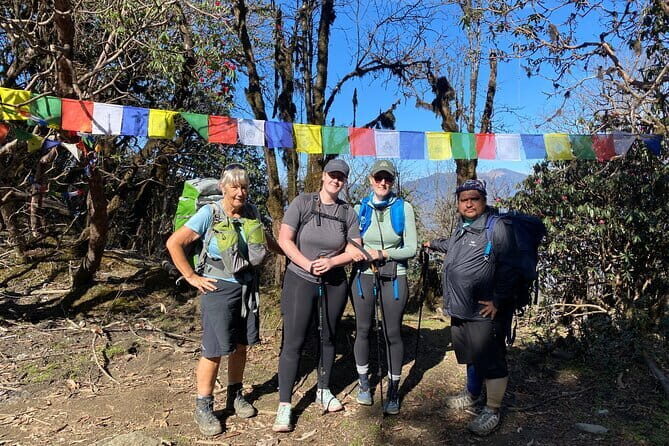
Mardi Himal Trek has a reputation for delivering the Annapurna feeling—high views, changing terrain, cold mornings—without turning into a traffic jam of people with trekking poles. The overview calls it newly popular in the tea house format, and that shift matters. Tea house trekking is a big deal because it keeps the trip moving at a comfortable pace. You’re not dealing with daily camp setup, so the time on trail goes to walking and enjoying the day rather than logistics chores.
The scenery focus is also specific. You’re aiming for panoramas that include Mount Machapuchare (Fishtail), Annapurna South, and Hiunchuli. That’s a strong trio for one of Nepal’s most famous mountain zones. And because the trek is short (about 9 days), you get those views without committing to a months-long Himalayan itinerary.
I also like the “varied terrain” promise. The route moves from forest areas into alpine-type scenery and then toward rugged, higher ground. That change is what makes Mardi Himal more interesting than a trail that’s mostly the same altitude all week.
The main “watch out” is effort. The trek is described as requiring moderate physical fitness. It’s not just about walking; you’ll have steep, narrow sections (especially as you near viewpoint areas). If you’re okay with that, you’ll love it.
You can also read our reviews of more hiking tours in Kathmandu


Getting There Without Headaches: Kathmandu, Pokhara, and the 1:15 am Start
This trip is built around a logistics-first approach. You start in Kathmandu with pickup from the airport and transfer to a hotel in Thamel. Then you’ll get a briefing at the Magic Himalaya treks office in the evening. Thamel is where many people base themselves, so getting oriented is usually easier when you start there.
Then comes the road rhythm:
- Day 2: a tourist bus drive to Pokhara (about 7 hours).
- Day 8: back to Kathmandu by tourist bus (about 6–7 hours).
- Day 7: a drive back to Pokhara after trekking to Shiding Village.
The schedule also includes a meeting start time of 1:15 am. That’s not a random detail. Early starts in trekking tours can mean you’re avoiding later-day travel and trying to time the trek legs with daylight. Just plan to be ready early and pack smart the night before.
On top of that, the tour includes pickup and drop at airports using private transportation. That means you’re not trying to wrangle taxis and negotiate fees when you’re tired from flying. For a trek that costs $750, that kind of “hands-on” ground plan is part of what you’re paying for—not just the trekking itself.
Day-by-Day Trek Walkthrough: Deurali, High Camp, and the Upper Viewpoint
Here’s what your 9-day flow looks like once the trekking starts, with practical notes on what each segment feels like.
Day 1 in Kathmandu: Thamel Hotel + Office Briefing
After arrival, you’ll get picked up and transferred to a hotel in Thamel. In the evening, you’ll go to the Magic Himalaya office for a briefing. This matters more than people think. A solid briefing helps you confirm expectations like gear readiness, meal timing, and what to do if weather shifts.
If you like having a human explain the plan, this is a good start. It sets up the trip so you’re not guessing on day one.
Day 2 to Pokhara: 7 Hours by Tourist Bus
You’ll transfer from Kathmandu to Pokhara by tourist bus. The trip is long, so treat it like part of the travel day, not a warm-up hike. When your real effort starts the next day, you’ll be glad you didn’t waste energy doing side activities here.




Day 3: Kande to Deurali + Lunch at Australian Camp Viewpoint
Day 3 begins with a car/private vehicle to Kande, then your trek starts toward Deurali. There’s a note that you’ll probably have lunch at Australian Camp, which is also a viewpoint.
This is the kind of early-day structure that helps first-time trekkers. You begin with a transfer, then start walking with a “reason to stop” for lunch at a scenic spot. It’s not just eating; it’s a calm introduction to mountain views.
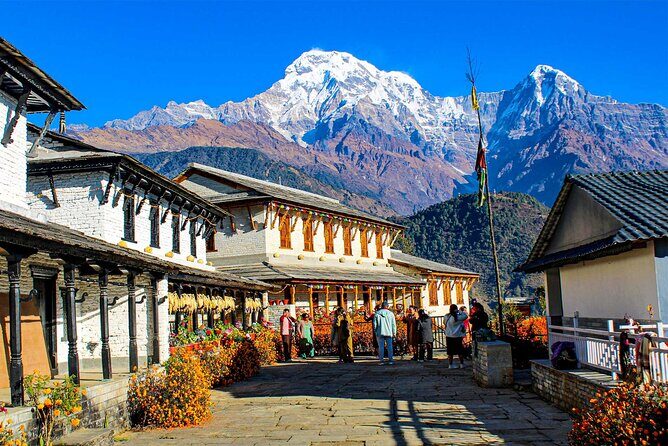
The overnight is in Deurali villa. Tea house trekking in this region tends to be basic but comfortable, and the villa-type wording suggests you’ll have something more established than a camping-only stop.
Day 4: Forest Trek to Low Camp
Day 4 is a forward move through forest until you reach low camp for the night. The plan points to seeing outstanding Himalayan ranges from low camp.
Forest-to-camp days are useful because the air can change quickly as you go up. You’re walking, warming up, and then getting that first taste of open scenery without jumping instantly into the coldest, highest conditions.
The day includes accommodation plus breakfast, lunch, and dinner, which is a big plus for pacing. You’re not hunting for meals.
Day 5: Low to High Camp + Thinner Tree Line
Today you walk upward to high camp. The description notes that the tree line gets thinner as you climb, and there’s even a possibility of seeing Danphe (the national bird of Nepal).
High camp is where you finish the day, and it’s described as the final destination for the day’s trekking segment. That tells you something important: expect a more concentrated hike, where the walking might feel steeper as the trees fade and the scenery becomes more exposed.
Also, Danphe sightings are the kind of “small reward” that makes a trek feel personal. Even if you don’t see one, you’ll still notice the shift in the environment as vegetation thins out.
Day 6: Upper Viewpoint Day with Steep and Narrow Trail Sections
This is a long trekking day. The outline mentions ascending, descending, and time on steep and narrow trail as you head toward an upper viewpoint. The route also passes through pastures on the way.
If you want the day that feels like a real trek, this is it. Narrow trail segments can be mentally demanding, even when the distance isn’t huge. I’d treat this day as your “pay attention to footing” day. Take it slow on the technical bits and let your legs find rhythm.
You’ll reach the upper viewpoint for the end-of-day experience, which is where you bank the panoramic effort.
Day 7: A Different Route to Shiding Village + Drive Back to Pokhara
Instead of following the same route, Day 7 uses a different path to reach Shiding Village. Then you drive back to Pokhara for an overnight stay.
This is one of the smartest design choices in the itinerary. Looping or using a different path reduces the “backtracking fatigue.” It also gives you different angles on the scenery, even if you’re not going much higher.
Day 8: Pokhara to Kathmandu by Bus + Farewell Dinner
You’ll have breakfast at the Pokhara hotel, then take a short walk or drive to the tourist bus park. The ride back takes about 6–7 hours.
This day includes a farewell. That sounds like a nice touch, but in practice it can help you decompress and share a few stories after the hardest walking days.
Day 9: Airport Transfer to Fly Home
Your last day is a simple pickup from your Kathmandu hotel before departure, then transfer to the airport. It’s the kind of clean ending you want after a trek—no last-minute scrambling.
What Tea Houses and Included Meals Actually Mean for Your Energy
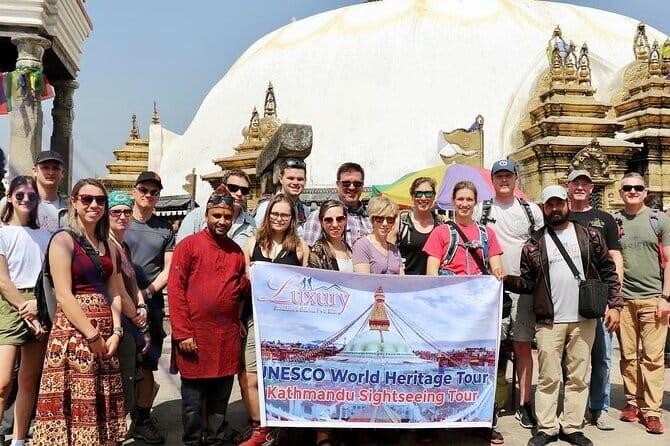
This trek is part of the current tea house format. That matters because it changes how your daily stamina is spent. Instead of planning meals around camp cooking, you’re focused on walking and then showing up for food when you arrive.
The included meals are clearly listed:
- Breakfast (8)
- Lunch (5)
- Dinner (5)
That also tells you something about pacing. Not every day is a full three-meal trekking day—some days are heavier travel days, and those often get simpler meal patterns. Still, having multiple meals and accommodation included means you won’t be making constant decisions under cold or tired conditions.
On the mountain side, lodging is described as included throughout, and the stops include places like Deurali villa and low/high camp nights. In tea house trekking, the quality can vary by location, but the big point is reliability. You know you’ll sleep somewhere arranged by the operator.
One more practical note: the tour includes a medical kit box and required medicine. That doesn’t replace travel insurance, but it does show you’re not walking into the mountains completely alone.
The Team Factor: Why Magic Himalaya Reviews Keep Coming Back to Attention
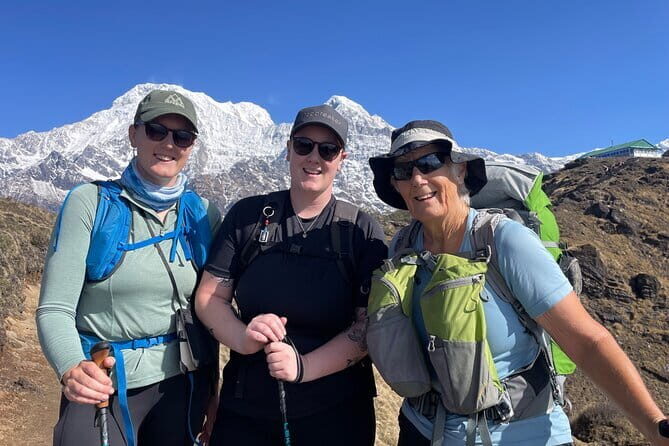
You can feel the difference between a trek company that sells a route and a company that runs a trip. The reviews attached to this experience repeatedly praise attentive leadership and smooth day-to-day handling. Names you’ll see include Nabin, and the pattern is consistent: people appreciate how quickly the team supports the group and how carefully details are managed.
This matters on a trek like Mardi Himal because conditions can change. Even if nothing dramatic happens, the day-to-day questions are real:
- Are we on schedule for the next stop?
- Is weather affecting the viewpoint timing?
- Can we adjust when the group needs a slower pace?
- Are meals and lodging arranged without confusion?
If you like structure and want someone to handle the moving parts, this is a strong match. And the operator promises team support across the trek days, not just at the start.
Also, the tour notes a maximum group size of 16. Smaller groups can feel more flexible. In a crowded area, that’s helpful. In a quieter trek like Mardi Himal, it helps you enjoy the trail without feeling like you’re walking through a busload.
Price and Value: Is $750 Fair for What You Get?
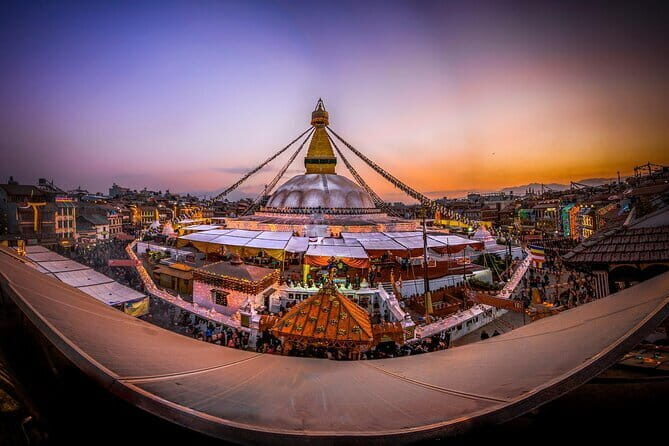
At $750 per person, you’re paying for more than the trek trail. You’re paying for the infrastructure that makes it work:
- Air-conditioned vehicle/bus transport between Kathmandu and Pokhara
- Private vehicle support to Kande and a jeep drive related to the Shiding return
- Guide and porter salaries and support equipment
- Annapurna conservation permits and required documents
- Trekking map and a duffel bag for the porter
- Medical kit and required medicine
- Farewell dinner and celebrations
The included meals and accommodation are also part of the value equation. In many trekking budgets, people forget that lodging and food costs at altitude add up fast. Here, they’re handled for you.
So is it a bargain? Not necessarily the cheapest option, but it looks like a fair price for a guided, supported tea house trek with permits covered and included transfers. The biggest value is the reduction in decision fatigue: you show up, the plan moves, and you spend your attention on walking and views.
If you’re the kind of person who would otherwise spend days coordinating permits, transport timing, and lodge bookings, this packaged approach can feel like a win.
Who This Trek Suits Best (and Who Should Skip It)
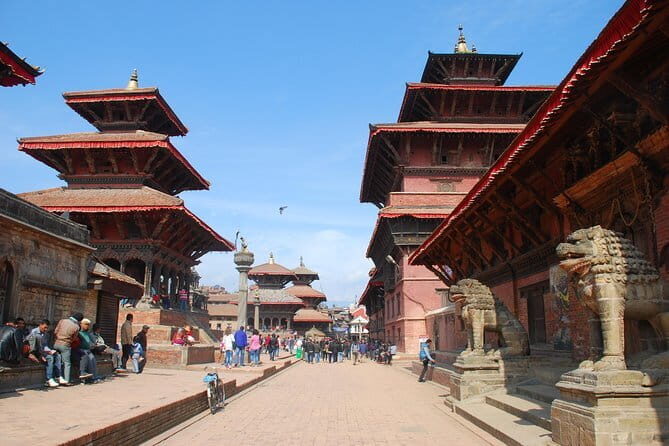
This Mardi Himal plan fits people with moderate fitness who want a shorter trek with strong viewpoints. The route is also a good fit if you’re curious about Nepal’s Annapurna region but want a quieter trail compared with the big-name circuits and base camp treks.
It’s especially appealing if you:
- Want tea house trekking rather than full camping
- Appreciate clear logistics (Kathmandu hotel, briefings, scheduled transport)
- Like getting guided support when terrain gets steep or narrow
- Prefer a small group size (up to 16)
Who might skip it? If you hate early mornings (the itinerary lists a 1:15 am start time), or if you need fully luxury lodging and zero hiking days with steep sections, you’ll likely find it stressful. Also, if you don’t carry travel insurance, treat that as a real gap. The additional info specifically calls out travel insurance for the Nepal trek.
Should You Book Mardi Himal with Magic Himalaya Treks?
I’d consider booking if you want a focused, high-view trek with machhapuchhare-style panoramas and you’d rather spend less time organizing and more time experiencing the route. The strongest reasons to book are the included permits and support, the tea house format (comfort without camping setup), and the consistently praised team attention with leadership named in reviews as Nabin.
I’d be cautious if you’re very sensitive to long bus rides or if steep, narrow trail sections would ruin your experience. In that case, plan your expectations around the trekking reality: you’re going up, you’ll get the view, and you’ll earn it.
FAQ
FAQ
How long is the Mardi Himal Trek with Magic Himalaya Treks?
The duration is listed as 9 days approximately, from Kathmandu pickup through trekking and ending with an airport transfer on the final day.
What’s included in the $750 per person price?
The included items list includes Kathmandu–Pokhara transport by tourist bus (air-conditioned), private transport to Kande, jeep drive from Shiding to Pokhara, private airport pickup/drop, a guide and porter support (including salaries and equipment), permits for Annapurna conservation, a trekking map and duffel bag for the porter, a medical kit box and required medicine, accommodation, meals (breakfasts, lunches, and dinners as listed), and a farewell dinner and celebrations.
What time does the experience start?
The meeting point start time is listed as 1:15 am.
How big is the group?
This tour/activity has a maximum of 16 travelers (participants).
Which mountains and views are the trek aiming for?
The overview highlights panoramic views of Mount Machapuchare (Fishtail), Annapurna South, and Hiunchuli. One review also mentions views up to 4500mts.
Do I need to bring my own trekking gear and clothes?
Yes. All clothes and required gears are not included, so you should plan to bring what you need for a mountain trek.
Can I cancel and get a full refund?
Yes, free cancellation is offered. You can cancel up to 24 hours in advance for a full refund, and cancellation cutoff is based on local time.
If you want, tell me your travel month and your current trekking comfort level (easy/moderate/steep hikes ok), and I’ll help you sanity-check whether this timing and altitude demand fits your style.