REVIEW · POKHARA
Pokhara: 4 Days Poon Hill – Ghandruk Village Trek
Book on Viator →Operated by Couch Adventure Nepal (CAN) · Bookable on Viator
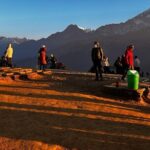
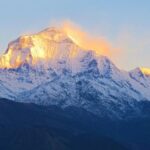
Sunrise over the Annapurnas is the whole point.
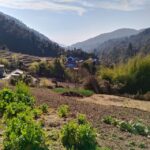
This 4-day Pokhara trek is a classic way to get the mountain wow-factor without worrying about navigation, because you have an English-speaking guide and a plan. I like that it feels private (your group only) but still not stressful: transfers are handled, and your guide also secures guesthouse accommodation along the route. I also love the route choice because it sends you away from roads and into working rural villages—Ulleri, Ghorepani, then Ghandruk—so the views come with real-life local scenery.
The main drawback to weigh is timing: at least one morning is an early 4am start to reach Poon Hill for sunrise, and that means you’ll want to be ready for a cold, dark walk before breakfast.
Key things that make this trek special
- 4am Poon Hill sunrise with a planned walk, then time to watch the Annapurna scenery light up
- Village trekking through Ulleri, Ghorepani, and Ghandruk, plus cultural stops like the Old Gurung Museum
- Private guide support so you can set a comfortable pace and not worry about getting off-route
- Transfers covered between Lakeside Pokhara, Nayapul, and the trail exit via a 4-wheel drive segment
- Permits included (TIMS card and a conservation area permit), so you’re not hunting paperwork on your trip
In This Review
- Entering the Annapurna World from Lakeside Pokhara
- Day 1: Ulleri ascent and why the first hike matters
- Day 2: Ghorepani through rhododendron forests and village life
- Day 3: The Poon Hill sunrise run at 4am
- Day 4: Ghandruk Village and the Old Gurung Museum
- Price and Logistics: what $339.34 really buys you
- Your guide on this trek: safety, pacing, and real conversation
- What you’ll actually do each day (without the guesswork)
- Who this trek suits best
- A few practical tips before you go
- Should you book this Poon Hill and Ghandruk trek?
- FAQ
- What time does the trek start and where do we meet?
- How long is the trek?
- Is the tour private or shared?
- What’s included in the price?
- Are meals included?
- What’s the biggest schedule challenge?
- What is the cancellation window?
- Are rescue or emergency costs included?
Entering the Annapurna World from Lakeside Pokhara
If you want a short trek that still feels like a real mountain journey, Poon Hill and Ghandruk is one of the best bets in Nepal. This version is built around a simple promise: you get the iconic sunrise views and the village experience, but with less hassle because your guide manages the key logistics.
The trek starts with hotel pickup from the Lakeside area of Pokhara. You’ll ride to Nayapul by private vehicle, then begin hiking toward Ulleri. From there the route builds day by day—forests, farm villages, tea-guesthouse life, and finally the big sunrise moment. It’s a good mix of exertion and reward, without the pressure of a long, high-altitude grind.
One smart detail: permits are included in the package. That matters because it removes a common trip-friction point for first-timers. You’re still responsible for common-sense mountain safety, but the paperwork part is handled.
Day 1: Ulleri ascent and why the first hike matters
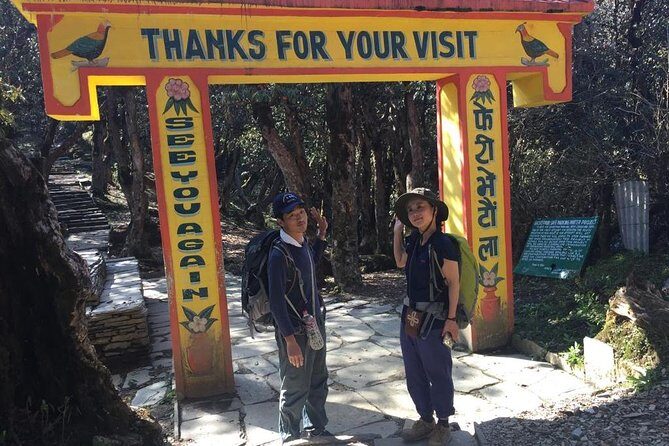
Day 1 is your warm-up and orientation. After pickup (meeting time is 8:15am), you’ll drive about 1.5 hours to Nayapul, then start trekking with an uphill push toward Ulleri. The hiking portion is listed as around 5 hours.
Ulleri is a great first stop for two reasons. First, it breaks the trek into something manageable. You don’t go straight into the deepest part of the experience on day one. Second, the village setting makes the altitude and weather feel more gradual. Even without exact altitude numbers in the plan, you’ll feel the change from Pokhara’s easy vibe.
A small but practical point: the route includes an admission ticket at Ulleri Football Ground. It’s not something you’d guess would matter, but it’s built into the day. This is one of those quiet “someone thought about it” details that saves time and surprises later.
By the end of day one, your guesthouse stay gives you a proper base before the trek turns more scenic and more up-and-down.
You can also read our reviews of more hiking tours in Pokhara
Day 2: Ghorepani through rhododendron forests and village life
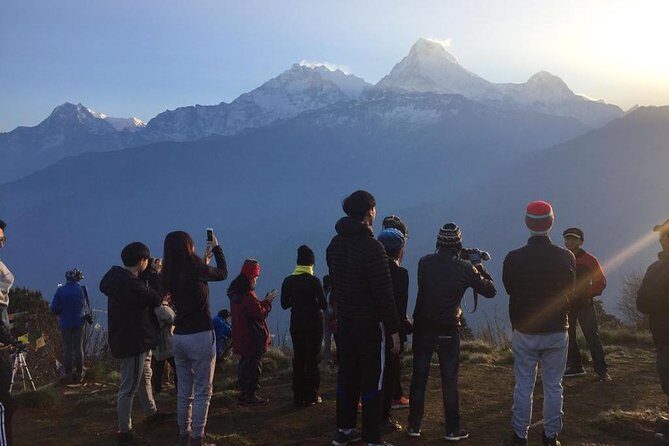
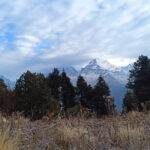
On day two you head toward Ghorepani, walking for about 6 hours. The plan includes rhododendron forests and villages, which is a classic Annapurna-trail combination: a change in scenery almost every hour or two.
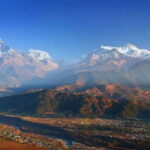
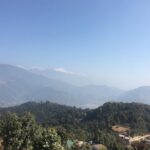
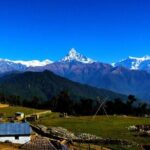
This is the day where you often start paying attention to the mountain shapes in the distance. The itinerary notes that you’ll see the Annapurna mountain ranges while trekking today. Translation: you’ll get more frequent visual payoffs without having to wake up at dawn yet.
Another reason day two works well is pacing. The trek stays within a “moderately challenging” range, meaning the big effort is spread over days. You’ll be walking on paths that wind through communities rather than a single monotonous corridor. That makes it easier to keep a steady rhythm and stop when you need water, snacks, or just a photo break.
When you arrive in Ghorepani, you’re setting yourself up for the next morning’s sunrise climb. Even if you don’t feel exhausted, it helps to get an early night. Early starts aren’t scary if you respect them.
Day 3: The Poon Hill sunrise run at 4am
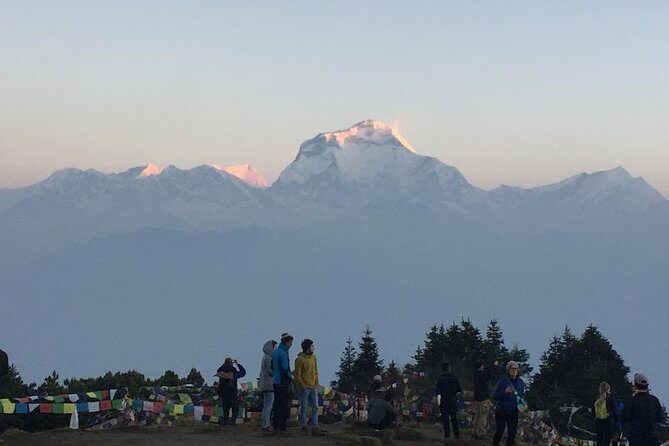
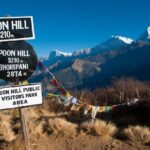
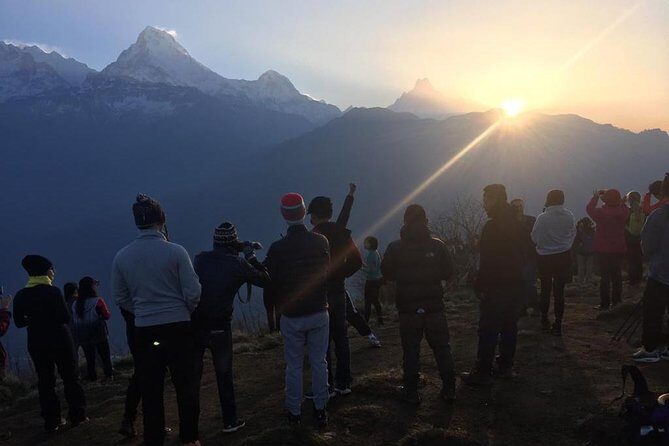
Day three is the centerpiece. You start walking around 4am, and the trek to Poon Hill is about an hour. Once you reach the top, you wait for sunrise before descending back down to Ghorepani and continuing onward toward Tadapani.
This schedule sounds simple, but the logistics matter. A sunrise trek lives or dies on timing, and this plan clearly builds in the time needed on the viewpoint before your descent. If you’ve ever done early-morning plans, you know the difference between a smooth experience and one filled with stress. Here, the structure helps.
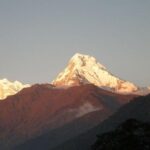
The itinerary also indicates you’ll see the sunrise over the Annapurna views and then keep moving to Tadapani, with plenty of mountain scenery along the way. That’s a nice bonus: you’re not just hiking to a view and then calling it done. You get the sunrise moment, then a continued walk through high hills and viewpoints as you move down the route.
One more thing I really like about this style of day three: it can feel like two different hikes. You get the quiet pre-dawn climb, then you get a brighter, more social walking day afterward. If you want a trek that doesn’t feel emotionally flat, this does it.
Day 4: Ghandruk Village and the Old Gurung Museum
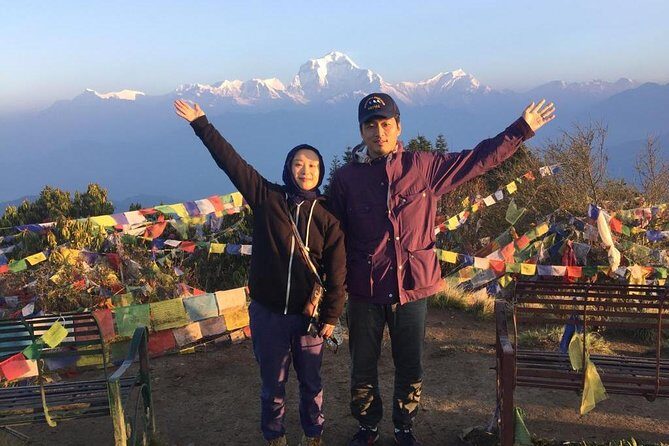
Your final day starts at 8am with a trek to Ghandruk, about 3 hours. Ghandruk is where the trail turns from “scenery sightseeing” into “meeting the place.” You’re invited to explore the village, and the plan includes the Old Gurung Museum, plus time to take in local culture.
That museum stop is one of the more meaningful elements of the route because it gives context. When you’re walking through a Gurung community and seeing daily life close up, a museum visit helps you connect what you’re seeing to who these communities are. Even if you’re not a museum person, it tends to be easier to care when you just spent hours in the village streets.
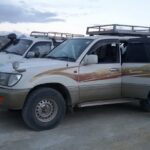
After Ghandruk, the route continues on to Kimche for about 1.5 hours. Then comes the part that many hikers love at the end of a trek: a 4-wheel drive ride to Nayapul, followed by travel back toward Pokhara and hotel drop-off.
This mixed ending is practical. Trekking all the way back can be tiring on day four. The 4-wheel drive segment breaks that final fatigue and helps you finish the trek without feeling wrecked.
Price and Logistics: what $339.34 really buys you
This tour is priced at $339.34 per person for roughly 4 days in the Pokhara area. At first glance, it might look like “just a guide and some beds.” But when you unpack it, it’s more like a bundle of time-saving items.
Included value highlights:
- English-speaking trekking guide and a private trip (your group only)
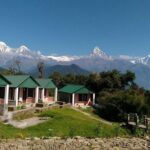
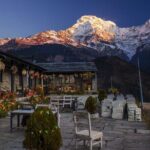
- Guesthouse accommodation during the trek
- Hotel pickup and drop-off within Lakeside Pokhara
- Round-trip transfer by private vehicle
- TIMS card and conservation area permit
- A plan that covers the key trail timing, including the sunrise schedule
What’s not included:
- Meals and drinks (you buy as you go)
- Rescue cost in an emergency
- Gratitude is optional
To me, the value comes from reducing the two biggest headaches on this kind of trek: navigation and logistics. Poon Hill is popular, but that doesn’t mean it’s easy to piece together a smooth, day-by-day flow when you’re short on time and carrying jetlag. A private guide plus pre-arranged accommodation turns the experience into hiking with support, not hiking with constant decision-making.
Also, your group being private changes the feel. You’re not stuck doing slow-stop-fast for other people’s pacing. You’re still walking in a trail system that has its own rhythm, but you get more flexibility to pause, ask questions, and move when you’re ready.
A few more Pokhara tours and experiences worth a look

Your guide on this trek: safety, pacing, and real conversation
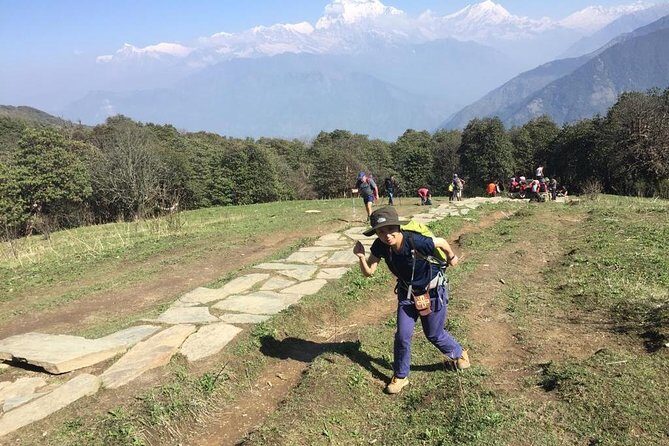
One thing this trek seems to get right is the human factor. The guides connected with this experience—such as Amrit, Bisham, and Krishna—are repeatedly praised for being patient, attentive, and focused on the trail and the culture.
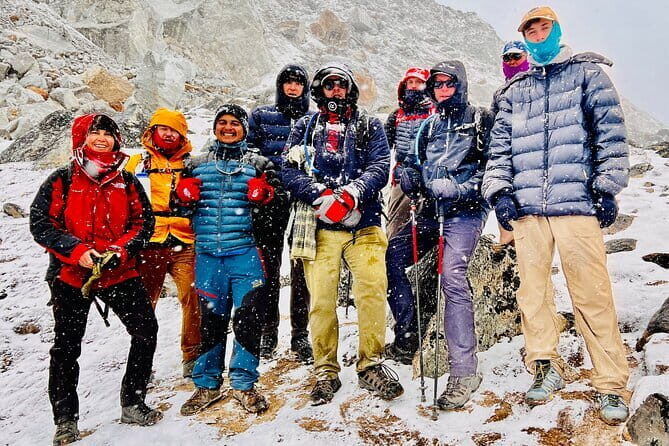
Even without climbing to extreme altitudes, trekking has a way of making small comfort issues big (wrong pace, poor timing, not knowing where the best views or breaks are). A good guide helps you avoid the spiral where you’re tired, cold, or unsure and then start rushing. The plan here is built so you can go at your own pace with personalized attention.
Safety is also part of the appeal. For solo travelers in particular, having someone who watches your status and keeps the day organized can feel calming. I’d treat that as a real value, not fluff. Mountain trekking is rarely dangerous because of one dramatic event; it’s more often about small, avoidable problems stacking up. A thoughtful guide helps prevent that stack.
What you’ll actually do each day (without the guesswork)
Here’s the rhythm you can expect, in plain language:
- Day 1: drive to Nayapul, hike uphill to Ulleri, settle into guesthouse life for the night
- Day 2: forest and village trekking toward Ghorepani, with mountain views in the background
- Day 3: early hike to Poon Hill for sunrise, then descend and continue on to Tadapani
- Day 4: Ghandruk village time and Old Gurung Museum, then walk to Kimche, then 4-wheel drive back to Nayapul and onward to Pokhara
The itinerary is short enough that you get that classic Poon Hill hit, but long enough to feel like you’re moving through different village zones rather than just doing a single out-and-back.
You should also plan mentally for the mountain tempo: walking hours are listed daily, and sunrise timing changes the way you manage energy. This is a trek that rewards preparation more than bravery.
Who this trek suits best
This is a solid choice if you:
- Want a short Annapurna trek that still includes village culture
- Prefer a private guided experience over following a crowd
- Like the idea of sunrise photography, but want the logistics handled
- Want guesthouse stays and permits included, so you’re not juggling paperwork
It’s also friendly for many fitness levels because it’s described as moderately challenging and runs about 4 days. That said, you still need to be comfortable walking for hours on mountain paths, including early morning.
If you’re a strong hiker looking for a huge altitude or wilderness challenge, you might find Poon Hill is more of a scenic cultural trek than an endurance mission. But if your goal is the famous Annapurna views plus real village encounters, it’s a strong match.
A few practical tips before you go
I’d treat this trek like a “morning-person test” and a “layers test.”
- Start early with the sunrise day in mind. The 4am wake-up isn’t optional if you want Poon Hill’s timing.
- Bring layers for the cold mornings and warmer afternoons. Mountain weather can shift quickly.
- Pace matters more than speed. The itinerary’s structure is meant to let you keep moving comfortably.
- Plan your meal budget. Since meals and drinks aren’t included, eating will be part of your daily rhythm.
If you show up ready to walk steadily and you let your guide set the pace, this route tends to feel smooth rather than stressful.
Should you book this Poon Hill and Ghandruk trek?
I’d book it if you want an efficient, organized short trek with real village time and you care about seeing sunrise without dealing with navigation stress. The combination of private guide support, permits included, and pickup/drop-off makes it a lower-friction way to do a very popular trek—without turning it into a logistics problem.
Skip it or rethink it if you hate early mornings or if you want a more remote, off-the-beaten-path adventure with fewer structured days. This experience is designed to be manageable and classic.
If your ideal Nepal trip includes Annapurna sunrise, Gurung culture in Ghandruk, and a guide like Amrit, Bisham, or Krishna keeping you on track, this is a sensible pick.
FAQ
What time does the trek start and where do we meet?
The meeting time is 8:15am. Pickup is arranged within the Lakeside area of Pokhara.
How long is the trek?
It runs for about 4 days.
Is the tour private or shared?
It’s a private tour/activity, and only your group participates.
What’s included in the price?
Included are an English-speaking trekking guide, guesthouse accommodation, conservation area permit and TIMS card, hotel pickup and drop-off in Lakeside Pokhara, and round-trip transfers by private vehicle, along with a private trip.
Are meals included?
No. All meals and drinks are not included, and you’ll purchase them along the way.
What’s the biggest schedule challenge?
You should expect an early 4am start on the day you hike to Poon Hill for sunrise.
What is the cancellation window?
You can cancel for a full refund if you cancel at least 24 hours before the experience start time. If you cancel less than 24 hours before, you won’t get a refund.
Are rescue or emergency costs included?
No. Rescue cost in case of emergency is not included.