REVIEW · KATHMANDU
Annapurna Base Camp Trek
Book on Viator →Operated by Everest Trekking Routes Pvt. Ltd. · Bookable on Viator
The Himalayas start early, right in Kathmandu. This 12-day Annapurna Base Camp Trek pairs big peak ambition with real-life Nepal: Pasupatinath Temple, Pokhara lake, then the Annapurna Conservation area and on toward Annapurna and Machapuchare viewpoints near 4,130 meters. I love the value of all trek meals and tea-house accommodation bundled into the package, and I like that you ease in with culture before the steep days. One thing to consider: the trek day timing starts very early (1:15 am pickup/start), and the plan expects moderate fitness, so you’ll want to manage sleep and pace.
What makes this feel workable is the human team. You trek with a licensed professional trekking guide and an expert local porter, and I’d take that seriously if you want smoother navigation and steady energy on the trail. Based on what’s been praised, guides like Cecil and Sushil Gurung—and porters such as Samu Gurung, Sujan Gurung, and Bishal—are the kind of crew you want in your corner when the air gets thinner.
Logistics are also handled for you. You get airport and hotel pickup/drop in Kathmandu, a Kathmandu–Pokhara–Kathmandu tourist bus, and two hotel nights each in Pokhara and Kathmandu with breakfast. The catch: drinks, Wi-Fi on the trekking days, tips, and any extra Kathmandu nights are on you.
In This Review
- Key highlights to know before you go
- Price and what you actually get for $935
- Day 1 in Kathmandu: Pasupatinath Temple as your reset
- Day 2: Pokhara lake time and the calm before the climb
- Day 3: Birethanti and entering the Annapurna Conservation area
- Day 4: Ghorepani and Poon Hill—big views with a short hike
- Day 5: Ghorepani to Tadapani—settling into trail rhythm
- Day 6: The walk to Chhomrong—where village life comes into focus
- Day 7: Tadapani to Bambook—moderate walking and steady progress
- Days 8 to 10: Getting to Annapurna Base Camp, then doing the famous hike
- Tea houses and meals: the package’s quiet strength
- Guided safety and the crew quality you should look for
- Day 11: Back to Kathmandu by tourist bus
- Day 12: Final departure
- Who this Annapurna Base Camp trek suits best
- Before you book: my quick checklist
- Should you book this Annapurna Base Camp trek?
- FAQ
- What is the trek duration for the Annapurna Base Camp experience?
- Where does the experience start and end?
- What time does the activity start?
- Is transportation included between Kathmandu and Pokhara?
- What permits are included for trekking?
- Are meals included during the trek?
- Is tea-house accommodation included while trekking?
- What is not included in the price?
Key highlights to know before you go
- Permit-covered trekking: TIMS card and ACAP permit are included, so you don’t waste days sorting paperwork.
- Food and bed, taken care of: Breakfast on hotel nights plus breakfast/lunch/dinner on trek days, with tea or coffee.
- Short-viewpoint payoff early: Poon Hill is built in as a famous short hike, a great confidence booster.
- A culture-first Kathmandu-to-trail flow: Pasupatinath Temple and Pokhara lake give context to the trek.
- Private group setup: It’s private, so your pacing and comfort rules with your group.
Price and what you actually get for $935
$935 per person sounds like real money until you map it to what’s covered. Here, you’re not just buying “a trek.” You’re also buying the Kathmandu and Pokhara hotels, round-trip transport between cities, all trek meals, tea-house stays, trekking permits, and a licensed guide plus porter.
That’s the big value: the trek days usually eat up your budget fast when you’re paying separately for food, lodging, and logistics. This package tries to remove those surprises so your main job is to hike and acclimate.
Still, read the fine print in your head. Drinks beyond the included cup of tea/coffee aren’t in the meal plan, and travel or evacuation insurance isn’t included. Also plan for tips for your guide and porter, because that isn’t rolled into the base price.
You can also read our reviews of more hiking tours in Kathmandu


Day 1 in Kathmandu: Pasupatinath Temple as your reset
Starting with Pasupatinath Temple is a smart move. It’s one of the most important Hindu pilgrimage sites in Kathmandu, and it gives you a quick, powerful hit of Nepal’s daily spiritual rhythm before you switch gears to mountains.
If you land and feel jet-lagged, this kind of stop helps you get your bearings fast. You’ll also get an early reminder that Nepal isn’t only trekking—there’s a whole country running under the same sky.
Practical note: the start time is listed as 1:15 am for the activity. That usually means a very early day, so treat sleep as part of your itinerary.
Day 2: Pokhara lake time and the calm before the climb
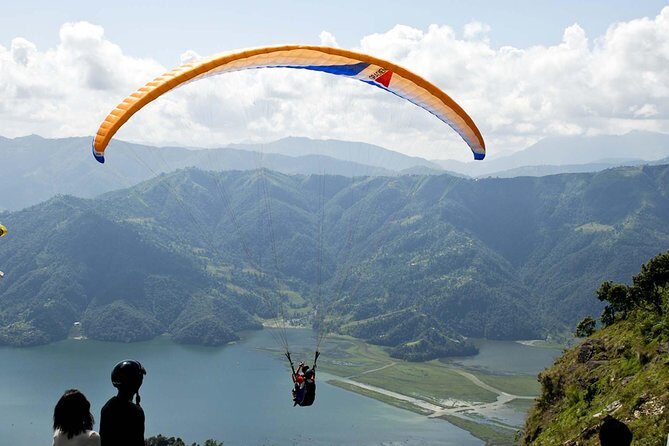
Pokhara is where your energy shifts from city noise to outdoor mood. The stop at Pokhara lake is described as a major tourist-attractive area, and that makes sense: it’s a scenic decompression spot before the trek starts to feel serious.
You’ll sleep two nights in Pokhara with breakfast included. That matters because trekking works best when your first nights aren’t spent scrambling for meals or late check-ins.
Day 3: Birethanti and entering the Annapurna Conservation area
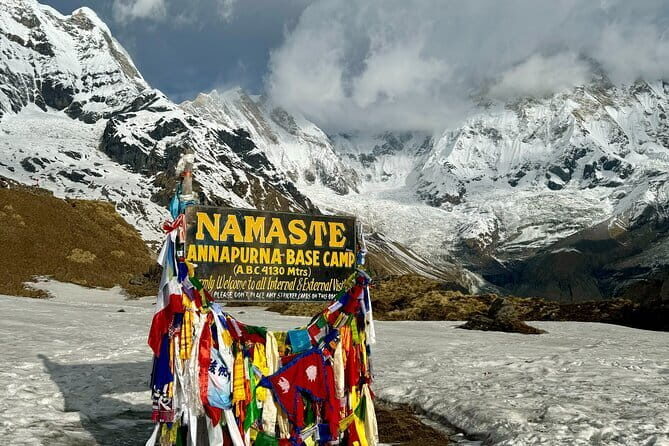
Day 3 is your “transition day.” Birethanti is the entry point into the Annapurna Conservation area, which means you’re stepping into a protected zone where trekking paths are part of how people experience and support the region.
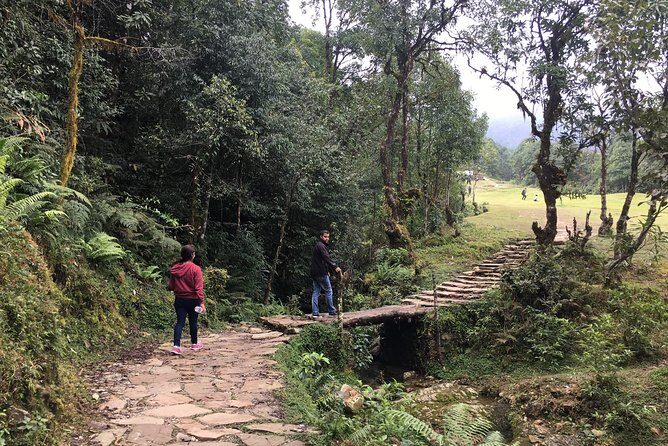
This is also the day where you can feel the shift in vegetation and the pace. The trek starts to carry you away from roads and into trails, with villages and forest paths becoming normal.
Day 4: Ghorepani and Poon Hill—big views with a short hike
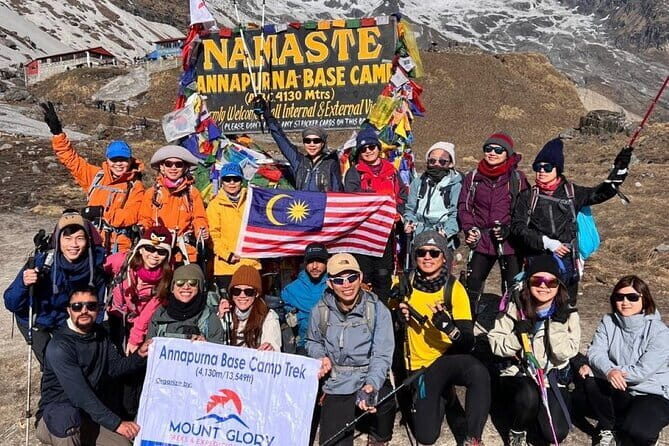
Ghorepani plus Poon Hill is one of the Annapurna region’s best-known short hikes. The payoff is straightforward: viewpoint hiking that’s famous because it’s worth it.
This is also a psychological win. After a few days of logistics and movement through towns, you get a taste of the mountain scale quickly. It’s a great day for first-timers because you can work hard, see a lot, and still stay within a manageable time frame.






Day 5: Ghorepani to Tadapani—settling into trail rhythm
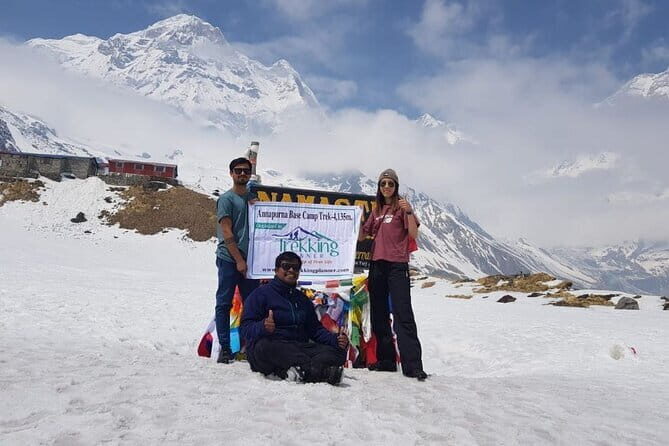
You’re looking at about a five-hour walk from Ghorepani to Tadapani. That’s long enough to matter, but not so long that you can’t settle into stride.
This kind of day teaches you pacing. I like these medium “training” distances because they help you avoid the classic mistake: going out too fast on day 5 because you feel good at the start.
Day 6: The walk to Chhomrong—where village life comes into focus
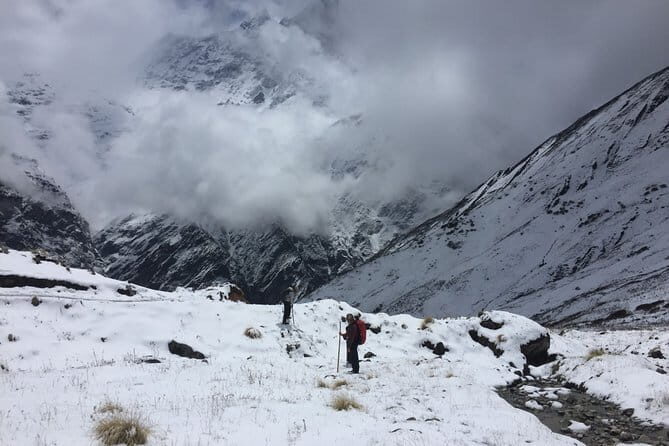
Day 6 is described as a beautiful walk to Chhomrong. This is where traditional village life tends to become a real part of your trek, not just a background detail.
I like Chhomrong-style stops because they break the monotony of climb-and-rest. You get moments to watch daily rhythms, see how tea-house hosting works at a community level, and remember that you’re traveling through inhabited places—not a movie set.
Day 7: Tadapani to Bambook—moderate walking and steady progress
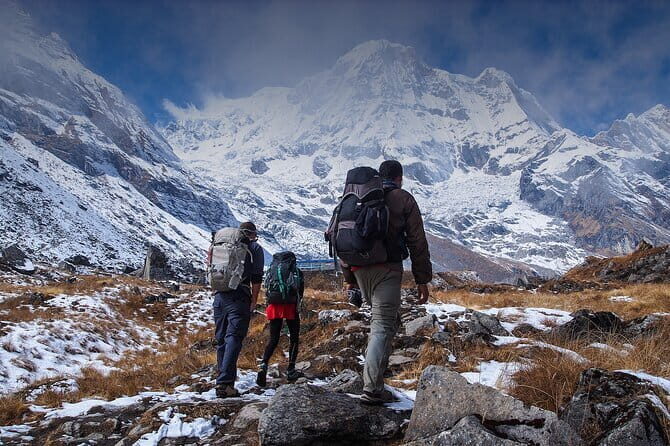
The plan calls Day 7 a moderate walking day to Bambook. That’s good. By now you’ve built some stamina, and you’re close enough to the base camp goal that every day feels purposeful.
Moderate days are also your friend for altitude adaptation. You don’t need to force speed. You need consistency—small efforts that add up.
Days 8 to 10: Getting to Annapurna Base Camp, then doing the famous hike
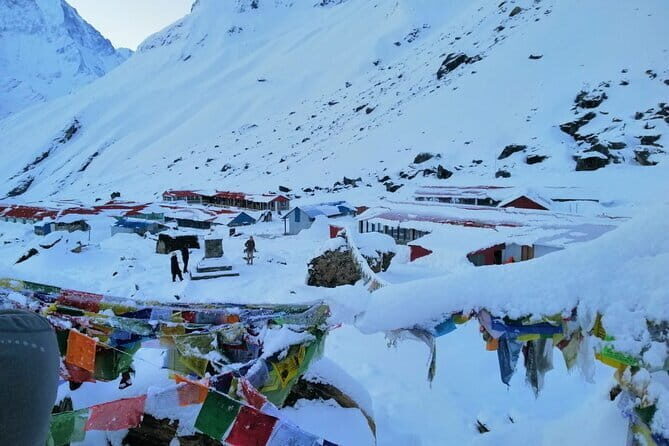
Now the trip becomes the trip. The route moves from trekking toward Annapurna Base Camp, then includes a second phase described as hiking and reaching top viewpoint areas around the base camp days.
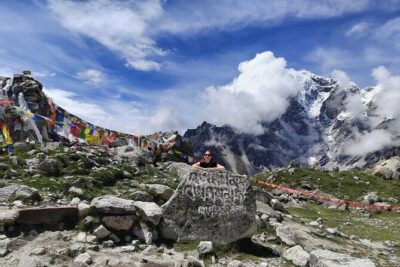
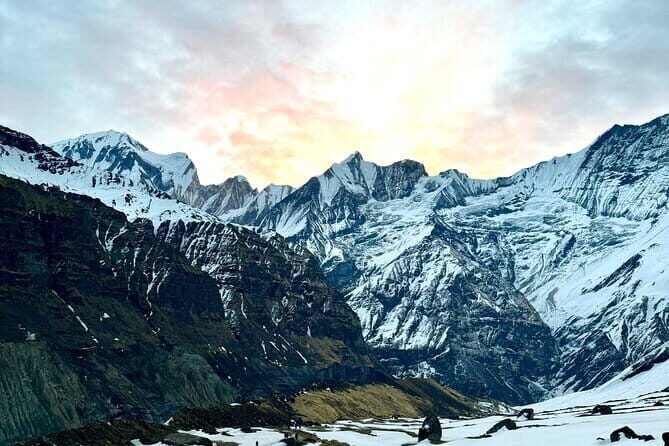
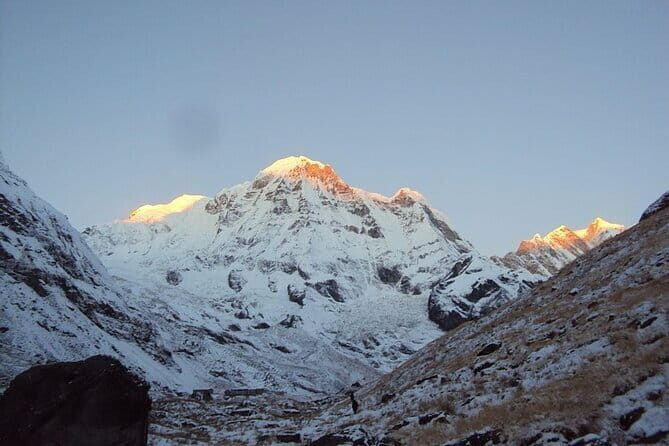
This is the heart of the Annapurna Base Camp Trek: the moment where the scenery turns from “pretty” to “wow, that’s why we came.” The trek is set up to bring you to the base of massive peaks such as Annapurna and Machapuchare, with the experience tied to that altitude goal around 4,130 meters.
A couple reality checks that help your expectations:
- At higher elevations, your body often slows down even if your mind wants to sprint.
- Weather can change fast, so build in patience for delays and cold.
I’d also pay attention to the included tea-house stops. They’re not just convenience—they’re how you stay warm, refuel, and avoid turning an amazing hike into a miserable one.
Tea houses and meals: the package’s quiet strength
This tour includes all meals during the trek: breakfast, lunch, and dinner, with a cup of tea or coffee. It also includes all tea house accommodation during trekking days.
That matters more than people think. Food availability and shelter aren’t optional on multi-day treks; they shape your energy and mood. When those are handled, you can focus on hiking and resting like a normal human.
For drinks, the deal is simpler: hot and cold drinks aren’t included beyond the tea or coffee tied to meals. So if you’re the type who always wants an extra beverage with your meal, budget for it.
Guided safety and the crew quality you should look for
This is one of those treks where a good guide is not a luxury. It affects route flow, pacing, and how you handle questions when conditions aren’t perfect.
From the praised experiences tied to the tour operator’s team, the guide and porter roles stand out. Cecil and Sushil Gurung were highlighted for professionalism and thoughtfulness. Porters like Samu Gurung, Sujan Gurung, and Bishal were recognized for being helpful and supportive, not just carrying packs and disappearing.
Also note the organizer side. Rabin is mentioned as responsive before the trip, which matters if you’re the type who needs quick answers and doesn’t want to guess what happens next.
Day 11: Back to Kathmandu by tourist bus
After reaching the base camp portion, the tour gives you a clean exit: return to Kathmandu by tourist bus.
This day is about recovery. You’ve done the hard part; now it’s about getting back safely without turning the finish into another logistics puzzle.
Day 12: Final departure
Your last day is straightforward: final departure to go home. When a tour finishes back at the same meeting point, it reduces the need to coordinate last-minute rides on your own.
Who this Annapurna Base Camp trek suits best
This is for you if you want:
- A guided plan with permits included
- A trek where meals and tea-house accommodation are handled
- A private setup for your group, so you’re not stuck matching strangers’ pacing
It may be a tough fit if you:
- Don’t have moderate physical fitness
- Know you struggle with very early starts (the activity start time is listed as 1:15 am)
If you’re traveling solo, also note an important cost reality: porters extra for single or solo trekkers are not included. That doesn’t automatically mean you shouldn’t go solo. It just means you should expect the total cost could be higher than $935 in your case.
Before you book: my quick checklist
Here’s what I’d confirm before paying:
- You’re comfortable with the 12-day duration and early start time.
- You’ll handle drinks beyond the included tea/coffee.
- You have travel and evacuation insurance separately, since it isn’t included.
- You’re ready to budget tips for your guide and porter.
- You understand that extra Kathmandu meals and any extra accommodation in Kathmandu are not part of the package (beyond the stated hotel nights).
Should you book this Annapurna Base Camp trek?
I think it’s a strong choice if you want a well-rounded, practical package: permits, guide/porter support, city-to-trek transport, hotel nights, and full trek meals and tea houses. At $935, the value comes from reducing the common spending headaches and coordination stress that hit people mid-trek.
If you’re the kind of traveler who enjoys planning but also wants someone else to handle the moving parts, this setup fits. Just be honest about fitness and your ability to handle the early day start, and you’ll be in the right frame of mind for Annapurna’s payoff at altitude.
FAQ
What is the trek duration for the Annapurna Base Camp experience?
The duration is listed as 12 days (approx.).
Where does the experience start and end?
It starts at Everest Trekking Routes Pvt. Ltd. in Kathmandu and ends back at the same meeting point.
What time does the activity start?
The start time is listed as 1:15 am.
Is transportation included between Kathmandu and Pokhara?
Yes. Kathmandu to Pokhara and return to Kathmandu are included by tourist bus. Pickup and drop by private car/van/bus for airport and hotels in Kathmandu are also included.
What permits are included for trekking?
The trek includes all trekking permits as a TIMS card and ACAP permit.
Are meals included during the trek?
Yes. All meals during the trek are included: breakfast, lunch, and dinner, with a cup of tea or coffee.
Is tea-house accommodation included while trekking?
Yes. All tea house accommodation during the trek is included.
What is not included in the price?
Not included are extra meals and extra accommodation in Kathmandu, extra porter costs for single/solo trekkers, hot and cold drinks beyond the included tea/coffee, Wi-Fi on the trekking days, personal expenses, and travel plus evacuation insurance. Tipping for the guide and porter is also not included.