REVIEW · KATHMANDU
Annapurna Base Camp Trek
Book on Viator →Operated by Overland Trek Nepal · Bookable on Viator
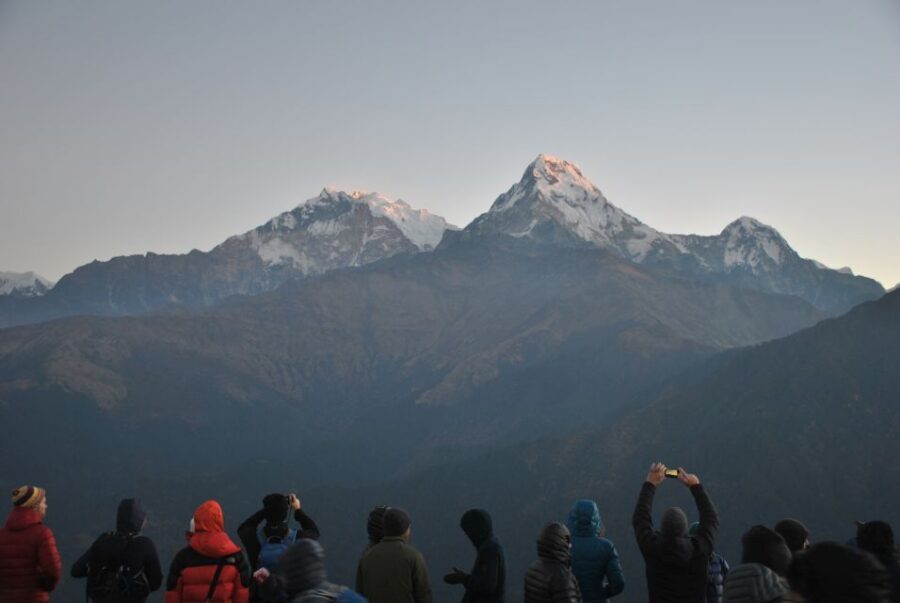
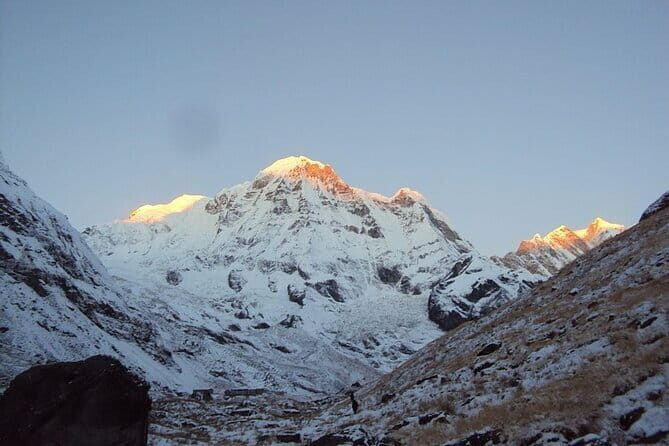
That first view is the whole point. This Annapurna Base Camp trek is a well-paced, tea-house style climb that keeps you moving up, then gives you a satisfying payoff at 4130m and back down again.
I like how the plan handles the big pieces for you: Kathmandu and Pokhara overnights with breakfasts, then a connected route to the trailheads through bus and private transport. I also like the steady “small wins” included along the way, like Snickers during the trek and extra snacks and fruit.
One thing to think about: the cost does not cover travel insurance or emergency evacuation, and you’ll likely face extra charges for hot showers and battery charging along the way. For Annapurna, that matters.
In This Review
- Key highlights worth knowing
- Arriving in Kathmandu: the trek starts before you hike
- Kathmandu to Pokhara by bus: save your legs for the trail
- Trek day 3 to Ghandruk: a classic start at 1940m
- Chomrong or Sinuwa: the route thickens
- Deurali at 3230m: you earn the hard work
- Reaching A.B.C at 4130m: the payoff day
- A.B.C to Bamboo: recover while moving down
- Jhinu Danda hot spring: the most enjoyable recovery day
- Final hike back to Nayapul and Pokhara
- Tea-house comfort and the food setup that keeps you going
- The guide and porter support that makes the days feel doable
- Price and logistics: what $1,099 includes, and what you’ll still pay
- Who should pick this Annapurna Base Camp plan
- Should you book this Annapurna Base Camp tour?
- FAQ
- How many days is the Annapurna Base Camp trek?
- Where does the trek start and what time is the meeting?
- Is airport pickup and drop included?
- What trekking permits are included?
- What kind of accommodation and meals are included during the trek?
- Do I get a guide and porter?
- Is travel insurance included?
Key highlights worth knowing
- Tea house trekking, not camping: simpler logistics and more chances to warm up and eat regularly.
- English-speaking guide + shared porter: easier on your energy and shoulders over multiple days.
- Highest point listed at 4130m (A.B.C.): expect real altitude effort, even with a stop-and-rest itinerary.
- Hot spring day at Jhinu Danda: a fun, practical reward after days of hiking.
- Permits and TIMS included: less paperwork hassle before you start climbing.
- Private tour/activity: it’s set up for your group, not mixed into a random crowd.
Arriving in Kathmandu: the trek starts before you hike
Day 1 is all about getting your bearings in Kathmandu. You land, you transfer to a hotel, and you prepare for the trek. You’re not thrown into a long travel day plus immediate climbing, which is exactly what you want when your body is still adjusting from the flight.
On Day 1 and again on Day 10–11 later, the trek-company setup includes two nights in Kathmandu with breakfast. That time is useful for simple stuff: organizing layers, checking your bag, and sorting out any last-minute needs you forgot at home.
Also note the meeting setup: the tour starts with a 6:45am start time at the Serene Himalaya Treks & Expedition office in Kathmandu. That’s early enough that your first day feels like a real expedition rather than a leisurely walk.
You can also read our reviews of more hiking tours in Kathmandu


Kathmandu to Pokhara by bus: save your legs for the trail
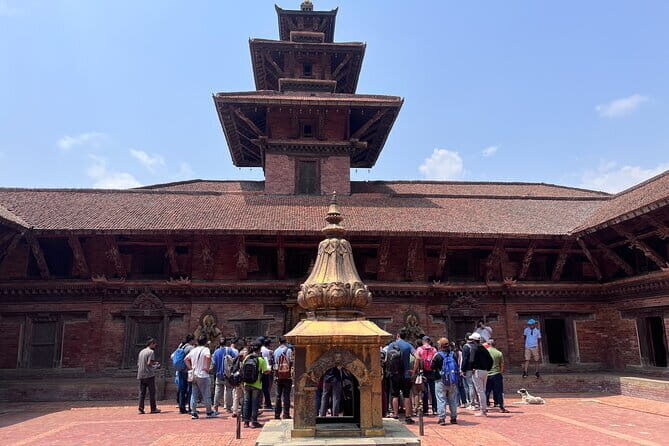
On Day 2 you go from Kathmandu to Pokhara by tourist bus, then sleep in Pokhara. This is a smart tradeoff: you move toward the trail area without spending your hiking strength just to relocate.
Pokhara sits at a much lower elevation (around 820m in the itinerary), so it works as a buffer. It’s also where you’ll usually feel the contrast: in Kathmandu you’re in the city, in Pokhara you’re in “mountain mode.” Even with only one overnight here, that transition helps.
Trek day 3 to Ghandruk: a classic start at 1940m
Day 3 is your first real hiking day. You transfer from Pokhara to Nayapul by private transport (about 1.5 hours), then trek to Ghandruk (1940m).
Why this part matters: Ghandruk is a good first target because you’re not jumping straight to high altitude. You get traction under your boots, you start learning the rhythm of tea-house trekking, and you’re already building toward the larger elevation gains to come.
What you should expect: a gradual start where you’ll likely spend more time managing pacing than pushing speed. This is the day to keep it controlled—your lungs will give feedback later in the trek.
Chomrong or Sinuwa: the route thickens
Day 4 takes you from Ghandruk to Chomrong (2230m) or Sinuwa. That choice point is practical. It means the itinerary can adapt based on trail conditions or where you are staying/which lodge options are available.
Either way, your day is about settling into the middle elevation zone—where you feel the altitude a bit, but you’re not at the top yet. This is also the kind of day where a good guide makes a difference. An English-speaking guide helps you navigate, understand what’s coming next, and keep timing on track.
I like this day because it’s not just “random hiking.” It’s the bridge between the easier opening and the steeper grind that follows.
Deurali at 3230m: you earn the hard work
Day 5 is Sinuwa to Deurali (3230m). Day 6 later hits the big target, so Day 5 matters for two reasons:
1) it puts you at a meaningful altitude (so your body starts to adjust), and
2) it reduces the jump you’d face if you went straight upward in fewer stages.
At this elevation, hiking becomes more about effort management than ambition. You’ll likely slow down and breathe more deliberately. If you keep your pace comfortable, the next day feels more like a climb you can finish instead of a wall you have to survive.






Reaching A.B.C at 4130m: the payoff day
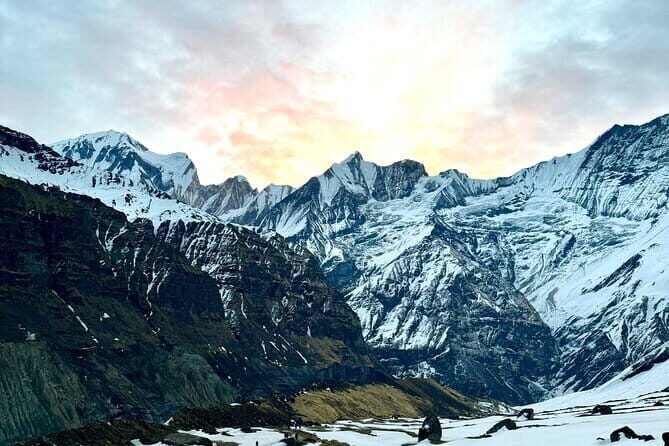
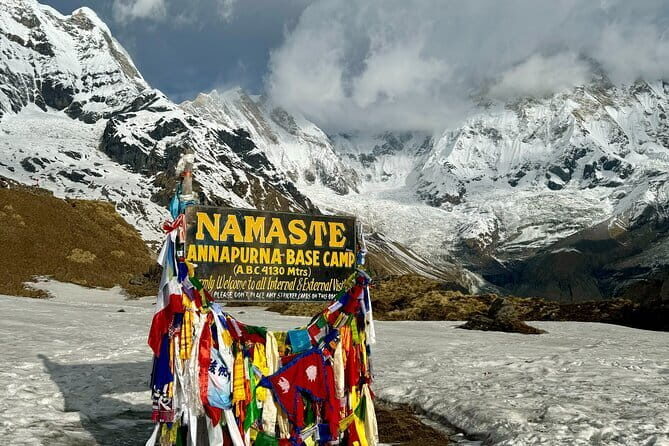
Day 6 is the key day: Deurali to Annapurna Base Camp (A.B.C, 4130m). This is the day most people picture when they choose Annapurna Base Camp in the first place.
You’re not just hiking here—you’re arriving at a place that changes your perspective. Even if you’re not chasing a summit-style adrenaline moment, standing at 4130m is the real deal. Your body may feel it with every step, and once you’re there, you’ll understand why the rest of the trek is worth it.
What I’d watch for: weather. This trek depends on it, and the tour explicitly says it requires good weather. If cloud cover rolls in, the mountains can hide. On the bright side, a well-run itinerary gives you the best shot by getting you to the right place on the right day.
Also, your accommodation up at the base camp area is tea-house style, so you’ll be sleeping in basic lodge conditions rather than a tent setup. That’s a big comfort factor if you don’t want to handle camp logistics yourself.
A.B.C to Bamboo: recover while moving down
Day 7 brings you down from A.B.C to Bamboo (2310m). This is a relief day in disguise: yes, you’re descending, but you’re also resetting your energy while still putting in hiking time.
Descending is often easier on altitude stress, but it can be tougher on knees and calves if you step too fast or too heavy. I’d plan on slow footwork, especially if your thighs feel tired.
Jhinu Danda hot spring: the most enjoyable recovery day
Day 8 is Bamboo to Jhinu Danda (1780m), and it includes the hot spring stop at Jhinu Danda. This is one of the most satisfying parts of the itinerary because it turns recovery into something you look forward to, not something you tolerate.
Practical angle: you’ll have multiple days of walking by then, and the hot spring gives you a concrete reward that also helps you feel more human afterward. It’s the kind of day that makes the earlier effort feel worth it.
Final hike back to Nayapul and Pokhara
Day 9 is Jhinu Danda to Nayapul, then transport back to Pokhara for an overnight (again around 820m). The downhill section at the start of the day can feel deceptively long, but the combo of finishing the hike plus getting wheels again is a welcome change.
You’ll then return to Kathmandu on Day 10 by tourist transport, with Kathmandu at 1336m in the itinerary. Day 11 is departure time or a couple extra days in Kathmandu for shopping and sightseeing if you’ve got them.
Tea-house comfort and the food setup that keeps you going
This is a tea-house trek, so you’re not carrying a full kitchen or camping equipment. You get tea house accommodation during the trek, plus meals laid out in counts:
- Breakfast included: 10
- Lunch included: 8
- Dinner included: 7
They also include trekking snacks and small morale boosts like Snickers (one each person during the trek) plus snacks such as biscuits/oreo-type cookies/peanuts, and fruit desserts like apple or pomegranate.
That kind of detail matters more than people think. On mountain days, you can feel low energy even if the pace is fine. The included snacks help keep your energy stable, and the guide can often nudge you into timing meals so you don’t end up scrambling for food when you’re tired.
What isn’t included: meals in Kathmandu and Pokhara are not covered (lunch and dinner during those city stays are on you). Also, hot water and battery charging are not included, so bring extra cash for those practical expenses.
The guide and porter support that makes the days feel doable
You get an English-speaking guide, and there’s also a porter service—listed as 1 porter between 2 people basic. In plain terms: you can expect help carrying part of your gear, shared across the group rather than one porter per person.
From the trek feedback, the professionalism and organization are repeatedly linked to the guide team. One account specifically credits a guide named Nick along with guides and porters for keeping the trek smooth and well run. Another highlights friendly energy and helpful support from the guide and porter.
For you, that means fewer wasted minutes and less guesswork. When you know where you’re going, when you’ll stop, and how the day is timed, the trek feels less like hard work and more like a controlled challenge.
Price and logistics: what $1,099 includes, and what you’ll still pay
At $1,099 for about 11 days, this trek includes a lot of what typically drives costs up on the Himalaya:
- Airport pickup and drop
- Annapurna conservation area trekking entry permits
- TIMS card (Trekker’s Information Management System)
- Two nights in Kathmandu with breakfast
- Two nights in Pokhara with breakfast
- All ground transportation noted in the itinerary (including Pokhara–Nayapul and Pokhara–Kathmandu)
- Tea house accommodation during the trek
- Guide + shared porter support
- Medical kit
- Trip certification
- Company items: duffel bag and a t-shirt
So what’s not included, and why it matters:
- Travel insurance and emergency evacuation cost
- Nepal entry visa fee
- International air fare
- Lunch and dinner in Kathmandu and Pokhara
- Personal equipment and items like a water bottle (and cold drinks)
- Tips for guide and porter (tipping is expected)
- Hot water and battery charging
- Any other expenses not listed
Value check: if you’re planning a trip where you want permits handled, a guide to manage the schedule, and reliable transport between Kathmandu and Pokhara, the price looks fair for what’s bundled. The main cost risk is not the trek fee itself—it’s what you add on top: insurance, tips, visa, and small charging/hot water fees.
Who should pick this Annapurna Base Camp plan
This one is a good match if:
- You have moderate physical fitness and want a multi-day trek with a structured elevation progression.
- You prefer tea-house trekking (simpler and more comfortable than camping).
- You want an itinerary that includes transport and lodging in Kathmandu and Pokhara, not just the mountain days.
- You like the idea of a guided, organized experience with support from both a guide and porter.
It might be less suitable if:
- You want maximum independence and don’t want scheduled transport days.
- You dislike altitude pressure. Yes, it’s staged, but reaching A.B.C at 4130m is still a serious physical requirement.
Should you book this Annapurna Base Camp tour?
I’d book it if your priority is a structured Annapurna Base Camp trek with permits, transportation, and mountain logistics already organized—and if you’re okay planning for extra costs like insurance, visa, and tips.
I’d hesitate if you’re trying to keep total spending ultra-low, since the trek fee doesn’t cover key practical items (insurance, hot water/battery charging, and city meals). Also, be honest with your fitness: Annapurna Base Camp is doable for many people, but only if you treat it like a climb, not a speed run.
If you want a trekking plan where the hard parts are the altitude and the hours on the trail—rather than confusion and missing logistics—this setup is a solid choice.
FAQ
How many days is the Annapurna Base Camp trek?
The tour is listed as 11 days (approx.), running from arrival in Kathmandu through departure on Day 11.
Where does the trek start and what time is the meeting?
You meet at Serene Himalaya Treks & Expedition in Kathmandu, with a start time of 6:45 am.
Is airport pickup and drop included?
Yes. The tour includes airport pick up and drop by car/van/bus.
What trekking permits are included?
Your package includes Annapurna conservation area trekking entry permits and TIMS (Trekkers Information Management System).
What kind of accommodation and meals are included during the trek?
The trek includes tea house accommodation. Meals during the trek are provided with 10 breakfasts, 8 lunches, and 7 dinners, plus included snacks and fruit desserts.
Do I get a guide and porter?
Yes. You get an English-speaking guide and porter service listed as 1 porter between 2 people (basic).
Is travel insurance included?
No. Travel insurance and emergency evacuation cost are not included, so you’ll need to arrange that separately.