REVIEW · KATHMANDU
Full Day Ticket Access around Kathmandu Valley
Book on Viator →Operated by Bodhi Tree Tours Travel and Treks · Bookable on Viator
One day, four sacred worlds. This full-day Kathmandu Valley tour is built around the big spiritual landmarks most people come to Nepal to understand: Swayambhunath on its hilltop, Patan Durbar Square with its artisan traditions, and then two heavyweight names on the Bagmati River and in Tibetan Nepal. I like that the day is organized like a real route through the city, not a loose list of sights, and I also like that you get a guide who can explain culture and tradition instead of just reciting facts. The one thing to plan around: entrance fees are not fully included, so you’ll want some extra cash ready even if some stops are listed as ticket-free.
What makes this work for first-timers is the balance. You’re not only looking at temples and stupas; you’re also getting the local context for why they matter to everyday life and religious practice. Plus, the route is paced around set time blocks, so you’re not spending your day waiting around in traffic.
A fair heads-up: the itinerary assumes you can move at a decent city pace for about seven hours. Also, it runs on good weather, since temple-and-stupa sightseeing is harder when conditions turn.
In This Review
- Key highlights worth your attention
- How the 7-hour Kathmandu Valley route makes sense
- Price, value, and the entrance-fee question
- Your guide: what Manish’s teaching brings to the day
- Stop 1: Swoyambhu Mahachaitya (Swayambhunath) and the hilltop start
- Stop 2: Patan Durbar Square and Newar craft traditions up close
- Stop 3: Boudhanath Stupa and the Tibetan kora rhythm
- Stop 4: Pashupatinath Temple on the Bagmati and respectful watching
- What a guided cultural day really buys you
- Weather and comfort: small realities that affect your day
- Should you book this Kathmandu Valley full-day access ticket?
- FAQ
- What is the duration of the tour?
- What time does the tour start?
- How much does it cost?
- Is pickup included?
- Are entrance fees included in the price?
- Which places are included on the route?
- Is the tour guided?
- Is free cancellation available?
- What happens if the weather is poor?
- Is the tour suitable for most travelers?
Key highlights worth your attention
- Private transport with pickup so you’re not wrestling with the city’s usual logistics
- English cultural guide focused on Nepal’s traditions, not just monument photos
- Swayambhu Mahachaitya with a classic hilltop start that helps you orient fast
- Patan Durbar Square and its Newar craft legacy (metal-casting and wood-carving)
- Boudhanath Stupa kora for Tibetan spiritual rhythm, including incense atmosphere
- Pashupatinath on the Bagmati for a serious look at Nepal’s ideas of soul and life-after-life
How the 7-hour Kathmandu Valley route makes sense
This is the kind of tour that fits a realistic Kathmandu schedule. It starts at 9:30 am and runs about 7 hours, with short, focused stops rather than one long, tiring site after another. That matters because Kathmandu sightseeing can eat your day quickly: you want the big names, but you don’t want to lose half your time to wandering and re-checking directions.
You’ll also appreciate the private transportation piece. Pickup is offered, and having that door-to-door help can mean the difference between a calm start and a stressful one—especially if you’re not comfortable navigating on your own yet. It’s also simpler for timing. Each stop is allotted around the time you actually need to see the main area, absorb a bit of history and meaning, and ask questions.
There’s another hidden value here: when someone else is handling the route, you can pay attention. You’re not mentally juggling where you’re going next. You can watch how places connect to the city—Buddhist Kathmandu looks different when you see it through a planned sequence instead of random visits.
A few more Kathmandu tours and experiences worth a look



Price, value, and the entrance-fee question
At $40 per person, the headline price is straightforward. For many visitors, the real question is what you’re also paying on top of that. The tour includes private transport and a cultural guide, but entrance fees are listed as not included, with $20 per person stated for monument entries.
Now, here’s where you should be careful: the itinerary notes admission ticket free for several stops. At the same time, the package information explicitly says entrance fee payments are subject to guest payment. In practice, that means you should assume there can be costs at some points and plan to have the extra $20 per person ready. It’s the safest way to avoid an awkward moment mid-tour.
Where the value really shows: for $40, you’re not just buying access to sites. You’re buying time saved (pickup + transport), plus guidance that helps you understand what you’re looking at—especially at places like Patan, Boudhanath, and Pashupatinath, where cultural meaning is half the experience.
Your guide: what Manish’s teaching brings to the day
One of the most praised parts of this tour is the guide’s approach. A standout mentioned by name is Manish, who’s described as having great knowledge of Nepal and its religions, with a passionate, exciting teaching style.
That kind of guiding matters because Kathmandu’s sacred sites can feel overwhelming if you only treat them as photo stops. When the explanation is grounded in real culture and tradition, you start noticing patterns: the way worship spaces are used, how different Buddhist and Hindu ideas show up in everyday practice, and what locals focus on when they visit.
I like this format because it creates momentum. You go from site to site feeling like you’re building a picture, not just checking boxes. And if you ask questions, you’re more likely to get clear answers rather than a hurried script.
Stop 1: Swoyambhu Mahachaitya (Swayambhunath) and the hilltop start
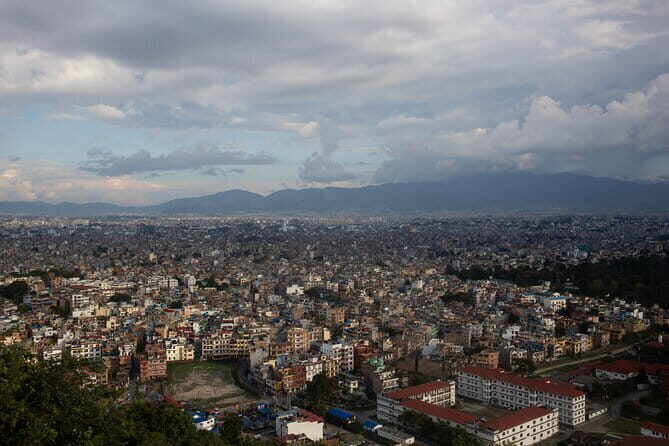
You’ll begin with Swoyambhu Mahachaitya, also known as the Swayambhunath “Monkey Temple.” It’s perched atop a forested hill, and it’s presented as more than 3,000 years old, which sets a deep time frame for your first major sight of the valley.
This is a smart first stop because it gives you a mental anchor. After you climb up and take in the stupa area, Kathmandu’s religious map starts to click. Even if you’re not an expert, you can feel how central Buddhist symbolism is to Nepal’s broader spiritual landscape.
The practical advantage: you get the orientation effect early. From a hilltop, the whole area reads differently than street-level temple hopping. It’s also easier to start with something classic and iconic, since your energy is higher at the beginning of the day.
A consideration: hill sites can mean more walking and uneven ground than you might expect. If you’re sensitive to stairs or steep paths, this first stop is the one to watch most closely.
Stop 2: Patan Durbar Square and Newar craft traditions up close
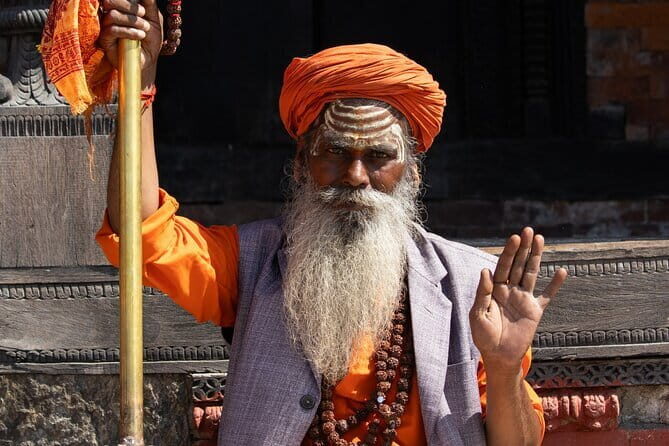
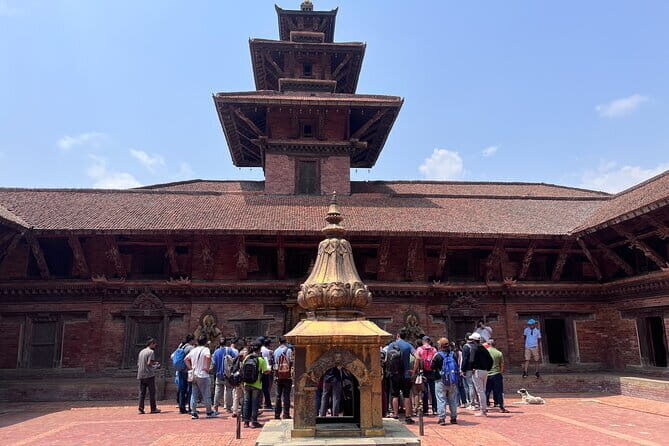
Next comes Patan Durbar Square, recognized as a World Heritage Site. This part of the day crosses you into Patan’s ancient Newar kingdom, which is known for its artisan guilds—especially metal-casting and wood-carving.
What makes this stop feel worth your time is the way the square connects craft to culture. You’re not just looking at old buildings. You’re seeing a city identity that’s been shaped by guild skills and the Newar tradition of making. Patan feels like a place where art isn’t a side hobby—it’s part of how the community expresses faith, status, and daily life.
You’ll have about 2 hours here, which is enough for a calm walk, time to pause, and a chance to ask your guide to explain what you’re seeing. This is also a good segment for anyone who likes architecture and workmanship: the details are the point.
The drawback to keep in mind: Durbar Square areas can get busy with crowds moving in and out. If you’re hoping for quiet reflections every step of the way, plan to find your calm spot and let the crowd pass.
A few more Kathmandu tours and experiences worth a look


Stop 3: Boudhanath Stupa and the Tibetan kora rhythm
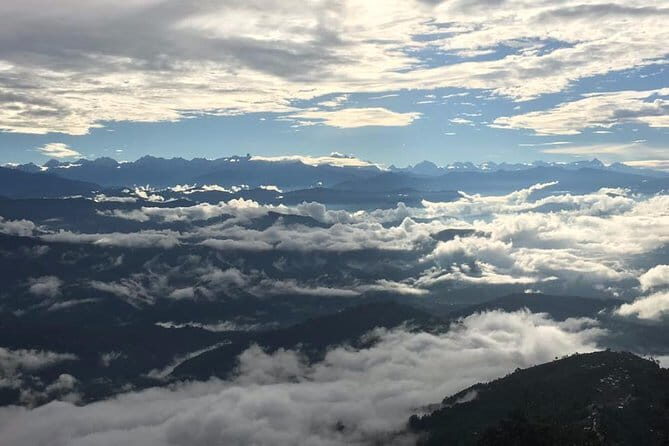
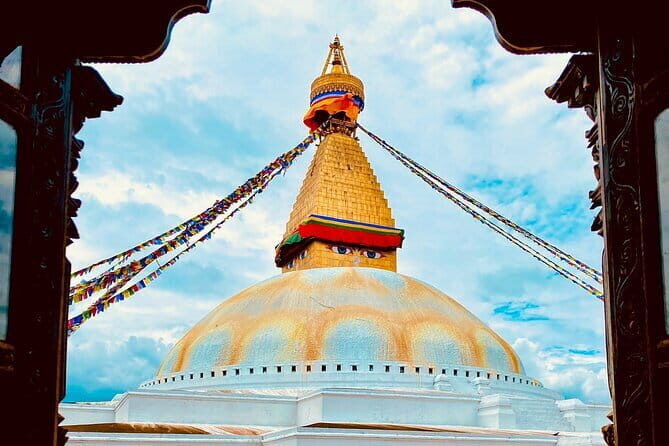
Then you shift to Boudhanath Stupa, described as one of the world’s largest spherical stupas and the spiritual heart of Nepal’s Tibetan community.
This stop isn’t only about seeing a big stupa. You’ll spend time with the atmosphere of circumambulation (kora)—the walking ritual around the stupa. The description you’ll hear emphasizes the visual rhythm: red-robed monks, and an incense presence (juniper incense) rising into the air from rooftop monasteries.
That combination—ritual + motion + scent—changes the experience. You stop treating the stupa like a static monument. Instead, it feels like a living religious space where people come to pray and keep a steady rhythm in their day.
Your timing here is also friendly: about 2 hours gives you enough room to watch people, step along the kora route, and not feel rushed.
One practical consideration: because this is a major spiritual hub, it can be emotionally intense if you’re not used to religious crowds. The flip side is that it’s also deeply meaningful if you like witnessing living practice, not just sightseeing.
Stop 4: Pashupatinath Temple on the Bagmati and respectful watching
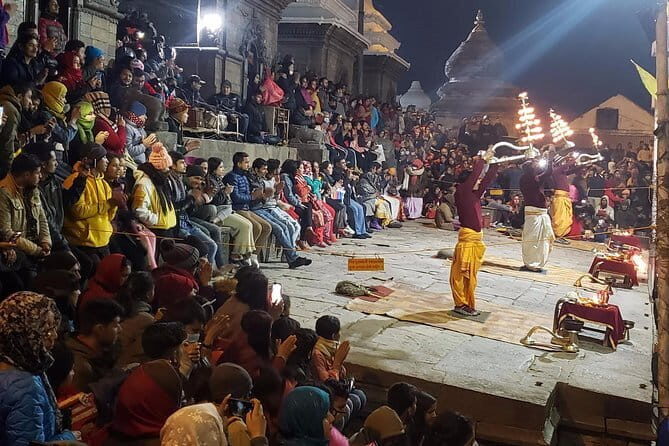
The final major stop is Pashupatinath Temple, an ancient sacred site on the bank of the holy Bagmati River. It’s described as a unique blend of Nepali cultural practice connecting ideas around life and afterlife—specifically the notion of soul and body as separate entities.
This is the most serious-feeling stop on the route. Even if you don’t share the religious beliefs, you’ll notice the tone: people are there for reasons that go beyond tourism. The guide’s role becomes especially valuable here, because the deeper meaning isn’t always obvious if you’re only scanning visuals.
Time-wise, it’s shorter than the others: about 1 hour. That’s probably intentional. Pashupatinath can take hold—so the shorter slot helps keep the day from dragging, while still giving you the chance to understand what you’re seeing.
A consideration: this site asks for respectful attention. If you’re the type who likes loud commentary and constant photo stops, you’ll need to dial it back a bit and follow the emotional pace of the place.
What a guided cultural day really buys you
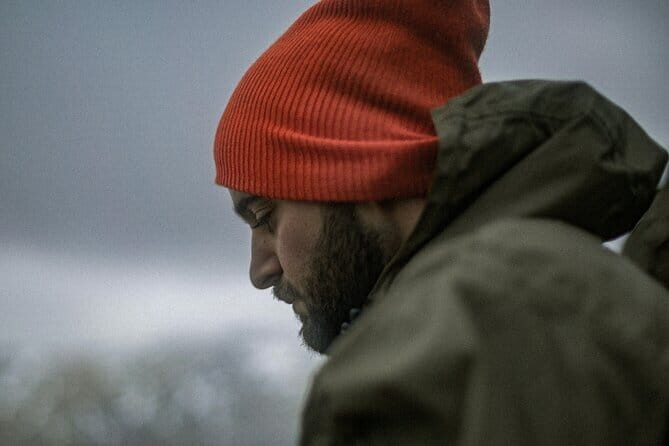
It’s easy to think a temple tour is just transport plus entry. This one is more than that because the structure is built around cultural interpretation: Nepal’s culture and tradition are the main storyline, not just the monuments.
Two things I’d focus on during your day:
- Ask for the why, not just the what. Places like Swayambhunath, Boudhanath, and Pashupatinath mean different things to different people, and your guide’s explanations can help you connect dots quickly.
- Use the pacing to your advantage. You’re allotted time at each site (2 hours, 2 hours, 2 hours, and 1 hour). That’s enough for learning without turning the day into a marathon.
If you’re traveling with friends and everyone has different interests, this route still works. Spiritual travelers get the big names. Culture-focused visitors get Patan’s craft context. Curious first-timers get a coherent sequence that makes Kathmandu feel like a system, not a random set of stops.
Weather and comfort: small realities that affect your day
The tour information notes that this experience requires good weather. That’s not a minor detail. Kathmandu sightseeing depends on outdoor walking and open-air temple areas, so rain or harsh conditions can change the experience—or lead to rescheduling with a full refund option.
Also, plan for a long city day. The itinerary is compact, but it’s still about seven hours. If your energy is limited, treat this as your main Kathmandu activity that day and keep the rest of your schedule light.
Should you book this Kathmandu Valley full-day access ticket?
I’d book this if you want a value-focused, guided introduction to Kathmandu Valley’s biggest spiritual and cultural landmarks, without spending hours figuring out routing. The private transport and pickup help a lot, and the guide experience—especially the praised style of Manish—is a big part of why this tour tends to score well.
Skip it or consider alternatives if you hate paying extra on top of a headline price for entrances, or if you strongly prefer to travel at a slower tempo with extra free time at each site. The day is structured, so you’ll be moving.
If you want one solid day that explains Nepal through its sacred places, this route is a practical choice.
FAQ
What is the duration of the tour?
It runs for approximately 7 hours.
What time does the tour start?
The start time is 9:30 am.
How much does it cost?
The price is $40.00 per person.
Is pickup included?
Yes. Private transportation is included and pickup is offered.
Are entrance fees included in the price?
Entrance fees are not included. The information provided states that entrance fees for monuments may be paid by the guest, listed as $20.00 per person.
Which places are included on the route?
You’ll visit Swoyambhu Mahachaitya (Swayambhunath), Patan Durbar Square, Boudhanath Stupa, and Pashupatinath Temple.
Is the tour guided?
Yes. A cultural guide is included, with English in-person guidance and English audio.
Is free cancellation available?
Yes. Free cancellation is available up to 24 hours before the experience start time for a full refund.
What happens if the weather is poor?
The experience requires good weather. If it’s canceled due to poor weather, you’ll be offered a different date or a full refund.
Is the tour suitable for most travelers?
The info states most travelers can participate, and service animals are allowed.