REVIEW · KATHMANDU
Family Tour in Nepal – Nepal City Tour 06 Days
Book on Viator →Operated by Adventure Vision Treks and Travels · Bookable on Viator
This family trip is interesting because it stitches together temples, lakes, and mountain sunrise without asking you to commit to a long trek. I like that it keeps things family-manageable with private vehicle transfers and a clear day-by-day rhythm, and I also like the built-in time for classic photo stops like Sarangkot and the World Peace Pagoda. One consideration: you’ll spend a fair chunk of time traveling between cities, so if your kids get restless in cars, plan for snacks and breaks.
You’ll also appreciate the “works even if you’re not an expert” approach: hotel nights are handled, airport pickup/drop is included, and the trip is set up as a private tour for just your group. The only drawback I’d flag is that meals besides breakfast are largely on you, so budget for lunch and most dinners.
In This Review
- Key things to notice before you go
- Why This Nepal City and View Trip Works for Families
- Season Notes: When the Annapurna Views Are Most Reliable
- Day-by-Day: Kathmandu, Pokhara, Sarangkot, and Nagarkot
- Day 1: Arrive in Kathmandu and settle in
- Day 2: Kathmandu to Pokhara by private vehicle
- Day 3: World Peace Pagoda and Pokhara sightseeing time
- Day 4: Sarangkot sunrise, then boating and more Pokhara time
- Day 5: Pokhara to Nagarkot
- Day 6: Nagarkot back to Kathmandu
- Day 7: Full Kathmandu exploration day
- Day 8: Depart Nepal
- Price and Logistics: What You Really Pay For at $675.42
- Hotels, Pickup, and the Human Touch (Jeevan and Madhu)
- Practical Tips for Kids, Parents, and Photo Fans
- Potential Trade-Offs to Know Before You Go
- Should You Book This Nepal Family Tour?
- FAQ
- FAQ
- How long is the Nepal City Tour for this family trip?
- Where does the tour take you?
- What’s included in the price?
- Is airport pickup and drop-off included?
- What about meals besides breakfast?
- What time of year is best for mountain views?
- Is this a private tour or a shared group?
- Can I cancel for a full refund?
Key things to notice before you go
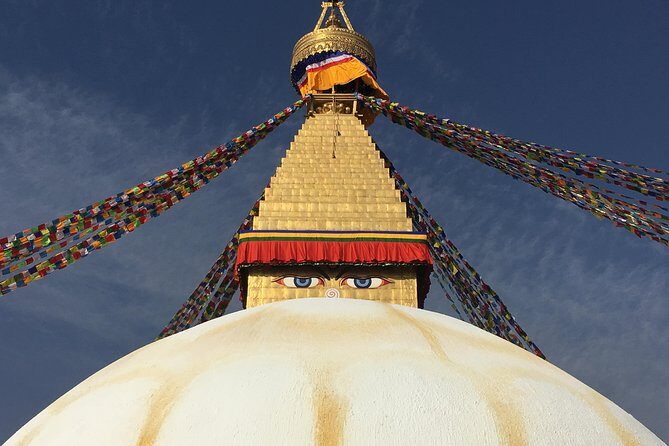
- Private transportation keeps transitions easy for families with kids or older relatives
- Sarangkot sunrise is the big wow moment for the Annapurna area
- World Peace Pagoda hike adds a memorable, scenic stretch without being an all-day trek
- Pokhara time includes the lakeside vibe plus caves/temples/panoramic viewpoints
- Nagarkot stop gives you another chance at high-view scenery before heading back to Kathmandu
- Service from Adventure Vision Treks and Travels is repeatedly praised for planning and coordination
Why This Nepal City and View Trip Works for Families
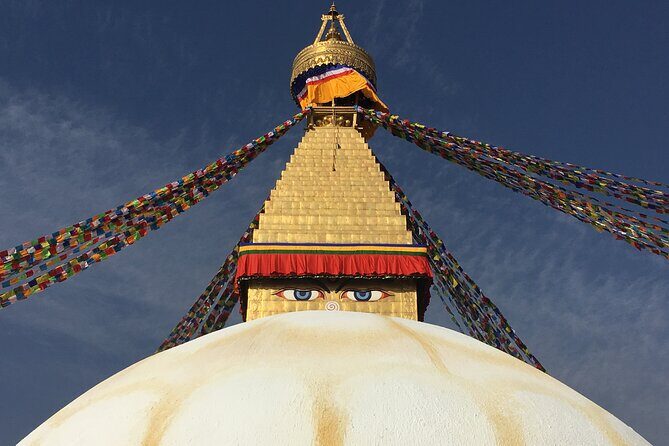
Nepal can feel like a lot. Streets are busy, directions are confusing, and the best views come with timing. This tour’s design helps you avoid the scramble. You get a guided flow between three major bases: Kathmandu, Pokhara, and Nagarkot.
What makes this route especially family-friendly is that it mixes “must-see” with “doable.” You’re not being asked to hike for days. Instead, you get one meaningful hike tied to a big payoff (the World Peace Pagoda), then shorter viewpoint moments, plus relaxed sightseeing days where you can set your pace.
The other strength is the consistency: private vehicles handle the long transfers, and you’re not constantly checking schedules. For families, that matters more than people expect. When everyone knows what the next day looks like, you travel better.
You can also read our reviews of more city tours in Kathmandu
Season Notes: When the Annapurna Views Are Most Reliable
You can start this kind of trip any time of year, but the best scenic visibility is clearly seasonal. If you want sharper skies and cleaner views, aim for spring (March–June) or autumn (September–December).
- Spring usually brings clear skies after winter, with mountain tips often dusted with snow. Photo results are generally better because haze is lower.
- Autumn sits right after the monsoon and before the cold arrives. The air tends to be clearer, and plants look vivid in the softer light.
One practical note: if you go during the monsoon season, you may get fewer “sunrise from the viewpoint” days that feel truly crisp. Cloud cover can mute the mountains, and rain can slow travel. If your family’s top priority is scenery, skipping monsoon months is the easiest upgrade you can make.
Day-by-Day: Kathmandu, Pokhara, Sarangkot, and Nagarkot
This is an 8-day plan that follows a simple logic: arrive, settle in Kathmandu, shift to lakeside Pokhara, chase sunrise viewpoints, then return and wrap up with city exploration.
Day 1: Arrive in Kathmandu and settle in
You land and then get transferred to your hotel by private vehicle, with an overnight stay in Kathmandu. This first day is mostly about getting your bearings, sleeping, and letting the altitude in the Kathmandu valley settle for your group.
Even if you don’t have plans on Day 1, I’d still keep your evening low-key. Nepal city trips feel much better when your first night is calm.
Day 2: Kathmandu to Pokhara by private vehicle
Next comes a drive from Kathmandu to Pokhara (about 6 hours). You’re on the road long enough to feel the “we’re really leaving Kathmandu” moment, but not so long that families can’t handle it.
Once you arrive, you’ll have time for sightseeing around Pokhara. This is where you start to see why Pokhara is so popular: the city feels different from Kathmandu. The pace is a bit calmer, and the view energy is strong even when the day isn’t perfect for mountains.






Day 3: World Peace Pagoda and Pokhara sightseeing time
Your Pokhara day includes a hike to the World Peace Pagoda. It’s not pitched as a hardcore trek, but it does mean you’ll walk uphill for a bit. For families, that’s a good trade: you get a scenic target without committing to days of trekking.
After the hike, the rest of the day is built for flexible exploration: lakeside atmosphere, caves/holy places/ancient temples and shrines are part of the theme, and the goal is to mix landmarks with downtime.
A small strategy that helps families: pick one “must-do” for the morning and keep the afternoon more flexible. That way, if the family energy dips, you’re not forced to rush through everything.
Day 4: Sarangkot sunrise, then boating and more Pokhara time
This is one of the main anchors of the entire tour: early morning drive to Sarangkot for sunrise over the Annapurna range. The timing matters here. Sunrise viewpoints are all about catching light before clouds build, and you’ll want to treat this like a real morning event, not a casual “whenever we feel like it” stop.
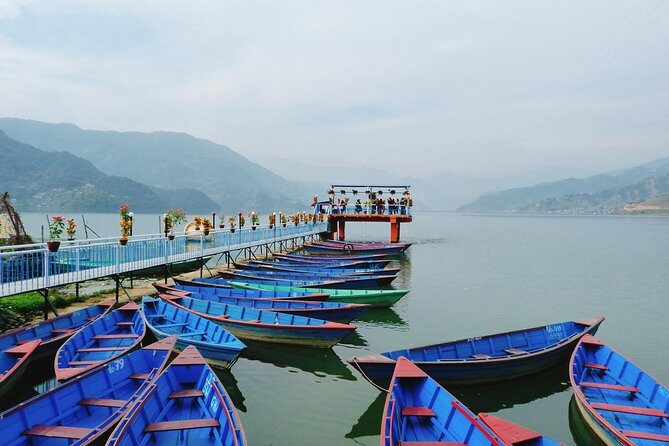
After sunrise, you’re back into a more relaxed mode: you’ll have time to explore Pokhara and enjoy boating on Phewa Lake. That combination is excellent for families because it balances the big-ticket view with something calm and scenic on the water.
If you’re traveling with kids, this is a good day to bring motion-sickness basics (even if your group usually handles cars well). The early start plus driving can catch people off guard.
Day 5: Pokhara to Nagarkot
You’ll drive from Pokhara to Nagarkot, with an overnight in Nagarkot. Nagarkot is known for viewpoint scenery, and it gives your trip a different flavor than Pokhara’s lakeside world.
This day is more about transfer and setting up for the next viewpoint block, so it tends to feel calmer than the sightseeing-heavy days.
Day 6: Nagarkot back to Kathmandu
Another longish transfer: Nagarkot to Kathmandu by private vehicle. Overnight is in Kathmandu, which puts you closer to end-of-trip shopping and city wandering.
This is also the day when you’ll feel the “finish line” energy. If your family has energy for one more evening stroll, Kathmandu is often a good place for it, especially around the well-known tourist neighborhoods. Some guests highlight time around Thamel, which fits the vibe of a last-night city explore.
Day 7: Full Kathmandu exploration day
Day 7 is your flexible Kathmandu day. The focus is on classic city sightseeing and heritage-style wandering. Kathmandu rewards slow movement: you’ll see temple clusters, courtyards, and the kind of daily life that doesn’t look like a single attraction.
If you want souvenir time, this is when to do it. If you want one last viewpoint, talk with your driver about what’s feasible with your family’s pace.
Day 8: Depart Nepal
At the assigned time, you’ll be taken to the airport by vehicle. It’s the kind of simple ending families appreciate: no scrambling for transportation at the last moment.
Price and Logistics: What You Really Pay For at $675.42
At $675.42 per person, this isn’t the cheapest way to see Nepal. But it does include several things that cost money and time if you plan them yourself.
Here’s where the value comes from:
- 3-star accommodation with breakfast for 6 nights across Kathmandu, Pokhara, and Nagarkot
- Private transportation (not shared shuttles) for the key legs
- Airport pickup and drop, which can be a big relief after a long flight
- Farewell dinner with a live culture program
- Mobile ticket, which reduces last-minute fuss
What you should budget separately:
- Lunch and most dinners
- Drinks and alcoholic drinks (available to purchase)
- Any other fees/taxes not included
The best way to think about the price is as a convenience bundle. For a family, reducing decision fatigue often matters more than shaving a few dollars. You pay for a plan that runs on time, with people handling the handoffs.
Also, because it’s a private tour for your group, it’s built to feel less like a conveyor belt. That can make a difference when you’re traveling with kids, or when your group has different walking speeds.
Hotels, Pickup, and the Human Touch (Jeevan and Madhu)
The “people layer” is where this tour seems to win repeat customers. Guests consistently give credit to planners such as Mr. Jeevan / Jiban, and to drivers like Mr. Madhu for safe, well-coordinated transportation.
That matters because Nepal logistics can be the hardest part for first-timers. A good planner helps you avoid bad timing and bad matches, like trying to pack too much into one day or choosing hikes/viewpoints that don’t fit your group’s pace. A skilled driver matters too, especially on days with longer transfers.
You’ll feel this most on the transition days: Kathmandu to Pokhara, Pokhara to Nagarkot, and Nagarkot back to Kathmandu. Those are the days that can go sideways if coordination is sloppy. Here, the flow is set up to stay smooth.
Practical Tips for Kids, Parents, and Photo Fans
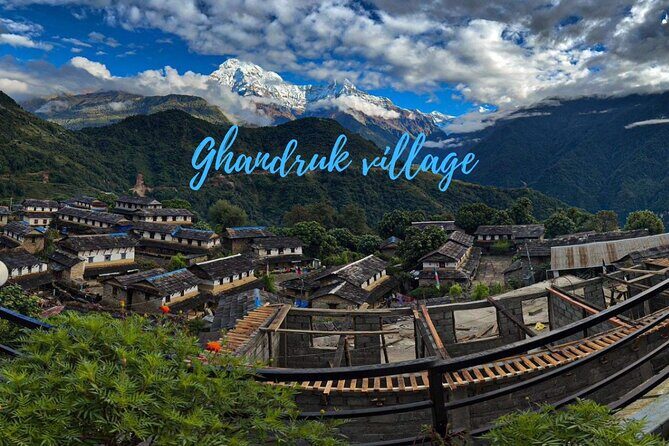
This tour is “most travelers can participate,” so it’s not only for seasoned adventurers. Still, family success depends on preparation.
1) Plan for early mornings.
Sarangkot sunrise means getting up before the day feels real. Set expectations with the kids the night before, and bring a warm layer even if you’re traveling in a warmer season.
2) Treat the pagoda hike like a warm-up.
The World Peace Pagoda hike adds effort, but it’s a manageable feature day. Bring water and simple snacks. If you have younger kids, take it slow and pause often.
3) Keep walking shoes honest.
City streets and viewpoint paths can be uneven. Solid footwear helps your legs and your confidence.
4) Decide your photo priorities.
You’ll have multiple viewpoints and scenic moments. If your family is into photos, focus on one “serious” shot time per day, rather than trying to capture everything at once. You’ll enjoy the day more.
5) Budget your meals.
Breakfast is included, and you’ll have a farewell dinner program. But lunch and most dinners aren’t included, so pick a few simple food strategies your kids can handle.
Potential Trade-Offs to Know Before You Go
No tour is perfect. Here are the trade-offs I’d consider:
1) Long travel days are part of the package.
You’ll drive between Kathmandu, Pokhara, Nagarkot, and back. It’s private transportation, which helps. Still, it’s time in a car. Families should plan for comfort breaks.
2) Scenic days can depend on weather.
Even in the best seasons, sunrise and mountain views depend on cloud cover. The tour schedule gives you the chance for clear mornings, but it can’t guarantee blue skies.
3) Meal flexibility is limited by what’s included.
Breakfast and the farewell dinner are covered. Outside that, you’ll be choosing your own lunch and dinner, which can be great for independence but needs a bit of planning.
4) You’ll move bases more than once.
Three different sleeping areas means packing and unpacking. It’s not extreme, but it’s more than a single-city stay.
Should You Book This Nepal Family Tour?
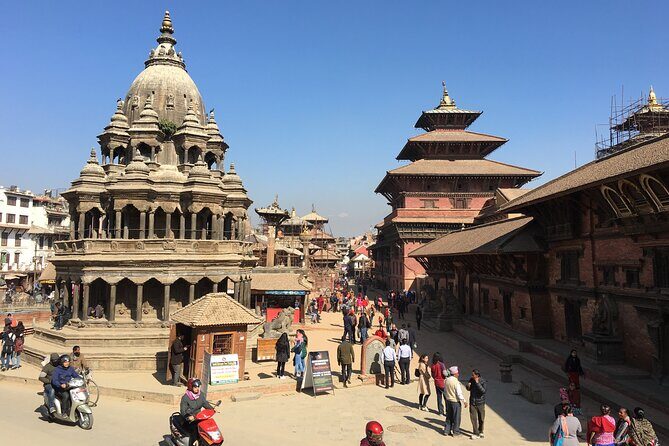
If your family wants a Nepal introduction that feels organized and scenic, I think this tour is a strong option. It fits well for people who want Kathmandu culture, Pokhara calm, a Sarangkot sunrise moment, and Nagarkot viewpoints without turning the trip into a strenuous trekking project.
Book it if:
- you value private transfers and clear planning
- your kids (or your group) do better with fewer decisions
- sunrise views and iconic Pokhara stops are top priorities
- you want a farewell live culture dinner rather than eating on your own every night
Consider another style of trip if:
- your family hates early starts or long drives
- you want fully included meals every day (this plan doesn’t cover all lunches/dinners)
- you’re planning to move at a very slow pace and dislike changing hotels
FAQ
FAQ
How long is the Nepal City Tour for this family trip?
It’s set up as an 8-day experience, running from arrival through departure.
Where does the tour take you?
The tour is based around Kathmandu, Pokhara, and Nagarkot, with transfers between each place.
What’s included in the price?
The package includes 3-star accommodation with breakfast for 6 nights across Kathmandu, Pokhara, and Nagarkot, private transportation, airport pickup and drop, a farewell dinner with a live culture program, and breakfast.
Is airport pickup and drop-off included?
Yes. Airport pickup and drop are included, using the tour vehicle.
What about meals besides breakfast?
Breakfast is included. The farewell dinner with a live culture program is included as well, but drinks and additional meals like lunch and dinner are not included.
What time of year is best for mountain views?
The tour is suitable year-round, but you should avoid the monsoon season for the best scenery. Spring (March–June) and autumn (September–December) are highlighted as ideal.
Is this a private tour or a shared group?
It’s a private tour/activity, so only your group participates.
Can I cancel for a full refund?
Yes. Free cancellation is available if you cancel up to 24 hours in advance for a full refund.