REVIEW · KATHMANDU
4 UNESCO City Sightseeing in Kathmandu
Book on Viator →Operated by Epic Adventures Pvt. Ltd. · Bookable on Viator
Kathmandu feels like an open-air museum, if you plan right. This full-day small-group route strings together the big-hitters—Kathmandu Durbar Square, Swayambhunath, Pashupatinath, and Boudhanath—so you spend your limited time seeing instead of sorting out logistics. You also get guided context along the way, which matters in a place where every corner has meaning.
What I like most is the combination of hotel pickup/drop-off and private, air-conditioned transport. It takes the sting out of moving around Kathmandu Valley on your own, especially when sites are scattered and timing is everything. A second standout is the guide quality: Epic Adventures’ guide Saru comes up as excellent—friendly, compassionate, and strong on city context—which is exactly the kind of tone you want on a long day.
The one real drawback to factor in is cost and timing around entrances and meals. Admission tickets are not included, and lunch isn’t included—so you’ll want to budget a bit more and eat strategically so you don’t run low on energy.
In This Review
- Key things that make this Kathmandu UNESCO day work
- Why this Kathmandu UNESCO route feels efficient when your time is short
- Price and logistics: what you’re really paying $50.50 for
- Stop 1: Kathmandu Durbar Square (2 hours) and the royal center you can read in stone
- Stop 2: Swayambhunath Stupa (about 1 hour) and the legend that explains the place
- Stop 3: Pashupatinath Temple (about 1 hour) and why Lord Shiva is central here
- Stop 4: Boudhanath Stupa (about 1 hour) and the Tibetan link to Nepal
- What the guide actually adds: less wandering, more meaning
- Duration, pacing, and how to plan your day around the tour
- Comfort and group size: the quiet advantages of a small day
- Who should book this UNESCO day (and who might skip it)
- Should you book 4 UNESCO City Sightseeing in Kathmandu?
- FAQ
- How long is the 4 UNESCO City Sightseeing tour?
- What’s included in the tour price?
- Are admission tickets included for the UNESCO sites?
- Is lunch included?
- Do you pick up from a hotel and drop back off?
- What is the group size?
- What is the cancellation policy?
Key things that make this Kathmandu UNESCO day work
- Four UNESCO heritage stops in one day, with built-in travel time
- Hotel pickup and drop-off, so you don’t waste morning energy on logistics
- Air-conditioned private vehicle, which is a big quality-of-life upgrade
- Admission not included at each site, so you should expect extra cash for tickets
- Max 15 travelers, keeping it small enough for a more personal feel
- In-depth guide explanations, including cultural background at each stop
Why this Kathmandu UNESCO route feels efficient when your time is short
If it’s your first trip to Kathmandu, the biggest problem is usually not seeing places—it’s deciding how to connect them without turning the day into constant “where do we go next?” Taxi hopping adds up fast. Walking between far-flung sites can be slow and stressful. This tour solves that by grouping the valley’s major heritage landmarks into a single, paced day.
The route focuses on four specific sites that together show you the city’s layers: the royal-era center at Durbar Square, the hilltop spiritual vibe at Swayambhunath, the Hindu pilgrimage gravity of Pashupatinath, and the Tibetan Buddhist presence at Boudhanath. Done on your own, you’d spend extra time researching routes and resolving conflicting opening hours. Here, the structure does that thinking for you.
I also like that the day is explicitly built for people who want a lot of signal without having to manage all the noise. You get guided explanations as you move, so you’re not just checking boxes. Even if you’re not a “history person,” the story behind each site helps your brain place what you’re seeing.
You can also read our reviews of more city tours in Kathmandu
Price and logistics: what you’re really paying $50.50 for
At $50.50 per person, this isn’t a budget mystery tour. It’s priced like a straightforward guided day with actual transport and a professional guide. The value comes from what’s included: private transportation, an air-conditioned vehicle, and round-trip transfers from your hotel plus return drop-off.
That matters because Kathmandu Valley logistics can be a whole separate activity. When you’re paying for rides, coordinating meeting points, and trying to keep the day moving, it’s easy for independent sightseeing to become more expensive than expected. This tour replaces that with a single plan and fewer decision points.
Two practical things to expect for the price:
- Admission tickets are not included, so your total cost will rise at the sites where tickets are needed.
- Lunch and personal expenses are not included, meaning you’ll need to plan food and water during the day.
If you’re the type who hates “figuring it out” in a new city, this is exactly the kind of service that pays off. If you’re traveling super light and love roaming freely with zero structure, you might prefer an à la carte approach instead.
Stop 1: Kathmandu Durbar Square (2 hours) and the royal center you can read in stone
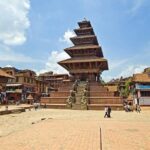
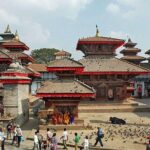
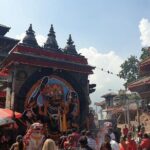
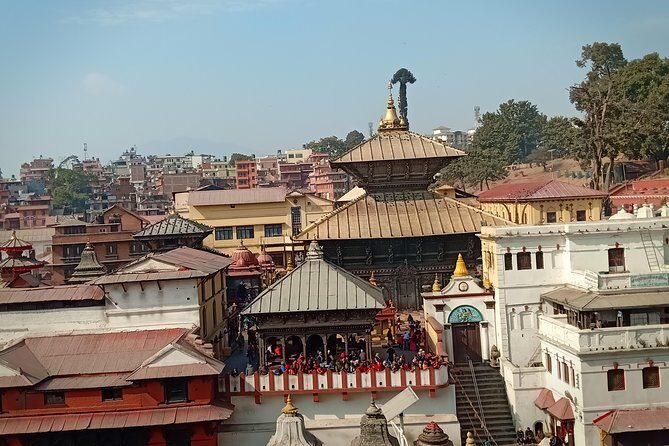
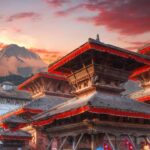
Kathmandu Durbar Square is the kind of place where you can look for an hour and still find details. This complex served as the seat of power for the Malla kings and later the Shah dynasty, which gives it a political center-of-gravity even when you’re standing amid shrines and courtyards. The tour gives you about two hours here, which is a realistic amount of time to take it in without feeling rushed.
What makes this stop feel worthwhile on a guided day is the context. Durbar Square isn’t just a collection of old buildings—it’s tied to major eras of rule and ceremony. When a guide frames that, you start noticing patterns: the way spaces were used, and why the area mattered. Without that frame, it’s possible to see it as “scenery” instead of “a working monument to power.”
A key planning note: admission tickets aren’t included here. That’s normal for major heritage sites, but it affects your total day. If you arrive expecting everything to be paid for already, you may be surprised.
Stop 2: Swayambhunath Stupa (about 1 hour) and the legend that explains the place
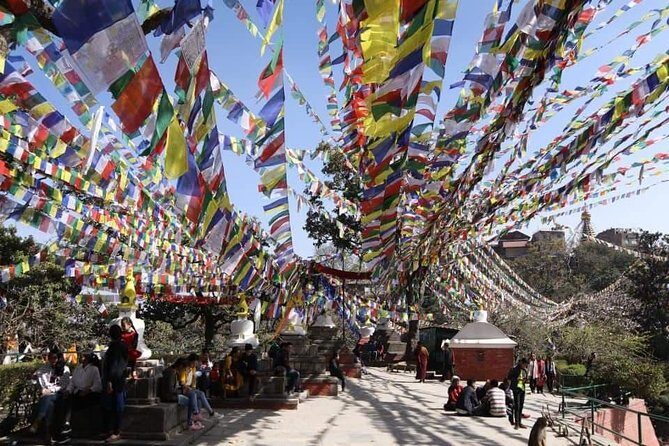
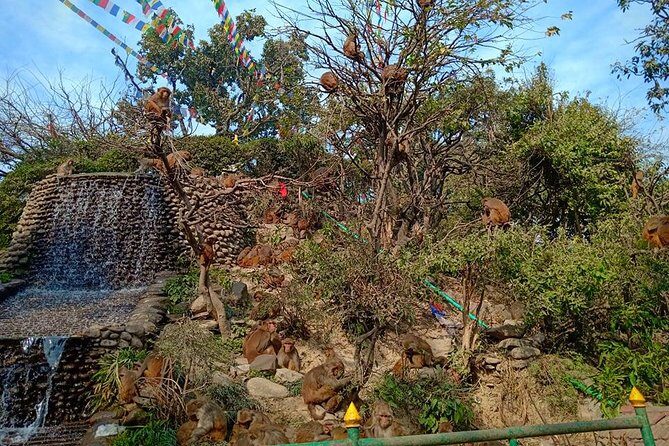
Swayambhunath is one of those Kathmandu names you’ll hear again and again, and for good reason. The stupa is believed to have been founded over 2,000 years ago, and the tour shares the legend that it emerged spontaneously from a lotus flower. That kind of story is not “extra fluff”—it’s a map for how people relate to the site.
With about one hour on the hilltop, this stop works well if you’re balancing a full day. It’s enough time to experience the spiritual atmosphere and absorb the meaning behind the visuals, without dragging the schedule. On an independent plan, people often overstay the early site and then run out of momentum later. The timed structure prevents that.
Again, admission tickets aren’t included, so treat this as part of your “expected extras” budget. The tour’s value is that you’re not spending your time trying to figure out what’s important once you arrive. Your guide’s cultural background gives you a reason to look closely instead of drifting through.
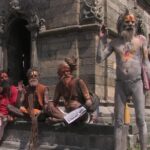
Stop 3: Pashupatinath Temple (about 1 hour) and why Lord Shiva is central here
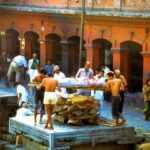
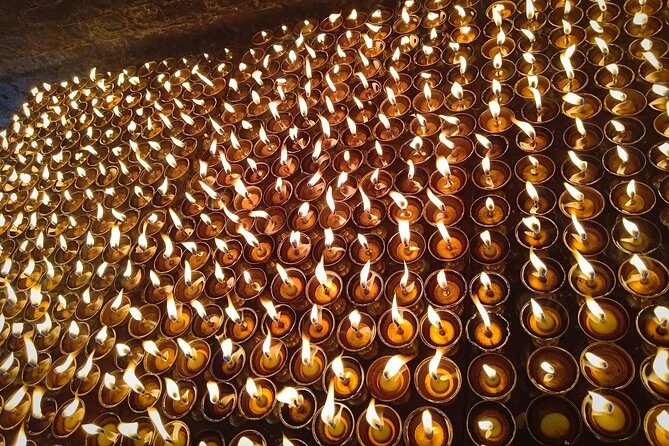
Pashupatinath is dedicated to Lord Shiva, and the tour frames it as one of the oldest and most sacred Hindu temples in the world. The temple dates back to 400 A.D., then was rebuilt by King Bhupatindra Malla in the 17th century after damage. Those dates matter because they show continuity plus change—how a spiritual site can survive across centuries while still being shaped by human hands.
Expect about one hour at this stop. That time is sensible: it lets you understand significance and take in the atmosphere without letting one major religious site swallow the whole day. If you’re sensitive to long waiting times or slow pacing, the guided timing can be a relief.
Practical note: admission tickets aren’t included. Also, temples often have visitor rules and behavior norms, so your guide’s instructions are part of the experience, not an afterthought. Even when a tour doesn’t spell out dress code specifics ahead of time, your safest move is to follow what your guide tells you on arrival.

Stop 4: Boudhanath Stupa (about 1 hour) and the Tibetan link to Nepal
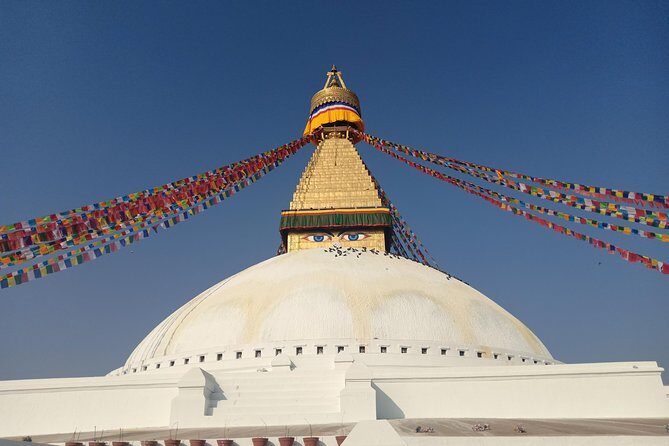
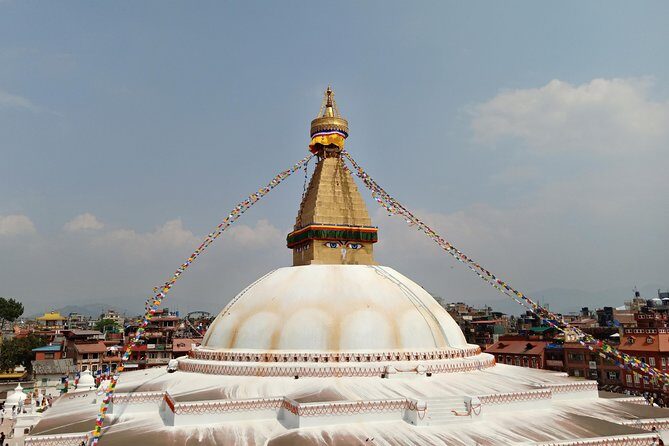
Boudhanath is iconic, and the tour gives you the bigger story behind why it matters. The stupa was built in the 5th century, and after the Mughal invasions it became a center for Tibetan Buddhism as refugees fled to Nepal. The guide also notes that Boudhanath is one of the largest stupas in the world, making it a key pilgrimage site.
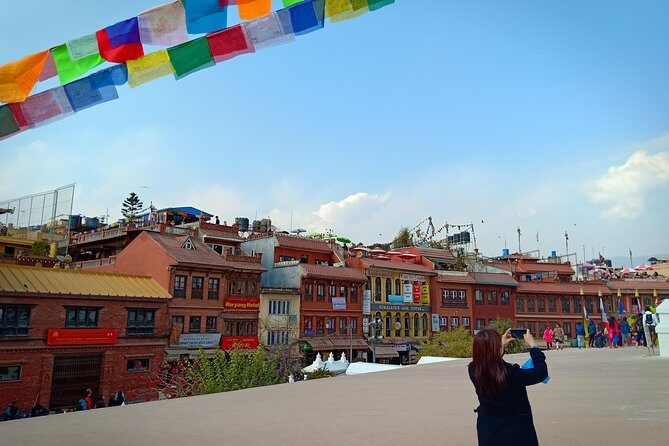
This stop is where Kathmandu starts to feel like a crossroads. You’re no longer just in the narrative of one tradition; you’re seeing how Nepal became a refuge and spiritual home for communities moving through history. That’s the kind of context that turns photos into understanding.
You’ll spend about one hour here, which pairs nicely with the other religious sites on the day. Done well, the sequence works: Durbar Square sets the political setting, Swayambhunath introduces a long-running spiritual legend, Pashupatinath roots you in Hindu devotion, and Boudhanath connects you to Tibetan Buddhism.
As with the other stops, admission tickets aren’t included, so plan for that expense. If you want to see the site without financial friction, it helps to budget for entrances before you start the day.
What the guide actually adds: less wandering, more meaning
A guided day can go two ways. It can feel like a lecture. Or it can feel like a key that makes what you see click. This tour aims for the second option: your group’s guide provides in-depth cultural background at each stop.
The guide name that comes up in feedback is Saru. The description is consistent: friendly, compassionate, and strong on city knowledge. That combination matters more than people think. A good heritage guide isn’t just facts—they help you read the place with your own eyes.
Because it’s small-group (maximum 15 travelers), you’re less likely to get stuck in a big crowd where you can’t ask questions or hear explanations clearly. Private transportation also means the “dead time” between sights is minimized. You’re not spending hours negotiating routes while others wait. That keeps the day enjoyable instead of exhausting.
Duration, pacing, and how to plan your day around the tour
The tour runs 6 to 7 hours, depending on how the day flows. That duration is a practical sweet spot. It’s long enough to cover all four major sites in a meaningful way, but not so long that you’re fried afterward.
Here’s how I’d plan around it:
- Eat before you start, if possible. Lunch isn’t included, and you’ll want energy for back-to-back sites.
- Bring water and a light snack for breaks, since personal expenses are on you.
- Keep expectations realistic: tickets, basic walking, and time at each stop can add up. Even with a schedule, heritage sites take attention.
Also note the tour includes a mobile ticket, which can reduce the hassle of exchanging paper vouchers at multiple points. Confirmation is received at booking, which makes it easier to organize your Kathmandu logistics without last-minute uncertainty.
Comfort and group size: the quiet advantages of a small day
The big comfort win is the air-conditioned vehicle and private transportation. Kathmandu sightseeing can be warm and tiring, and you’ll feel it more when you’re jumping between neighborhoods. This tour handles the “getting there” with a vehicle so you can save your stamina for the sites.
The small-group cap of 15 travelers is another quiet advantage. In a larger group, you spend a lot of time waiting or trying to follow a moving line. In a smaller group, your guide can manage pacing better and you’re more likely to feel like the day belongs to you.
And there’s a nice practical layer here: pickup is offered and you’ll get hotel drop-off at the end. In a city where traffic and distance can complicate independent planning, that round-trip convenience can be the difference between enjoying your day and just surviving it.
Who should book this UNESCO day (and who might skip it)
This tour fits you best if:
- It’s your first visit to Kathmandu and you want the main sites without stress.
- You have limited time and want a structured way to cover multiple UNESCO landmarks.
- You’d rather pay for comfort and planning than spend energy building a route yourself.
- You like getting cultural context, not just taking pictures.
You might skip or adjust your plans if:
- You already have a well-tested itinerary and enjoy independent pacing.
- You’re traveling with strict dietary needs and really want to control lunch choices.
- You’re trying to keep total costs extremely low, since admission tickets add up and lunch isn’t included.
My honest take: this is a smart “get your bearings fast” day. The more chaotic your schedule, the more this style of tour becomes worth it.
Should you book 4 UNESCO City Sightseeing in Kathmandu?
If your goal is to see four major Kathmandu UNESCO sites in one day without micromanaging transport, I’d book it. The combination of hotel pickup/drop-off, air-conditioned private vehicle, and a guide who provides cultural background makes the experience feel smoother than doing it alone.
The main reason to hesitate is budget planning. Admission tickets and lunch are not included, so your final spend will be higher than the headline price. If you budget for that and value a guided structure, this day tour is strong value—and the small-group size keeps it human.
If you want one practical check before booking: plan your day so you’re not hungry or rushed for lunch. Then let the route do its job.
FAQ
How long is the 4 UNESCO City Sightseeing tour?
It lasts about 6 to 7 hours.
What’s included in the tour price?
You get a professional guide, private transportation in an air-conditioned vehicle, and round trip transfer from your hotel, plus hotel drop-off.
Are admission tickets included for the UNESCO sites?
No. Admission tickets are not included for Kathmandu Durbar Square, Swayambhunath, Pashupatinath, or Boudhanath.
Is lunch included?
No. Lunch is not included.
Do you pick up from a hotel and drop back off?
Yes. The tour offers pickup from your hotel and includes a drop-off afterward.
What is the group size?
The tour has a maximum of 15 travelers.
What is the cancellation policy?
You can cancel for a full refund up to 24 hours in advance. If you cancel less than 24 hours before the start time, the amount paid is not refunded.