REVIEW · KATHMANDU
Kathmandu City Tour
Book on Viator →Operated by Himalayan Hero Adventures · Bookable on Viator
Kathmandu can feel like a living museum, and this route is the easiest way to see it. I like the air-conditioned vehicle and the smooth pickup option, which makes a long day feel manageable from the start. I also like that the plan hits major Hindu and Buddhist landmarks, including Pashupatinath, Bouddhanath Stupa, Patan Durbar Square, and Swyambhunath (Monkey Temple). One thing to watch: permits on heritage sites are not included, so you should expect a bit of extra payment depending on what you’re asked for on the day.
You’ll start at 8:15 am and spend about 7 hours on the key stops, which is a realistic chunk of time for Kathmandu Valley traffic, walking, and photo stops. The tour is private for your group, and it’s run by Himalayan Hero Adventures with an on-the-ground guide and a focus on old heritage sites, temples, and stupa culture. If you’re expecting a relaxed, no-stress day with lunch included, adjust your plan because lunch and drinks are on you.
In This Review
- Quick highlights you can plan around
- How the Kathmandu Valley tour works (and why it’s a good setup)
- Entering Pashupatinath Temple with the right expectations
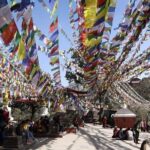
- Bouddhanath Stupa and the feeling of Buddhist Kathmandu
- Patan Durbar Square: heritage, craft energy, and a different Kathmandu angle
- Swyambhunath (Monkey Temple) and how to handle the stairs
- The 7–8 hour schedule: what you should actually plan for
- Price and value: what $100 buys you in Kathmandu
- What’s included, what isn’t, and how to avoid surprise costs
- Booking with Himalayan Hero Adventures: what the strong feedback signals
- Who this Kathmandu city tour fits best
- Should you book this Kathmandu Valley city tour?
- FAQ
- How long is the Kathmandu City Tour?
- What time does the tour start?
- Does the tour include pickup?
- Is transportation provided?
- Do I need to pay for heritage site permits?
- Are admission tickets included?
- Is lunch included in the price?
- Is the tour private?
- Where should I meet the tour?
- What is the cancellation policy?
Quick highlights you can plan around
- Pickup at or near your base so you start sightseeing without hunting transport first
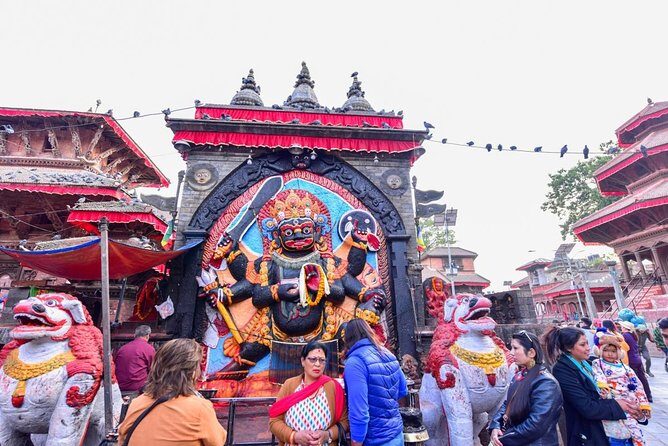
- Major Kathmandu Valley icons in one loop: Pashupatinath, Bouddhanath, Patan Durbar Square, Swyambhunath
- Buddhist and Hindu sites together so you see how these cultures share the same streets and rhythms
- AC vehicle for comfort during city driving, especially when the day warms up
- Admission listed as free, but permits aren’t included so bring budget for any heritage-site fees
- Local organization support from Himalayan Hero Adventures and a guide who can keep things moving
How the Kathmandu Valley tour works (and why it’s a good setup)
This is the kind of tour I recommend for your first days in Kathmandu, when you want the “greatest hits” without spending your morning figuring out routes, buses, or which taxi driver knows the exact entrance. The tour is designed around a classic Kathmandu Valley arc: temples, a major stupa, a UNESCO-listed heritage zone area, and the famous Monkey Temple. You get a tour guide and an air-conditioned vehicle, which matters because Kathmandu traffic can turn even a short ride into a long one.
The timing starts at 8:15 am, so you’re up early enough to dodge the worst heat and to get into key sites while the day still feels fresh. The total time is listed as 7 to 8 hours, which usually gives you room for short walks, photo pauses, and the kind of explanations that make religious sites feel less like random scenery. This tour also says admission tickets are free, while permits on heritage sites are not included, so you’ll want to confirm what you personally need to carry or pay for.
One more practical point: it’s private only for your group. That usually means fewer stops that feel rushed, and more room for questions and pacing that fits your comfort level. If you’re coming with family members or you don’t enjoy sprinting between monuments, this setup tends to feel better than joining a large mixed group.
You can also read our reviews of more city tours in Kathmandu
Entering Pashupatinath Temple with the right expectations
Pashupatinath Temple is one of the anchors of this itinerary, and it’s the kind of place where you should expect a strong sense of daily religious life, not just sightseeing. You’ll visit it as part of the Kathmandu Valley route, and your guide will help you understand what you’re seeing and how to behave in and around sacred spaces.
What I like about this stop in a guided format is simple: you avoid guesswork. Temples usually come with norms about where to stand, how to dress, and what to avoid doing while people are practicing. When you have a guide, you can focus on the experience instead of worrying if you’re doing something wrong. If you’re photographing, you’ll also benefit from knowing where pictures are welcome and where they can be disruptive.
A possible drawback is that this stop can feel intense if you’re sensitive to crowds, ceremonies, or the bustle that surrounds major spiritual sites. That doesn’t make it worse, but it’s worth planning for. If you want calm, consider bringing a little extra patience and letting your guide set the pace.
Tip: wear clothing that covers shoulders and knees, and bring a light layer if you expect wind or a sudden chill indoors or near shaded areas.
Bouddhanath Stupa and the feeling of Buddhist Kathmandu
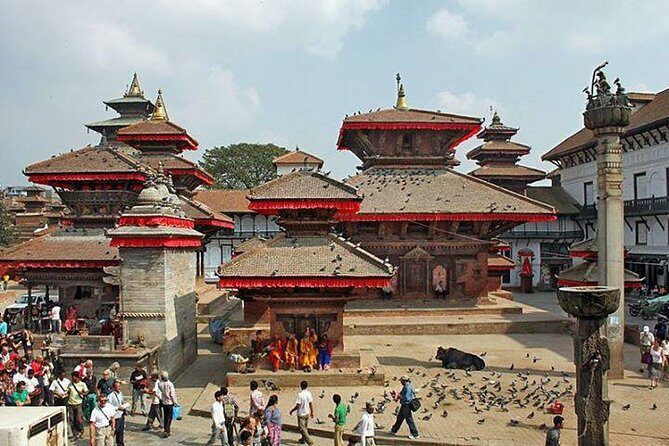
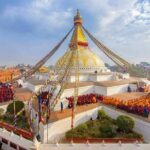
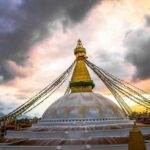
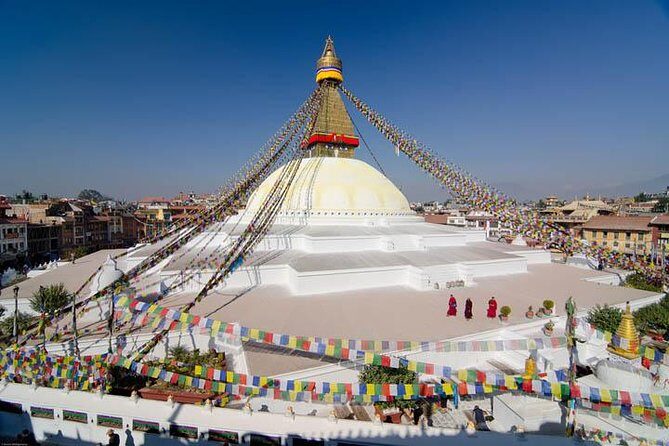
Bouddhanath Stupa is another centerpiece on this tour, and it’s where the trip clearly leans Buddhist. The tour info also calls it the Asia biggest stupa, which gives you a sense that this isn’t a quick “snap and go” stop. You’ll have time to take in the stupa from different angles and to watch how people move through the space.
I like Bouddhanath on a guided itinerary because your guide can explain the basics of what you’re seeing without turning the day into a lecture. Stupas are visually powerful, but the meaning is easier to grasp when you’re not trying to translate symbols on the fly. This is one of those stops where you’ll probably remember details after you leave, because the atmosphere stays with you.
The main consideration here is practical: stupa areas can be busy, and you may be moving through areas where people are walking with purpose. Keep your pace steady, give space to anyone who looks like they’re in the middle of a ritual or a calm moment, and let your guide choose the best spots to stand for photos.
If you want a good photo, don’t just aim for the first view. Ask your guide when the flow eases. A small timing change can mean the difference between a cluttered shot and a clean view.
Patan Durbar Square: heritage, craft energy, and a different Kathmandu angle
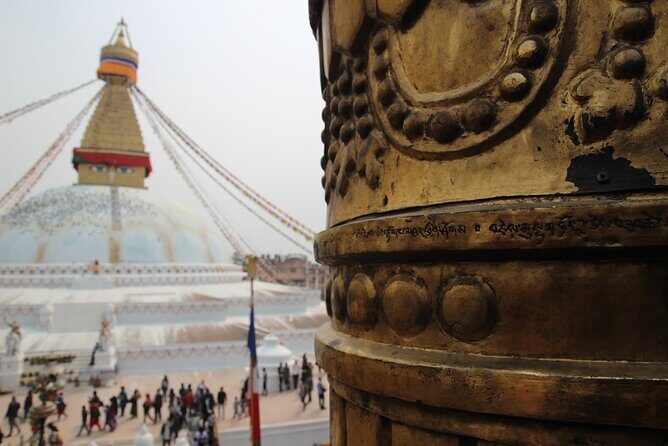
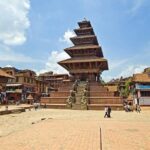
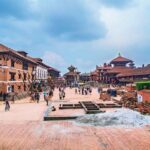
Patan Durbar Square is your heritage-site stop that adds variety to the day. Unlike a temple and stupa combo, Durbar Square-style areas often feel more like an outdoor cultural center, with a mix of architecture and everyday life close by. You’ll get to see Patan as part of the Kathmandu Valley circuit, which helps you understand that Kathmandu’s heritage isn’t limited to one neighborhood.
What I find valuable with a guided route here is the context. Even if you’re not chasing museum-level explanations, a good guide can point out what makes the place special so you don’t just see walls and gates. Your guide can also help you manage the practical side: where to go first, when to step back for better sight lines, and how to keep moving without getting lost.
A possible drawback is that Durbar Square areas can be uneven underfoot and packed at certain times. Comfortable shoes matter. If you’re bringing older family members, you might want to talk with your guide about pacing and how often you want brief rests.
Swyambhunath (Monkey Temple) and how to handle the stairs
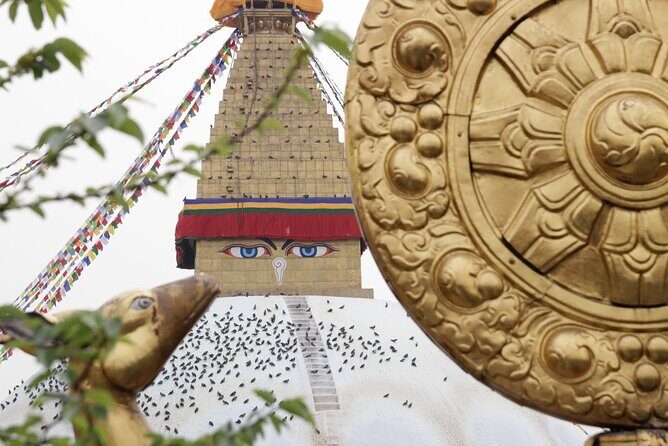
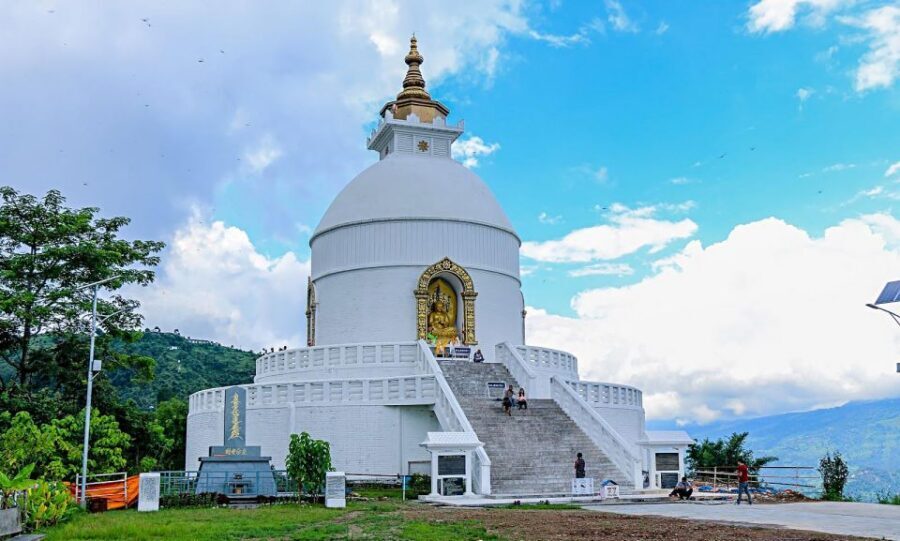
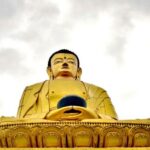
Swyambhunath is listed as Swyambhunath stupa, also known as Monkey Temple. This is the stop that usually brings the most energy to the day because it’s famous, visibly distinct, and often lively. You’ll visit it as part of the Kathmandu Valley loop, and you should expect stairs, uneven footing in spots, and a steady stream of people coming and going.
I like that this stop comes after the earlier temples and stupa experience. By this point, you’ve built a sense of what the day is about. Then Swyambhunath adds a change of pace: more movement, more crowd energy, and big views when conditions allow. A guide also helps you navigate so you don’t waste your day circling or trying to find the best viewpoint while everyone else is moving.
The only real consideration is physical comfort. If stairs are a problem for you, tell your guide early so you can plan a route that matches your ability. This is one of the places where you can’t pretend you’ll be fine if you’re not used to steps.
Practical tip: bring water, and pace yourself on the way up rather than sprinting to the top.




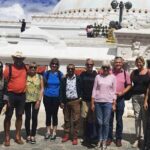
The 7–8 hour schedule: what you should actually plan for
On paper, this tour is 7 hours with a rough 7 to 8 hour window overall. In real Kathmandu time, the difference usually comes from traffic, walking pace at each site, and how long you spend asking questions or taking photos. Starting at 8:15 am helps, but don’t assume the day will feel like a perfectly timed checklist.
This itinerary flows like a classic Kathmandu Valley overview: start with the major temple stop, move into the stupa culture, add a heritage square, then finish with Swyambhunath. That order makes sense because each stop shifts the type of walking and the type of atmosphere. If you try to reverse the order on your own, it’s easy to end up tired too early.
Here’s what to watch when you plan your day around it:
- You’ll likely do multiple short walks, not one long hike.
- Photo time matters, especially at stupa and Durbar Square areas.
- You’ll want to keep your energy up since lunch is not included.
If you’re tempted to schedule a second activity right afterward, I’d keep it lighter. A Kathmandu city tour day tends to leave you with sore feet and a camera full of photos that will require a bit of time to sort.
Price and value: what $100 buys you in Kathmandu
At $100 per person for a 7 to 8 hour guided, private tour, the value comes from what’s included and what’s handled for you. You get an air-conditioned vehicle and a tour guide. That combination is not a small thing in Kathmandu. An AC car reduces the stress level, and a guide helps you move efficiently through sites where rules and etiquette matter.
Where value needs a quick reality check is the line between included and not included costs. Admission is listed as free, but permits on heritage sites are not included. Also, lunch and coffee or tea are not included. So your final spend may be slightly higher depending on what permits you’re asked to cover and what you choose to eat.
When I judge a city tour price, I look at whether it saves you time and confusion. This one is designed to do that: it bundles major locations into one day and provides vehicle logistics plus a guide. If you’re traveling as a pair or small family, the private format can feel even more worthwhile because you’re not trapped with a slow or fast pace that doesn’t fit you.
If you’re on a tight budget, you’ll probably end up spending extra for lunch and any permits. If you’re okay with that, the “you show up, we handle the day” style can be a smart, stress-reducing choice.
What’s included, what isn’t, and how to avoid surprise costs
Included:
- Air-conditioned vehicle
- Tour guide
Not included:
- Lunch
- Coffee and/or tea
- Permits on heritage sites
So how do you handle this smoothly? Plan for at least one paid meal during the tour window and have some cash or payment option ready for any heritage permits that come up. Even if the tour states admission tickets are free, the permits line is what you should treat as the possible variable cost.
Also, check your clothing plan for religious sites. While the tour doesn’t spell out dress rules, these places typically expect modest attire. Packing light and comfortable clothes is the easiest way to stay flexible if you need to cover up quickly.
One more thing: mobile ticket is mentioned as a feature. In practice, that usually means you won’t be scrambling for paper confirmations. Still, I’d keep a screenshot or offline copy on your phone in case connectivity is spotty.
Booking with Himalayan Hero Adventures: what the strong feedback signals
Himalian Hero Adventures runs this tour, and the overall feedback summary here is very positive: 100% recommended, rating 5, and 18 reviews in total. The details people highlight tend to be practical things that matter on the ground. I see repeated praise for smooth organization, comfortable vehicles, and drivers who communicate well.
Names also come up in the feedback, which is a small but meaningful sign of transparency. A driver named Kiran is specifically mentioned for good English and experienced driving. The owners and organizers named Kumar and Madan are also credited for organizing everything down to details, including helping handle last-minute changes. That matters because city tours don’t run on a perfect script. When something shifts, you want a team that can respond fast without making your day messy.
What you should take from this, as a future booker, is that this operator likely treats your day like a service, not a ticket scan. That’s the difference between a tour that’s just “transport + checklist” and one where the guide helps you actually enjoy what you’re seeing.
Who this Kathmandu city tour fits best
This tour is a great fit if:
- You’re short on time and want major Kathmandu Valley highlights in one day.
- You want a guide to explain what you’re seeing and help you follow site etiquette.
- You prefer private pacing over joining a large group.
- You value comfort with an air-conditioned vehicle for city driving.
It may be less ideal if:
- You strongly want lunch included in the price.
- You hate extra fees or unknown permit costs and want everything bundled with no variables.
- You expect a completely relaxed walk without any stairs, since Swyambhunath can involve steps.
If you’re traveling with someone who needs clear structure, a timed start at 8:15 am and a fixed set of major stops can reduce decision fatigue. If you’re the type who loves to wander on your own, you might still enjoy this as a first-day “map maker,” then follow up later with independent exploration.
Should you book this Kathmandu Valley city tour?
I’d book this if you want the practical version of Kathmandu: a guided loop that hits the biggest spiritual sites and heritage areas without making you figure out logistics. The price is reasonable for what you get, especially when you value an AC vehicle and a guide who keeps the day moving. The private format is a nice bonus, and the strong feedback signals that organization matters to them.
Book with eyes open: lunch and coffee/tea aren’t included, and heritage permits are not included even if admission is listed as free. If you budget a bit for those costs and you’re comfortable with site walking and stairs at Swyambhunath, the tour should deliver a full day of meaningful Kathmandu culture.
If you’re still deciding, tell yourself this: if your priority is seeing Pashupatinath, Bouddhanath, Patan Durbar Square, and Monkey Temple efficiently, this is one of the most straightforward ways to do it.
FAQ
How long is the Kathmandu City Tour?
The tour runs about 7 to 8 hours.
What time does the tour start?
Start time is 8:15 am.
Does the tour include pickup?
Yes, pickup is offered.
Is transportation provided?
Yes, the tour includes an air-conditioned vehicle.
Do I need to pay for heritage site permits?
Permits on heritage sites are not included.
Are admission tickets included?
Admission tickets are listed as free for the tour.
Is lunch included in the price?
No, lunch is not included.
Is the tour private?
Yes, it’s private, and only your group participates.
Where should I meet the tour?
The meeting point is near public transportation, and the start time is set for 8:15 am.
What is the cancellation policy?
You can cancel for free up to 24 hours in advance of the experience start time for a full refund. If you cancel within 24 hours, the amount paid is not refunded.