REVIEW · KATHMANDU
Manaslu Trekking
Book on Viator →Operated by World Himalaya Treks & Expeditions · Bookable on Viator
The Manaslu trek feels like a secret that keeps paying off. This 17-day circuit in Nepal mixes big mountain scenery with calmer trails, plus a solid Kathmandu start with classic UNESCO temples and city guiding. I like how the trip is set up so you’re not left guessing: permits, meals, and trekking support are built in. Still, it’s a serious hike, so you’ll want to be ready for long days and cold nights.
Two things I really like: first, the balance of comfort and challenge. In Kathmandu you get three-star deluxe twin-share rooms with breakfast, then during the trek you stay in teahouses or mountain lodges that are described as neat and clean. Second, the support package is practical—an experienced guide and porters (1 porter for 2 people) with their expenses and insurance covered, plus a first-aid medical kit on the trip.
One possible drawback: you’re paying for a higher-touch trekking operation, and that can feel like a lot if you’re looking for a bare-bones, ultra-budget adventure. Also, the itinerary is described as moderate fitness, but the route is still challenging and the pass days will test your stamina.
In This Review
- Quick highlights before you commit
- Kathmandu temples first: your acclimatization, spiritually and practically
- What $1,900 buys you on this Manaslu trek (and why it may be worth it)
- Day-by-day: what each trekking section feels like
- Day 1: Arrival in Kathmandu and a welcome dinner
- Day 2: Pashupatinath, Boudhanath, and Swayambhunath
- Day 3: Budhigandaki to Machha Khola (sal forests, rapids, and waterfalls)
- Day 4: Jagat (hot spring stop, stairs, and repeated suspension bridges)
- Day 5: Sirdibas (suspension bridges, bamboo, and a gorge section)
- Day 6: Namrung area and a more Buddhist-influenced feel
- Day 7: Toward Manaslu Base Camp (bamboo and rhododendron)
- Days 8–9: Samagaun (Peak 29 views, monastery time, and big Manaslu presence)
- Day 10: Samdo via the Budhigandaki (more high-country feeling)
- Day 11: Larkya Bhanjyang pass ascent (tundra and juniper)
- Day 12: Summit views and a descent to Bimthang
- Day 13: Bhimtang Lake viewpoint down to Tilje
- Day 14: Chamje (scrub forests and circuit closure vibes)
- Day 15: Drive back to Kathmandu and proper rest
- Days 16–17: Kathmandu leisure, Thamel time, and departure
- Permits, guides, and porters: the practical backbone
- Best-fit traveler: who this Manaslu trek is really for
- Should you book the Manaslu Circuit trek?
- FAQ
- How difficult is the Manaslu trek?
- Are meals included during the trek?
- Do I get permits and park fees covered?
- Is there a guide and porter support?
- What Kathmandu sightseeing is included before the trek?
- What is the cancellation window for a full refund?
Quick highlights before you commit
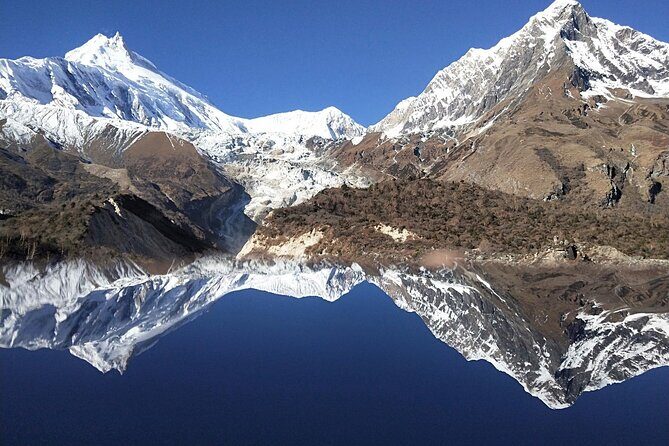
- Remote Manaslu Circuit feel: special permits are required, and the route is typically less crowded than the Annapurna and Everest areas
- Food taken care of: breakfast, lunch, and dinner are included during the trekking days (full board)
- Permits + TIMS included: you’re covered for trekking paperwork like TIMS card and national park entry fees
- Strong logistical support: guide and porters with a 1:2 porter ratio, plus porter insurance and expenses handled
- Kathmandu cultural warm-up: Pashupatinath, Boudhanath, and Swayambhunath with a professional city guide
- Pass-country trekking: tundra, juniper, and high views leading into Larkya Bhanjyang
Kathmandu temples first: your acclimatization, spiritually and practically
Your trip starts in Kathmandu with the kind of welcome that saves time. After landing at Tribhuvan International Airport, you get pickup and a transfer to your hotel, then you’re set up for a welcome dinner and trip briefing. It’s not just a formal hello; it’s the moment where you confirm how the trekking days will feel, what to pack, and how the schedule flows.
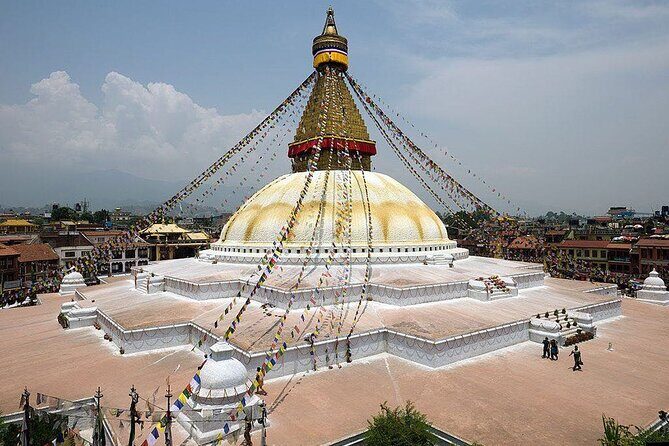
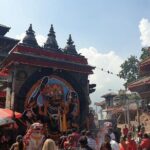
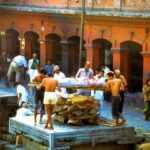
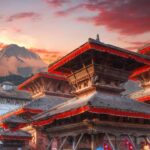
Day 2 is a great way to get your bearings fast in the Kathmandu Valley. With a professional guide, you visit Pashupatinath Temple, then Boudhanath Stupa, and finally Swayambhunath (the Monkey Temple). If you’ve never been in this part of Nepal, these stops do something useful: they help you understand why people come here beyond trekking photos—ritual life, pilgrimage rhythms, and architecture you can’t really recreate later from memory.
After that, you’ll meet your trekking staff and get ready to move from city noise to mountain quiet. That transition matters. A trek like this is hard enough that any confusion about timing, gear, or expectations can wear you out before you even reach the trail.
You can also read our reviews of more hiking tours in Kathmandu
What $1,900 buys you on this Manaslu trek (and why it may be worth it)
The price is $1,900 per person, and it’s only “value” if the inclusions match what you care about. In this case, there are a lot of real, money-saving items already in the package:
- Airport pickup and drop
- Kathmandu accommodation (three-star deluxe twin share) with breakfast
- Kathmandu sightseeing with a professional city guide and market visit
- During the trek: comfortable, neat and clean teahouse or mountain lodge stays
- Full-board meals on trekking days: breakfast, lunch, and dinner
- Necessary trekking paperwork: special permits, national park entry fees, and a TIMS card
- Guide and porters with insurance and expenses included
- Porter gear support (trekking boots and jacket as required)
- Duffel bag and a T-shirt
- First aid kit box during the trip
- Government and local taxes
- Mobile ticket, plus mention of group discounts
That’s a big list. It means you’re not constantly doing mental math in mountain villages about what’s extra. It also means you can focus on walking, hydration, and rest instead of paperwork and logistics.
What’s not included is also clear: beverages, personal expenses, tips for guides and porters (tips are accepted in Nepal), and travel insurance. If you’re a solo traveler who hates adding surprises to the budget, this package style tends to feel reassuring.
Day-by-day: what each trekking section feels like
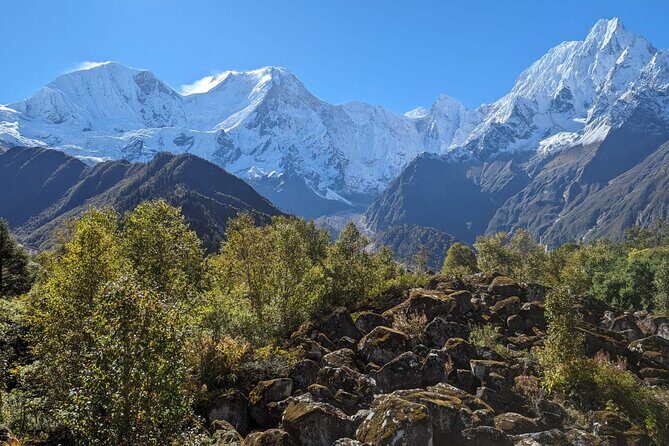
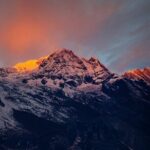
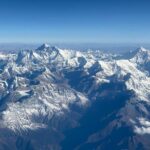
The Manaslu Circuit is described as a challenging, scenic trek circling Mount Manaslu (8,163 meters). The classic circuit typically takes about 14 to 16 days on the trail, and your 17-day plan includes Kathmandu time and the return drive—so you’re getting the “real trek” plus a proper start and decompression.
Day 1: Arrival in Kathmandu and a welcome dinner
You arrive, get transferred to your hotel, and then you’re taken to a typical Nepalese restaurant for a welcome dinner and trip briefing. This is the day to eat well, drink water, and check your gear twice.
Day 2: Pashupatinath, Boudhanath, and Swayambhunath
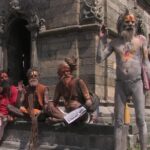
These are the big Kathmandu Valley names. Pashupatinath sets the spiritual tone, Boudhanath gives you a huge Buddhist stupa experience, and Swayambhunath adds the hillside views with that iconic monkey-temple energy. You’ll likely feel tourist-adjacent and calm at the same time—street-level life, then suddenly temple stillness.
Day 3: Budhigandaki to Machha Khola (sal forests, rapids, and waterfalls)
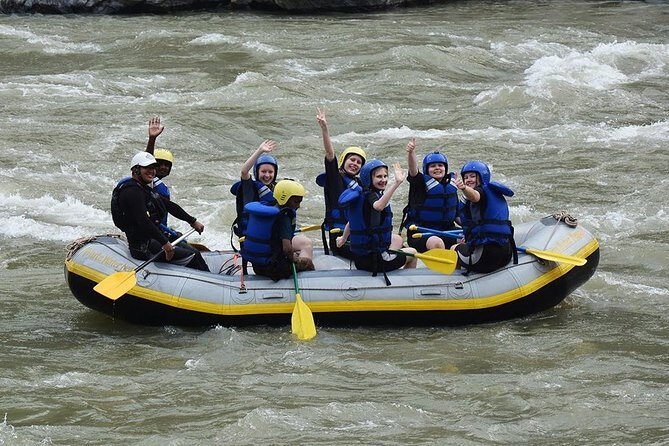
Today’s trekking walk is mostly about variety. You pass through Sal forests, then climb to a ridge above huge rapids on the Budhi Gandaki. The trail weaves up and down through a rocky section clinging to a cliff, with tropical waterfalls along the way.
What I’d watch for here: don’t treat the day like a slow warm-up. Rocky trails and cliff edges can be tiring even if the distance doesn’t feel extreme. The day ends at Machha Khola, where you continue into the wider valley feel, walk along gravel bars, and cross a suspension bridge to reach the village.
Day 4: Jagat (hot spring stop, stairs, and repeated suspension bridges)
Day 4 includes a hot spring in Tatopani, which is a morale boost on a long circuit day. You climb ridges, cross the Budhi Gandaki on a suspension bridge, then move through stone stair sections and cross landslide terrain.
You’ll also cross the Yaru Khola on another suspension bridge, climb and descend through stone stairs, and finally reach Jagat for the night. This is the kind of day where your legs will feel the stair rhythm later, even if you finish feeling okay.
Day 5: Sirdibas (suspension bridges, bamboo, and a gorge section)
You start by climbing to Salleri, then descending to Sirdibas. The valley widens as you move upstream, and you cross a long suspension bridge in Philim—a large Gurung village. The route turns north and runs level through millet fields before entering a steep uninhabited gorge.
Then the terrain shifts again: you descend to grassy slopes, cross and recross sections of river banks, and pass through bamboo forests to Deng Khola. The day ends at Deng, in a tiny village. If you like quiet and less development, this is the kind of day that supports that mood.
Day 6: Namrung area and a more Buddhist-influenced feel
Today you enter a Buddhist-influenced area. The trek description moves toward Namrung, and your overnight is listed around Gamp (with Ghap also mentioned). The important takeaway: you’re transitioning into a different cultural and natural zone, and you’re still walking long enough that you’ll feel the day’s rhythm in your sleep.
Day 7: Toward Manaslu Base Camp (bamboo and rhododendron)
You climb through bamboo and rhododendron forests to reach Namrung and enter the Nupri region. The day finishes with an overnight at camp near the Manaslu Base Camp area.
This is a day where the altitude is likely creeping up, even if you’re not at the highest pass yet. Go slower than you think you need to, keep breathing controlled, and don’t sprint for views. You’ll see mountains for days on this trek, so timing and comfort matter more than chasing a quick photo.
Days 8–9: Samagaun (Peak 29 views, monastery time, and big Manaslu presence)
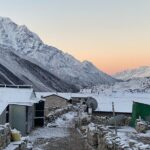
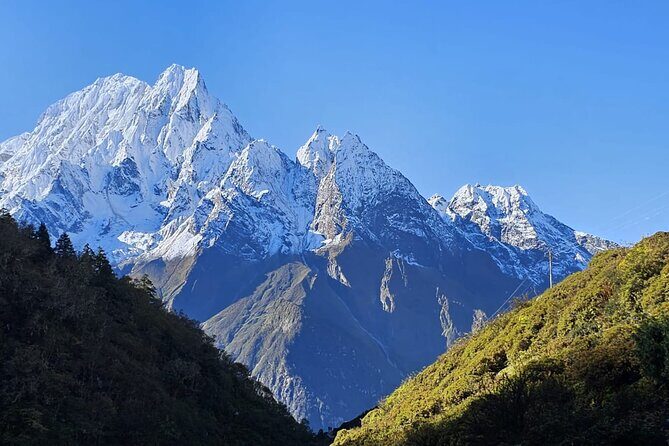
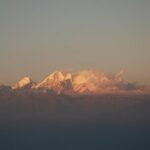
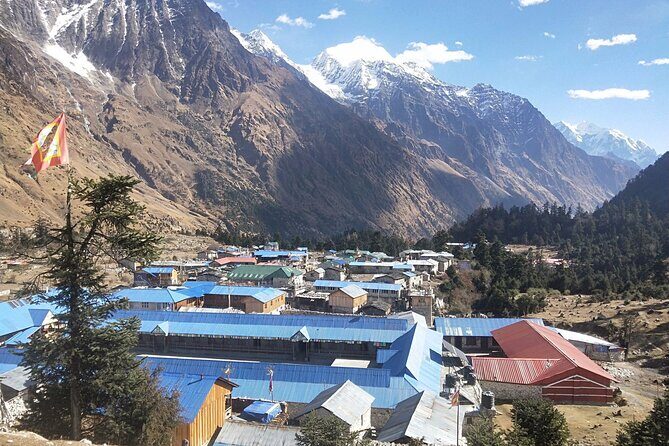
On Day 8 you head to Samagaun with views of Manaslu and Peak 29. You’ll follow the river with scenery that feels wide and open compared to earlier trail sections. Overnight is at camp.
Day 9 is a rest-and-reward day. You explore the monastery and the village with great views. That monastery stop is valuable because it gives you a break from only trekking-focused time. It’s also a chance to slow down and watch how life looks when people aren’t just living for one season.
Day 10: Samdo via the Budhigandaki (more high-country feeling)
You follow the Budi Gandaki to Samdo. The day is listed as 6 hours, but in these elevations, time can feel stretched. Expect the walk to be steady rather than dramatic sprinting.
Day 11: Larkya Bhanjyang pass ascent (tundra and juniper)
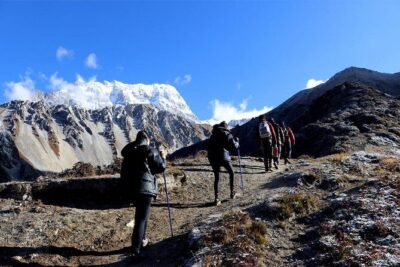
This is your pass-building day. You start the ascent to Larkya Bhanjyang through tundra and juniper. The mental game here is as important as the legs. When the trail becomes cold and exposed, your pacing and warm layers matter.
Overnight is again at camp—so you’ll want to plan your gear staging and hydration carefully.
Day 12: Summit views and a descent to Bimthang
You reach the summit with panoramic views and then descend to Bimthang. Panoramic here likely means the kind of wide mountain sight where your brain says, yes, this was worth it—right before your quads argue back.
Descent is tiring even when the air is clearer. Keep your steps controlled, especially on rocky sections.
Day 13: Bhimtang Lake viewpoint down to Tilje
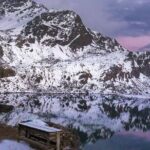
You descend through forests and reach Tilje, with a viewpoint over Bhimtang Lake. The lake viewpoint matters because it gives you a softer visual compared with the harsh pass terrain.
Overnight at camp.
Day 14: Chamje (scrub forests and circuit closure vibes)
You follow the trail through scrub forests and arrive at Chamje. This day is often the bridge between high-circuit walking and the return-to-life feeling.
Overnight at camp.
Day 15: Drive back to Kathmandu and proper rest
You drive back to Kathmandu through the countryside. The trek’s final leg has camp nights; this day is the reset. You rest and relax at the hotel.
Days 16–17: Kathmandu leisure, Thamel time, and departure
You get a full day at leisure, with time to explore Thamel. Then on your final day you have free time for last-minute shopping and a transfer to the airport.
These extra Kathmandu days are smart. They help you absorb the trip instead of rushing straight into your next travel move.
Permits, guides, and porters: the practical backbone
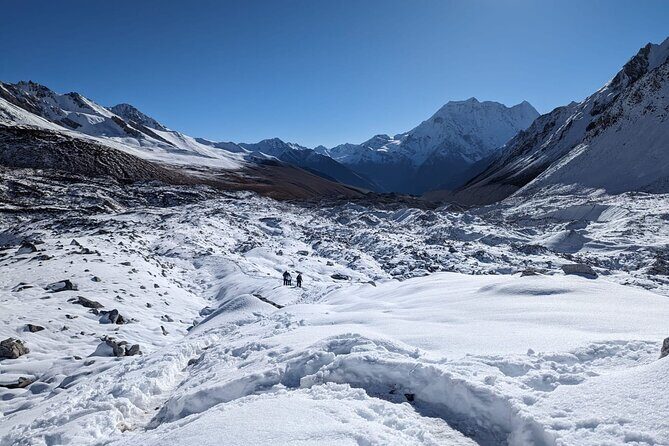
This trek isn’t the kind where you just show up and figure it out. You need special permits and a TIMS card, and both are included. You’re also covered for national park entry fees, so you’re not juggling extra line-items once you’re already in motion.
The guide and porter setup is also worth attention. You’ll travel with an experienced guide and porters, with a ratio listed as 1 porter for 2 people. Their expenses and insurance are included. That’s the kind of detail that reduces risk and stress on the trail.
You also get porter equipment (trekking boots and jacket as required). And you’ll travel with a duffel bag and T-shirt as part of the package. Plus there’s a first-aid medical kit box during the trip.
All of that adds up to one thing: fewer unknowns. And on a circuit with pass-country trekking, fewer unknowns can mean a calmer pace and better decision-making.
Best-fit traveler: who this Manaslu trek is really for
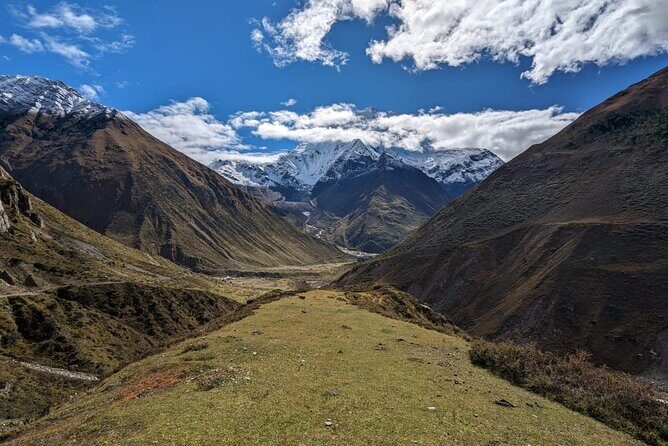
You should consider this trek if you:
- Want a remote feeling compared with the most commercial trekking zones
- Like having your trail support handled (guides, porters, paperwork, and meals)
- Can handle long walking days and cold nights, even if you’re at a moderate fitness level
- Enjoy cultural stops in Kathmandu before you start climbing for real
If you’re someone who wants a gentler stroll with zero high-altitude stress, this may feel too intense. The circuit is still described as challenging, and you’ll spend time on pass terrain.
Should you book the Manaslu Circuit trek?
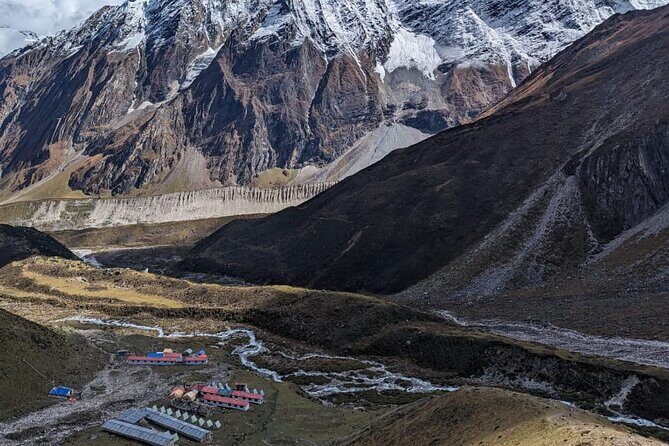
I’d book it if you want a classic circuit experience with real support and clear inclusions. The value comes from the combination: permits and TIMS handled, full-board meals, guide/porter support with insurance, and Kathmandu temple time before you start trekking.
I’d think twice if you’re chasing the lowest possible budget or you don’t like the idea of camp nights and a serious walking schedule. Also double-check your travel insurance on your side since it’s not included.
If you want a less crowded Manaslu route and you’re willing to work for the views—this is a strong way to do it, without turning your trip into an admin project.
FAQ
How difficult is the Manaslu trek?
The trek is described as challenging, and the guidance says travelers should have a moderate physical fitness level. You should expect long trekking days and pass-related terrain.
Are meals included during the trek?
Yes. The package includes breakfast, lunch, and dinner during the trekking portion, listed as a full board of meals included.
Do I get permits and park fees covered?
Yes. The necessary trekking permit, national park entry fees, and the TIMS card are included.
Is there a guide and porter support?
Yes. The trip includes an experienced guide and porters, with a ratio of 1 porter for 2 people. Porter insurance and expenses are included, but tips for guides and porters are not included.
What Kathmandu sightseeing is included before the trek?
The Kathmandu program includes visits to Pashupatinath Temple, Boudhanath Stupa, and Swayambhunath, with a professional guide.
What is the cancellation window for a full refund?
You can cancel up to 6 days in advance for a full refund.