REVIEW · KATHMANDU
Nepal, Tibet & Bhutan tour start & end in Kathmandu, visit Lhasa, Paro & Thimpu
Book on Viator →Operated by Himalaya Holiday service Pvt. Ltd.(HHS) · Bookable on Viator
Three kingdoms, one Himalayan thread. I love the Himalaya flight views of Mt. Everest, and the Potala Palace stop makes Tibetan culture feel real. The one drawback: the trip is listed as about 2 days, so you’ll want stamina and a flexible pace for road time and the optional Tiger’s Nest hike.
You’ll base yourself in Kathmandu, meeting at Tribhuvan Airport at 7:45am with pickup and drop-off, and it’s a true private tour for just your group. I also like that the organizer (Rajan) has a track record of fast replies and plan changes when needed, which matters when you’re crossing borders like Nepal, Tibet, and Bhutan.
In This Review
- Key highlights to notice before you go
- A fast, cross-kingdom Nepal–Tibet–Bhutan hit
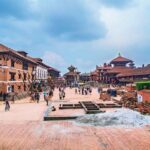
- Entering Kathmandu Valley: palaces, stupas, and temples with context
- Patan (Lalitpur): why your second stop feels calmer
- The Everest flight: the rare moment you can’t replace on the ground
- Lhasa and Potala Palace: where Tibetan Buddhism is visible at a glance
- Paro, Thimphu, and Wangdu/Punakha: Bhutan beyond one viewpoint
- Takshang (Tiger’s Nest) hike: an optional day choice that changes your trip
- Price and value: what you’re paying for at $7,900 per person
- Service style: private group, quick communication, real flexibility
- Best months and what to plan for seasonally
- Who this trip is for (and who should reconsider)
- Should you book it?
- FAQ
- Where does the tour start?
- Is this tour private?
- What’s included in the price?
- Are visas included?
- Can I request a vegetarian option?
- Is there free cancellation?
Key highlights to notice before you go
- Everest-from-the-air: the flight across the Himalaya is the kind of moment you remember for years.
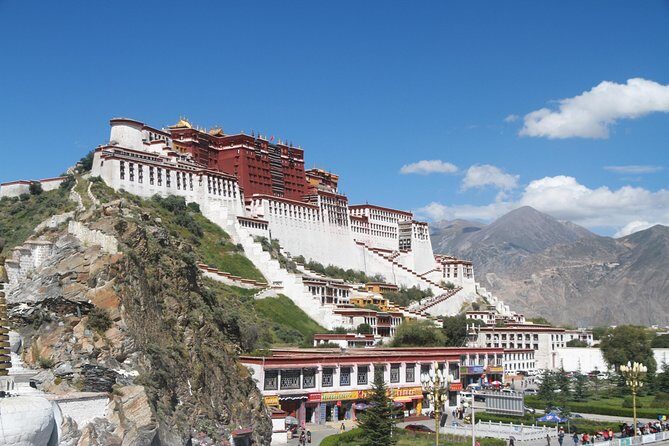
- Potala Palace time: one of the most famous symbols of Tibetan Buddhism, tied directly to the Dalai Lama’s story.
- Kathmandu Valley classics: palaces, stupas, and temples that help you understand Nepal beyond a quick photo stop.
- Bhutan temple-and-valley route: Paro, Thimphu, and Wangdu/Punakha give you different angles of Bhutan in one run.
- Optional Tiger’s Nest (Takshang) hike: moderate, but not required for everyone—choose your comfort level.
- Rajan’s hands-on coordination: responsive planning and adjustments based on what you want to prioritize.
A fast, cross-kingdom Nepal–Tibet–Bhutan hit
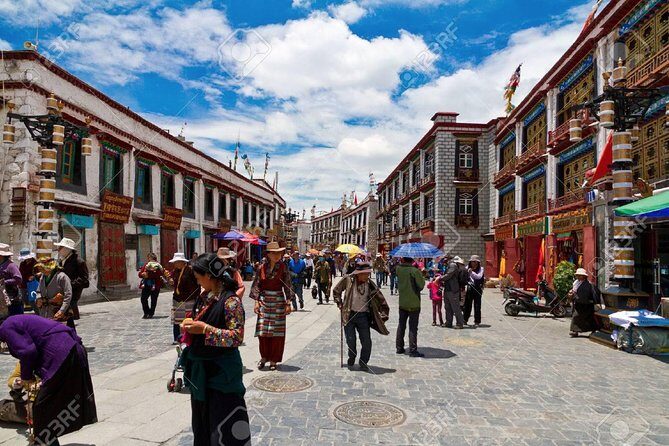
This is built as a “big sights, quick connection” style trip. You start and end in Kathmandu, then the route connects Nepal, Tibet, and Bhutan with a standout flight over the Himalaya, including Mt. Everest. After that, you focus on major cultural anchors: Kathmandu Valley temples and palaces, Tibet’s Lhasa highlights centered on Potala Palace, and then Bhutan’s Paro–Thimphu–Wangdu/Punakha stretch with the option to hike to Takshang (Tiger’s Nest).
The tour grade is described as moderate vehicle-based touring with some gentle walking, plus one optional day-hike. That matters. In a compressed schedule, even “gentle” walks can add up, and the Tiger’s Nest day is the one time where you’ll want to judge your legs honestly.
The best months listed are March through November (with the run clearly including March, April, May, June, July, August, September, October, and November). So if you’re thinking spring to fall, your odds of reasonable weather are supported by the season choices baked into the itinerary.
You can also read our reviews of more tours and experiences in Kathmandu.
Entering Kathmandu Valley: palaces, stupas, and temples with context
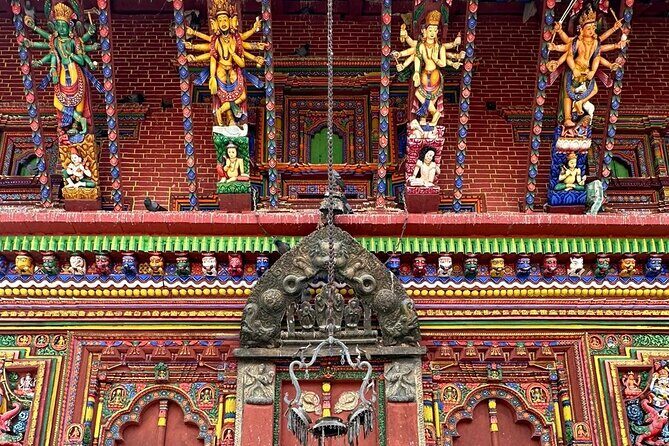
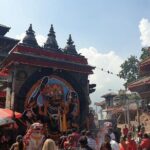
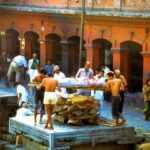
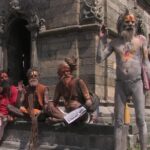
Even though the schedule is short on paper, you do get a full-day Kathmandu tour (6 hours) focused on the heart of the Kathmandu Valley. This is where you’ll spend time admiring old palaces, stupas, and temples—the kind of sights that only make full sense when you’re not racing through them.
What I like about a guided Valley day is that it helps you connect the dots fast: why a temple is where it is, what a specific stupa setting says about Buddhist practice, and why these sites are still living places rather than just museum objects. You’re also told that admission tickets are free for the listed Kathmandu stops, which is one less headache when you’re working on a tight trip timeline.
Practical tip: Kathmandu can be busy and walking can feel more tiring than the distance suggests. If you’re the type who gets frustrated by crowds, choose your slow-down moments. Sit when you need to. Take a few minutes to look at details up close instead of trying to “collect” everything in one burst.
Patan (Lalitpur): why your second stop feels calmer
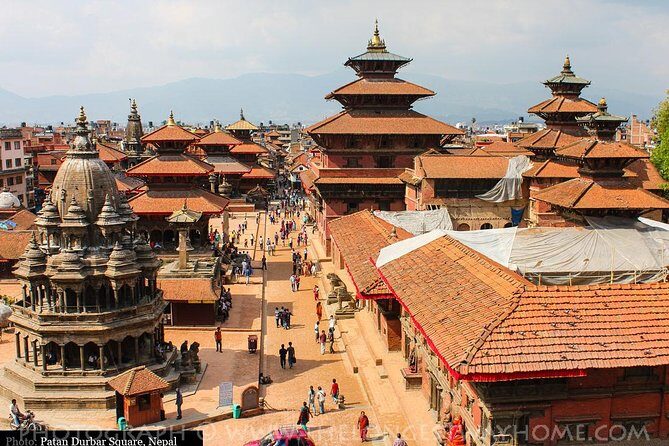
Your next stop is Patan (Lalitpur) with a shorter visit time (2 hours). Patan is a smart follow-up because it gives you another view of the Valley’s artistic and religious traditions without repeating the exact same scene.
Think of it as a contrast day: Kathmandu can feel like motion all day, while a smaller Patan window can help you reset your eyes. You’ll still be in the thick of temples and cultural architecture, but the pacing is gentler, and that makes it easier to remember what you actually saw.
This stop is also listed with admission tickets free for the activity, so you’re not losing time hunting entry points or paying extra at the door. In a trip that spans multiple countries, small time-savers matter.
The Everest flight: the rare moment you can’t replace on the ground
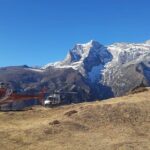
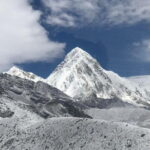
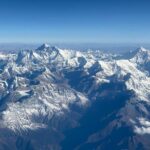
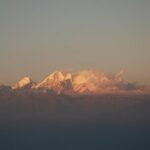
One of the most compelling parts of this tour is the flight over the Himalaya range between Nepal, Tibet, and Bhutan, explicitly including Mt. Everest. Even if you’ve seen Everest on a calendar poster, seeing it from the air hits differently because you get scale immediately—mountain by mountain, ridge by ridge.
This also changes how you experience the rest of the trip. Once you’ve seen the mountains from above, the cultural stops feel less like separate boxes and more like chapters in the same story: how geography shaped religion, trade, and travel routes.
Since no specific flight timing is provided, the key practical move is mental prep. If you’re sensitive to motion, fatigue, or quick transitions, plan to keep your day low-stress after the flight segment. Bring layers you can handle easily and be ready for sudden temperature swings that often come with flying and high-altitude regions (even if your exact altitude isn’t specified).
Lhasa and Potala Palace: where Tibetan Buddhism is visible at a glance
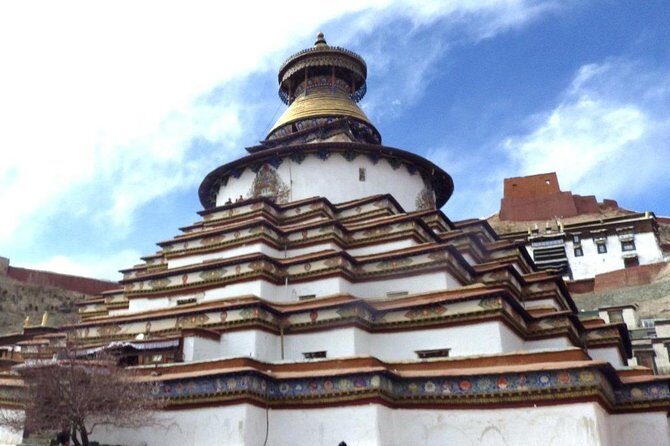
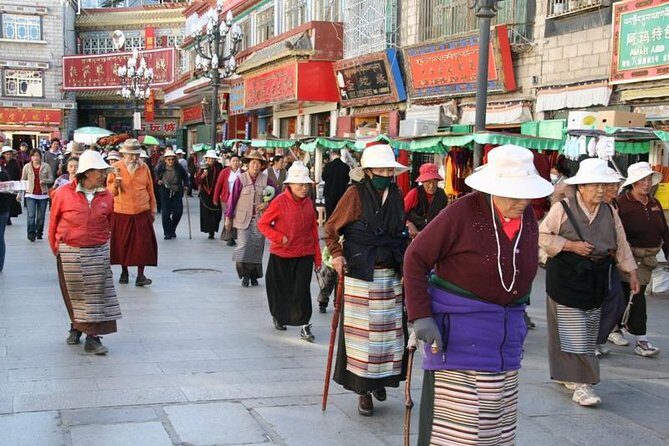
In Tibet, the tour focuses on the heartland around Lhasa, with the big landmark being Potala Palace, tied to the Dalai Lama. This is the kind of site people hear about for years and then still get a jolt at the first proper look.
Why it’s worth making it a center piece: Potala Palace isn’t just architecture. It’s a concentrated expression of how power, faith, and identity have been shaped in Tibetan history. When you pair this with the rest of your route—Kathmandu’s temples and stupas before, Bhutan’s monasteries and valley scenes after—you start to understand the Himalayan corridor as a cultural system rather than separate countries.
A realistic caution: Lhasa and Tibet travel can feel different from Nepal and Bhutan in pace and logistics, and the itinerary is listed as about 2 days total. So if you’re the type who needs long, slow exploration, this trip may feel like it gives you the highlights rather than deep “stay a day” experiences. The upside is you’ll get the main hits without spending weeks on a single region.
Paro, Thimphu, and Wangdu/Punakha: Bhutan beyond one viewpoint
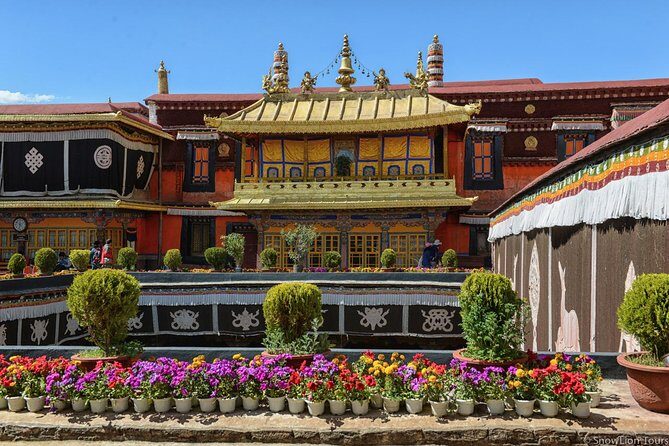
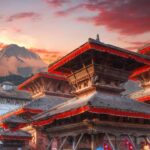
Bhutan is handled with a classic route structure: Paro and Thimphu, plus Wangdu/Punakha in the valley region. The tour description calls this part enchanting, and the way Bhutan gets experienced on short tours is usually through a mix of monastery and temple areas, plus the feel of valley life between them.
What you should look for here: Bhutan’s spiritual sites aren’t only “pretty stops.” They’re part of a daily rhythm. If your schedule includes enough walking, you’ll likely notice how the atmosphere shifts from place to place—temples with different tones, streets with different temple sightlines, and valleys that change the way sound carries and the way light hits stone and prayer flags.
One practical consideration: because your overall tour is multi-country and time-compressed, you may spend less time at each single Bhutan site than you would on a dedicated Bhutan-only trip. That’s not a deal-breaker, but it affects how you’ll want to shop for souvenirs and photos. If there’s something you really want to linger over, do it early before the day gets pulled forward by the next segment.
Takshang (Tiger’s Nest) hike: an optional day choice that changes your trip
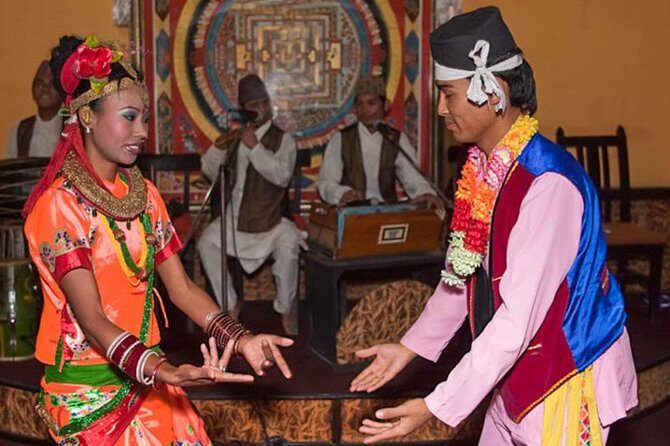
You have one optional hike day to Takshang Monastery (Tiger’s Nest). This is the signature Bhutan trek in the tour, and the tour grade labels it as part of the moderate package, along with gentle walking elsewhere.
Here’s the honest way to plan it: treat Tiger’s Nest as the single event that can make or break your comfort level. The route likely involves uphill effort and steps; the tour data doesn’t give step counts or time estimates, so you should go in ready for a workout. If you’re okay with that, it’s an experience that gives you a powerful payoff—views, monastery atmosphere, and the satisfaction of reaching a famous site under your own legs.
If you’re not feeling it, the fact that it’s optional is a big plus. You can still experience Bhutan’s core cultural rhythm without forcing yourself through a hike that might drain your energy for the rest of the journey.
Price and value: what you’re paying for at $7,900 per person
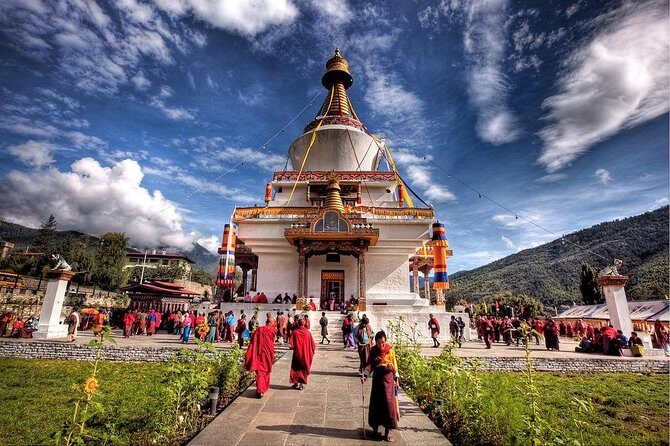
At $7,900 per person, this isn’t a budget trip. The value is in how much friction it removes while covering major targets across three countries.
From what’s included, your money goes toward:
- Accommodation as per itinerary
- Breakfast
- A local guide
- Pickup and drop-off from designated meeting points
- Handling for Tibet and Bhutan visas (while Nepal visa is available on arrival)
- The included highlights like Kathmandu Valley and Patan sightseeing, with admission tickets listed as free for those stops
- The route experience tied to the Himalaya flight and the Bhutan/Tibet highlights described
What’s not included can matter in a short trip. You’re told that alcoholic drinks are available for purchase, and food and drinks aren’t included unless specified. There can also be excess luggage charges where applicable, plus souvenir photos sold on-site.
So the best way to judge value is this: if you want a guided multi-country sweep that hits Kathmandu Valley, Lhasa (Potala Palace), and Bhutan (Paro–Thimphu–Wangdu/Punakha) with at least one signature effort (Tiger’s Nest), paying for coordination and guide time can feel worth it. If you mostly want freedom to wander at your own tempo for days in each location, that price may feel heavy because this itinerary is built to be compact.
Service style: private group, quick communication, real flexibility
This tour is private, meaning only your group participates. That’s a practical quality for multi-country trips because it makes it easier to coordinate with guides, manage pacing, and adjust plans when something changes.
The supplied feedback highlights the organizer Rajan as quick to respond and the trip as well organized and smooth. You also get an important signal: Rajan has reportedly kept promises like running the trip without cancellation, and has helped adjust parts of the plan when changes came up mid-stream. That kind of flexibility is valuable when you’re moving through borders and dealing with tight timelines.
You’ll also have local guide support during the Kathmandu/Valley-focused portion, which can be the difference between “I saw temples” and “I understand why these places matter.” Even with a short overall schedule, that context makes the photos more meaningful.
Best months and what to plan for seasonally
The tour lists the best months as March through November, which covers a huge portion of the year. For most people, that’s a green light to plan a spring, summer, or autumn departure without having to gamble on being outside the preferred window.
Since weather details aren’t provided, the safest approach is to pack like a “layer traveler.” Mountains and valleys can swing in temperature across morning to afternoon. Also, because this itinerary includes vehicle touring plus some walking and potentially Tiger’s Nest, you’ll be happier with shoes and clothing that handle both cool air and warmer sun.
Who this trip is for (and who should reconsider)
I’d point this tour toward you if:
- You want a high-impact introduction to Nepal, Tibet, and Bhutan without building three separate trips
- You’re excited by the idea of a flight over Everest as a core memory
- You’re comfortable with a moderate pace, including gentle walking
- You like the idea of an optional hike so you can choose your comfort level
I’d reconsider if:
- You need lots of time in each stop to go deep on one culture or one city
- You hate compressed schedules and would rather spend several days per region
- Your mobility is limited enough that even gentle walking plus an optional hike day feels like a risk
Should you book it?
If your goal is to connect the dots across three Himalayan kingdoms—Kathmandu Valley temples and palaces, Lhasa and Potala Palace, then Bhutan’s Paro, Thimphu, and Wangdu/Punakha with the option to tackle Tiger’s Nest—this itinerary makes a lot of sense. The biggest reason to book is simple: you’re getting a guided, private, coordinated route that includes the rare Everest-overflight experience and major cultural anchors, without forcing you to plan visas and logistics from scratch for Tibet and Bhutan.
If you’re choosing between this and a slower, country-by-country approach, pick this one when you want breadth and signature moments in one go. Pick something longer when you want more breathing room at each stop.
FAQ
Where does the tour start?
The tour starts at Tribhuvan Airport, Kathmandu, Nepal, with the listed start time of 7:45am.
Is this tour private?
Yes. This is a private tour/activity, so only your group participates.
What’s included in the price?
The tour includes accommodation as per itinerary, breakfast, a local guide, and pickup and drop-off from designated meeting points.
Are visas included?
The tour notes that a Nepal visa is available on arrival in Kathmandu, and the tour takes care of Tibet and Bhutan visas.
Can I request a vegetarian option?
Yes. A vegetarian option is available if you advise at the time of booking.
Is there free cancellation?
Yes. You can cancel for a full refund as long as you cancel at least 24 hours in advance of the experience’s start time.