REVIEW · KATHMANDU
Everest Base Camp with Island Peak
Book on Viator →Operated by Accessible Adventure Pvt. Ltd · Bookable on Viator
Nepal’s Khumbu region turns serious when Island Peak joins Everest Base Camp. This trip is built as a two-part adventure: trekking in high mountain country, then switching gears to a real climb with guides and Sherpa support. I like the way the package bundles key logistics, from Kathmandu pickup to the permits and on-the-ground team you’ll rely on. I also like that you’re not just chasing views; you’ll pass through Sherpa culture and community as you move through the region. One thing to consider up front: this is not “just trekking,” so you’ll need strong fitness and comfort moving at altitude.
The biggest possible drawback is gear and comfort trade-offs. A normal trekking day is already demanding, and the climb adds technical steps, while comfort perks like hot showers are limited during the trek.
In This Review
- Key highlights that make this trip worth your attention
- Everest Base Camp and Island Peak: what you’re really signing up for
- Getting started in Kathmandu: pickup, timing, and a calmer launch
- The day-to-day rhythm: guesthouses, meals, and porter support
- Permits and the boring-but-expensive part: what’s included
- Guides and Sherpa culture: the human part that shapes the whole trip
- Island Peak: how the climb support is handled
- Weather reality: what can slow you down and how the operator responds
- Comfort vs costs: showers, hot water, electronics, and what you’ll pay for
- Value check: is $3,190 worth it for Everest Base Camp plus Island Peak?
- Who this tour fits best—and who should reconsider
- Should you book Everest Base Camp with Island Peak?
- FAQ
- How long is the Everest Base Camp with Island Peak trip?
- Where does the tour start and end?
- Is pickup and drop-off included?
- What meals are included?
- What permits are included?
- What kind of accommodation should I expect?
- Do I need to bring my own trekking sleeping bag?
- Are hot showers available during the trek?
Key highlights that make this trip worth your attention
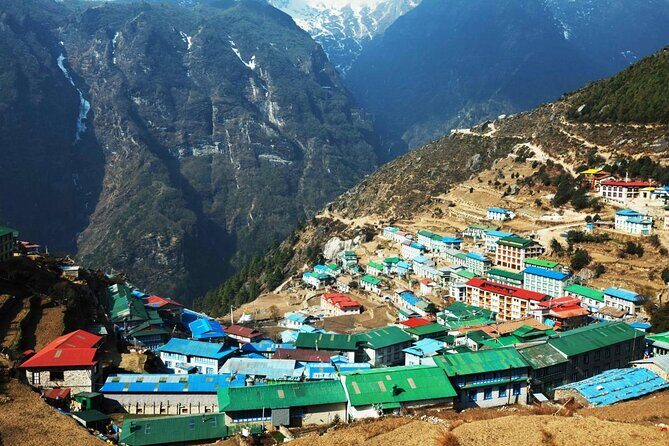
- Two-in-one challenge: Everest Base Camp trekking plus an Island Peak climb.
- Experienced team focus: a highly experienced guide plus an Island Peak climbing guide and Sherpa support.
- Permits handled: TIMS, Sagarmatha NP, and Island Peak climbing permits are included, so you’re not juggling paperwork at the last minute.
- Practical climbing support: general climbing equipment like rope and ice screws are included.
- Porter setup: porter support is included with a 2 guests to 1 porter ratio, along with porter food, accommodation, salary, equipment, and insurance.
- Communication and professionalism: past solo trekkers praised quick English communication and WhatsApp accessibility (including support from Hari Daju and his son Himal).
Everest Base Camp and Island Peak: what you’re really signing up for
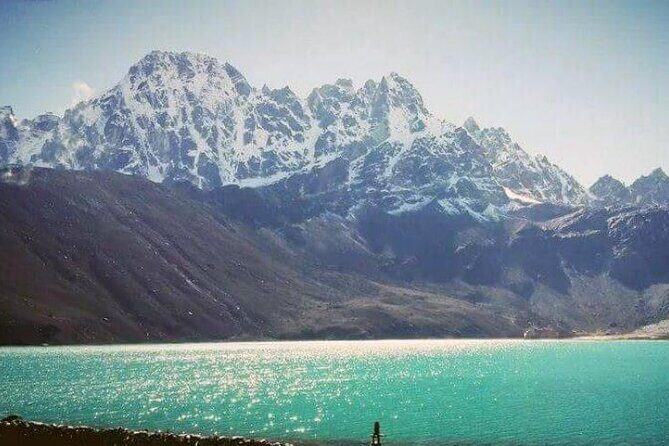
This itinerary pairs two big-ticket goals that many people keep as separate dreams. Everest Base Camp is a high-altitude trek with deep cultural texture in the Khumbu. Island Peak is the moment where the trip stops feeling like pure hiking and starts feeling like mountaineering.
That combo is exciting, but it also changes your preparation. You’ll be moving for a long stretch of days, then shifting into the climb phase where technique matters. The good news is the trip is designed for that shift: you get a guide for the trekking portion, and you also get Island Peak climbing guidance. The package also includes general climbing equipment such as rope, ice screws, and a snow bar, which helps you avoid a last-minute gear scramble.
If you’re looking for a “regular trek” vibe only, this may feel like too much. If you want a stronger edge—real commitment, real cold, and real vertical moments—this is the kind of itinerary that delivers that.
You can also read our reviews of more tours and experiences in Kathmandu.



Getting started in Kathmandu: pickup, timing, and a calmer launch
Your journey begins in Kathmandu at Tribhuwan International Airport. You’ll get pickup & drop-off by car/van as per the program, plus surface transfer by private car. That matters more than it sounds. After long travel days, trekking plans go sideways when transport details are messy.
The tour also uses a mobile ticket, which usually means fewer paper hassles. And because this is a private tour/activity, only your group participates. That can make a big difference if you prefer a consistent pace, fewer decision moments, or you just don’t want your trip rhythm built around other people.
For practical planning, assume the first day is about smoothing logistics and getting organized. It’s also when you should ask questions about gear, layers, and what the climb day expects from you.
The day-to-day rhythm: guesthouses, meals, and porter support
During the trek, you’ll stay in twin sharing accommodation at guest houses, and meals are included: breakfast, lunch, and dinner. There’s also mention of seasonal fruits during the trek. That’s a useful baseline because food and lodging are where many treks quietly inflate costs or stress you out if you’re handling it yourself.
One of the most valuable inclusions here is porter support. The setup is a 2 guest to 1 porter ratio, and the package covers the porter’s food, accommodation, salary, equipment, and insurance. You still feel the work in your legs, but your pack load should be more reasonable. That can be the difference between “I’m tired” and “I’m wrecked,” especially as altitude takes its toll.
A note on comfort: the package does not promise extras like hot shower availability everywhere. Hot shower is called out as not included except at places like Lukla, Phakding, and Namche. So plan to treat bathing as occasional, not daily, and plan your clothes system accordingly.
Permits and the boring-but-expensive part: what’s included
Most people underestimate how much time and hassle permits can add. Here, the package includes permits of Annapurna Conservation and TIMS, plus permits required for the trek and climb, including Sagarmatha NP and Island Peak climbing permits. All required permits are stated as included.
Why you should care: when permits are covered, your trip stays on schedule. You’re less likely to deal with delays caused by missing documentation. You also reduce the risk of arriving in Nepal and then realizing you need something last minute.
There’s also government tax (13%) and office service charge included. Those items tend to be the hidden part of the final price when you compare options. In other words, the tour price feels more “all-in” than it might at first glance.
Guides and Sherpa culture: the human part that shapes the whole trip
This is where the trip seems to score extra points. The package includes 1 highly experienced, helpful, and friendly guide during the trek, plus Island Peak climbing guide support. Past solo travelers highlighted the importance of having a guide who stays reachable and organized.
Names that came up include Hari Daju, with support also mentioned from his son Himal, along with Ongchu Sherpa and Samden. Another traveler praised Shiva for insightful, friendly support. Even if your personal guide is different, the pattern is clear: communication and care matter here, and the team has people who show up and keep you on track.
You’ll also get cultural exposure to Sherpa traditions and community as you trek. That’s not just “sightseeing.” In the Khumbu, cultural context is woven into daily routines: how people greet you, how prayer flags appear, and how trails are used. When a guide explains what you’re seeing, the trek becomes more than a physical challenge.
The practical value: good guidance also helps you manage effort. Pace, rest timing, and how you respond to altitude fatigue often matter more than fancy gear.





Island Peak: how the climb support is handled
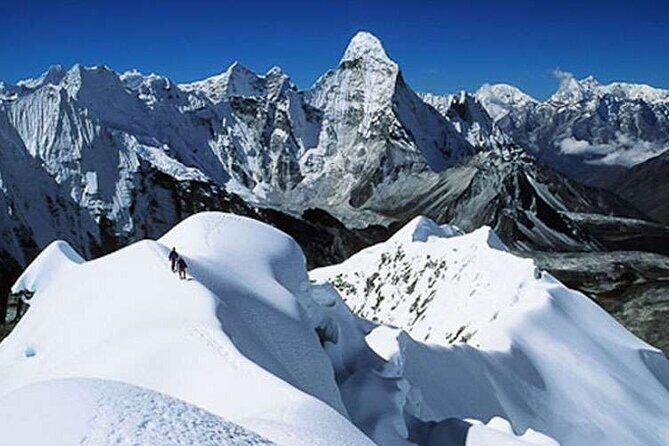
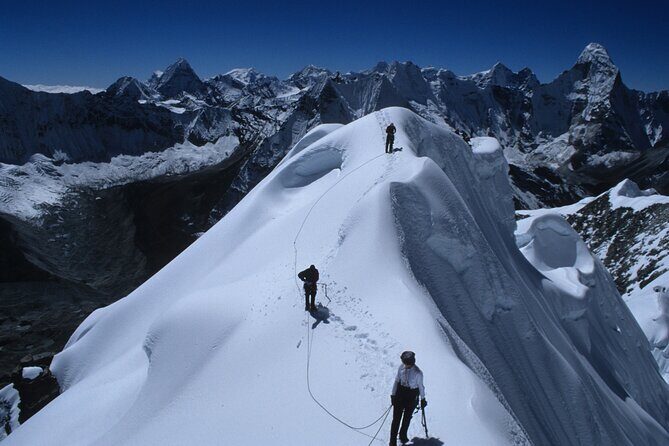
Island Peak turns this itinerary into a true mountaineering experience. The package includes general climbing equipment such as rope, ice screw, and snow bar, plus Island Peak climbing permit fee. You also get a dedicated climbing guide for the Island Peak portion, including their foods, accommodations, salary, insurance, and related support.
This is exactly the kind of support you want for a climb. Technical steps are where planning beats confidence. The inclusion of equipment suggests you won’t be expected to show up knowing how to improvise with mountain tools.
Also, pay attention to clothing and sleeping systems. The package includes a duffle bag, down jacket, and a sleeping bag during the trek. At the same time, the list of items not included says trekking equipment is on you, including bringing a 4-season sleeping bag. That’s an inconsistency worth clarifying before you pack.
My practical take: treat the clothing and bedding items as “to be confirmed” rather than guaranteed. If you already own a quality 4-season sleeping bag, it can reduce risk. If you don’t, ask the operator what you should bring and what they provide for warmth at night.
Weather reality: what can slow you down and how the operator responds
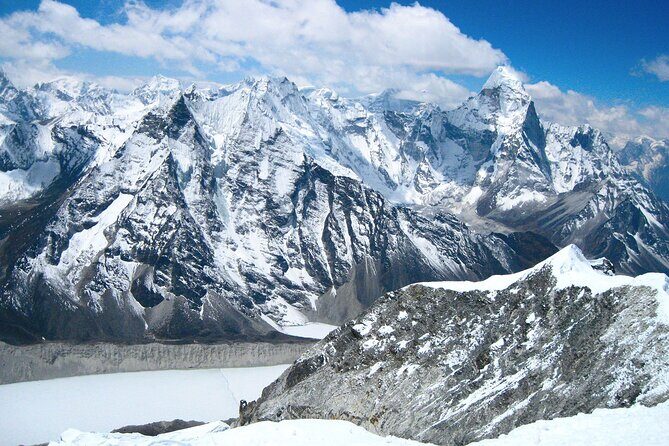
This experience requires good weather, and that’s not a small detail. In high mountain environments, conditions can shift quickly. If the tour is canceled due to poor weather, you’re offered a different date or a full refund.
That matters because Island Peak conditions are weather-driven. You don’t want to gamble your budget on a rigid plan that ignores reality. The operator building in weather flexibility is usually a good sign.
Comfort vs costs: showers, hot water, electronics, and what you’ll pay for
The included meals are a big win. But the trip is honest about extras that cost extra elsewhere. Items of personal nature are not included. Alcoholic drinks are not included. Hot water, hot shower, cold drinks, laundry, and internet are not included. Phone calls are also listed as not included.
Hot showers are specifically noted as not included during the trek except at Lukla, Phakding, and Namche. Translation: you might get clean-up opportunities, but don’t count on it every day.
If you rely on your phone for photos, maps, or communication, plan for limited options. Internet is listed as not included, so download what you need before you go. A power strategy also helps, but the tour data doesn’t say what charging options look like—so you’ll want to plan conservatively.
Value check: is $3,190 worth it for Everest Base Camp plus Island Peak?
At $3,190 per person for about 17 days, the price is not budget. But it also includes the stuff that usually costs real money when you add it up: guides and climbing guides, permits (including Island Peak and Sagarmatha NP requirements), porter support with full porter staffing costs, and general climbing equipment.
So what are you paying for?
- Two major goals in one itinerary: Base Camp trekking plus a summit-style climb.
- Specialized personnel: not just a trek guide, but also an Island Peak climbing guide.
- Support logistics: porter ratio and porter costs are included, which is often where “cheap” treks disappoint.
- Permits and government/tax items: TIMS and park-related fees, plus service charges.
What you might still pay for out of pocket:
- Travel insurance (not included).
- Personal items, tips/gratuities for trekking staff and drivers (not included).
- Hot shower access is limited.
- Electronics and internet access are not included.
- Trekking equipment items can be required from you, including mention of a 4-season sleeping bag.
My bottom line: this price looks most fair if you want the operator to handle the hard parts. If you’re the type who already has climbing gear, knows exactly what to bring, and prefers to manage permits and logistics alone, you could find cheaper DIY-style options. But if you want a guided, structured path with climbing support, this is the kind of package that tends to make sense.
Who this tour fits best—and who should reconsider
This experience is best suited for people who want a more thrilling trek than a standard Everest Base Camp journey. You should also have strong physical fitness, since the climb portion turns the effort up.
You’ll probably be a good fit if you:
- Want a trek with cultural texture in the Khumbu, not just a checklist of summits.
- Are curious about mountaineering basics and can follow instructions closely.
- Prefer a structured team setup: guide, Sherpa support, climbing guide, and porter help.
- Value professional communication and organization (names like Hari Daju, Himal, and Shiva have come up for strong support and English communication).
You might want to reconsider if you:
- Are not comfortable with cold, altitude, and the technical side of climbing.
- Want daily hot showers and lots of comfort extras.
- Don’t want to deal with bringing or confirming critical gear like sleeping bag requirements.
Should you book Everest Base Camp with Island Peak?
Book it if you want Everest Base Camp and a real climb in one trip, and you like the idea of having permits, climbing equipment, and guide support handled for you. The standout strengths are the team setup, the included porters with full support, and the fact that the trek guide plus Island Peak climbing guide are both part of the package.
Skip it or ask lots of questions first if you’re unsure about gear overlap (the sleeping bag situation is worth confirming), or if you’re chasing an easy trekking vacation with daily comfort.
One last practical note: since the trip depends on good weather, be ready to adapt dates if conditions don’t cooperate. If that flexibility works for your schedule, you’ll likely feel better about choosing a climb-based itinerary.
FAQ
How long is the Everest Base Camp with Island Peak trip?
It’s listed as about 17 days.
Where does the tour start and end?
The start is in Kathmandu, Nepal, and it ends back at the meeting point.
Is pickup and drop-off included?
Yes. Pickup and drop-off by car or van are included as per the program, plus surface transfer by private car.
What meals are included?
Breakfast, lunch, and dinner are included during the trek. Seasonal fruits are also included.
What permits are included?
Permits included in the package include TIMS and Annapurna Conservation permits, plus Sagarmatha NP and Island Peak climbing permits (including the Island Peak climbing permit fee).
What kind of accommodation should I expect?
You’ll have twin sharing guest house accommodation during the trek, with included breakfasts, lunches, and dinners.
Do I need to bring my own trekking sleeping bag?
The trip lists trekking equipment as not included and asks you to bring a 4-season sleeping bag. At the same time, it says down jacket and sleeping bag are included during the trek, so you should confirm what you personally need to bring.
Are hot showers available during the trek?
Hot shower is not included during the trek except at Lukla, Phakding, and Namche.