REVIEW · KATHMANDU
14 Days Everest Base Camp Trek
Book on Viator →Operated by Chamlang Expeditions · Bookable on Viator
Everest Base Camp is one of those plans that lives in your head for years. This 14-day trek strings together the classic Khumbu villages, Buddhist sights, and the big moment at Base Camp—with help that makes logistics feel less scary.
I really like that you get door-to-trail organization: transfers in Kathmandu, flights to Lukla, an English-speaking trekking guide, and a porter carrying up to 15 kgs. I also like the practical safety touches included for high altitude trekking, like a cleaned sub-zero sleeping bag plus an oxygen cylinder and emergency first-aid setup.
One consideration: you’re still doing real high-altitude trekking. You’ll want strong fitness, and you should plan for cold nights and the reality that weather can affect flight timing.
In This Review
- Key Things That Make This Trek Worth Your Time
- Why Everest Base Camp Here Feels More Practical
- Kathmandu Transfers to Lukla: Starting With Less Friction
- The Namche Bazaar Rest Day: Culture Plus Altitude Smarts
- Tengboche Monastery: The Scenic Day That Still Has a Purpose
- Dingboche and Nangkartseng: Acclimatization With Big-View Payoff
- Lobuche to Everest Base Camp: The Glacier Day and the Big Objective
- Kala Patthar and the Descent: Your Viewpoint Payoff
- Lukla Flight Day: When the Trek Ends and You Start Smiling Again
- What’s Included in the Package (And What You’ll Need to Pay For)
- Meals, Teahouses, and the Comfort Reality Check
- Guides, Porters, and the Human Side of the Khumbu
- Who Should Book This Everest Base Camp Trek
- Should You Book This 14-Day Everest Base Camp Trek?
- FAQ
- How long is the Everest Base Camp trek?
- Where does the trek start and end?
- What’s included in the price?
- Are flights to Lukla included?
- What altitude does the trek reach at Everest Base Camp?
- What kind of accommodation will I sleep in?
- How much will my porter carry?
- Is my Nepal visa included?
- Do I need my own travel insurance?
Key Things That Make This Trek Worth Your Time
- Lukla flights included so you skip the long approach from Kathmandu on foot.
- Sherpa culture along the route, including a stop at the Sherpa Culture Museum in Namche.
- Acclimatization built in, with a rest day at Namche and a hill hike from Dingboche to help your body adjust.
- Tengboche Monastery in a spectacular mountain setting at 3,860 m.
- Base Camp day via Gorak Shep, plus the payoff viewpoint day at Kala Patthar.
- Most meals + teahouse lodging covered, which keeps daily budgeting simple on the trail.
Why Everest Base Camp Here Feels More Practical
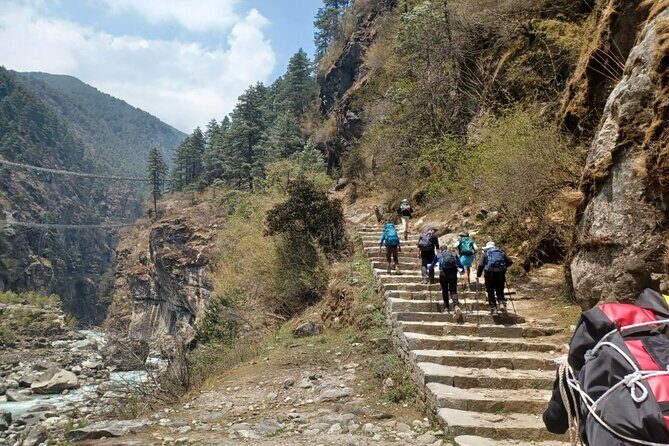
Everest Base Camp is famous, but what matters on the ground is how smoothly the days connect. This trek is set up so you move village-to-village, stay in teahouses along the way, and still have a guide and porter handling the hard parts—routes, timing, and carrying the bulky stuff.
I also appreciate the “small-group / private” feel. Your group stays together, so you can keep a steady pace without playing catch-up with strangers. And when the route turns steep or the air turns thin, that matters more than people expect.
Finally, the included support tools are the type you feel right away. A high-altitude sleeping bag for sub-zero conditions and an emergency kit with an oxygen cylinder don’t make altitude easy, but they do make it feel more responsible.
You can also read our reviews of more hiking tours in Kathmandu


Kathmandu Transfers to Lukla: Starting With Less Friction
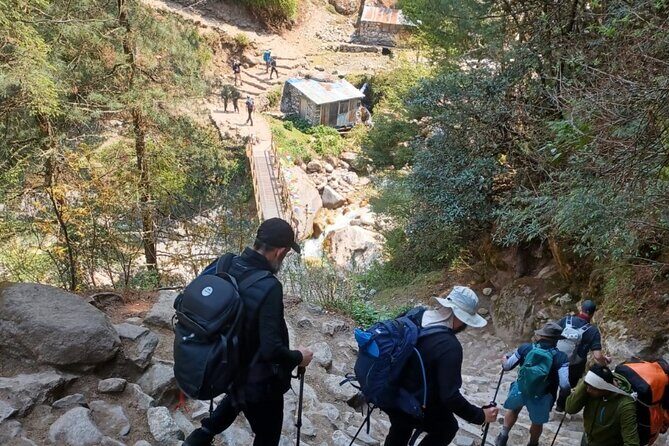
Day 1 is straightforward: you land at Tribhuvan International Airport, then transfer to your Kathmandu hotel in Triple or Double sharing. The next morning starts the real story, with transport from your drop-off accommodation to the airport for the flight to Lukla.
That Lukla flight is famously dramatic, and this trek treats it as a key part of the experience rather than an afterthought. Once you land, the trek begins toward Cheplung and then to Phakding for the night at a guesthouse/teahouse. The first trekking day is timed around about 4 hours, which is smart. You’re not trying to conquer the Khumbu on Day 2—you’re getting your legs moving and your rhythm established.
Practical tip: even when the walking hours look moderate, plan for cold mornings and short transitions. The trek starts moving fast once you’re past Lukla, so it’s worth keeping your energy steady and not treating the early days like casual hikes.
The Namche Bazaar Rest Day: Culture Plus Altitude Smarts
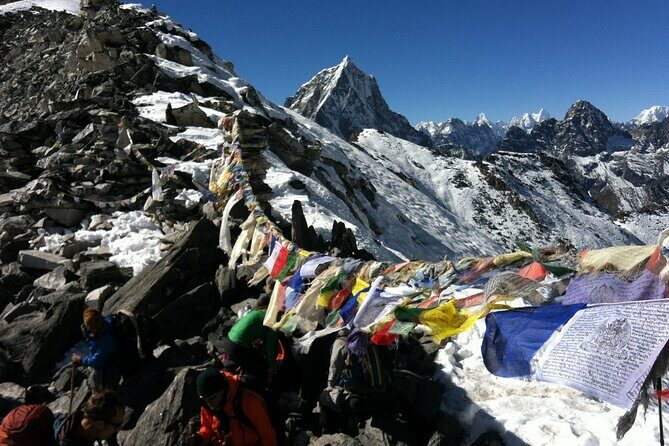
You reach Namche Bazaar after a full push (about 7 hours on Day 3). This is the Sherpa hub of the Everest region: old trade pathways, prayer walls carved with mani stones, and trails that pass suspension bridges over wide, fast valleys.
Day 4 is your reset day, and that’s where the itinerary shows its maturity. You get a short outing around Syamboche Airport at about 3,700 m, plus sightseeing stops like an Everest Photo Gallery area and the Sherpa Culture Museum. Then you rest—exactly what you need if you’re trying to arrive at higher elevations without feeling wrecked.
This isn’t just a “nice break.” Namche rest days are where you decide how the rest of the trek will feel. If you move too hard too early, the later days hit harder. Here, you’re given permission to take it slower, and you’re using time to understand the place you’re walking through.
If you’re a person who likes learning while you travel, this part is especially good. You’re surrounded by Buddhist culture in everyday form—prayer walls, mani stones, monastery influence—and you’re not just passing through.
Tengboche Monastery: The Scenic Day That Still Has a Purpose
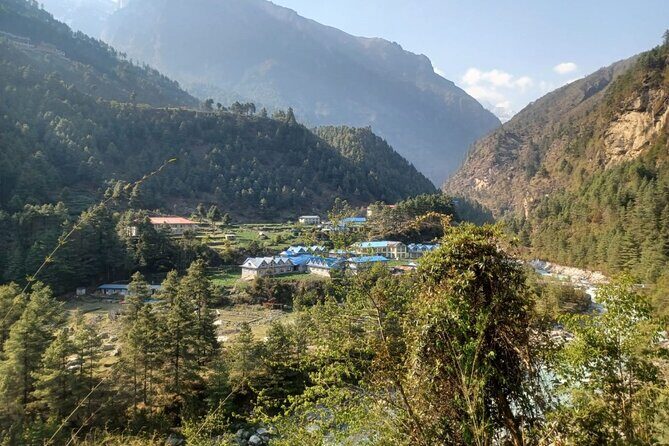
On Day 5, the route heads toward the Dudh Koshi Valley and stops at Phungki-Thanka, then continues to the Tengboche area. You’ll visit Tengboche Gompa at about 3,860 m, a monastery setting with major views of Everest-region giants like Everest and Ama Dablam in clear conditions.
This day is about 6 hours of trekking. It’s a good blend: enough movement to build momentum, but still not so packed that you arrive burned out. The monastery stop also changes the tempo. You get a moment to slow down, look around, and see how the Sherpa spiritual life connects to the trekking world.
Possible drawback: monastery days can be busy in peak season, and weather can hide views. Still, the value here isn’t only the summit photo angle; it’s the cultural stop and the way the itinerary keeps you moving with intention.
Dingboche and Nangkartseng: Acclimatization With Big-View Payoff
Day 6 brings you to Dingboche, via routes that pass through places like Debouche and Pangboche, with lots of mani stones and prayer-carved walls. This stretch is around 6 hours. You’re moving through the high valley that hikers recognize as a turning point in the trek’s mood: less forest, more open air, and sharper mountain silhouettes.
Day 7 is your acclimatization hike: a climb toward Nangkartseng Hill for panoramic views including Lobuche East, Lobuche West, Kangtega, Taboche Peak, Thamserku, and Ama Dablam (weather permitting). The walk is about 5 hours total for the hill day, and then you do something that often gets skipped—relax and recover, including a sunbath to ease hiking stress.
This is where I like how the trek balances effort. You get altitude stimulus without maxing out every day. That’s one of the better ways to protect your trip from turning into a suffering contest.






Lobuche to Everest Base Camp: The Glacier Day and the Big Objective
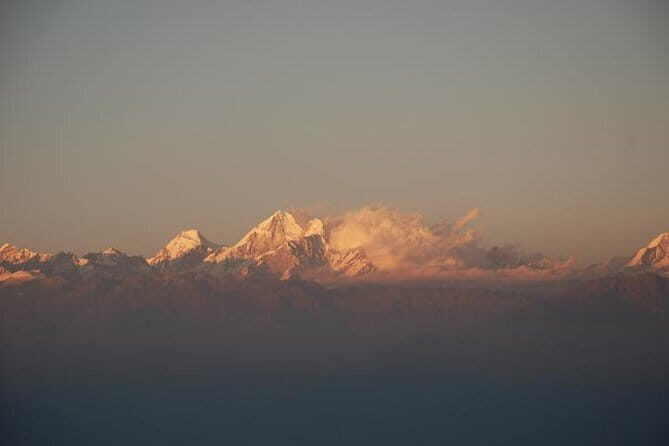
Day 8 is a medium-long push (about 6 hours) to Lobuche, including crossing toward the Khumbu Glacier and getting surrounded by chortens, mani stones, and prayer flags. On clear days, the mountain view factor here is strong, including peaks like Nuptse and Pumori.
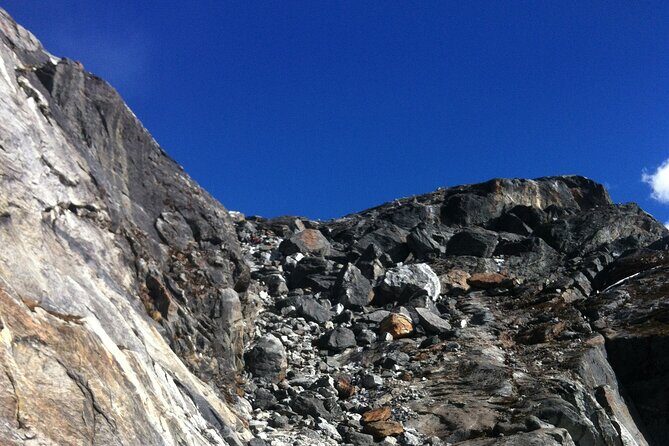
Day 9 is the main goal day, and it’s the hardest: about 9 hours for the trek along the glacier route up to Everest Base Camp at 5,365 m. This is the closest you can get to Everest without mountaineering gear. You’ll likely see expedition activity in spring, and the Khumbu Icefall view from Base Camp is a huge part of the spectacle.
You then return to Gorak Shep for the night. That return matters because you’re going from “big moment” energy into “sleep and recover” mode. Plan to keep your evening calm. Altitude makes even simple tasks feel like work.
Reality check: glacier days require steady footing and patience. If you tend to rush, remind yourself that this route is demanding by nature. Your guide and the group pace are your best friends here.
Kala Patthar and the Descent: Your Viewpoint Payoff
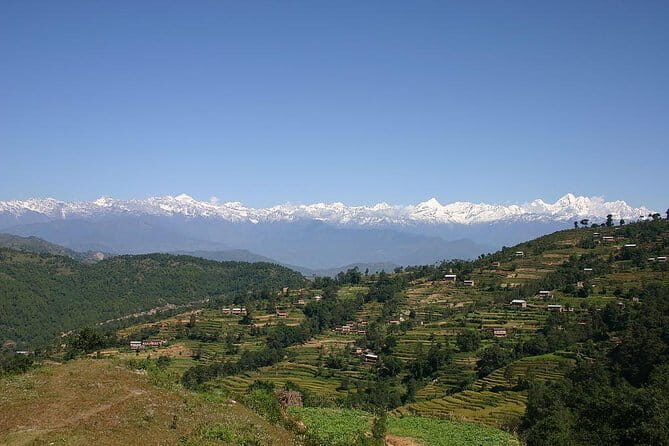
Day 10 is the signature viewpoint day at Kala Patthar. This is the one most people dream about—panoramic views of Everest along with Nuptse, Chagatse, Lhotse, and Pumori when skies cooperate.
The walk is about 8 hours and includes returning to Gorak Shep, then descending to Pheriche (about 4,210 m) for the night. Even if your legs are tired, this is a good day to go slow. Descents can feel easier than climbs, but knees can still protest, and you don’t want to gamble with footing when you’re fatigued.
Day 11 continues the descent with a trek back toward Namche Bazaar (about 7 hours) via Pangboche and Kyangjuma along the Imja River. The route gives you a changing perspective as the terrain gradually relaxes from the highest sections back toward the Sherpa hub.
Lukla Flight Day: When the Trek Ends and You Start Smiling Again
Day 12 is about 7 hours to Lukla, including lots of steps and suspension-bridge moments above the Dudh Koshi. The itinerary frames this as a relaxing day with rhododendron forests and snow-covered peaks. Even when your body is tired, the end is a mental reset.
Day 13 uses the other half of the trek’s planning: a scenic flight back to Kathmandu, then transfers to your starting hotel. This return flight is listed as about 35 minutes, and it’s your last long look at the Everest region from the air.
Day 14 finishes cleanly with your drop-off at Tribhuvan International Airport for departure.
What’s Included in the Package (And What You’ll Need to Pay For)
The price listed is $1,499 per person for a 14-day trek. That sounds like a lot until you break down what’s covered, because the costs in the Everest region add up quickly when flights, guides, porters, permits, and meals are included.
What you get here:
- Airport/hotel transfers in private vehicles in Kathmandu
- Kathmandu hotel stays in Triple or Double sharing (Day 1 and Day 13)
- Teahouse/guesthouse lodging in Triple or Double sharing from Day 2 to Day 12
- Return flights Kathmandu to Lukla and back
- An English-speaking local guide (and an extra assistant guide for larger groups)
- A personal porter carrying up to 15 kgs per person
- TIMS card included
- A trekking information and safety setup: sub-zero sleeping bag, oxygen cylinder, emergency medicine, and first-aid kit
- Most meals (breakfast 14 included, lunch 12 included, dinner 12 included)
- A storeroom facility in Kathmandu for extra luggage not needed for trekking
- Coverage for porters and guides via medical and life insurance (not for your personal coverage)
What’s not included:
- Water and drinks
- Nepal entry visa for foreign trekkers (listed as $40)
- Your own travel insurance and any medical/evacuation costs in unforeseen circumstances
- Personal expenses and anything not stated in inclusions
Value-wise, the big win is that you don’t spend days negotiating logistics. You pay for the structure: flights, guide, porter, lodging, and food. If you’ve ever done a semi-independent trek before, you know how much time and stress gets burned on planning. This package is meant to reduce that.
Meals, Teahouses, and the Comfort Reality Check
This trek relies on teahouse/guesthouse accommodation. That’s the standard model in the Khumbu, and it has a charm: hot meals, shared spaces, and the feeling of arriving to a warm base after each day’s walk.
One review theme that fits this style of trekking is praise for good food and well-run day-to-day organization. You’re also provided a high-altitude sleeping bag for sub-zero nights, which helps a lot. Still, you should expect basic comfort levels compared to hotels at sea level.
Also note: water and drinks are not included. That doesn’t mean you can’t get water, but it does mean you’ll want a plan (and budget) for hydration and snacks between meals.
Guides, Porters, and the Human Side of the Khumbu
When people talk about what makes this trek feel worth it, they often mention the guide. In the provided feedback, names like Bishal and Abhishek show up as being helpful, encouraging, and taking care of logistics. That lines up with what you actually want from a guide on this route: clarity, steady pacing, and confidence when conditions get tricky.
The porter part is also practical. Carrying up to 15 kgs per person can dramatically reduce the weight on your back. On an Everest Base Camp trek, lighter packs can be the difference between enjoying the day and counting every step.
Finally, the included medical/safety gear matters. Oxygen and emergency medicine are not magic, but they show the trek operator is thinking beyond just carrying you to the next village.
Who Should Book This Everest Base Camp Trek
You should consider this trek if:
- You want the classic Everest Base Camp route with culture stops and real acclimatization
- You like having a guide manage the route and timing
- You’re comfortable with teahouse stays and cold nights
- You value a package that covers most costs so you can focus on walking and adjusting
You might want to rethink if:
- Your fitness level is uncertain. This trek explicitly asks for strong physical fitness.
- You dislike altitude trekking even with built-in rest days and acclimatization hikes.
- You’re hoping for a fully hotel-style comfort level. Teahouses are part of the experience here.
Should You Book This 14-Day Everest Base Camp Trek?
I’d book this trek if you want an organized Everest Base Camp adventure where the hard planning work is handled for you. The combination of Lukla flights, an English-speaking guide, porter support, and teahouse lodging is a solid value for a 14-day route where logistics can otherwise eat your energy.
I would not book it if you’re expecting an easy walk. This is demanding high-altitude trekking, and the win comes from smart pacing, acclimatization, and showing up prepared.
FAQ
How long is the Everest Base Camp trek?
It’s listed as 14 days, with duration described as approximately 14 days.
Where does the trek start and end?
It starts in Kathmandu, Nepal (meeting point given as Kathmandu 44600) and ends back at the same meeting point in Kathmandu.
What’s included in the price?
The package includes airport/hotel transfers in private vehicles, Kathmandu hotel stays (Day 1 and Day 13), teahouse accommodation during the trek (Day 2 to Day 12), return flights between Kathmandu and Lukla, an English-speaking local guide, a porter (carrying up to 15 kg), TIMS card, a cleaned high-altitude sub-zero sleeping bag, oxygen cylinder and emergency first-aid kit, and most meals.
Are flights to Lukla included?
Yes. The itinerary includes a return flight from Kathmandu to Lukla and back, with the return flight described as scenic and about 35 minutes.
What altitude does the trek reach at Everest Base Camp?
Everest Base Camp is listed as 5,365 m.
What kind of accommodation will I sleep in?
You’ll stay in Triple or Double sharing hotels in Kathmandu for Day 1 and Day 13, and in Triple or double-sharing teahouses/guesthouses throughout the trek from Day 2 to Day 12.
How much will my porter carry?
Your porter will carry up to 15 kgs per person.
Is my Nepal visa included?
No. The Nepal entry visa is not included and is listed as $40 for foreign trekkers (not needed for Indian citizens).
Do I need my own travel insurance?
Travel insurance is not included. The package covers medical and life insurance for porters and guides, but you’ll need your own travel insurance for your personal coverage.