REVIEW · KATHMANDU
Everest Base Camp Trekking-14 nights/15 Days
Book on Viator →Operated by Himalayan Trekking Path (P). Ltd. · Bookable on Viator
Everest Base Camp starts with smart logistics. This 15-day trek (14 nights) funnels you from Kathmandu into the Khumbu region toward Everest Base Camp (5,364 m), with the kind of planning that matters when you’re trying to stay calm, hydrated, and moving at altitude. I especially like the domestic flight to Lukla (it saves real time versus driving) and the baggage carried service (your pack stays more manageable). The one drawback to plan for: food and drinks are not included, so you’ll need extra cash for meals along the trail.
I also like that you get an early start—meeting at Tribhuvan International Airport—and then transition quickly into your trek routine. The itinerary runs on a schedule that’s built for weather reality in the Himalayas, so you should be ready to dress properly and expect the mountain to set the pace.
In This Review
- Key things I’d pay attention to
- Arriving in Kathmandu: your trek begins with a transfer
- Kathmandu to Lukla by domestic flight: the time-saver you’ll feel
- The real trekking value: accommodation, permits, and lighter hauling
- What you’re really hiking toward: Everest Base Camp at 5,364 m
- Your guide team: professionalism, support, and altitude reality
- Price and value: what $1,600 includes (and what it doesn’t)
- How weather and mountain timing can affect your plans
- What to pack and plan for (based on what’s actually missing)
- Who this Everest Base Camp trek suits best
- Should you book Everest Base Camp with this operator?
- FAQ
- How long is this Everest Base Camp trek?
- Where does the tour start, and when is the meeting time?
- What is included in the price?
- What is not included?
- Is the flight to Lukla included?
- Does the trek operate in bad weather?
- Do I need a passport, and do I have to provide details before travel?
- Is this a group tour or private?
- What fitness level do I need?
- Is cancellation free?
Key things I’d pay attention to
- Kathmandu support right away: pickup and transfer, so you don’t waste your first morning figuring things out
- Kathmandu–Lukla flight included: you’re not spending days on roads before the mountains start
- National park fees and permits handled: you pay fewer “surprise” items once you’re in the region
- Baggage carried service: helps you hike with a lighter day pack
- Private experience: only your group participates, even when the booking has group discounts
- Professional guide and tour escort/host: leadership and local knowledge built into the plan
Arriving in Kathmandu: your trek begins with a transfer
Your trek experience officially starts in Kathmandu, with pickup and a transfer to your hotel. The meeting point is listed as Tribhuvan International Airport on the Ring Road area, and the start time is 5:45 am. That early time matters because it reduces your “dead hours” after a flight and helps you get oriented while your brain still works.
There’s also a quick stop at Himalayan Trekking Path’s local base for the welcome and next steps. One small detail I like: the entry is shown as free for that first stop. It’s not a big money saver, but it signals a no-fuss orientation—get you checked in, get your questions answered, then get you moving.
If you’re worried about languages or logistics, this is where the operator earns their keep. You’ll have a tour escort/host in the mix, plus a professional guide for the trek portion.
You can also read our reviews of more hiking tours in Kathmandu


Kathmandu to Lukla by domestic flight: the time-saver you’ll feel
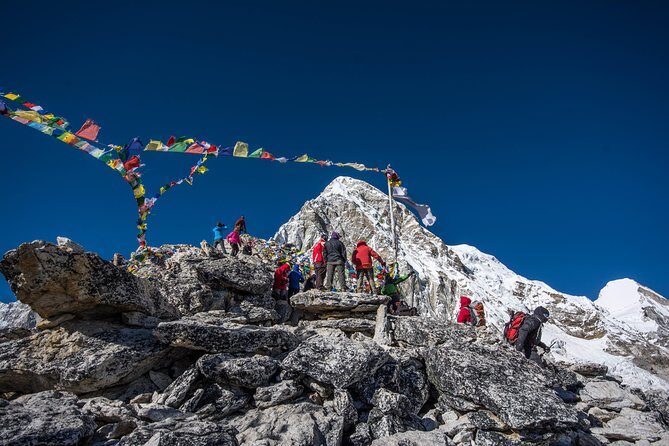
The trek includes a Ktm–Luk–Ktm flight with domestic airlines. That single inclusion changes the whole tone of the trip. Instead of burning your energy on long travel days, you save time and reserve that energy for walking and adjusting to altitude.
Lukla is also a practical shift: the minute you land and start trekking, you’re in the world of steep trails, short distances that still feel like work, and frequent rhythm changes (walk, breathe, hydrate, repeat). A flight doesn’t make altitude easy—but it does mean you start the real trekking sooner, with less fatigue.
One planning tip: because this is a trek that depends on weather, build flexibility into your expectations. If conditions affect flights, you’ll want to stay calm and follow your guide’s direction.
The real trekking value: accommodation, permits, and lighter hauling
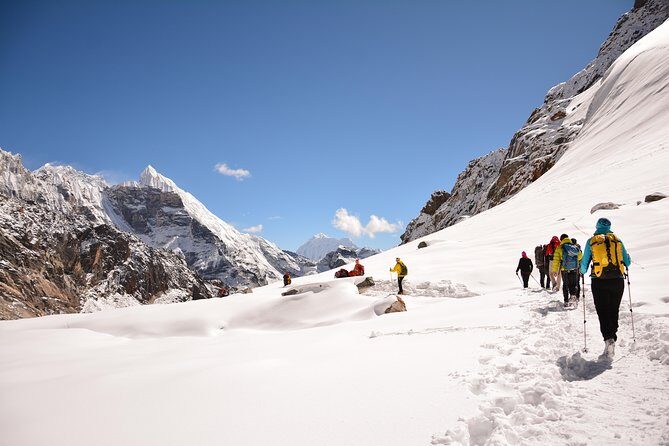
Over 15 days, the heart of the experience is what you’d expect for Everest Base Camp trekking: sustained hiking in the Khumbu region, time at higher elevations, and the steady climb toward the view everyone comes for.
But what makes this version feel like better value isn’t just the big destination. It’s the way the basics are handled:
- Accommodation as per itinerary: you’re not left guessing where you’ll sleep each night.
- National Park fees and environmental charges included: those administrative items are often a headache when you’re juggling altitude and paperwork.
- Baggage carried service included: you hike with a day pack rather than hauling everything yourself.
That last one is a big deal. Even if you’re fit, carrying too much weight at altitude can turn a long day into a slog. With baggage carried service, you can focus on steady steps and not turning your shoulders into a warning system.
And yes, you’re still the one doing the walking. This isn’t a sit-on-a-bench tour. But it’s designed to keep your energy aimed at the trail and the big moments, not at logistics.
What you’re really hiking toward: Everest Base Camp at 5,364 m
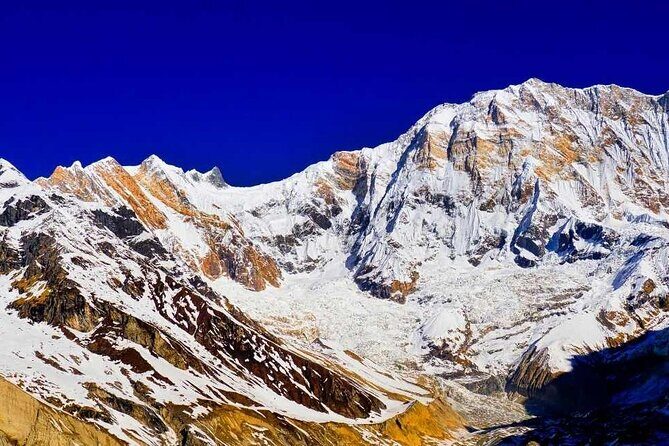
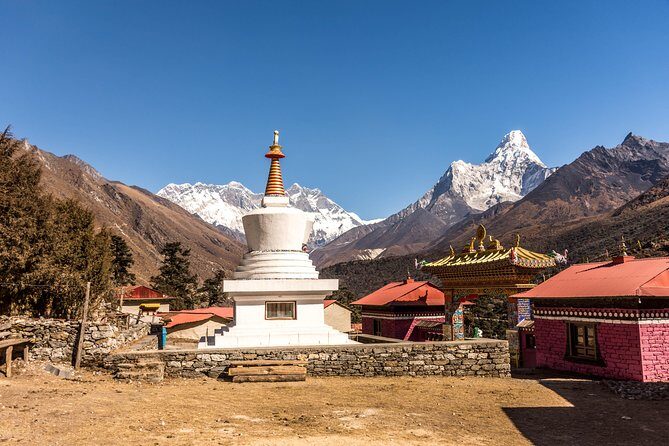
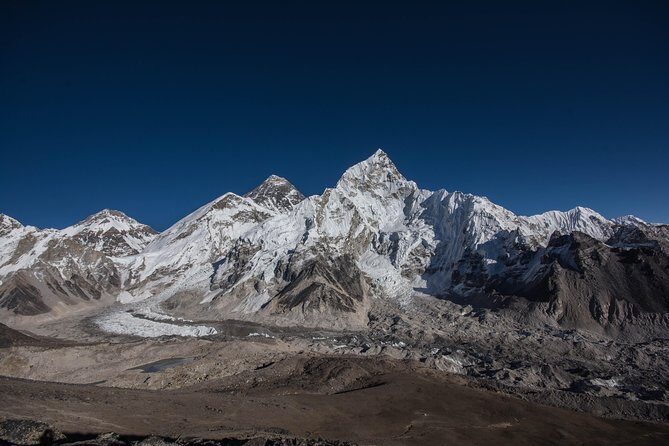
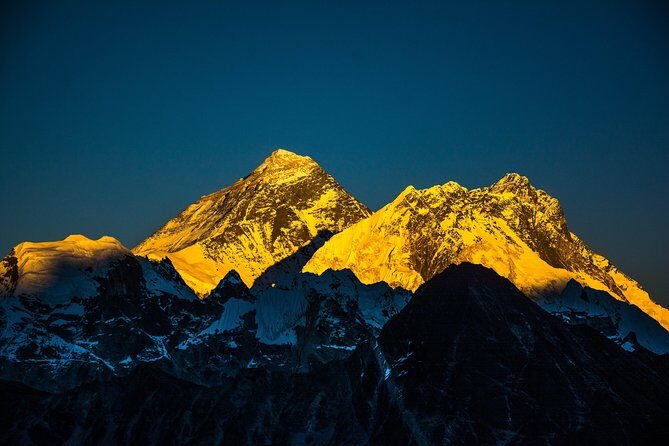
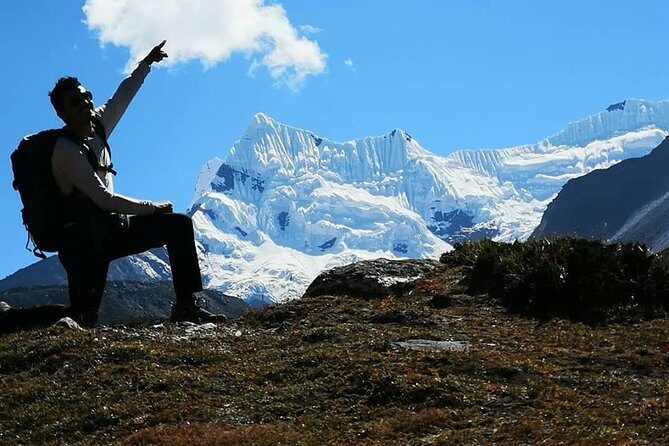
The overview makes it clear what you’re aiming for: Everest Base Camp (5,364 m), with the surrounding giants of the region—Mt. Lhotse (8,516 m), Mt. Pumori (7,161 m), Mt. Nuptse (7,855 m), and others. That 360-degree dream is the main story.
Why it matters that these peaks are part of the framing: the Everest region isn’t only about a single summit you may never see up close. It’s about the big, layered mountain panorama you get as you move through the high Khumbu valleys. Even without naming every viewpoint on the way, the trek is built for repeated chances to look up, pause, and absorb the scale.
At the same time, here’s the practical side. Base Camp sits at high elevation, so your win condition is not speed. It’s safe pacing and smart acclimatization. Your guide and escort team are part of that system—helping you keep moving without pushing too hard on the wrong day.
Your guide team: professionalism, support, and altitude reality
This tour includes a professional guide, and the experience list also mentions a tour escort/host. That pairing usually means you get two layers of help: day-to-day trekking leadership plus someone making sure the broader plan stays on track.
The feedback you’re given in the operator’s materials and the names that come up are telling. People talk about guides like Chandra and Sreekrishna as knowledgeable and supportive, and they also praise organization from Ramhari / Ram. There’s also mention of a porter named Bikash in at least one experience—so baggage carried service likely comes with real human muscle behind the scenes, not just a vague promise.
For you, the practical takeaway is simple: a good guide doesn’t only show the trail. They help you manage altitude decisions—what pace to use, when to slow down, and how to handle altitude discomfort without panic.
And if you’re going with family, pay attention. One of the experiences tied to this operator mentions trekking with a 7-year-old daughter. That doesn’t mean it’s always a smooth fit for all children (altitude is altitude), but it shows the team is willing to support different trekking profiles—so long as your plan stays realistic.






Price and value: what $1,600 includes (and what it doesn’t)
At $1,600 per person, this is not a cheap weekend trek. But it also isn’t just a “guide and good luck” price. Based on what’s included, you’re paying for real operational coverage:
Included items of value:
- Accommodation throughout the itinerary
- Hotel pickup and drop-off in Kathmandu
- Kathmandu–Lukla–Kathmandu flight
- National park fees and environmental management charges (Reef Tax)
- Professional guide and tour escort/host
- Baggage carried service
- Staff food, accommodation, and salary are covered
What’s not included (and why you must budget it):
- International airfare and visa fees
- Foods and drinks (explicitly not included)
- Travel insurance for the guest
- Tips of staff
- Extra activities and incidental snacks/drinks/dessert
So here’s how I’d judge the value for you: if you want a trek where permits, flights, guides, and sleeping are handled, this price looks reasonable. If you already have your own flights figured out and you plan to self-manage meals and logistics, you could find cheaper options—but you’ll trade off simplicity and coverage.
Either way, do your math for food. On the Everest route, meal costs can add up. If your budget assumes meals are included, you’ll feel it later.
How weather and mountain timing can affect your plans
Two lines in your tour info point to the same reality: you’re in the Himalayas, and conditions matter.
- The experience list says it operates in all weather conditions, as long as you dress appropriately.
- The cancellation policy says the experience requires good weather, and if it’s canceled due to poor weather you’ll be offered another date or a full refund.
That sounds contradictory until you read it as: they’ll keep things running when possible, but if the mountain won’t cooperate (especially with flight segments and safe trail conditions), you might have date changes.
For you, the best move is attitude plus preparation. Bring the right layers. Expect wind, cold, and sudden changes. And keep your schedule flexible enough that you’re not furious if the mountains force a reroute or a delayed start.
What to pack and plan for (based on what’s actually missing)
Since foods and drinks are not included, your trek budget needs space for daily meals and hot drinks at tea houses. You should also plan for extra snacks. The cost of a simple sweet or drink often becomes part of your “altitude morale” budget.
You should also pack for cold and variable conditions because the operator explicitly notes that it runs in all weather conditions and tells you to dress appropriately. That means layers are not optional; they’re the difference between staying comfortable enough to keep walking and feeling miserable every step.
Finally, remember the admin side: you need a current valid passport, and you’ll provide passport details at booking (name, number, expiry, and country). For a trek like this, the last thing you want is an avoidable paperwork snag before departure.
Who this Everest Base Camp trek suits best
This is a solid fit if you:
- Want guide-led trekking with logistics handled
- Prefer a private group setup (only your group participates)
- Like the idea of baggage carried service so you can keep your day pack sane
- Appreciate that park fees and environmental charges are covered
- Have moderate physical fitness and you’re ready for altitude pacing
It may be less ideal if you:
- Want meals included in the price
- Have very tight scheduling and zero flexibility around weather
- Prefer total self-planning (this style of tour is built for structure)
If you’re a solo hiker, this can work well too, because a professional guide and escort reduce uncertainty. If you’re traveling as a couple or group, the “private” setup can feel like a quality upgrade over big shared tours.
Should you book Everest Base Camp with this operator?
Yes, if your top priorities are simplicity, covered permits, and a guided plan that gets you from Kathmandu into the Everest region without you babysitting logistics every day.
I’d book this trek if you’re happy to budget extra for foods and drinks, and you’re ready for altitude pacing. The included Kathmandu pickup, the domestic Lukla flight, accommodation coverage, national park fees, and baggage carried service add up to less stress—the kind that makes the views actually enjoyable.
I would not book it if you need a fully all-in-one price (meals and drinks are not included), or if you can’t tolerate possible weather-driven shifts.
If you want the Everest story with fewer moving parts and more time focused on your steps, this is a practical way to do it.
FAQ
How long is this Everest Base Camp trek?
It runs for 15 days (listed as approximately 15 days and 20 minutes) with 14 nights.
Where does the tour start, and when is the meeting time?
The meeting point is Tribhuvan International Airport (Ring Rd), Kathmandu, Nepal, and the start time is 5:45 am.
What is included in the price?
The price includes accommodation, taxes and fees, Environmental Management Charge (Reef Tax), national park fees, a tour escort/host, a professional guide, hotel pickup and drop-off, a private tour, and the Kathmandu–Lukla–Kathmandu flight by domestic airlines. It also includes baggage carried service and staff food, accommodation, and salary.
What is not included?
Not included: international airfare, visa fees, foods and drinks, extra activities, drinks/snacks/dessert, guest travel insurance, and tips for staff.
Is the flight to Lukla included?
Yes. The tour includes Ktm–Luk–Ktm flight by domestic airlines.
Does the trek operate in bad weather?
The experience says it operates in all weather conditions, but the cancellation policy also notes that it requires good weather, and if canceled due to poor weather you’ll be offered a different date or a full refund.
Do I need a passport, and do I have to provide details before travel?
Yes. You need a current valid passport, and you must provide passport name, number, expiry date, and country at booking.
Is this a group tour or private?
It’s a private tour/activity. Only your group participates.
What fitness level do I need?
You should have a moderate physical fitness level.
Is cancellation free?
Yes, there is free cancellation. You can cancel up to 24 hours in advance for a full refund. If you cancel less than 24 hours before the experience’s start time, the amount paid is not refunded.