REVIEW · KATHMANDU
3-Day Guided Safari Tour in Chitwan National Park in Nepal
Book on Viator →Operated by The Great Adventure Treks & Expedition - Private Day Tours · Bookable on Viator
Wildlife and culture share the same road here. This 3-day Chitwan National Park tour pairs Rapti River sightings with Tharu village traditions, and it runs on an easy, focused schedule that fits well between longer Nepal plans. It’s designed for a relaxed pace: you get transport from Kathmandu, guided nature time, and meals without having to organize the pieces yourself.
I especially like the mix of daytime wildlife and social culture. The Tharu Village Tour and Tharu Cultural Show give you context for what you’re seeing in the landscape, not just photos of animals.
One consideration: some of the biggest wildlife moments (like crocodiles on the banks or birds in flight) depend on timing and conditions, so you’ll want to go with flexible expectations.
In This Review
- Key things you’ll remember most
- Why Chitwan in 3 Days Works
- Getting from Kathmandu to Chitwan (and back) Without Losing a Day
- Day 1: Arrival, Tharu Village Culture, and Your First Safari Push
- Day 2 Morning Birdwatching Starts With a Simple Tea Break
- Rapti River Canoe Ride: Crocodiles Up Close (From the Banks)
- Day 3 Transfer Options: Kathmandu, Pokhara, or Lumbini
- Animals You Should Expect—and What May Surprise You
- Value and Price: Is $199 Fair for What You Get?
- What You’ll Actually Do Each Day (Beyond the Names)
- Group Size and Pace: Why Max 10 Travelers Helps
- Meals Included: What That Means for Your Energy
- Practical Tips for Getting the Most from Chitwan
- Should You Book This Chitwan Safari Tour?
- FAQ
- What is the duration of the Chitwan National Park safari tour?
- How much does the tour cost per person?
- Is pickup included?
- Are meals included in the price?
- Does the tour include a mobile ticket?
- What activities are part of the itinerary?
- Is the group size limited?
- What is not included in the tour price?
- Where do you return on the final day?
- What is the cancellation window?
Key things you’ll remember most
- Small group size (max 10 travelers): easier questions, better flow, and less crowding on wildlife outings.
- Canoe time on the Rapti River: ideal for close-up viewing of crocodiles sunbathing along the banks.
- Early birdwatching session: starts with a tea break, then shifts into guided spotting for multiple bird types.
- Tharu culture on Day 1: jeep safari + village tour + a cultural show, all in one evening block.
- Meals included for 3 days: breakfast, lunch, and dinner are covered, with drinks left for you to manage.
- Pickup and mobile ticket: fewer moving parts when you arrive in Nepal.
Why Chitwan in 3 Days Works
Chitwan is one of those places where you don’t need to cram every hour to feel like you had the real experience. In a 3-day window, you get a full slice of the park rhythm: morning nature time, water-based wildlife searching, and an evening cultural moment.
The best part for practical travelers is that this tour keeps the plan tight. You’re not bouncing between too many cities. You’re in Chitwan long enough for wildlife activities to make sense, then you move on.
You’ll also get the “Nepal bonus” of regional culture. The Tharu portion matters because it helps you understand how people live alongside this protected landscape.
You can also read our reviews of more guided tours in Kathmandu
Getting from Kathmandu to Chitwan (and back) Without Losing a Day
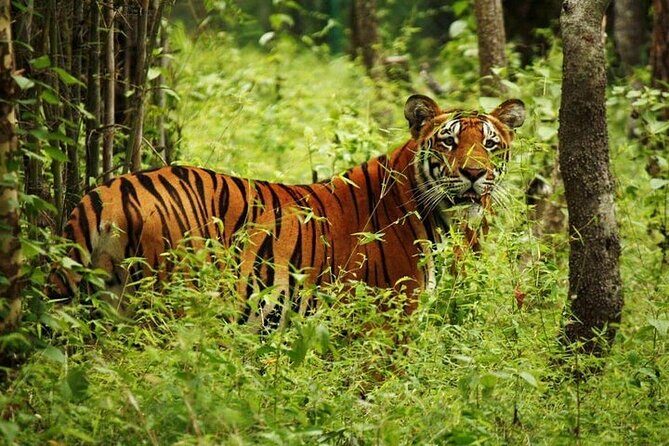
You start with the big travel block: a five-hour drive from Kathmandu to Chitwan. The timing matters because you arrive, settle in, and still get a Day 1 program rather than only stretching out in transit.
On the way, the tour focuses on making the handoff smooth. Once you’re in Chitwan, hotel/resort staff greet you and transfer you to your accommodation, then you go over the itinerary so you’re not guessing what comes next.
On Day 3 you’ll do the return drive, with options to go back toward Kathmandu, Pokhara, or Lumbini. That flexibility can be valuable if you’re stitching together a route and don’t want to backtrack.
Day 1: Arrival, Tharu Village Culture, and Your First Safari Push
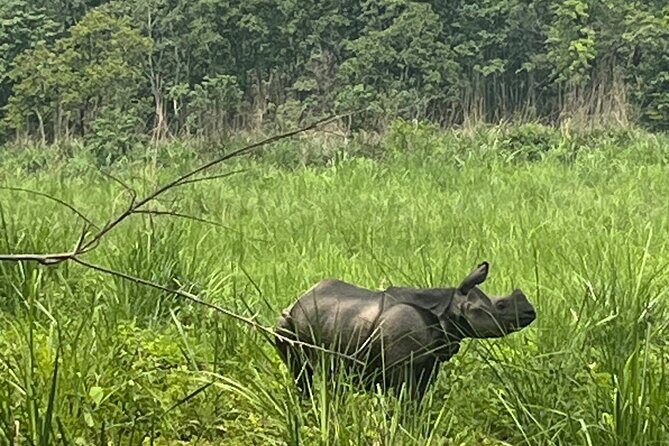
Day 1 is the “land in Chitwan and get oriented” day. After the Kathmandu drive, you settle in at your lodging, then the program starts with activities that ground you in the local setting.
The highlight is Chitwan Tharu Village. This is not just a quick stop for a photo. You get to join a Tharu Village Tour and take part in activities that include a jeep safari as well. It’s a good pairing because it turns the evening into both culture and nature.
In the evening, there’s a Tharu Cultural Show. This matters because you’re watching performers who represent the community that has long lived near these ecosystems. When you connect that cultural view with what you’ll likely see in the park, the whole trip feels more coherent.
If you want practical advice: keep your first evening light. Wear something comfortable for sitting and travel. You’ll likely be tired from the drive, and you want energy left for Day 2.
Day 2 Morning Birdwatching Starts With a Simple Tea Break
Day 2 starts early, and that’s not just tradition. Morning light tends to be when birds are easiest to spot and when activity levels are higher. You’ll begin with early morning tea, then head into birdwatching for several hours.
This section is ideal if you like wildlife that isn’t only “big animal drama.” Birds can be subtle: you may spot movement first, then shape, then color. A guided birdwatching session helps you learn how to track and identify what you’re seeing without guessing.
One smart expectation to carry: birdwatching can mean both visible action and quiet scanning. Bring patience. The payoff is the chance to see different types of birds with guidance rather than only catching glimpses.
Rapti River Canoe Ride: Crocodiles Up Close (From the Banks)
Later on Day 2, the tour shifts to water with a canoe ride along the Rapti River. The goal here is straightforward: witness crocodiles and other wildlife up close.
The key detail is where crocodiles show up. You’ll look for them sunbathing on the river banks, which is one of the most reliable ways to spot them from the water. That also keeps the experience grounded in what’s likely rather than fantasy.
This is also a good “different kind of safari” moment. Jeep safari is about covering ground fast. Canoeing is about slower observation, listening, and reacting to what appears along the shoreline.
Tip for comfort: water time is still outdoors time. Even if you’re not hiking, you’ll want weather-ready clothing, and it helps to bring a plan for keeping essentials dry. The tour itself doesn’t list gear, so you’ll be the one deciding what to pack.
A few more Kathmandu tours and experiences worth a look

Day 3 Transfer Options: Kathmandu, Pokhara, or Lumbini
Day 3 is a return-drive day with a clear endpoint. You’ll drive back from Chitwan National Park toward Kathmandu, Pokhara, or Lumbini, depending on what you chose for your next step.
This structure is useful when you’re trying to stay efficient. You’re not required to squeeze in more wildlife time on your last day. Instead, the focus is on a clean transition to your next Nepal stop.
If you’re continuing onward, think ahead about meals and rest. You’ll likely want to regroup as soon as you arrive, especially if your next activity involves more walking or a tighter schedule.
Animals You Should Expect—and What May Surprise You
This tour is built around specific wildlife formats. You’ve got birdwatching for multiple bird types. You’ve got water-based viewing for crocodiles and other wildlife. And you’ve got a jeep safari element tied to the Tharu village day.
In other words, you’re not relying on a single “once-in-a-lifetime” moment. That’s a big deal. It gives you a better chance of feeling rewarded even if one session is quieter than another.
That said, safari sightings still depend on real-world conditions. Animals may be active in some areas and less visible in others. The most helpful mindset is to treat each session as its own mini-chance: birds in the morning, crocodiles along the banks, and wildlife movement during safari travel.
The tour also includes a strong cultural component, so even if you get fewer “headline” sightings, you’ll still leave with a sense of place. You’ll know why the people and the landscape connect.
Value and Price: Is $199 Fair for What You Get?
At $199 per person, the price feels positioned for travelers who want structure but don’t want to overpay for logistics. The value comes from the package design: pickup is offered, there’s a mobile ticket, and meals are included across the 3 days.
You get 2 breakfasts, 2 lunches, and 2 dinners. That reduces daily spending pressure, especially on a short trip. The tour also lists admission ticket handling as free for the national park portions in the schedule, which helps keep the day costs predictable.
What isn’t included is also clear: all drinks (soft & hard) and personal expenses. So if you’re the type who buys bottled water, soda, or alcohol, factor that into your budget.
My advice for assessing value: compare not just the headline price, but what you would otherwise pay for transport from Kathmandu, guided wildlife time, and meals. On a 3-day itinerary, meals and transport are often where packages earn their keep.
What You’ll Actually Do Each Day (Beyond the Names)
Sometimes tour schedules read like bullet points until you picture the flow. Here’s what the rhythm feels like in real life, based on how the days are built.
Day 1 is arrival and orientation, then culture and safari time in the Chitwan area. You’re set up at your lodging after the drive, then you move into the Tharu Village program with both tour time and a cultural show.
Day 2 is two different styles of wildlife viewing. You start with birdwatching after a tea break, then you shift to the Rapti River for canoe viewing where crocodiles are commonly seen sunbathing along the banks.
Day 3 is a straightforward departure drive. That keeps the experience from turning into a marathon, which matters on a short vacation.
Group Size and Pace: Why Max 10 Travelers Helps
The tour caps at 10 travelers. That small-group size changes how the day feels. You’re less likely to feel like you’re trapped in a crowd when you’re trying to ask questions or when a guide needs to reposition you for a view.
It can also help with timing. If someone needs a bathroom stop or a slower moment, you’re not held up by a huge chain of people.
If you’re traveling solo, this can be a plus too. You’re not alone, but you’re also not swallowed by a big bus.
Meals Included: What That Means for Your Energy
With breakfast (2), lunch (2), and dinner (2) included, the trip supports a steady energy plan. This is a big deal on safari days because wildlife activities can mean early starts and lots of outdoor time.
What you don’t get is drinks. So plan to budget for water and any extras you want beyond meals. If you’re sensitive to hydration, treat that as part of your prep rather than an afterthought.
Also note: because meals are included, you don’t need to keep checking where you’ll eat each day. That reduces decision fatigue, especially when you’re dealing with travel time.
Practical Tips for Getting the Most from Chitwan
Pack for humid outdoor time and keep your plan simple. You’ll be outside for birdwatching and canoe time, so go with light layers, comfortable footwear, and weather-ready clothing.
Bring basics that help you enjoy viewing:
- A pair of binoculars if you already own them (birdwatching is a natural place to use them).
- A small dry bag or waterproof pouch for phone and documents during water time.
- Light snacks only if you know you need them; meals are included, but personal preference matters.
Finally, keep your schedule flexible in your head. A safari day can change based on where wildlife is active. Your job is to show up ready, listen to guidance, and stay patient during quiet stretches.
Should You Book This Chitwan Safari Tour?
I think this tour is a strong pick if you want a structured 3-day Chitwan experience with both nature and culture. The combo of Rapti River canoeing and Tharu village activities makes it more than a generic safari checklist.
Book it if:
- You prefer a small group and like guided spotting.
- You want meals handled and you don’t want to manage transport and timing daily.
- You’re okay with wildlife sightings that can vary day to day.
Skip it or consider another option if:
- You only care about the largest animals and want guarantees. This tour’s design includes birds and crocodile viewing too, which means the “headline” moments aren’t the only focus.
- You’d rather build your own route than follow a fixed 3-day flow.
If you’re connecting this with more of Nepal, the same company behind this kind of trip is also known for helping organize bigger routes around Kathmandu and additional areas. That can be useful when you’re trying to link viewpoints, city time, and wildlife without chaos.
FAQ
What is the duration of the Chitwan National Park safari tour?
The tour runs for 3 days (approximately).
How much does the tour cost per person?
The price is listed as $199.00 per person.
Is pickup included?
Yes, the tour offers pickup.
Are meals included in the price?
Yes. You’ll get 2 breakfasts, 2 lunches, and 2 dinners.
Does the tour include a mobile ticket?
Yes, mobile ticket is included.
What activities are part of the itinerary?
You’ll have birds watching, canoe rides along the Rapti River, and a Chitwan Tharu Village experience that includes a village tour, a jeep safari, and a Tharu cultural show.
Is the group size limited?
Yes. The tour has a maximum of 10 travelers.
What is not included in the tour price?
The tour does not include all drinks (soft & hard) and personal expenses.
Where do you return on the final day?
On Day 3, the drive can be to Kathmandu or Pokhara or Lumbini.
What is the cancellation window?
You can cancel for a full refund up to 24 hours in advance of the experience’s start time.