REVIEW · KATHMANDU
From Kathmandu/Pokhara: 3-Day All-Inclusive Chitwan Safari
Book on GetYourGuide →Operated by Peregrine Treks and Expedition P Ltd · Bookable on GetYourGuide
Chitwan feels like a nature documentary. In just three days, you’ll link Chitwan National Park wildlife with Tharu culture in and around Sauraha, with canoe time, a jeep safari, and a cultural dance night.
I love the way a great guide like Laxman helps you spot animals and understand what you’re seeing. I also love that this package stays all-in with hotel, meals, park fees, and a timed 4-hour Jeep Safari.
The big trade-off is the long, bumpy bus ride both ways, and wildlife sightings are never guaranteed. Still, Chitwan is Chitwan—and the rhythm of the days works well if you go in with realistic expectations.
In This Review
- Key highlights I’d circle on your trip planner
- Price and logistics: what $149 buys in real life
- Getting to Chitwan: the bus ride you should actually prepare for
- Day 1 in Sauraha: Tharu culture, hotel time, and that first dance night
- Day 2: Rapti River canoeing, elephant conservation visit, and the jeep safari push
- Morning on the Rapti River by dugout canoe
- Midday at an elephant breeding center
- The 4-hour Jeep Safari in Chitwan National Park
- Wildlife expectations: what to chase and what to accept
- Where you sleep and eat: Sauraha hotel comfort, plus real meal notes
- What to pack and how to follow park rules without stress
- Should you book this 3-day Chitwan safari?
- FAQ
- How long is the Chitwan jungle safari?
- Do I start from Kathmandu or Pokhara?
- How long is the bus transfer?
- Where do you stay during the tour?
- What activities are included besides the jeep safari?
- Is the jeep safari included, and how long is it?
- What meals are covered?
- Is there an English-speaking guide?
- How big is the group?
- What should I bring or wear?
Key highlights I’d circle on your trip planner
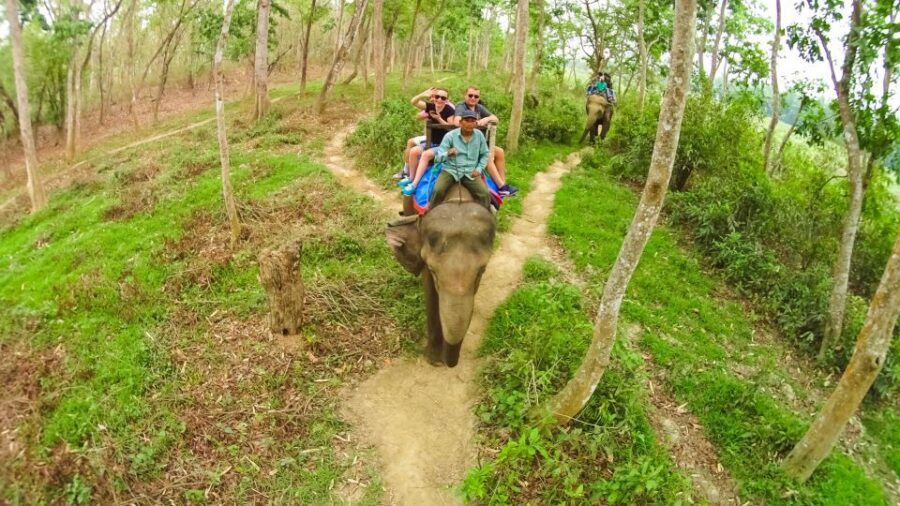
- A small group (up to 10) keeps the experience calmer and easier for questions
- Rapti River canoe ride is a slower, close-to-nature way to scan for crocodiles and birds
- 4-hour Jeep Safari in Chitwan gives you multiple chances to spot large mammals
- Tharu cultural dance show on night one sets the cultural tone right away
- Elephant breeding center visit adds a conservation angle (with some ethical nuances to know)
Price and logistics: what $149 buys in real life
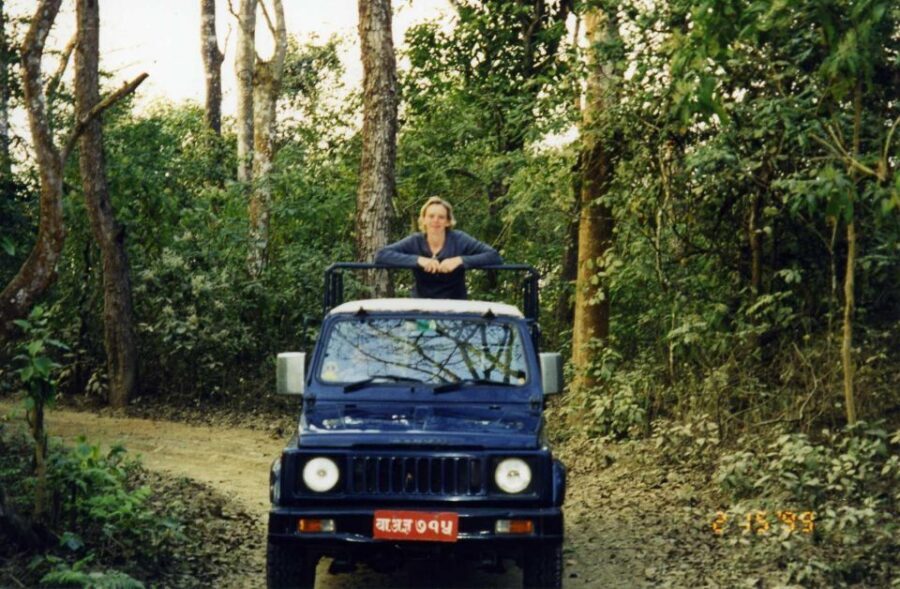
At $149 per person for 3 days, the value comes from what’s wrapped into the price. You’re not just buying a single safari day. You’re also paying for round-trip tourist bus transfers between Kathmandu (Balaju near Thamel) or Pokhara and Sauraha, plus 2 nights of hotel, all park and entry fees, and daily meals (2 breakfasts, 2 lunches, 2 dinners).
That matters because transportation in Nepal can be the hidden budget killer. Here, you’re budgeting for one long travel day each way (about 7 hours from Kathmandu or 6 hours from Pokhara, depending on road and traffic). Reviews also mention the ride can be extremely bumpy, but seats can be comfortable—still, it’s not a quick hop.
One more logistics point: the pickup/drop-off works with options in Kathmandu and Pokhara, but once you get back to your city, you’ll usually need a short taxi ride from the bus park to your hotel. It’s simple, just plan for that last-mile step.
Also note the operator is Peregrine Treks and Expedition P Ltd, and the tour runs with an English-speaking guide and a small group vibe (up to 10 participants). That’s a big deal in wildlife areas, where you’ll get more attentive guidance instead of feeling rushed.
A few more Kathmandu tours and experiences worth a look

Getting to Chitwan: the bus ride you should actually prepare for
Day 1 begins with you boarding a tourist bus from either Kathmandu or Pokhara, using one of the designated pickup points (Thamel, Tourist Bus Park, Lakeside, or Tourist Bus Stop). Expect the bus to include Nepali passengers at times. That’s normal here, and it can make the ride feel more like local travel than a private transfer.
What I’d plan for:
- Start early if you can. A multi-hour road trip eats the day.
- Bring a layer. The bus environment can swing with weather and stops.
- Power and phone charging might be limited. One review specifically notes there was no electricity on the bus, so charge before you go and keep a power bank if you rely on your phone.
When you arrive in Sauraha (the final bus stop), you’ll meet a representative holding a sign with your name, then be escorted to your hotel. That part removes a lot of stress after a long ride.
Then the clock resets. You’re tired, but you’re in the gateway zone of Chitwan, where the next 2 days focus hard on wildlife and culture.
Day 1 in Sauraha: Tharu culture, hotel time, and that first dance night
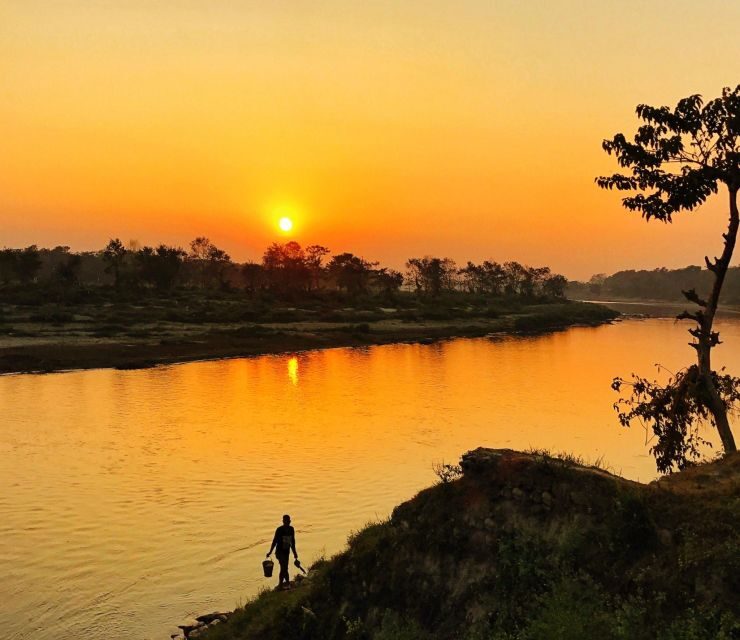
On the first afternoon and evening, your goal is a smooth landing: hotel check-in, an orientation to the area, and cultural programming.
You’ll start with a lunch and dinner included, and the evening feature is a Tharu Cultural Dance Show. This is more than entertainment. It’s your first real exposure to the Tharu world—songs, rhythm, and costume—so you understand that the safari isn’t only about animals. It’s also about the people who live alongside this landscape and the traditions that shape local life.
You’ll also get culture through a Tharu traditional village visit (listed in the experience highlights). I like this pairing: you see the nature side, then you meet the culture side right away. It helps you read what you’re seeing on later days.
Practical note: after travel, don’t over-schedule yourself. Let dinner happen, then go early to the dance show if you can. Seating and timing can vary by venue.
If you’re traveling solo, this day is often a social anchor: you’ll be in a small group and usually stay together through the cultural evening before activities ramp up the next morning.
Day 2: Rapti River canoeing, elephant conservation visit, and the jeep safari push
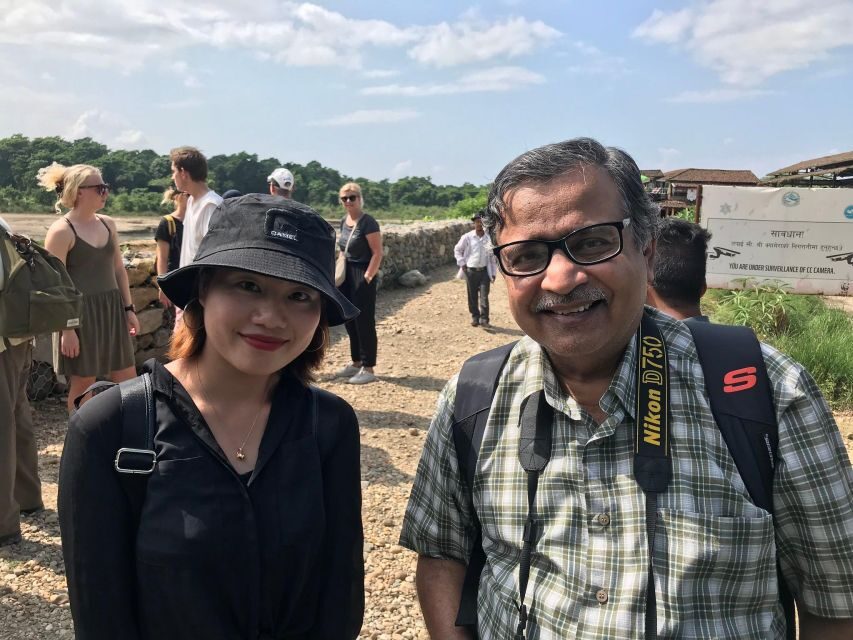
Day 2 is the day that feels most like a classic Chitwan safari—wildlife, sound, motion, and that jeep-seat anticipation.
Morning on the Rapti River by dugout canoe
You’ll head out on a traditional dugout canoe ride on the Rapti River. This is slower than the jeep, and that’s the point. You’re scanning for wildlife along the river edges: birds, and you may see creatures like crocodiles. Even if you’re not spotting big animals, the bird activity can keep your attention locked in.
The canoe ride is also a good contrast to later driving. Your eyes reset. You stop hunting for a rare sighting and start watching patterns—sunlight on water, movement at the bank, and flight directions of birds.
A few more Kathmandu tours and experiences worth a look
Midday at an elephant breeding center
Next comes the elephant breeding center. The tour’s promise is conservation learning, and you’ll see elephants up close—often described as very young animals or toddlers in particular.
Here’s the balanced part you should know before you go. Most reviews describe this visit as fascinating and conservation-minded. But one review raises serious concerns about animal treatment, saying elephants were chained and separated and were hit with sticks for not eating. That review doesn’t erase the educational value for everyone—it just means you should go in with your eyes open and decide your comfort level with this type of facility.
If ethical animal experiences matter deeply to you, treat this as the one stop where you may want to research the facility approach ahead of time (or at least mentally prepare for an experience that can feel complicated).
The 4-hour Jeep Safari in Chitwan National Park
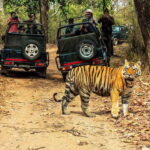
Then the day turns into a drive. You’ll do a 4-hour Jeep Safari through forest and park areas, guided and timed for maximum viewing opportunities.
What you can realistically expect:
- Rhinos: multiple reviews mention rhino sightings, sometimes more than once.
- Elephants: often seen during the off-season period too.
- Crocodiles and birds: common theme across the experience.
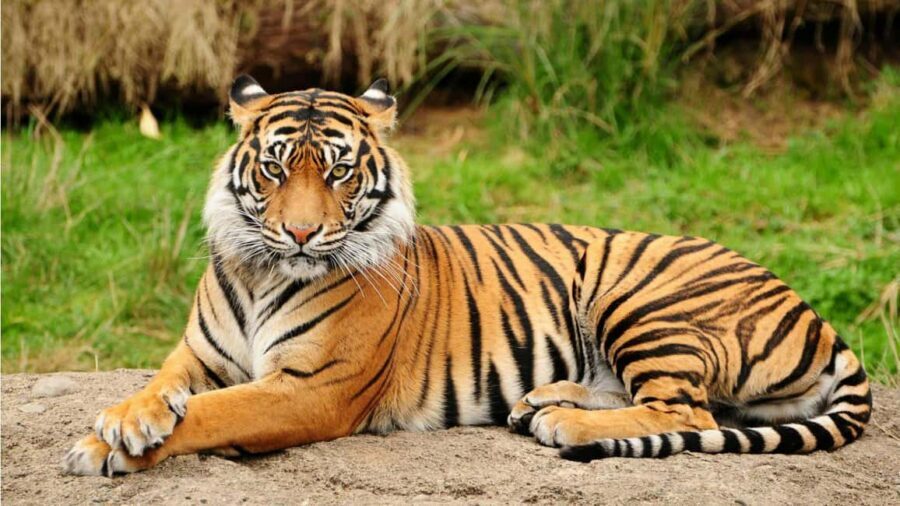
- Tigers: possible, but not guaranteed. One review notes tiger chances were lower in off-season, and they didn’t see any.
Even when big cats don’t show up, Chitwan can still deliver: footprints, calls, habitat explanations, and short sightings of other animals can be just as rewarding if your guide is strong at reading the area.
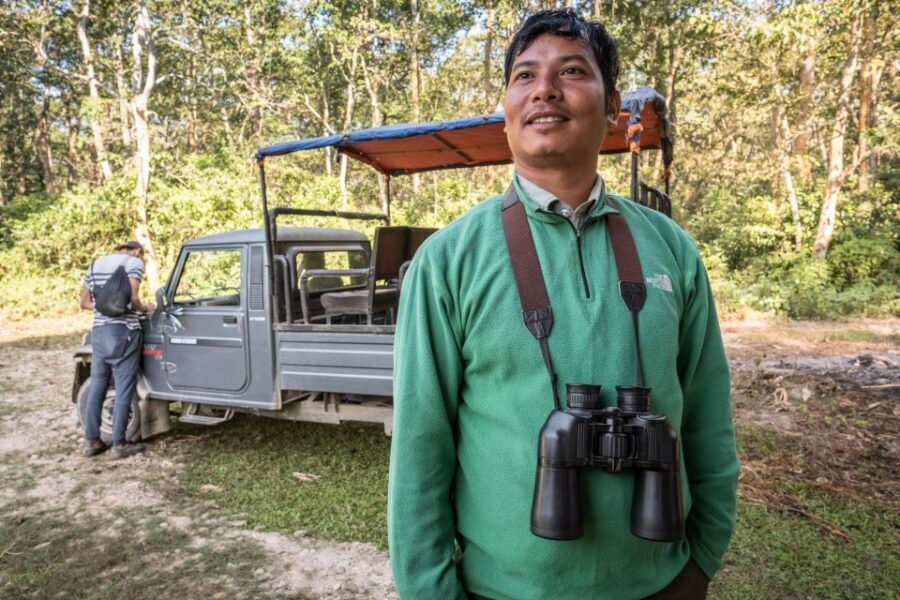
In several reviews, guides named Laxman or Som are praised for spotting animals at distance and explaining species clearly. That kind of guidance matters more than people expect. You’re not just riding. You’re learning how to look.
Wildlife expectations: what to chase and what to accept
Chasing a tiger is fun. It’s also a coin toss. The smarter way to enjoy Chitwan is to treat the day as a set of chances.
If you’re focused on what shows up most often in this kind of schedule:
- Rhinos are a frequent highlight.
- Elephants tend to appear in reasonable odds.
- Crocodiles can show up around river edges.
- Birdlife is a steady presence, especially during canoe time.
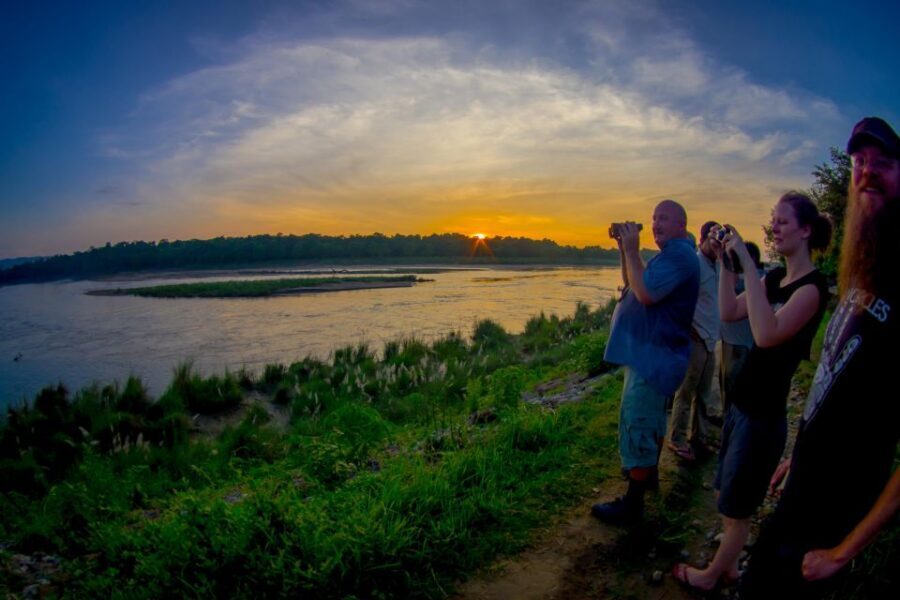
If you love photography, this is a good safari to bring patience, not just lenses. Many sightings happen quickly or at distance. A guide who can identify animals and point them out fast can turn a fleeting glance into an actual moment you’ll remember.
One more thing: the tour rules include no feeding animals and no making noise, and that’s not just for safety—it also helps animals keep doing their own thing. Follow the guide, keep the group calm, and you’ll increase your odds of seeing wildlife behaving naturally.
Where you sleep and eat: Sauraha hotel comfort, plus real meal notes
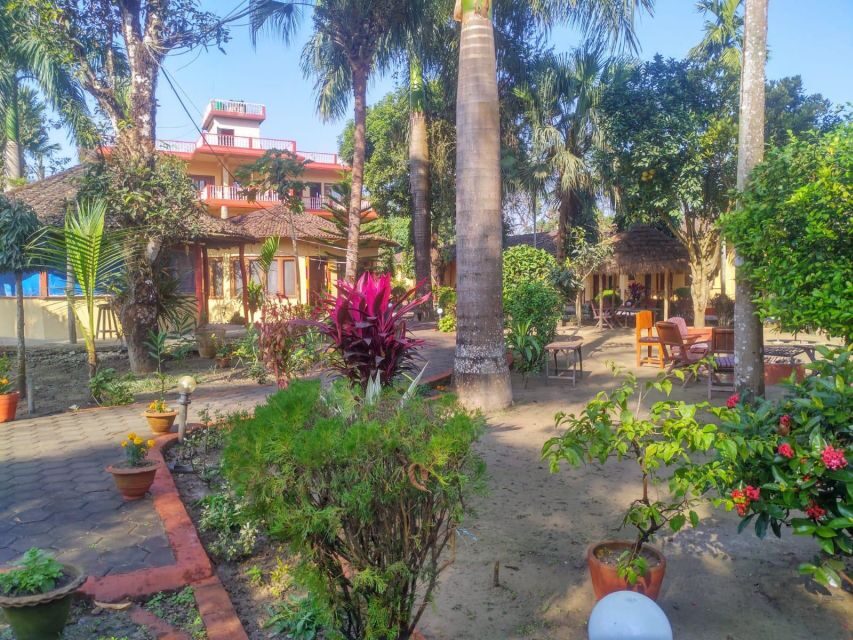
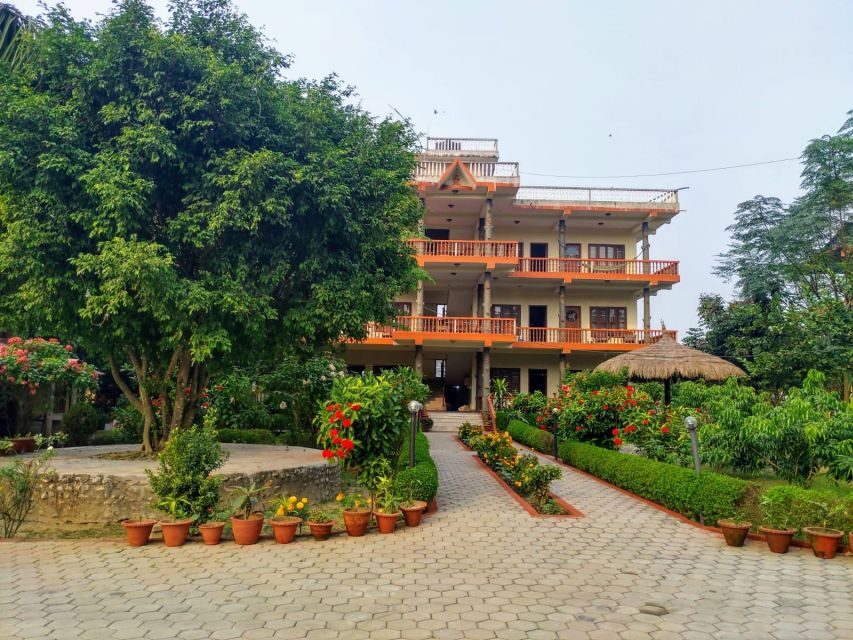
Your package includes 2 nights of hotel accommodation in the Sauraha area. Reviews frequently mention Eden Jungle Resort / Eden lodge, and the overall picture is: friendly service and a comfortable base, with room comfort that can vary a bit.
What people tend to like:
- Staff attention and friendliness
- Food that’s plentiful and generally well-liked
- Resort grounds that feel pleasant after long days
What some people flag:
- Rooms can be basic in certain cases
- Meals can feel repetitive for some visitors
- In colder months, good warmth can matter
I’d plan for a practical safari hotel experience, not a luxury retreat. You’re there to use the room for sleep, showers, and resetting between outings.
Also, one review notes tea/coffee was included in the price, which is a nice small perk when you’re waking early for canoe and jeep time.
What to pack and how to follow park rules without stress
Chitwan is hot, buggy at times, and outdoors-heavy. Your packing choices directly affect how much you enjoy the day.
Bring:
- Hat
- Camera
- Passport (copy accepted)
- Lightweight breathable clothes in neutral earthy colors like khaki or green
- Long sleeves and pants for sun and insects
- Sturdy closed-toe walking shoes
You should also plan around the tour’s behavior rules:
- No weapons or sharp objects
- No feeding animals
- No making noise
- No speakers
- No jewelry and no nudity
- No baby strollers or baby carriages
Also, some reviews mention walking safari style moments with guides. The general theme is that you walk with your guide and your safety depends on staying close and listening. Don’t treat it as casual wandering. Even if your tour includes walking sections, you’ll want to move calmly and follow instructions.
If you have mobility concerns, be aware the experience is not suitable for people with mobility impairments, and it also isn’t for children under 5 or adults over 95.
Should you book this 3-day Chitwan safari?
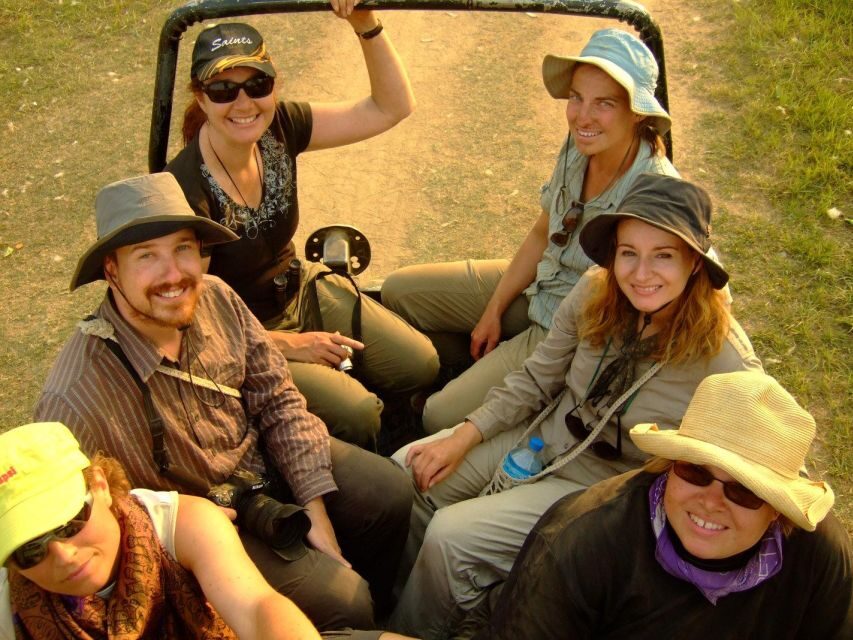
If you want a high-value introduction to Chitwan National Park with culture and wildlife packed into 3 days, I think this is a strong pick. The mix of canoe ride + jeep safari + Tharu dance gives you variety, and the package structure means you’re not juggling tickets, entry fees, and meals.
Book it if:
- You’re okay with a long bus ride and want a pre-arranged plan
- You care about seeing rhinos, elephants, crocodiles, and lots of birds
- You enjoy learning from a guide and letting them spot animals for you
Be cautious if:
- You have a strong ethical line about how elephants are kept in facilities like breeding centers (one review raises serious concerns)
- You absolutely need tiger sightings guaranteed (they are never promised in this kind of schedule)
If you do book, go in ready for the reality of wildlife—some days are about big moments, some are about patterns and smaller sightings. And when your guide is sharp, those smaller moments add up fast. Free cancellation up to 24 hours before the trip and a reserve-now, pay-later option can also make the decision easier.
FAQ
How long is the Chitwan jungle safari?
It’s a 3-day experience with 2 nights of hotel accommodation.
Do I start from Kathmandu or Pokhara?
Yes. You can choose a pickup option from Kathmandu or from Pokhara, and the tour includes transfers from your chosen starting city.
How long is the bus transfer?
The travel time is approximately 7 hours from Kathmandu and 6 hours from Pokhara, depending on road and traffic conditions.
Where do you stay during the tour?
You stay for 2 nights in a hotel in/around Sauraha, Chitwan.
What activities are included besides the jeep safari?
The package includes a Rapti River canoe ride, a Tharu Cultural Dance Show, and a visit to an elephant breeding center, along with a Tharu culture visit.
Is the jeep safari included, and how long is it?
Yes. A 4-hour Jeep Safari in Chitwan National Park is included.
What meals are covered?
Meals included are 2 breakfasts, 2 lunches, and 2 dinners.
Is there an English-speaking guide?
Yes. The tour includes a live guide in English.
How big is the group?
The group is small, limited to 10 participants.
What should I bring or wear?
Bring a hat and camera, and a passport (copy accepted). Wear breathable neutral colors and long sleeves/pants, plus sturdy closed-toe walking shoes.