REVIEW · KATHMANDU
From Kathmandu: Bungee Jumping Day Trip
Book on GetYourGuide →Operated by Alpine Club of Himalaya · Bookable on GetYourGuide
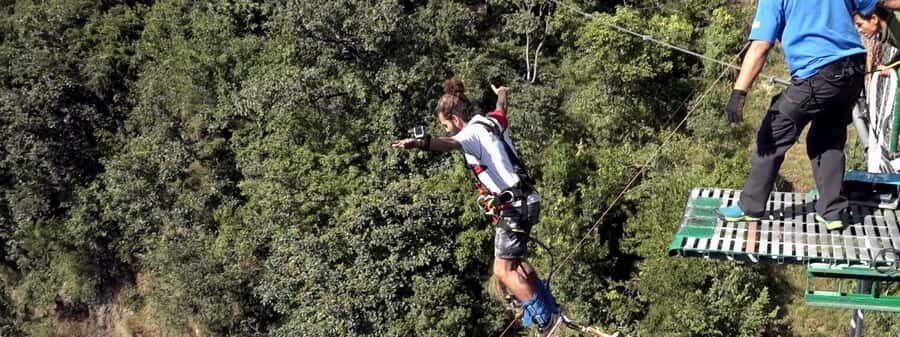
One jump, eight hours, big nerves. This Kathmandu day trip takes you to the 160-meter Bhote Koshi suspension bridge for what’s billed as the longest free-fall, with mountain views during the drive and the gorge below you.
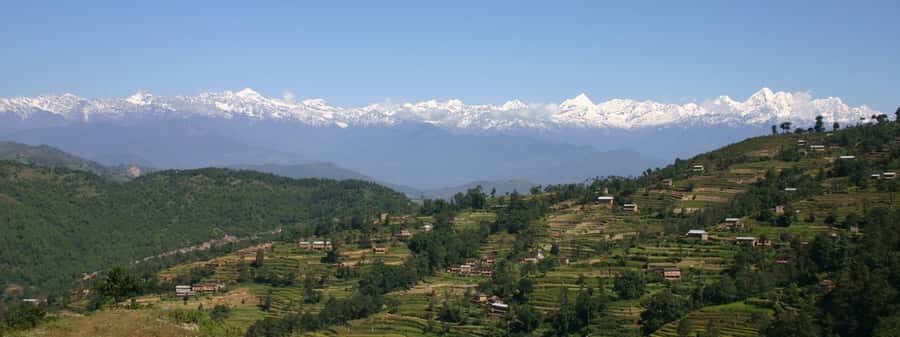
I love the weigh-in and briefing style of prep, where the rules get explained, then repeated again on the bridge. I also love the mountain views as you travel toward Nepal’s first bungee jumping site near the Nepal-Tibet border.
One thing to plan for: after the jump, you may face a steep uphill walk (reported as around 20–30 minutes), and the ride back can run long if road traffic stacks up.
In This Review
- Key things that make this bungee day trip work
- Kathmandu to the Bhote Koshi gorge: the road day that sets the tone
- The bridge setup: Swiss-designed gear and a rules-first mindset
- Your 6am start: what the day feels like hour by hour
- The jump itself: what 160 meters means in real terms
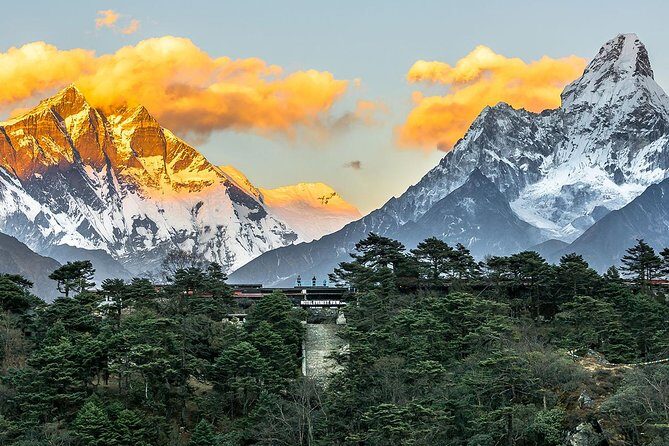
- Mountain views during the drive—and why they aren’t just filler
- After the adrenaline: lunch, the uphill walk, and how to manage it
- Price and value: is $190 fair for a 160m free-fall day trip?
- Who should book—and who should skip it
- What to bring (and what to wear) for a smooth jump day
- Should you book this Kathmandu bungee jumping day trip?
- FAQ
- How high is the bungee jump from this Kathmandu day trip?
- Where does the tour depart in Kathmandu?
- How long is the day trip?
- Is lunch included?
- What should I bring with me?
- Is travel insurance included in the price?
Key things that make this bungee day trip work
- 160m drop from a steel suspension bridge over the Bhote Koshi River gorge, close to the Nepal-Tibet border
- Swiss-designed bridge with safety built into the setup (and a structured briefing first)
- Small-group feel (up to 15 people), with an English-speaking tour guide
- Early 6am start from Thamel in Kathmandu and roughly a half-day of real-road time
- Possible extra jump styles and options like swing or different positions, depending on what’s available that day
- Lunch included, though it’s best seen as fuel rather than a highlight
Kathmandu to the Bhote Koshi gorge: the road day that sets the tone
This is a proper day trip, not a quick hop. You meet at 6am at Alpine Club of Himalaya in Thamel, Kathmandu, then settle in for about a 3-hour ride toward the jump site. The drive is part of the experience because you start to feel the scale of the Himalaya before you’re ever close to the river gorge.
The jump location sits close to the Nepal-Tibet border, and you’ll be watching mountain scenery unfold through winding roads. That matters because the moment you’re on the bridge, your brain already has a mental picture of what you’re looking at: a far drop, a fast-moving river, and steep canyon walls that make the whole thing feel huge.
The pace is straightforward: get up early, ride out, do the jump, then ride back. If you hate long car days, this won’t feel short. But if you like a full, memorable half-day that ends with a story, it fits nicely.
A few more Kathmandu tours and experiences worth a look
The bridge setup: Swiss-designed gear and a rules-first mindset
The jump happens from a steel suspension bridge spanning the Bhote Koshi River Gorge. It’s described as Swiss designed, with safety treated as a core part of the operation. The bridge is about 166 meters wide, which gives you room for the process and the viewing moment before you go.
What I appreciate is how the jump day is run like a system. Before anyone steps onto the bridge, there’s typically a check-in flow: people are weighed and briefed about the rules. Then the instructions get repeated again on-site at the bridge so you’re not relying on memory or translation.
If you’re nervous, that structure helps. You’re not guessing what happens next. You know you’ll be kitted out, you’ll hear the key points more than once, and you’ll follow the instructor’s timing. That doesn’t remove adrenaline, but it removes uncertainty.
Your 6am start: what the day feels like hour by hour
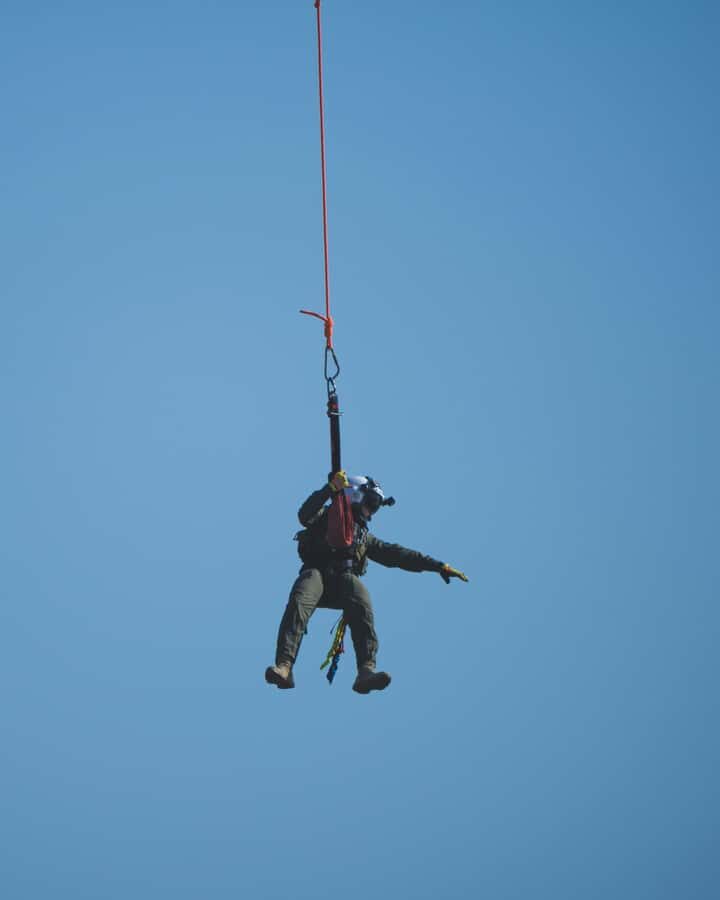
Here’s the rhythm you should expect from this 8-hour trip.
First, the morning departure from Thamel. The early start is practical because you’re traveling to a remote gorge site where everything needs to run on schedule—check-in, safety checks, and then the jump process for the group.
Then comes the road time. Plan on several hours of driving. One real-world detail I learned from how this day can play out: if a bus connection doesn’t work, the operator may arrange a private option. In one case, a travel agent named Mr. Sujan stepped in and arranged a private driver when the expected bus situation didn’t happen. The lesson for you is simple: the important thing is that the transport gets you there, even if the exact vehicle plan changes day to day.
Once you reach the site, you’ll wait until everyone arrives, then you’ll go through the weigh-in and briefing process. After that, it’s jump time. The day is built around the jump, so don’t schedule anything important before or right after your trip window. You’ll want your energy for the bridge.
After the jump, you’ll take time to regroup, then it’s lunch, and finally the return ride to Kathmandu. The drive back can be longer than the drive out when traffic slows things down; one experience mentioned a return that stretched to about 4 hours.
The jump itself: what 160 meters means in real terms
The headline is a 160-meter free-fall from the suspension bridge over the Bhote Koshi. It’s promoted as the longest free-fall in the world, and that billing matters because it changes the feeling. It’s not a quick drop that’s over before your body catches up. A 160m fall gives you time—enough time for your senses to notice the speed, the air shift, and the fact that you’re suspended over a steep gorge.
You step off a steel structure above the river, then the harness and cords do their work. The exact sensation will vary by each person’s comfort level, but the constant factor is altitude and the open canyon view.
The bridge and the briefing are designed to make the moment controlled, not chaotic. You’ll hear the rules, you’ll be told how to position yourself, and you’ll follow the instructor’s cues. That’s where safety meets adrenaline: you still get the rush, but the operation tries to keep it methodical.
Also, depending on what’s available that day, you might get options beyond a basic bungee. One account included trying a swing as well as bungee, plus different styles on subsequent attempts. You shouldn’t assume you’ll get the same number of tries or styles, but it’s a reminder that the site isn’t always just one-and-done.
Mountain views during the drive—and why they aren’t just filler
A lot of people think the views are a bonus. Here, I’d argue they’re part of the value. The ride to the gorge passes enough mountain scenery that you’re already mentally ramping up when you arrive.
That matters because the jump is visual as well as physical. Looking down into a steep canyon is one of the most intense parts of this kind of activity. If the scenery is clear, you get a stronger sense of depth and scale. If it’s hazy or overcast, you still get the height and the river setting, but the drama can feel different.
Either way, the views make the day feel less like a single transaction. You’re not just traveling to do a stunt—you’re traveling through the Himalayan foothills and toward one of Nepal’s most famous adrenaline sites.






After the adrenaline: lunch, the uphill walk, and how to manage it
Once you’re done, you’re usually not finished with the physical part of the day. There can be a walk involved after your jump. One account described a steep uphill hike of about 20–30 minutes after the swing/bungee session, so you should treat the day like an active outing even if the headline is the bridge.
This is where practical preparation pays off. Wear sports shoes with grip and enough support for uneven ground. If you wear slippery sandals or shoes with no tread, you’ll feel it during the uphill portion.
Lunch is included. It’s described as not particularly special, but that’s actually good news for your expectations. You’re getting calories after an adrenaline session, and that’s what you want. Treat it as refueling, not as a meal you’ll remember forever.
Then you roll back toward Kathmandu. If you hate traffic uncertainty, keep your evening free. The return ride can run into more time than you’d plan on, because road conditions and congestion can slow things down.
Price and value: is $190 fair for a 160m free-fall day trip?
At $190 per person, this is not a budget activity. But the price includes a lot of the stuff that makes long-distance day trips more expensive in practice.
What you’re paying for:
- Round-trip private ground transport (described as by private car)
- Safety equipment for bungee jumping
- An experienced English-speaking tour guide
- On-the-ground operational costs (driver support, meals and accommodation for staff are included per the package details)
- All necessary charges and government/service taxes included in the tour price
- Lunch after the jump
What’s not included is also clear: your Nepal entry visa fees, international airfare, and—importantly—travel insurance including evacuation. That last part matters because bungee and gorge settings are exactly the kind of activity where you want coverage that makes you feel protected.
So is $190 good value? For me, it becomes a good deal if you want a guided, safety-focused day with private transport and you don’t want to piece together logistics on your own. If you’d rather manage your own ride to the gorge and handle safety rules independently, you might spend less by going off-script. But that also means less hand-holding and more uncertainty.
This package is built for convenience and control. In a place where you’re doing a high-risk thrill, that convenience is often worth paying for.
Who should book—and who should skip it
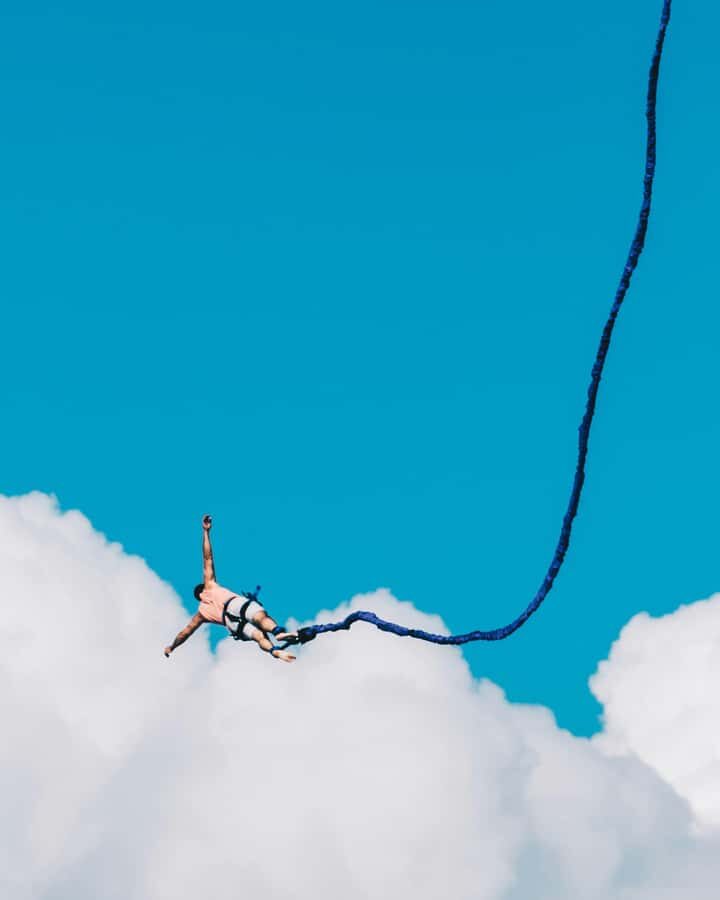
This tour suits you if:
- You’re comfortable with heights and want the 160m free-fall experience from a suspension bridge
- You like a small group setup (limited to 15 participants)
- You want an English-speaking guide and a structured safety briefing
- You’re okay with an early start and several hours of driving each way
It’s not a fit if:
- You use a wheelchair (explicitly not suitable)
- You don’t want the possibility of a steep walk uphill after the jump
- You’re traveling with pets (pets are not allowed)
If you’re on the fence, think about your comfort with two things: the bridge itself (height) and the post-jump movement (walking uphill). If you’re good with both, the day is likely to feel manageable even if your heart rate spikes.
What to bring (and what to wear) for a smooth jump day
Bring:
- Passport (required)
- Comfortable clothes
- Sports shoes
A few practical tips based on how the day works:
- Wear shoes you can walk in for an uphill return, not just shoes meant for a flat city stroll.
- Keep your outfit simple so you can follow the gear process quickly during check-in.
- If you’re carrying small items, plan to keep them controlled during the bridge stage. Loose distractions don’t help when you’re trying to follow instructions.
Also note: pets aren’t allowed, and the tour is English-language with a live guide.
Should you book this Kathmandu bungee jumping day trip?
Book it if you want a guided, safety-structured route to one of Nepal’s most famous adrenaline experiences: a 160-meter free-fall over the Bhote Koshi from a Swiss-designed suspension bridge. The small group size, English-speaking support, private transport, and included lunch make this feel like a complete day—not a do-it-yourself project.
Skip it if you have mobility concerns for the uphill walk after jumping, if the early start and long drive don’t work with your stamina, or if you’re uncomfortable with height exposure.
If you’re choosing between doing this via a packaged day trip versus trying to DIY transport, I’d lean toward the package for one reason: the jump day depends on timing and procedure, and you’ll want the rules to run smoothly when you’re standing over a gorge.
FAQ
How high is the bungee jump from this Kathmandu day trip?
The jump is from a bridge about 160 meters above the Bhote Koshi River.
Where does the tour depart in Kathmandu?
You meet at Alpine Club of Himalaya in Thamel, Kathmandu at 6am.
How long is the day trip?
The tour duration is listed as 8 hours.
Is lunch included?
Yes, lunch is included after the bungee jumping session.
What should I bring with me?
You should bring your passport, comfortable clothes, and sports shoes.
Is travel insurance included in the price?
No. Travel insurance, including evacuation, is not included.