In This Review
- First impressions
- Quick take: what to expect
- Why Lawudo Gompa feels different from a standard Everest trek
- Price and logistics: what $970 covers (and what it doesn’t)
- Day 1 in Thamel: setting your Kathmandu footing
- Day 2 at Swayambhunath: old Kathmandu plus practical context
- Days 3–4 to Phakding and Namche: Lukla, the Dudh Koshi, and steady acclimatization
- Day 5 Everest Panorama rest day: turning acclimatization into meaning
- Day 6: the 5-hour climb into Lawudo Gompa country
- Days 7–8 at Lawudo Gompa: slow time, cave culture, and the option to practice
- Day 9 back to Monjo: letting the mountains guide your descent
- Day 10 to Phakding, then Day 11 toward Lukla: the pre-flight grind
- Day 12 free day in Kathmandu: weather wins, and you still win time
- Day 13 airport day: plan to be early
- What the guide team does right (and why it shows up in the reviews)
- Who should book this trekking retreat (and who should reconsider)
- Practical tips to make the trek feel smoother
- Should you book Lawudo Gompa Retreat Trekking?
- FAQ
- What does the tour include in Kathmandu?
- Are meals included during the trek?
- Is the flight to Lukla included?
- What activities are included besides trekking?
- How physically demanding is the trek?
- What happens if weather disrupts the trip?
First impressions
A remote retreat changes your pace. This 13-day Lawudo Gompa Retreat Trekking pairs classic Everest-region trekking with quiet time at Lawudo Gompa, the meditation cave area of Lama Zopa, far from the usual tourist crush. I like the way the itinerary is built around real Himalayan life: teahouses, village trails, and small-monastery hospitality, not just photo stops.
Two things I really like: the spiritual focus at Lawudo (including time near Lama Zopa’s meditation cave and Lawdo Lama’s cave site), and the hands-on support from the team led by owner Amber and guide Pemba. One possible drawback to plan for: flights and weather can affect timing, so you’ll want a flexible mindset for days that act as buffers.
Quick take: what to expect
You’re not doing a high-speed “checklist” trek. You’ll walk enough to earn the views, then slow down for meditation culture and a slower rhythm at Lawudo before heading back down toward Lukla.
Key points I’d highlight before you book
- Lawudo Gompa is the centerpiece: a retreat cave and small huts run by people connected to Kopan Monastery, with mountain views.
- You get Everest context without living at Base Camp altitude: Namche Bazaar plus an Everest view day used for acclimatization.
- Meals are built in: 7 breakfasts, 7 lunches, and 8 dinners reduce logistics stress.
- Your Kathmandu time has purpose: Thamel orientation plus Swayambhunath and older Kathmandu sections.
- Support feels personal: reviews cite patience, safety focus, and that schedule changes were handled carefully.
- Private-group feel: the trip is private for your group, and group discounts may apply.
You can also read our reviews of more hiking tours in Kathmandu
Why Lawudo Gompa feels different from a standard Everest trek
Most Everest itineraries are built around big milestones: Lukla flight, Namche climbs, then a push toward famous viewpoints. This one keeps that early structure, then quietly shifts gears when you reach Lawudo Gompa, the meditation spot of Lama Zopa connected to Kopan Monastery.
What makes Lawudo special is the setting and the people. It’s far from the nearest village—described as at least an hour walk away—so the atmosphere stays calm. The monastery area and huts are set up specifically to host visiting guests, and the site is cared for by Lama Zopa’s sister and a small group of devotees. That means you’re not just hiking to a photo point; you’re visiting a place that still functions as a retreat.
You’ll also get a cultural layer that’s often missing from commercial trek routes. There’s time at the cave area where Lawdo Lama is said to have meditated nearly a hundred years ago, plus opportunities for meditation or yoga if you practice. Even if you don’t, the slow schedule and the quiet environment change how you experience the mountains.
Price and logistics: what $970 covers (and what it doesn’t)
At $970 per person, this trek is priced as a guided package with real inclusions. You get Kathmandu airport pickup and drop, plus an air-conditioned vehicle during sightseeing. Meals are largely taken care of—7 breakfasts, 7 lunches, and 8 dinners—which matters when you’re tired from walking and you don’t want to negotiate or hunt for food.
The tour also includes admissions for some Kathmandu stops (like Swayambhunath) and offers a mobile ticket. There are also mentions of group discounts and a private-group setup, which can be a big deal if you’re traveling with friends or family and want things paced to your group.
What’s not included is the part that can surprise people: international insurance, alcohol, bottled beverages, and (importantly) the Kathmandu–Lukla/Ramechhap and return airfare. The itinerary also doesn’t list any private ground transport for those flight days outside Kathmandu. So when you budget, treat the $970 as the guided-operations core plus meals and local logistics, and treat the mountain-air portion as separate.
Value check: if you want a trek that spends real time on culture and retreat life, this package makes sense. If you only care about distance, high viewpoints, and moving fast, you may feel the extra focus on Lawudo time is “more culture than challenge.”
Day 1 in Thamel: setting your Kathmandu footing
Your trip starts in Thamel, Kathmandu’s main base area for trekkers. You’ll meet the staff, get oriented, and rest after arrival. This kind of first day is not glamorous, but it’s useful. It gives you time to sort questions, confirm gear basics, and avoid scrambling on Day 2.
The included admission ticket on Day 1 suggests you’re not just wandering—there’s a planned start. It’s also nice that the tour includes airport pickup and an air-conditioned vehicle for Kathmandu sightseeing. After a long travel day, that small comfort can prevent stress.
Day 2 at Swayambhunath: old Kathmandu plus practical context
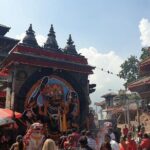
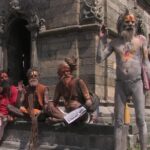
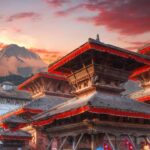
Day 2 is a half-day of Swayambhunath Temple, plus older sections of Kathmandu. This is a good choice because it gives you a mental map of the city before you leave for the mountains. Swayambhunath also helps you connect what you’ll later see at Buddhist sites in the trek.
There’s also rest built in—half-day touring, then you slow down. That matters because tomorrow includes a flight out to the mountains. If your body is already tired, this kind of pacing is a gift.
Days 3–4 to Phakding and Namche: Lukla, the Dudh Koshi, and steady acclimatization
On Day 3 you take a short early-morning flight to Lukla and start trekking. The route runs about three hours to Phakding, where you sleep at a local teahouse. This first trek day is short enough that you can focus on rhythm rather than suffering.
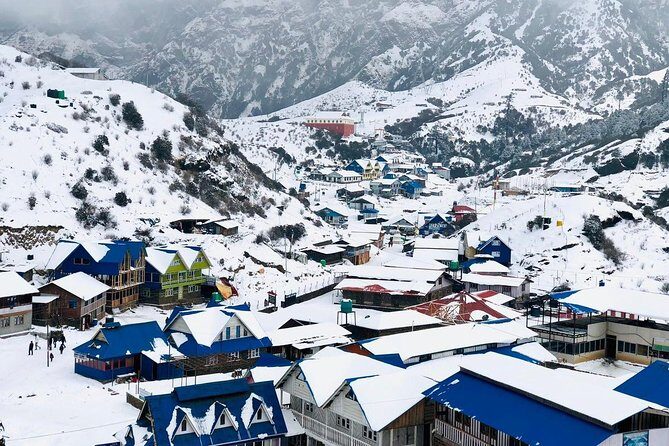
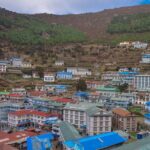
Day 4 continues along the Dudh Koshi River to Monjo and then climbs to Namche Bazaar. This is where the trek starts to feel like real trekking: the river valleys help you warm up, then the Namche hill ascent forces your breathing to settle into a steady cadence.
This two-day start is practical for most fitness levels. You get enough walking to feel the trail, while still having time to adjust before higher settlement areas.
Day 5 Everest Panorama rest day: turning acclimatization into meaning
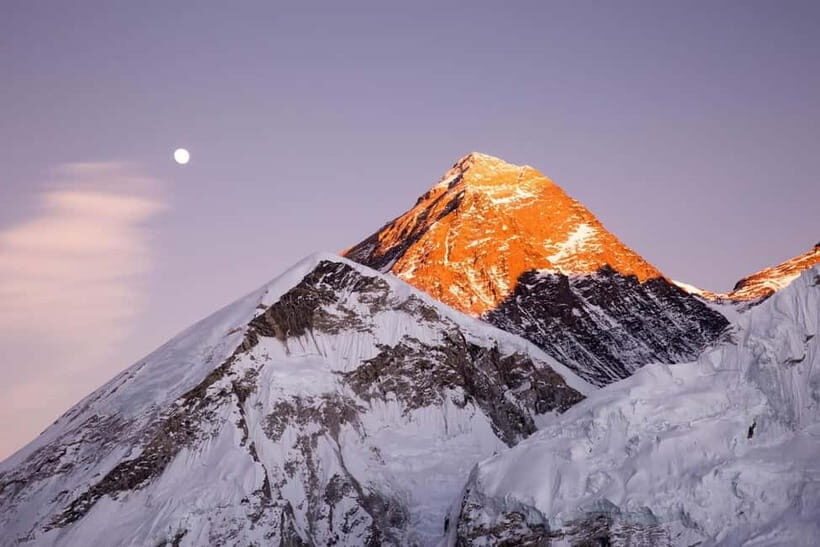
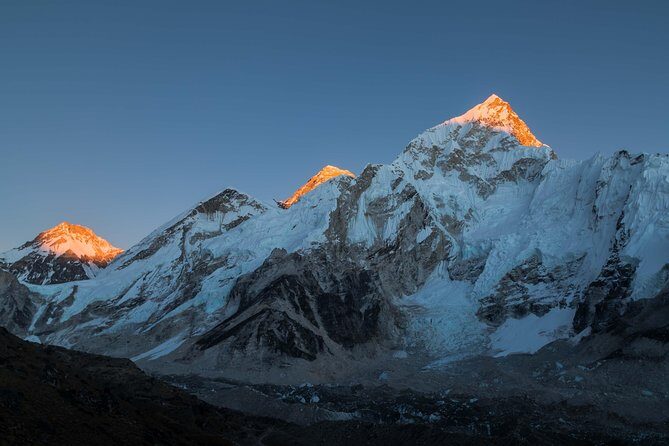
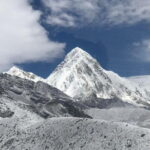
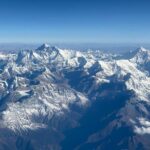
Day 5 is an acclimatization/rest day, which you’ll feel in your legs the moment it starts. But it doesn’t mean wasting the day. You’ll do a short walk—about 20 minutes—from your lodge to an Everest view point, plus visits to a museum and Buddhist center, and time at the market.
This approach is smart because it keeps you moving gently. It also gives the Everest region a cultural frame, not just a summit fantasy. Even if weather limits distant views, the market and local museum content still helps you understand what you’re trekking through.
Day 6: the 5-hour climb into Lawudo Gompa country
Day 6 is the big mood shift. You trek around 5 hours, with a partly gentle walk followed by uphill. You arrive at Lawudo Gompa, described as set apart from the nearest village, with the monastery, huts, and the meditation cave area providing the retreat setting.
This is one of those days where you should stop thinking like a tourist and start thinking like a hiker. The uphill segment at the end is where your legs get the message. Pace matters: keep it steady, breathe, and save energy for the quieter days that follow.
What you’ll likely notice on arrival is silence and elevation atmosphere. The area’s design supports visitors staying near the cave meditation environment rather than sprinting back out the same day.
Days 7–8 at Lawudo Gompa: slow time, cave culture, and the option to practice
Day 7 is a lighter day in terms of walking, but it’s rich in experience. You can take it easy and visit the cave area of Lawdo Lama, where he meditated nearly a hundred years ago. This is where the trekking stops feeling like a route and starts feeling like a retreat.
Day 8 continues that slow rhythm. If you practice meditation or yoga, the location supports your practice. If there’s a regular teaching during your visit, you might be able to join for the day. The itinerary doesn’t promise a specific teaching schedule, so treat that as an option, not a fixed appointment.
A big reason people rate this kind of trek so highly is simple: your days are structured to reduce noise. When you’re away from the hustle of the Everest crowds, you’re more likely to notice your own body, your thoughts, and the quiet around you.
Day 9 back to Monjo: letting the mountains guide your descent
After breakfast on Day 9, you trek down from Lawudo toward Namche Bazaar and continue to Monjo, with about 5 hours of walking. Going down after a retreat stay often feels easier than the uphill, but don’t underestimate it. Your knees will still do work, especially if you’re tired.
This day also reintroduces you to the broader trekking circuit. It’s a practical transition: you’re moving away from the retreat stillness, toward teahouse life again.
Day 10 to Phakding, then Day 11 toward Lukla: the pre-flight grind
On Day 10 you go down to Phakding where you spend the first night of the trek route on the return. Then you continue to Lukla.
Day 11 deals with flight reality. In busy seasons, flights can be via Manthali instead of Kathmandu. If that happens, the flight is shorter, followed by a longer drive to Kathmandu (around 4 hours). If you fly direct to Kathmandu, you’re in Kathmandu by about 10AM.
This is exactly the part of trekking that tests patience. The good news is you’re not stuck with random waiting. The schedule explicitly plans for weather and flight uncertainty by structuring Day 11 and then giving you extra flexibility later.
Day 12 free day in Kathmandu: weather wins, and you still win time
Day 12 is a free day in Kathmandu, meant for unpredictability in flights. That’s not wasted time; it’s a smart pressure-release valve. You can rest, revisit a shop area, or just catch up on sleep after the mountain days.
This is also where the itinerary feels considerate. Instead of pretending flights always behave, it builds a buffer and gives you room to handle delays without turning your whole trip into a frantic airport scramble.
Day 13 airport day: plan to be early
The final day brings you to Tribhuvan International Airport. You should plan to reach about three hours before your flight. The itinerary includes about 4 hours, so you’re not rushing out the door with sweaty nerves and incomplete packing.
What the guide team does right (and why it shows up in the reviews)
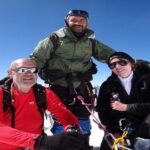
The standout praise in the feedback centers on organization and care. People highlight that Amber and the team made schedules work even when changes were needed, and that the guide support felt attentive and patient.
You’ll also see a consistent theme of safety priority. One review specifically mentions that even with weather issues like rain, the team handled things with diligence. Another mentions support for an older trek participant (age 67) who was also recovering after covid, with discreet help along the way.
That doesn’t mean this trek is easy. It means the team treats the human side seriously: pacing, guidance, and the small decisions that prevent problems from growing.
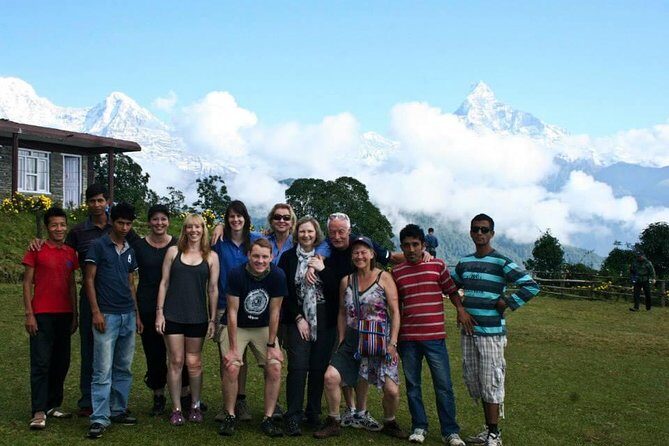
And guide names come up in the same way: Amber is described as the owner who explains the itinerary details and helps with planning, while Pemba is mentioned as a guide who supported day-to-day needs. You’re not just buying a route; you’re buying a team.
Who should book this trekking retreat (and who should reconsider)
This trek is a good fit if you want more than Everest scenery. If you care about Buddhist retreat culture, quiet mountain atmosphere, and a schedule that values rest as much as hiking, Lawudo Gompa is the reason to book.
You’ll also appreciate the included meals and Kathmandu transport, because trekking already demands enough logistics work. The trip calls for moderate physical fitness, which usually means you can hike uphill and handle multi-hour days without expecting daily flat walks.
Think twice if you need a very fast itinerary or you dislike uncertainty. Flights can shift (Kathmandu vs Manthali), and weather affects schedules. If you get stressed by that, the free day buffer helps, but it still requires flexibility.
Practical tips to make the trek feel smoother
I suggest packing with the reality that you’ll be in teahouses and simple retreat huts. Bring layers you can adjust as you climb and cool down. Also, plan for feet and hands: trekking demands consistent socks, and shoes that grip well on trails.
For the Lawudo days, set expectations that it’s a retreat environment. Keep your pace calm, follow the guidance of your host team, and respect the quiet. Even if you don’t meditate, the setting works best when you treat it as a place of practice rather than a sightseeing stage.
Should you book Lawudo Gompa Retreat Trekking?
If your dream trip includes walking with purpose and then slowing down at a real retreat cave, this one is worth serious consideration. The value is in the blend: Kathmandu context, Namche and Everest-region views, then a meaningful shift to Lawudo Gompa’s spiritual setting.
I’d book it if you want an experience that feels cared for, with strong guidance and safety focus. I’d hesitate if your budget only allows you to chase the easiest possible route or if you can’t handle weather-driven schedule changes.
If you fit the sweet spot—moderate fitness, curiosity about Himalayan Buddhist culture, and patience for mountain travel—Lawudo Gompa is the kind of trek that stays with you long after the trail dust settles.
FAQ
What does the tour include in Kathmandu?
You get airport pickup and drop plus an air-conditioned vehicle during Kathmandu sightseeing. Thamel is used for arrival and rest, and Swayambhunath Temple visits are part of the included sightseeing.
Are meals included during the trek?
Yes. The package includes 7 breakfasts, 7 lunches, and 8 dinners.
Is the flight to Lukla included?
No. Kathmandu–Lukla/Ramechhap–Kathmandu airfare is not included.
What activities are included besides trekking?
The itinerary includes Kathmandu sightseeing (including Swayambhunath Temple) and a Namche-area day used for an Everest view point, a local museum and Buddhist center, and the local market.
How physically demanding is the trek?
It’s designed for people with moderate physical fitness. The walking includes several multi-hour trek days, including a 5-hour day with an uphill finish when reaching Lawudo Gompa.
What happens if weather disrupts the trip?
The experience requires good weather. If it gets canceled due to poor weather, you’ll be offered a different date or a full refund. The itinerary also includes a free day in Kathmandu as a buffer for flight unpredictability.