REVIEW · KATHMANDU
Kathmandu Heritage Tour – Private Full-Day UNESCO Sites & Temples
Book on Viator →Operated by Himalayan Recreation Treks & Expedition Pvt.Ltd · Bookable on Viator
Kathmandu’s temples compress a whole country into one day. This private tour links UNESCO World Heritage sites you’d normally spread over several trips, with a guide to explain what you’re looking at and why it matters. You also get a real-world dose of how the 2015 earthquake reshaped parts of the valley’s monuments.
What I like most is the pacing and the guide time. You cover the big names—Swayambhunath (Monkey Temple), Kathmandu Durbar Square (with the Kumari), Pashupatinath, and Boudhanath—without feeling like you’re just following a checklist. And from feedback, guides such as Krishna, Jamuna, Janina, and SuJan are praised for clear English, patience, and smooth routing through traffic.
One drawback to plan for: entrance fees are not included, and costs can sting if you don’t budget ahead. Some people got surprised by add-on site fees, plus lunch and small tips.
In This Review
- Key highlights you can count on
- Why Kathmandu’s UNESCO temples work as a private full day
- Price and logistics: what $60 really buys you
- Swayambhunath hilltop start: monkeys, stupa views, and a smart opener
- Kathmandu Durbar Square and Kumari Chowk: royal architecture and the living goddess
- The short stops that add flavor: Basantpur Dabali and Hanuman Dhoka
- Pashupatinath Temple and the crematoria: sacred Hindu ritual up close
- Boudhanath Stupa: the softer Buddhist pause after Kathmandu’s intensity
- Garden of Dreams: a rare calm break in the middle of temples
- Earthquake damage reality check: why the tour includes a 2015 context
- Entrance fees and lunch budgeting: avoid the wallet shock
- Guides make or break the experience: Krishna, Jamuna, Janina, SuJan
- Getting around Kathmandu traffic without losing your day
- Who should book this Kathmandu Heritage Tour?
- Final verdict: should you book?
- FAQ
- How long is the Kathmandu Heritage Tour?
- What is included in the tour price?
- Are entrance fees included?
- Is food included?
- Which major UNESCO sites are visited?
- Is this tour private?
- Can I cancel for a full refund?
Key highlights you can count on
- Private guide and vehicle with hotel pickup and drop-off in Kathmandu
- Swayambhunath hilltop views plus a classic start at a Buddhist landmark
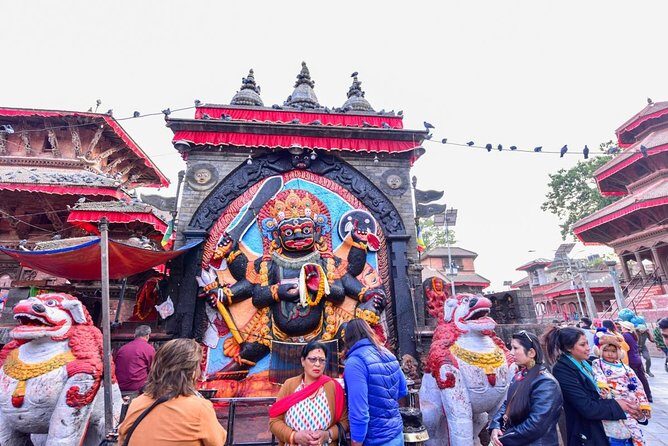
- Kathmandu Durbar Square + Kumari Chowk for living goddess tradition and royal-era carvings
- Pashupatinath Temple and the crematoria area for Hindu ritual you’ll see with context
- Boudhanath Stupa for a calmer Buddhist stop after the busier squares
- Garden of Dreams as a quiet, atmospheric breather in the middle of a long day
Why Kathmandu’s UNESCO temples work as a private full day
Kathmandu Valley is the kind of place where timing matters. Sacred sites cluster in a few zones, and traffic can turn a simple plan into a long slog. A private, full-day route keeps you moving while giving you stops that actually make sense together.
The value here is not just ticking UNESCO boxes. It’s that you’re getting a guided walkthrough of what each site represents—Buddhist and Hindu traditions side by side, plus the way visitors are expected to behave in those spaces. If this is your first time in Kathmandu, this tour can help you understand the city’s “map” fast, so the next days feel less like wandering.
Also, this isn’t a huge group experience. The tour caps at 10 people, and it’s private to your party, which usually means fewer time-wasters and more flexibility if you want a slower moment for photos.
You can also read our reviews of more private tours in Kathmandu


Price and logistics: what $60 really buys you
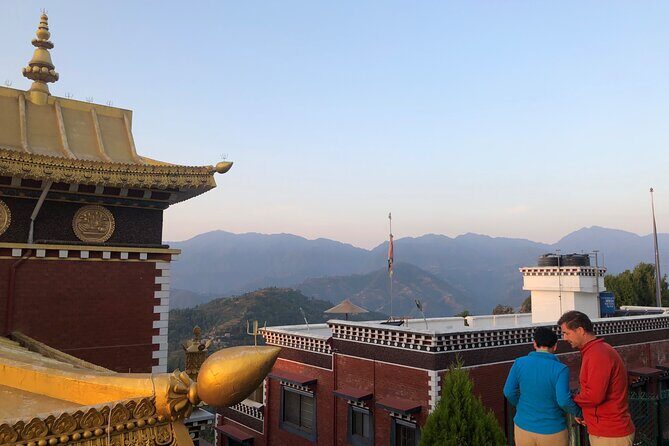
At $60 per person, you’re mostly paying for structure. You get hotel pickup and drop-off, bottled water, and a private guide with a private vehicle. That’s a lot of practical help in Kathmandu, where “figuring it out” can cost time and patience.
But you should treat the headline price as the start, not the final bill. Entrance fees are at your expense, food isn’t included, and there can be a bit of spending for lunch and optional add-ons. One helpful thing from the tour info: they explicitly note you should expect around $10 USD for lunch purchased locally, which is more useful than vague promises.
What’s also worth knowing: the day is listed as 5 to 8 hours, and the itinerary is action-heavy. If you’re the type who wants long museum breaks, you may need to adjust expectations. If you want a strong first-day overview, this format is built for you.
Swayambhunath hilltop start: monkeys, stupa views, and a smart opener
Starting at Swayambhunath is a good move. It’s a hilltop Buddhist site where you get an immediate city view, and you’re instantly in the rhythm of Kathmandu’s spiritual tourism. Expect stairs, crowds at peak moments, and lots of photo ops—including the monkeys.
Your guide’s job here matters. A hilltop temple can look like a postcard if you don’t know what you’re seeing. With a guide, you’re less likely to just snap photos and move on. Instead, you get the story of why this is considered one of Nepal’s main Buddhist sites and why it draws visitors.
A practical caution: because it’s a popular place, it can feel busy even in a private tour. Build in time for slow steps and respectful movement. If you’re sensitive to close-up animals or fast-moving foot traffic, tell your guide early so they can adjust the pace.
Kathmandu Durbar Square and Kumari Chowk: royal architecture and the living goddess
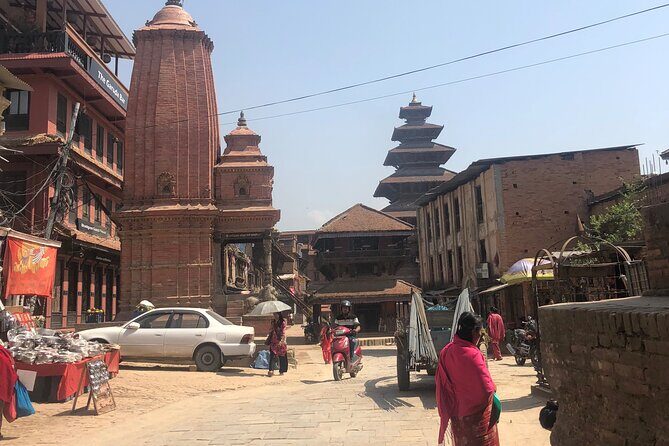
Next comes the part many people remember most: Kathmandu’s Durbar Square, with the Kumari tradition at Kumari Chowk. This is the kind of UNESCO site where you don’t just look up at details—you keep noticing more carvings the longer you stand there.
From the feedback, the Kumari window moment can be surprisingly emotional, even if you’re not expecting it. One review described waiting at the right time and seeing the living goddess appear briefly at the window—odd, awe-filled, and unforgettable.
Here’s the value of doing this with a guide. Without context, the palace square can turn into a blur of stone and crowds. With a guide who explains the role of the living goddess and the royal-era purpose of the square, it becomes clearer why people gather and what traditions people are honoring.
The trade-off is time pressure. Durbar Squares are visually dense, and your day is full. If you’re a slow photographer, ask your guide to set aside an extra minute at the moments that matter most to you—like the Kumari area—rather than spreading time evenly across every corner.
The short stops that add flavor: Basantpur Dabali and Hanuman Dhoka
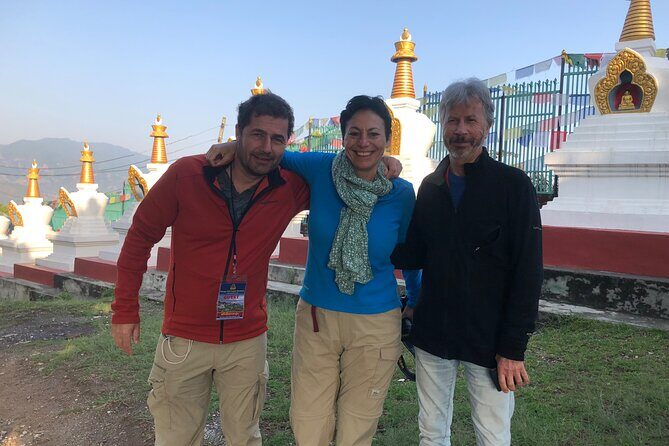
Not every stop needs an hour to be meaningful. The tour includes small but useful moments such as Basantpur Dabali, described as a very old tourist center with Hindu temple features. It’s the kind of stop that helps you feel the “human scale” of Kathmandu between the big landmarks.
Then there’s Hanuman Dhoka, tied to the monkey god Hanuman. The square includes a section where real monkeys live, and that blends myth with street-level reality in a way only Kathmandu can manage. Again, a guide helps you not miss what you’re seeing while you navigate around worshippers and curious photo-seekers.
One consideration: short stops can feel rushed if your day already feels packed. If you want lingering time, it’s smart to tell your guide what you’d rather prioritize—temple details, street views, or fewer places with more time in each.
You can also read our reviews of more historical tours in Kathmandu

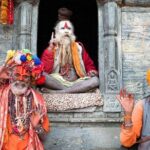
Pashupatinath Temple and the crematoria: sacred Hindu ritual up close
Pashupatinath is the big spiritual center for many visitors, and it’s also the stop that tends to change people’s perspective. The tour includes a full visit and then follows with the crematoria area. Yes, that sounds heavy—and it is. But the point is not shock. It’s understanding.
A review summed it up well: people come with reverence, and the experience feels more solemn than sensational. If you go with the right mindset, you’ll likely leave with empathy and context, not just a “morbid photo story.”
Practical note: Pashupatinath has strict expectations for respectful behavior around worship. Your guide will help you navigate where you can stand and how to observe appropriately. If you’re unsure about dress code or how close you should be, ask your guide before entering crowded sections.
Also, this is one of the stops where traffic and timing can affect your stress level. If you want a calmer experience, request a pace that lets you step aside when the crowd thickens.
Boudhanath Stupa: the softer Buddhist pause after Kathmandu’s intensity
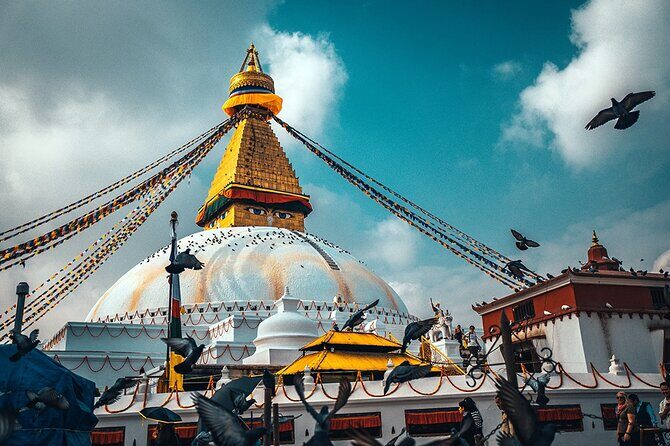
After Pashupatinath, Boudhanath Stupa offers a different rhythm. It’s a major Buddhist landmark described as about 2,500 years old, built in the 5th century, and marked by the four pairs of eyes that look in four directions.
This stop is valuable because it shifts the mood. Durbar Square and Pashupatinath are visually and emotionally intense. Boudhanath tends to feel more like a steady place—people moving at a slower speed, prayers happening around you, and the stupa dominating your field of view.
You’ll spend about an hour here. That’s usually enough to walk the area, watch how devotees circulate, and get a feel for the scale. With a guide, you’ll understand the symbolism behind the stupa and why people treat it as an anchor point in daily worship.
Garden of Dreams: a rare calm break in the middle of temples
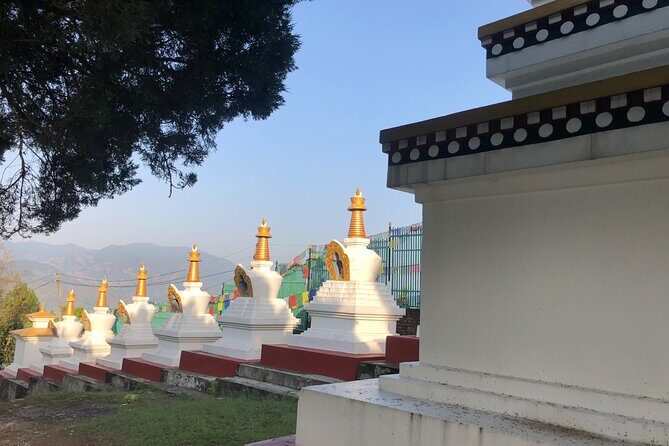
The tour also includes Garden of Dreams, a neo-classical historical garden in Kathmandu. It’s designed with formal, European-style elements like paved perimeter paths, which makes it a nice counterbalance to the religious sites.
I like including this type of pause because it prevents “temple fatigue.” When you’ve been climbing stairs and standing in crowds for hours, your brain needs a reset. A garden stop doesn’t replace the spiritual sites—it helps you process them.
If you’re short on time, treat this as a breather, not a long stroll. You’ll likely get more from the day overall if you use it to recharge rather than turning it into another hour of sightseeing.
Earthquake damage reality check: why the tour includes a 2015 context
The tour notes significant damage to some sites due to the April and May 2015 earthquakes. That matters, because Kathmandu’s heritage is not frozen in time. You’ll likely see areas affected by repairs, closures, or altered access.
A guide can turn this from a depressing detail into a clearer understanding of resilience. Instead of just saying a site is damaged, your guide can explain what you should look for now—how rebuilding changed how people interact with the monument.
This is also why private guiding helps. If you’re reading signage only, you might miss the bigger story. With a guide, you get the human layer behind the restoration efforts and what visitors should expect to see today.
Entrance fees and lunch budgeting: avoid the wallet shock
Here’s the most practical part, because this is where surprise usually happens. Entrance fees are not included, and multiple reviews mention add-on costs per site. One review described paying around $10 to $15 for many sites (with one lower fee), bringing entrance spending to roughly $60 total on their day.
If your starting price is $60, that means your real “all-in” cost can be more. The lesson: plan for entrance fees as a separate line item from the tour price. Also plan for lunch, which they estimate around $10 USD locally.
Two smart moves:
- Ask your guide (or confirm in advance) what entrance fees you should expect for the specific stops that day.
- Keep some cash on hand just in case, since site payment systems can vary. (Your guide will often help, but don’t rely on that.)
This isn’t the tour company being tricky. It’s just how temple access works in Kathmandu. But it is worth budgeting so you don’t end the day grumbling in traffic.
Guides make or break the experience: Krishna, Jamuna, Janina, SuJan
The reviews are consistent on one thing: the guide quality is the heart of the day. Names that come up include Krishna, Jamuna, Janina, and SuJan. People praised guides for fluent English, patience, and keeping a calm pace even when they were taking lots of photos.
One standout theme is how guides explain meaning, not just facts. A first-time visitor benefits most when you’re told what a monument represents and what you’re supposed to notice. If you’ve ever walked through a temple without understanding why the details mattered, you know how much that affects the whole experience.
Another theme is pacing. Reviews mention guides who didn’t rush and who adjusted based on your preferences. That matters on a full-day route with stairs, crowds, and traffic.
If you want the smoothest day, be explicit about your priorities when you meet your guide: architecture vs. rituals vs. photos vs. slower walking. A good guide can usually steer you.
Getting around Kathmandu traffic without losing your day
Kathmandu traffic can be chaotic. The benefit of a private vehicle is that you don’t have to solve transport each time you want to move between zones. Your driver and guide handle the timing and routing.
Still, plan for delays. Even on a well-run day, you may face slowdowns. One review mentioned a vehicle issue that required a walk of about a kilometer to reach a site. That’s not common, but it’s a reminder to wear comfortable shoes and keep a flexible attitude.
Bring water (you’ll get bottled water), and keep your phone charged. You’ll be in busy places where maps can be less helpful than your guide’s directions.
Who should book this Kathmandu Heritage Tour?
Book it if:
- You want a first-time Kathmandu overview that connects UNESCO sites logically.
- You like temple architecture plus cultural context, not just sightseeing snapshots.
- You prefer a private guide and hotel pickup so you spend less time planning.
Consider a different approach if:
- You hate paying separate entrance fees and wish everything was bundled.
- You want lots of quiet time at fewer sites. This is a full-day, stop-and-go style.
- You’re extremely sensitive to crowded religious spaces. You can still do the tour, but the pacing may feel intense.
The sweet spot is people who want a guided crash course in Kathmandu’s sacred geography—Buddhist and Hindu—while seeing the damage-and-rebuilding reality after 2015.
Final verdict: should you book?
I think this tour is a strong value if you go in prepared. You’re paying for private guiding plus transport, and the day is structured around major UNESCO sites that help you understand the valley quickly.
My one “yes, but” is budgeting. Entrance fees are a real add-on, and you’ll also want lunch money. If you plan for that and wear comfortable shoes, you’ll likely come away feeling like you finally grasped Kathmandu’s spiritual map.
If you’re on a time crunch and want a smooth starter day, I’d book it. If you’re traveling slow and hate rushing, consider whether you might prefer fewer stops with more time.
FAQ
How long is the Kathmandu Heritage Tour?
The tour duration is listed as approximately 5 to 8 hours.
What is included in the tour price?
The tour includes hotel pickup and drop-off, bottled water, a private tour guide, and transport by private vehicle.
Are entrance fees included?
No. Entrance fees are not included and you’ll need to pay them separately.
Is food included?
No. Food and drinks are not included. The tour information suggests budgeting about $10 USD for lunch purchased locally.
Which major UNESCO sites are visited?
You’ll visit several major sites in Kathmandu Valley, including Swayambhunath (Monkey Temple), Kathmandu Durbar Square (including Kumari Chowk), Pashupatinath Temple, and Boudhanath Stupa.
Is this tour private?
Yes. It’s a private tour/activity, and only your group participates.
Can I cancel for a full refund?
Yes. You can cancel up to 24 hours in advance for a full refund. If you cancel less than 24 hours before the start time, the amount paid is not refunded.