REVIEW · KATHMANDU
Kathmandu World Heritage Tour
Book on Viator →Operated by The Great Adventure Treks & Expedition - Private Day Tours · Bookable on Viator
Five UNESCO stops in one day can feel fast. This Kathmandu World Heritage Tour is built for people who want a high-impact taste of the valley’s sacred sites and big-time architecture, with Swayambhunath giving you the classic hilltop angle over Kathmandu.
I especially like the practical setup: hotel pickup and drop in a private A/C vehicle, bottled water, and a government-licensed guide who helps you connect what you’re seeing to what it means. I also like the balance of faiths on one route—Buddhist landmarks and Hindu temples in the same day, so your viewpoints keep switching in a good way.
One consideration: site admission and monument fees are not included, and you should plan for the approximate NRP 3600 per person (around $28) on top of the tour price.
In This Review
- Key takeaways before you go
- Five UNESCO Stops, One Kathmandu Valley Day
- Price Check: What $50 Covers and What You Pay On-Site
- Meeting Up and Getting Around in a Private A/C Vehicle
- Swayambhunath Monkey Temple: Hilltop Views and Sacred Start
- Pashupatinath Temple by the Bagmati River
- Boudhanath Stupa: Buddhist Center in the Heart of Kathmandu
- Patan Durbar Square: Artisan City Courtyards Near Kathmandu
- Kathmandu Durbar Square: Temples and Palaces in the City Core
- Guide Quality and Pace: How to Make a Long Day Work
- Who This Tour Fits Best (and Who May Want a Different Plan)
- Should You Book This Kathmandu World Heritage Day Tour?
- FAQ
- What does the Kathmandu World Heritage Tour include?
- How long is the tour?
- How much does the tour cost?
- Are monument fees and admission tickets included?
- Is lunch or dinner included?
- Does the tour offer hotel pickup?
- Is this a private tour for just my group?
Key takeaways before you go
- Five UNESCO World Heritage sites in Kathmandu Valley, with clear time blocks across a 10–15 hour day
- Private A/C transport and hotel pickup/drop so you’re not sharing rides or fighting schedules
- Licensed guide support with consistently praised professionalism (guides like Mani, Charn, Lil, and Kapil show up in accounts)
- Expect extra payments on-site: monuments fees are listed as about NRP 3600 per person
- A mobile ticket plus bottled water and taxes included for a smoother day
- A route that flips between Buddhist and Hindu sites, which is great if you like comparisons
Five UNESCO Stops, One Kathmandu Valley Day
This tour is designed like a best-of playlist for Kathmandu Valley. You’ll hit five major UNESCO-recognized attractions, moving through iconic religious spaces, courtyards, and squares that define the valley’s look and feel.
The day runs about 10 to 15 hours, which is a long window—but the itinerary is structured with practical time allotments (3 hours, then 2 hours, 2 hours, 3 hours, 2 hours). That matters because it keeps you from feeling rushed at the hilltop stop or stranded too long at one monument.
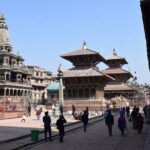
If this is your first time in Kathmandu, you’ll love the “first bearings, then details” flow: you start with an overlook at Swayambhunath, then you work your way through major sacred sites, ending back in the urban core with Durbar Squares in both Patan and Kathmandu.
You can also read our reviews of more historical tours in Kathmandu

Price Check: What $50 Covers and What You Pay On-Site
The headline price is $50.00 per person, which is unusually approachable for a day that includes a licensed guide and private transportation.
Here’s the value math that helps you plan:
- Included: a government licensed tour guide, sightseeing around World Heritage sites, pickup and drop from your hotel by private A/C vehicle, bottled water, and all taxes
- Not included: monuments fees (NRP 3600 approx., around $28)/person, plus entry/admission fees for all sites (also not included), and lunch/dinner
So the tour price is really paying for the guidance and logistics. The on-site fees are the extra “pay as you go” part. If you’re budgeting, assume your total cost will be tour price plus those listed fees.
Also note what’s not included: soft and hard drinks, lunch, and dinner. That means you’ll want a plan for meals or snacks during the long day—especially if you’re prone to getting hangry before your last Durbar Square stop.
Meeting Up and Getting Around in a Private A/C Vehicle
I like tours that get the transport right, and this one does. Pickup is offered from your hotel by private vehicle with A/C, then you’re dropped back at the end of the activity. Even though the listed meeting point is the operator office at Chhusya Galli, in practice the included pickup approach is what usually makes your day smoother.
You also get a mobile ticket, plus bottled water and taxes are covered. That’s the small stuff that keeps a long day from becoming chaotic.
Two more useful points:
- It’s listed as private (only your group participates), which usually means you can move at a more comfortable pace instead of getting pulled along by a bigger crowd.
- Group discounts are available, which can be a nice lever if you’re traveling with friends or family.
From the accounts I saw, punctual service and clear communication matter here. People specifically mention guides and staff like Mr. Mani for being friendly and on time, and drivers like Ramesh for safe, reliable driving. That kind of consistency matters in Kathmandu traffic.
Swayambhunath Monkey Temple: Hilltop Views and Sacred Start
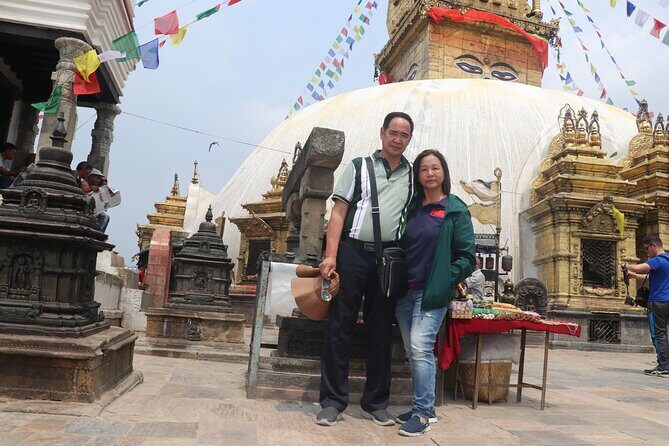
Swayambhunath is where the day earns its name. This is the hilltop Monkey Temple viewpoint, and it’s described as a sacred, iconic Buddhist shrine overlooking Kathmandu.
You’ll spend about 3 hours here, which is a healthy chunk of time for a place that rewards slow wandering. A hilltop start is smart: it gives you context before the rest of the city blocks your first view.
What to expect in a practical sense:
- You’re going upward and moving through temple areas.
- There’s likely a lot to notice visually, so build in time to look rather than just trying to check it off.
- Starting at Swayambhunath helps you understand the layout of the valley once you come back down for the next stops.
Possible drawback: if you don’t love stairs or uneven footing, plan for that during the hilltop portion. This isn’t a “flat museum” kind of stop, so wear shoes you trust.
Pashupatinath Temple by the Bagmati River
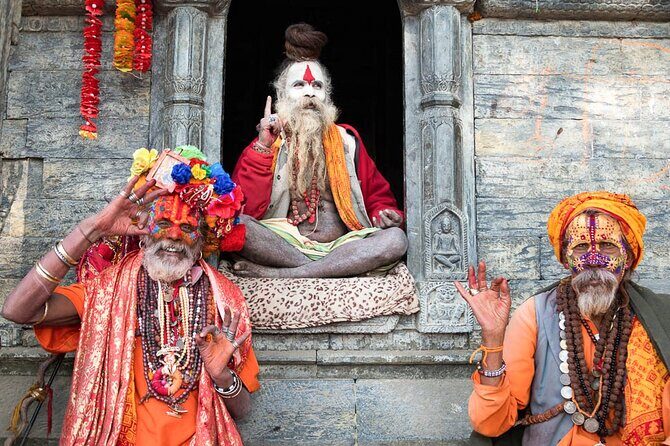
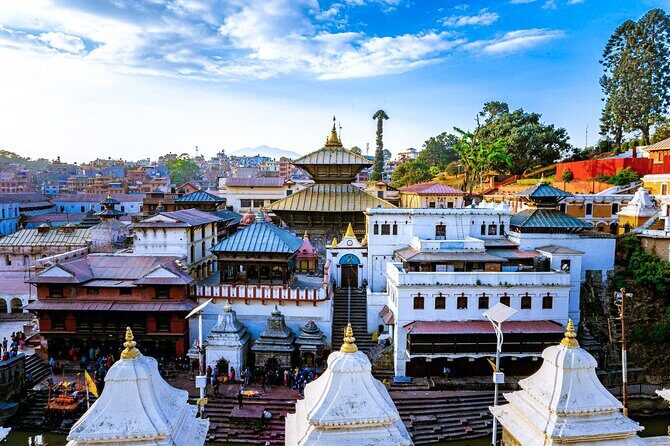
Next is Pashupatinath Temple, one of the most sacred Hindu temples in the world, dedicated to Lord Shiva and located on the banks of the Bagmati River. You’ll have about 2 hours here.
This stop is powerful because of its clear identity: Hindu sacred space, river setting, and a major temple devoted to Shiva. Even if you aren’t chasing religious details, the setting does the explaining.
A few practical things to keep in mind:
- Riverfront areas can feel open and exposed, so bring a hat or sun protection if you’re sensitive to heat.
- Since entry/admission fees are not included, you’ll want to be ready for on-site payment and follow any entry rules the staff set for your group.
A nice way to get more value from your time here is to ask your licensed guide what you’re looking at—temple dedication and river location are the kind of context that turns sightseeing into understanding. In past experiences with this provider, guides like Charn and Kapil are praised specifically for knowledge and helping visitors make sense of culture and history.




Boudhanath Stupa: Buddhist Center in the Heart of Kathmandu
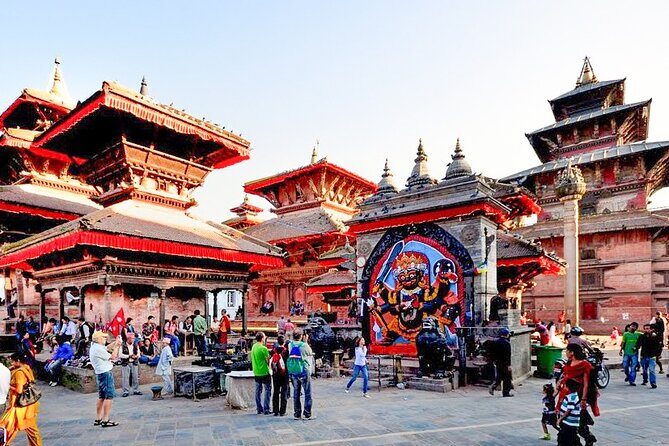
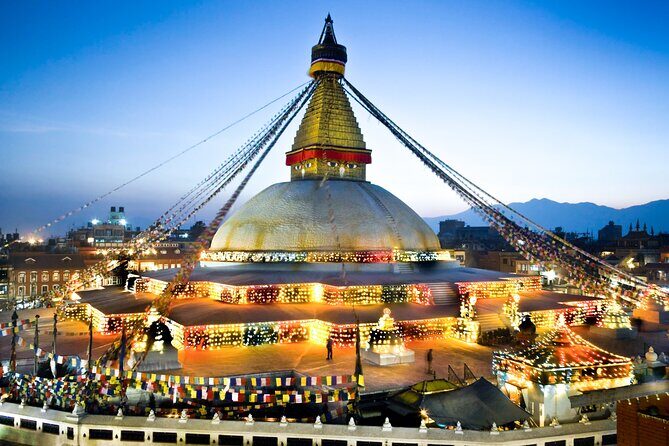
Then the route shifts to Boudhanath Stupa, described as one of the largest and most sacred Buddhist stupas in the world. It’s in central Kathmandu, and it’s believed to date back to the 14th century.
You’ll spend about 2 hours here. Stupas work differently from temples you rush through. A stupa tends to pull you into a slower rhythm: looking at details, noticing the flow of people around the site, and taking in the scale.
What makes this stop valuable in a one-day plan:
- It gives you a major Buddhist landmark after Pashupatinath, so your brain can compare sacred design styles in real time.
- It’s central, so you’re not losing the day to long travel between areas.
Like the other sites, admission fees aren’t included. Also, because it’s a major sacred place, it’s worth dressing and behaving respectfully and following your guide’s direction on where to stand and when to move.
Patan Durbar Square: Artisan City Courtyards Near Kathmandu
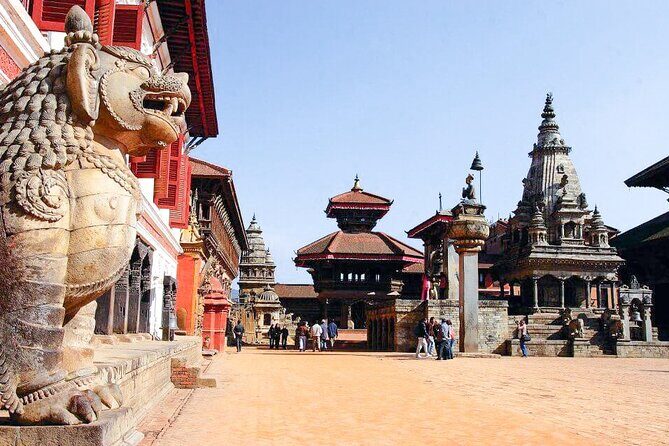
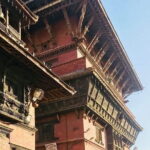
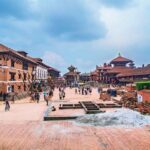
Patan Durbar Square is next, and it’s UNESCO-recognized. It’s located in Patan, known as the city of artisans, and it includes ancient temples, palaces, and shrines around the square.
You’ll have about 3 hours here, which suggests the operator expects time for wandering and looking closely. Durbar Squares aren’t just a single building; they’re a set of courtyards and monument spaces, so the extra time is useful.
Why I think this stop is a smart mid-day anchor:
- It gives variety from the more single-focus religious sites you visited earlier.
- You get architectural scale and a sense of craft culture through what’s around the square.
Possible drawback: three hours can be too much if you’re tired from walking or if your priorities are mainly religious rather than architectural. If that’s you, ask your guide to point out the most important areas first, then decide how much further you want to go.
Kathmandu Durbar Square: Temples and Palaces in the City Core
To close the day, you’ll visit Kathmandu Durbar Square, another UNESCO World Heritage site in the heart of Kathmandu. This is described as a complex area with historic temples, palaces, and courtyards showcasing architecture and impressive design.
You’ll spend about 2 hours here, which is a good finishing window. After Patan’s artisan square, Kathmandu’s Durbar Square helps you compare two historic cores in the same region—Patan’s vibe and Kathmandu’s more central feel.
If you want to get more out of those two hours, don’t just walk straight through. Treat it like an open-air museum: pause, look up, then look around. Your guide can help connect what you see to the site’s role in the city’s heritage.
As always, plan for the on-site admission fees since they’re not included in the tour price.
Guide Quality and Pace: How to Make a Long Day Work
A day like this lives or dies by the guide. This tour includes an experienced government licensed holder tour guide, and that’s a big deal in Kathmandu because you’ll get better explanations if someone knows how to interpret the sites.
The strongest praise in the available accounts points to:
- Punctual, professional service (people highlight being on time and smooth coordination)
- Clear communication so you know what to do next
- Real care for your comfort and needs; one account mentions taking good care of a wife using crutches, with support during the sightseeing
You can use that as a practical tip: if you have mobility needs, tell your operator in advance and ask how they’ll handle the pacing at hilltop and courtyard areas. The tour data also notes you can contact them about accessibility questions.
Pace tips that help you stay comfortable during a 10–15 hour itinerary:
- Drink water steadily—your bottled water is included, but you’ll still want to sip often.
- Wear shoes you can trust for temple areas and uneven surfaces.
- Keep a small cash reserve for the monuments fees and any separate site admissions.
Who This Tour Fits Best (and Who May Want a Different Plan)
This is a great fit if:
- You want a big hit of UNESCO sites in a single day.
- You like switching between Buddhist and Hindu sacred spaces.
- You’re visiting Kathmandu with limited time and want an organized route with transport handled.
It may not be ideal if:
- You dislike long days. Ten to fifteen hours is a full schedule, even if the stops are timed.
- You’re trying to keep costs strictly to the $50 tour price, since monuments fees and admissions are extra.
- You want a slow, deep experience at just one site. This itinerary is about breadth more than depth.
One more thing to consider: the day starts with a hilltop stop, then moves through several major sites. If you’re sensitive to stairs or extended walking, you’ll want to plan your energy carefully.
Should You Book This Kathmandu World Heritage Day Tour?
If your priority is efficient, well-guided sightseeing across Kathmandu Valley UNESCO landmarks, I’d say it’s worth booking. The included combination of a licensed guide, private A/C transport, bottled water, and guided coverage of five major sites gives you strong day-level value—especially at $50.
My advice is simple:
- Budget for NRP 3600 monuments fees (approx.) plus any additional admission costs at the sites.
- Dress for sacred spaces and hilltop walking.
- If mobility is a factor, contact the operator before you go and ask how they’ll manage the day.
If you want a one-day Kathmandu Valley overview that still feels personal thanks to private transport and an experienced guide, this tour hits the right balance.
FAQ
What does the Kathmandu World Heritage Tour include?
It includes an experienced government licensed tour guide, sightseeing around World Heritage sites, hotel pickup and drop by private vehicle, private air-conditioned transportation, bottled water, and all taxes.
How long is the tour?
The duration is approximately 10 to 15 hours.
How much does the tour cost?
The price is $50.00 per person.
Are monument fees and admission tickets included?
No. Monuments fees are listed as about NRP 3600 (approximately $28) per person, and entry/admission fees for the sites are not included.
Is lunch or dinner included?
No. Lunch and dinner are not included.
Does the tour offer hotel pickup?
Yes, pickup and drop from your hotel are offered by private vehicle.
Is this a private tour for just my group?
Yes. It’s listed as a private tour/activity, and only your group will participate.