REVIEW · KATHMANDU
Everest Base Camp – Cho La Pass – Gokyo Trek
Book on Viator →Operated by The Great Adventure Treks & Expedition - Private Day Tours · Bookable on Viator
Two passes. One big Everest mood.
This private Everest Base Camp route adds the Cho La Pass detour and pushes on to the Gokyo Lakes, where Everest can look even closer than at Base Camp. I really like the way this trip mixes classic highlights (Namche Bazaar, Tengboche, and the EBC area) with quieter, less-frequented trail time, so you get the “wow” without feeling stuck in a crowd.
What I love most is the pacing: it’s private, so you can go at your own pace and still feel guided. The other big win is the scenery payoff around Gokyo—the turquoise high-altitude lakes give a different, more dramatic kind of Everest view. One real consideration: this is a strenuous high-altitude trek, and the Cho La Pass tops out around 5,420m, so you’ll need to take altitude seriously.
In This Review
- Key Points at a Glance
- Entering the Everest Big-Loop: Why This Route Feels Different
- Kathmandu Setup and a Slow-Breathe Start on Day One
- Private Trek Advantage: Your Group’s Pace, Not a Rush Schedule
- Everest Base Camp Classic Stops: Namche, Tengboche, and the View Towers
- Namche Bazaar
- Tengboche and the Monastery
- The “Everest Keeps Showing Up” Villages
- The Cho La Pass Day: Expect Effort, Not Just Adventure
- Gokyo Valley and the Lakes: Where Everest Looks Close, Even at Distance
- Guides and Team Support: What the Best Service Looks Like in the Mountains
- Price and Value: What $1,394.88 Really Covers (and What You’ll Need Extra)
- Altitude Reality Check and Practical Packing Thoughts
- Timing: Autumn Mani Rimdu and the Weather Filter
- Should You Book This EBC–Cho La Pass–Gokyo Trek?
- FAQ
- How long is the Everest Base Camp – Cho La Pass – Gokyo trek?
- Where does the trek start?
- Is this a private trek?
- What’s included in the price?
- Do I get help with logistics like transport?
- What’s the big pass on this route?
- Is this trek suitable for first-timers?
- Can I visit Tengboche Monastery and is there a festival?
- What if weather is bad?
Key Points at a Glance
- Cho La Pass (5,420m) detour turns the classic EBC trek into something more adventurous
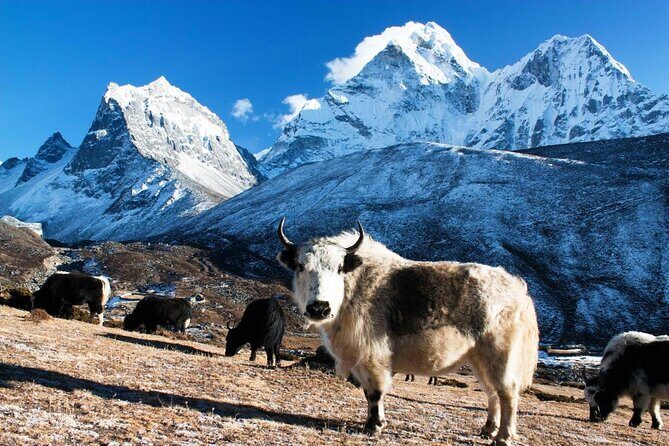
- Gokyo Lakes are the Everest view flex: turquoise water, huge peaks, and strong photographic angles
- Private trekking means no rush pressure and fewer “follow the herd” moments
- Well-defined routes help you avoid getting lost, even if you’ve never done high mountains before
- Cultural stops with real local contact: Namche Bazaar, Tengboche, and possible Mani Rimdu festival in autumn
Entering the Everest Big-Loop: Why This Route Feels Different
The standard Everest Base Camp trek checks a lot of boxes fast. This one does too—but then it adds an extra “chapter” by crossing Cho La Pass and continuing toward Gokyo. That change matters because it affects both the scenery and the vibe. You’re not just ticking off Base Camp; you’re building a loop that gives multiple angles on the same dramatic mountain wall.
And yes, the Everest region delivers. But the key here is how you see Everest. The overview for this trip promises some of the closest views of major peaks, including Cho Oyu, Makalu, Lhotse, and Everest. That’s not a small promise. On this kind of trek, when the light hits just right, you can go from “I’ve seen photos” to “wait… I can actually see it.”
You can also read our reviews of more hiking tours in Kathmandu


Kathmandu Setup and a Slow-Breathe Start on Day One
The trek begins in Kathmandu, and the tour includes pickup offered plus private transportation. You also get a mobile ticket, which is one of those small things that saves time when you’re already running on nervous-energy altitude prep.
Start time is listed as 9:15am, which signals a typical early push for getting organized. For you, that usually means: you’ll want the first hours after pickup to focus on practical checks—ensuring your layers are sorted, your meds are packed where you can reach them, and your cash/communication setup is working. In high mountains, the “small” admin items can become huge distractions later.
A helpful pattern shows up in how this operator works. Guides like Mani are described as attentive organizers in Kathmandu—helping with things such as sourcing equipment for rent—and that kind of support can prevent a last-minute panic if you arrive short on gear.
Private Trek Advantage: Your Group’s Pace, Not a Rush Schedule
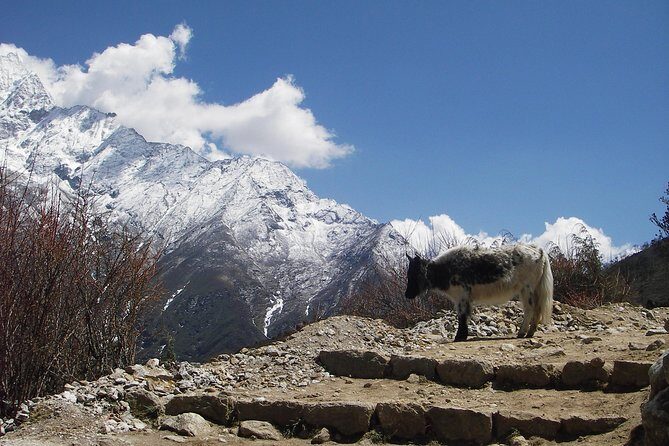
This is listed as a private tour/activity, so only your group participates. Translation: you’re not speed-marching behind strangers with different fitness and different comfort levels.
In practical terms, private trekking helps you manage altitude and fatigue. If you feel wiped on a cold morning, you can slow down without feeling like you’re causing trouble. Guides in this program are also described as very responsible about both physical and psychological comfort. One guide named Binod was singled out for taking care of trekkers so well physically and mentally—he’s a good example of the kind of “support with strategy” you want in the Everest region.
Another recurring theme: staff presence when problems pop up. That matters in Nepal trekking. Weather changes. Small logistics glitches happen. When your team is quick to respond, you lose less time and stress.
Everest Base Camp Classic Stops: Namche, Tengboche, and the View Towers
This route follows the classic EBC storyline—so you’ll still get the big, iconic waypoints people come for. The difference is that it’s all connected to a longer objective: crossing Cho La Pass and then reaching Gokyo.
Here’s what each stop tends to do for you:
Namche Bazaar
Namche is more than a checkpoint. It’s where the trek starts to feel like a real community journey rather than just walking uphill. You’ll have a chance to interact with locals in the Everest region, and it’s a useful place for settling into the rhythm of mountain life: breathing slower, eating steady, and keeping an eye on how your body reacts.






Tengboche and the Monastery
Tengboche is a cultural anchor. The trek includes the Tengboche Monastery, and if you’re trekking in autumn, there’s a chance to be part of the Mani Rimdu celebration there. That’s a meaningful detail for you if you care about more than views. Religious festivals in the high Himalaya can turn an ordinary travel day into something with color, sound, and local purpose.
One bonus worth remembering: even when the festival isn’t happening, monasteries like Tengboche give you a calm counterpoint to the physical effort. It’s a good place to refocus.
The “Everest Keeps Showing Up” Villages
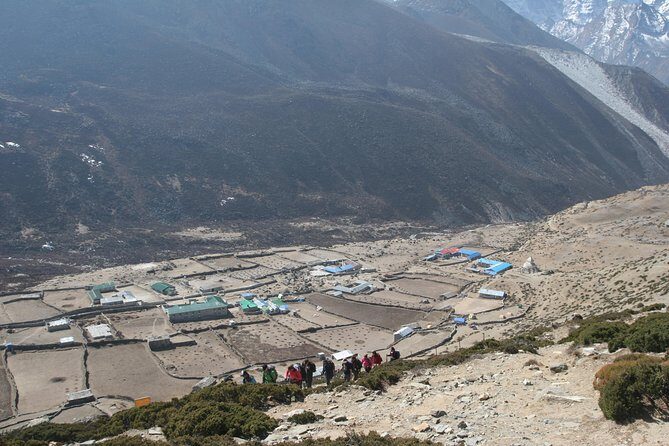
Along the way toward the EBC area, the overview specifically calls out villages such as Lobuche, Dingboche, and Gorak Shep. This is where you often feel the most “peak awareness”—where mountains start to appear again and again from different angles as you climb.
There’s also the classic sense of building toward a moment. You’re not just going higher; you’re getting closer to the geometry of Everest—the way ridgelines frame the big peaks and how the light changes hour by hour.
The Cho La Pass Day: Expect Effort, Not Just Adventure
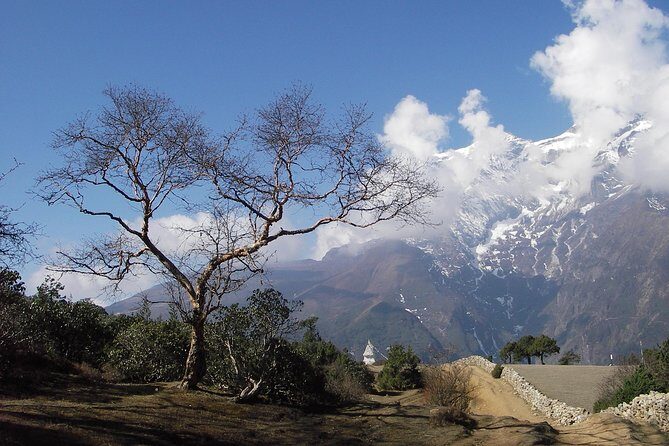
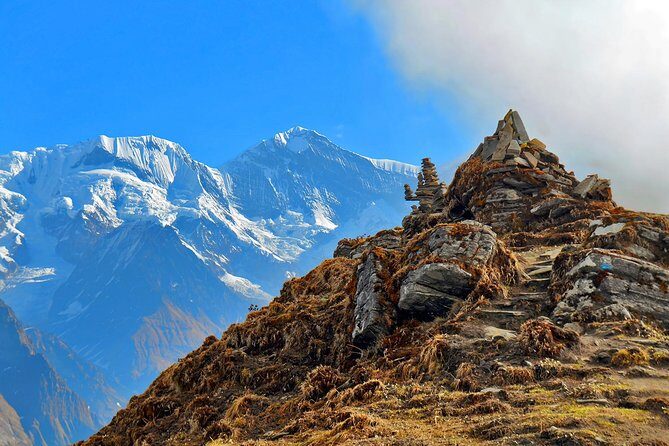
The star of the detour is Cho La Pass, listed at 17,782 feet / 5,420 meters. This is the kind of day that separates planning from reality. At 5,420m, the main challenge isn’t “walking hard.” It’s coping with altitude while your body is already working overtime.
So what should you do with that information?
- Treat it as your main high-altitude threshold day.
- Don’t chase speed. You’ll do better with steady breath and consistent steps.
- Follow your guide’s pacing cues. In guides named in the provided info, you’ll see a pattern of experienced leadership and attention to safety and rests.
Also, a practical note: this trek is described as needing good weather. If conditions are poor, high passes become less predictable. That doesn’t mean the trip is doomed. It means you should pack your mindset for weather reality: flexible days, careful pacing, and letting the team handle route decisions.
Gokyo Valley and the Lakes: Where Everest Looks Close, Even at Distance
After Cho La, you move toward the Gokyo Valley. The big selling point here is the Gokyo Lakes: the overview claims that the Everest views from these turquoise lakes can be arguably even better than what you see at Base Camp.
Why does that make sense?
At Base Camp, you’re near the legendary staging area, but it can sometimes feel like you’re looking across a wide, busy zone of the mountain system. With Gokyo, you’re trading that “Base Camp energy” for a more sculpted viewpoint—often with water in the foreground and huge peaks layered behind it. That changes your photos and, more importantly, your sense of scale.
This part of the journey also tends to feel quieter in practice because the trek is less centered on the most crowded EBC rhythm. The overview explicitly frames it as part of your chance to enjoy both popular and quieter trails, and that detour is usually the reason.
If you’re the type of traveler who wants more than one “big view moment,” you’re in the right place.
Guides and Team Support: What the Best Service Looks Like in the Mountains
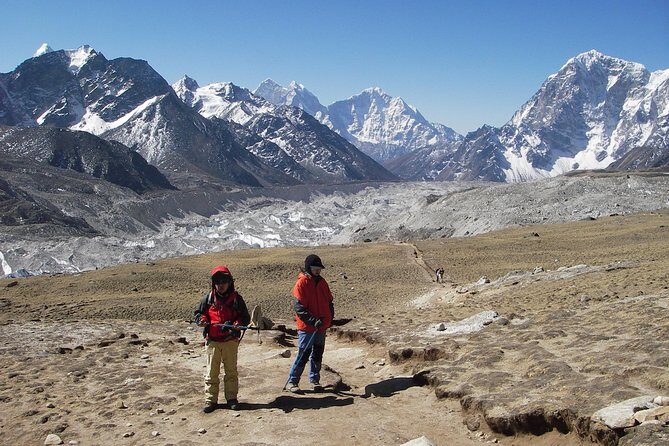
You can learn a lot about a trekking company from how they handle people during stress. In the provided information, multiple names show up as key parts of the experience: Mani, Binod, Surey, Ram Timalsina, Pasang Lama, Raju, Minor, Lapak, Suray, Sherman (mentioned as a local guide), Sudam, and Lokpa (porter).
Common threads across those examples:
- Guides take care of both physical and psychological wellbeing (not just route navigation).
- They respect rest breaks rather than pushing everyone into the same pace.
- They help solve unexpected issues quickly. One example includes arranging help when cash became an issue mid-trip.
- They communicate well for non-Nepali speakers; Mani is specifically noted as speaking good Chinese, which can reduce “lost in translation” stress.
For you, that matters because Everest region trekking is not only about stamina. It’s also about decision-making under pressure—when to push, when to slow, and how to handle discomfort without panicking.
Price and Value: What $1,394.88 Really Covers (and What You’ll Need Extra)
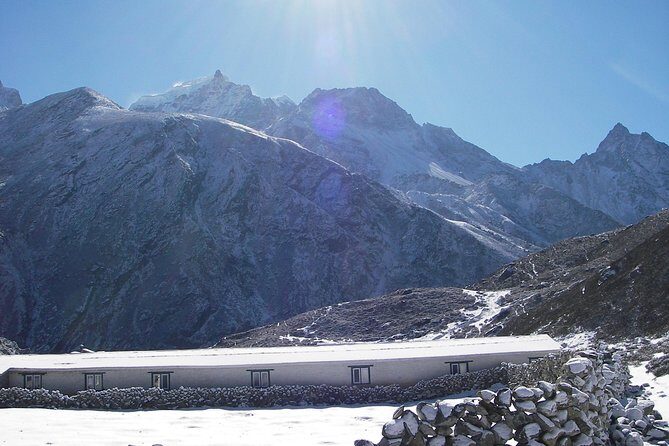
The price is listed at $1,394.88 per person for about 19 days. Included is private transportation (and the trip is private overall). Lunch and dinner are not included.
So how do you judge value?
- You’re paying for a longer, higher-stakes route than a simple EBC out-and-back. The Cho La Pass detour and Gokyo Lakes push the trip into true “full itinerary” territory.
- You’re also paying for the private experience: your group isn’t competing with other people for pace and attention.
- Meals not included means you’ll need to budget for daily food as you go. In practice, mountain trekking food costs can add up fast, especially if you’re trying to eat enough to keep your energy stable at altitude.
What I’d recommend before you commit: confirm what the package includes beyond private transport—especially what your day-to-day support covers (guide/porter services and key logistics). The details aren’t fully listed here, so asking those questions directly protects your budget.
Altitude Reality Check and Practical Packing Thoughts
This is labeled as a challenging high-altitude trek. At the same time, travelers are advised to have a moderate physical fitness level. That combination usually means: you don’t need to be a mountaineering athlete, but you do need to be ready for long uphill days and slower-than-normal progress.
Here’s what will make your trip smoother:
- Build a routine before you go: consistent walking and leg endurance beats random “big workout days.”
- Pack for cold and wind. Even if the day starts sunny, conditions can shift quickly at height.
- Keep essentials accessible. When you need something fast—layers, water access strategy, basic meds—you don’t want to dig through your pack on a slope.
Also remember the trip includes a mountain pass (Cho La). That’s not a “photo stop.” It’s a physiological test day.
Timing: Autumn Mani Rimdu and the Weather Filter
The overview calls out Mani Rimdu in autumn at Tengboche Monastery. If you care about cultural events, autumn is your best bet based on the information you have here.
Weather matters in a big way. The experience info says it requires good weather and that if it’s canceled due to poor weather, you’ll be offered a different date or a full refund. That’s your signal to travel with flexibility. In the Everest region, “perfect plans” are nice. “Good decision-making plans” are what you really need.
Should You Book This EBC–Cho La Pass–Gokyo Trek?
If you want the classic Everest checklist and you crave extra adventure, I think this itinerary is a strong match. The private pacing, the mix of popular and quieter trails, and the promise of standout Everest views from the Gokyo Lakes make it feel like more than a standard EBC trip.
You should consider booking if:
- You’re comfortable with a challenging high-altitude trek and you train for long days.
- You want culture time at Tengboche and the possibility of Mani Rimdu in autumn.
- You value a guide-led approach that helps you avoid stress from navigation or pacing.
You might skip (or at least ask more questions) if:
- You’re not ready for a high pass day at 5,420m and you hate uncertainty when weather isn’t cooperating.
- You want a trip where meals are fully included, since lunch and dinner are not.
If you do book, my best advice is simple: confirm your meal expectations, review what support includes beyond private transport, and treat acclimatization as part of the plan—not something you hope happens automatically.
FAQ
How long is the Everest Base Camp – Cho La Pass – Gokyo trek?
It’s listed as about 19 days.
Where does the trek start?
The location is Kathmandu, Nepal, with the start time at 9:15am.
Is this a private trek?
Yes. It’s described as a private tour/activity, so only your group participates.
What’s included in the price?
The only included item listed is private transportation. Lunch and dinner are not included.
Do I get help with logistics like transport?
Yes. Pickup is offered, and the trip includes private transportation.
What’s the big pass on this route?
The itinerary includes Cho La Pass, listed at 17,782 feet / 5,420 meters.
Is this trek suitable for first-timers?
It’s described as a challenging high-altitude trek, with travelers advised to have moderate physical fitness. You should be ready for strenuous mountain walking.
Can I visit Tengboche Monastery and is there a festival?
The trek includes Tengboche Monastery. If you trek in autumn, there’s a chance to be part of Mani Rimdu celebrations there.
What if weather is bad?
The experience requires good weather. If it’s canceled due to poor weather, you’ll be offered a different date or a full refund.