REVIEW · KATHMANDU
Annapurna Base Camp Trek
Book on Viator →Operated by Shikhar Adventure · Bookable on Viator
The Annapurna Base Camp trek is a serious mountain fix. I really like how this route stacks Poonhill sunrise with the Annapurna Sanctuary climb, so you get both iconic viewpoints and the big “we’re here” moment at base camp. I also like that your trip is guided by Shikhar Adventure, with past trekkers praising Dambar Thapa for pacing at altitude and keeping logistics smooth.
One thing to think about: the itinerary asks for early starts and mountain walking up to 4,130 meters, so you’ll want a steady fitness base and a calm attitude about slowing down when your body says so.
In This Review
- Key takeaways before you go
- Kathmandu to Pokhara: you land, you settle, you train your legs
- The Ghorepani Poonhill days: Ulleri, Ghorepani, and the big sunrise payoff
- Chule to Sinuwa and Sinuwa to Deurali: steady climbing with forest breaks
- Annapurna Base Camp day: reaching 4,130 meters and holding onto the moment
- Coming down from ABC to Sinuwa: same trail, new angles
- Jhinu Danda hot springs: a recovery stop you can taste
- Getting around and sleeping: what the package covers (and what it doesn’t)
- Food on the trail: simple, repeated, and functional
- Guide support that affects your success: Dambar Thapa and pacing at altitude
- Price and logistics: is $940 fair for what you’re actually buying?
- Who this trek suits best (and who should reconsider)
- Should you book Annapurna Base Camp with Shikhar Adventure?
- FAQ
- How long is the Annapurna Base Camp trek?
- What is the highest altitude on this itinerary?
- Where does the tour start and end?
- What time does the tour start?
- Are airport transfers included?
- What meals are included?
- What trekking support and gear are included?
- Is the Annapurna Conservation Area Permit included?
- Is travel insurance included?
Key takeaways before you go
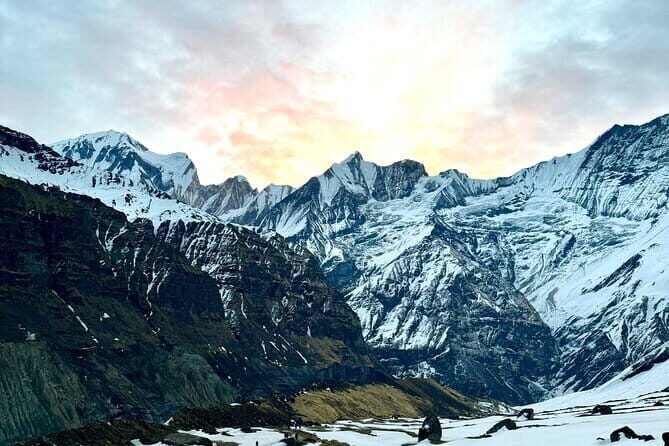
- Poonhill sunrise plus Annapurna Sanctuary: two of the most sought-after view days in one trek plan.
- Dambar Thapa gets repeat praise: people mention strong organization and helpful pacing when altitude hits.
- Guesthouses on the trek, hot springs on the way: comfy-enough breaks, plus a muscle-soothing stop at Jhinu Danda.
- Included permits and staff: Annapurna Conservation Area Permit, experienced guide, and porters are part of the package.
- Gear and bags included (with return): sleeping bags and duffel bags are provided, and you return the duffel after the trek.
- Start time is early: 2:15 am from Thamel means plan for a very early wake-up routine.
Kathmandu to Pokhara: you land, you settle, you train your legs
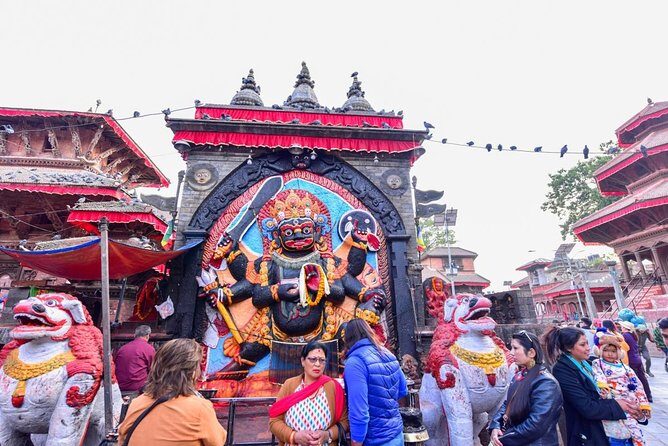
Your adventure starts in Kathmandu, around 1,400 meters. The trip includes an airport transfer by staff, plus two nights in a hotel in the Kathmandu area (Hotel Simal or similar). It’s a smart setup: you don’t just jump into trekking the moment you arrive, and you get time to recover from travel.
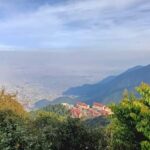
Then you shift to Pokhara for two nights, using tourist bus for that leg. This matters because Pokhara is the usual launching point for the Annapurna region, and it gives you a more relaxed base before trail days start. If you like simple rhythm—sleep, meals, short walks, early bed—this part of the schedule fits.
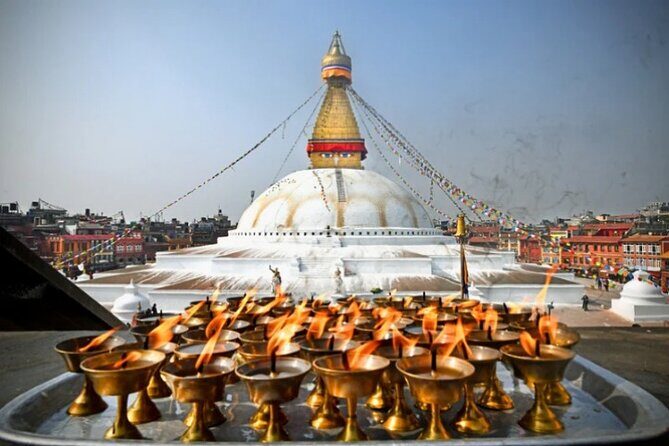
You’ll also get a low-key cultural/easy nature stop at Phewa Tal (Phewa Lake). It’s not a full sightseeing binge; it’s a short evening stroll, which is exactly what you want before the hills.
You can also read our reviews of more hiking tours in Kathmandu
The Ghorepani Poonhill days: Ulleri, Ghorepani, and the big sunrise payoff
The trek begins with a drive from Pokhara to Birethanti, then your uphill climb toward Ulleri. Expect villages, terraced fields, and forested sections. These early trail days usually feel like a warm-up, but they still matter because they help you learn your pace before higher altitudes.
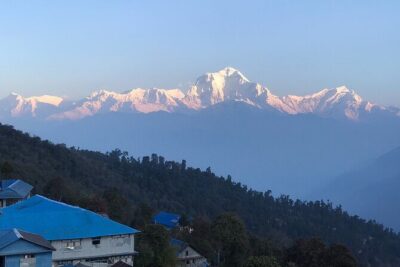
From Ulleri to Ghorepani, you’ll spend time in rhododendron forests with mountain views along the way. Ghorepani is a classic resting spot. It’s popular for a reason: it puts you in position for early-morning viewing without pushing every day to exhaustion.
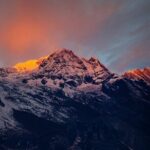
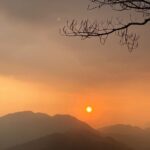
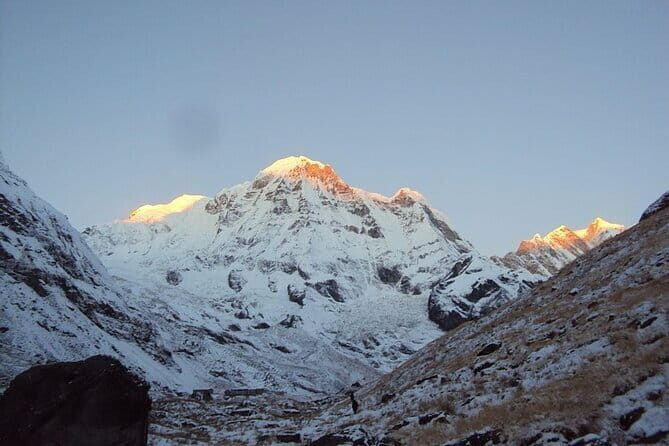
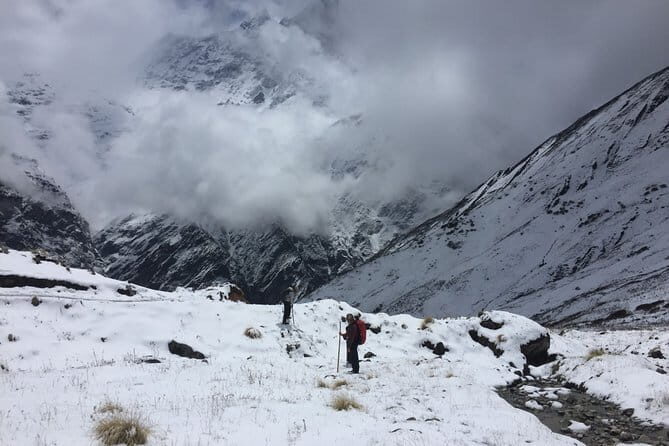
Day 5 is built around the sunrise hike to Poonhill at 3,210 meters. You rise early, hike up for the views, and watch the snow peaks light up in golden color. After that, you descend to Ghorepani for breakfast, then trek on to Tadapani at 2,630 meters. Tadapani is a good contrast to the pre-dawn grind: shaded forest trail through oak and rhododendron, then a calmer night.
If you’re worried about “Will I really see anything after all that walking?”—this trek answers that question on Poonhill. You get a viewpoint day that people specifically chase.
Chule to Sinuwa and Sinuwa to Deurali: steady climbing with forest breaks
After the Poonhill portion, the route continues upward with a transition into more serious altitude country. Day 6 takes you from Chule to Sinuwa. The trail climbs through dense forests and opens to wide views of Annapurna and Machhapuchhre (Fishtail). Sinuwa is small and quieter than the earlier hubs, which helps you settle into the feel of the trail.
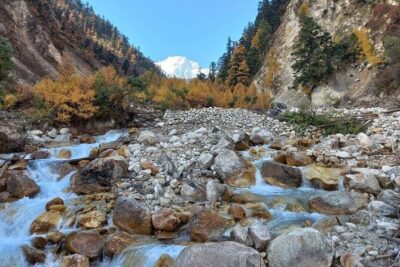
Day 7 goes from Sinuwa to Deurali. Here the trail shifts: bamboo forests, rocky sections, and river valleys. This mix is common on the Annapurna routes, but it’s not just scenery. The footing changes keep you awake and alert, and the varied trail helps you maintain a rhythm rather than grinding the same slope all day.
This is also where pacing becomes non-negotiable. The altitude is rising, and the itinerary doesn’t rush you by forcing marathon distances. That matters because your breathing is your real “timekeeper” here.
Annapurna Base Camp day: reaching 4,130 meters and holding onto the moment
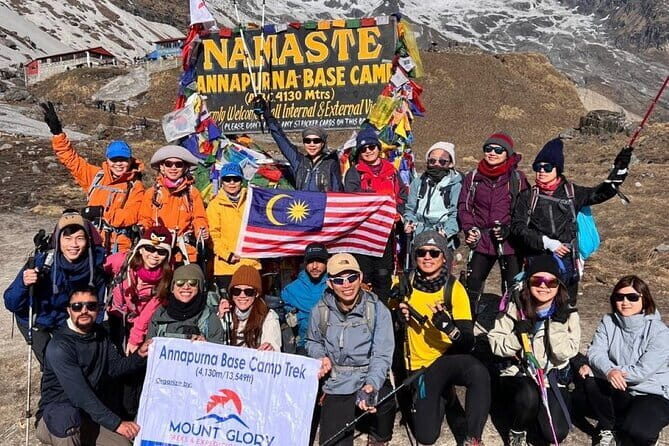
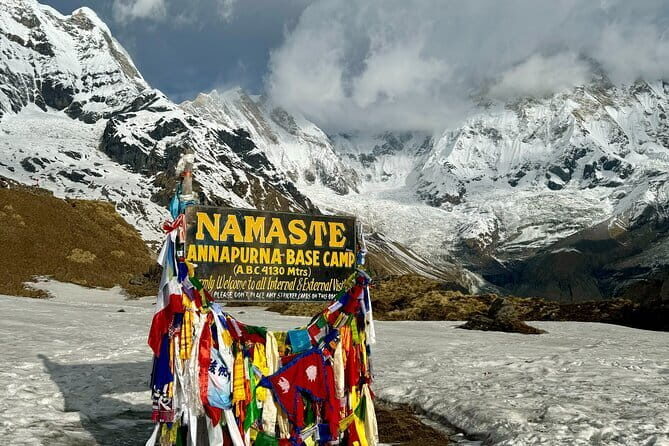
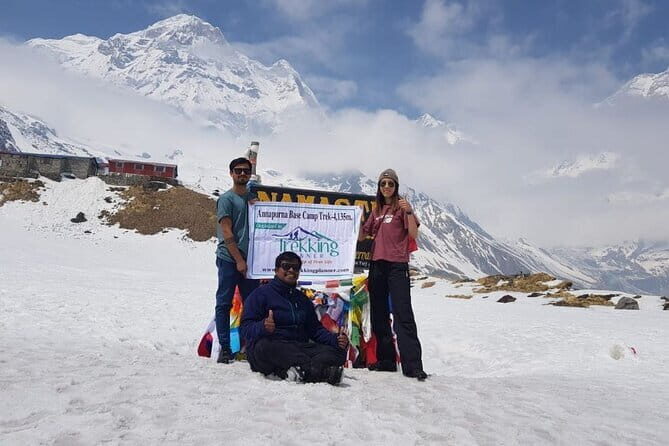
Day 8 is the signature day: Deurali to Annapurna Base Camp (ABC) around 4,130 meters. This is the point where the trek stops being a long hike and turns into a destination.
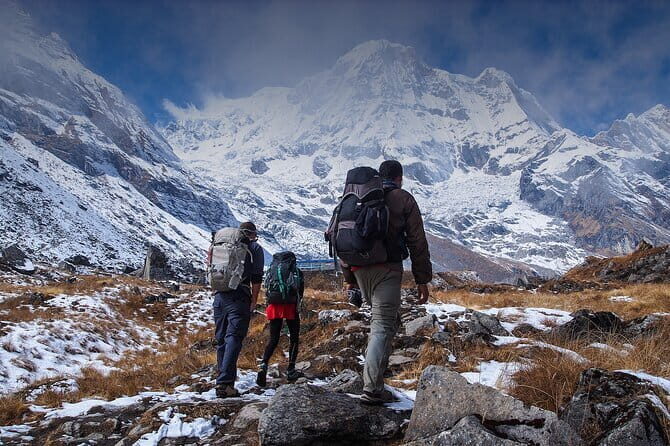
From ABC, you get views of Annapurna I, Annapurna South, Hiunchuli, and Gangapurna. Even if you’re not a peak-bagging person, this is the kind of view that makes your brain go quiet. It’s also the reason this trek has so much staying power: base camp is where your map becomes real.
Time on this day is about reaching, then absorbing. The schedule lists it as about 5 hours of trekking to the camp. For many trekkers, the last stretch feels slow, not because the distance is huge, but because your body is reading the altitude. Past feedback on Dambar Thapa specifically points to pacing help here, which is exactly what you want during the final push.
Coming down from ABC to Sinuwa: same trail, new angles
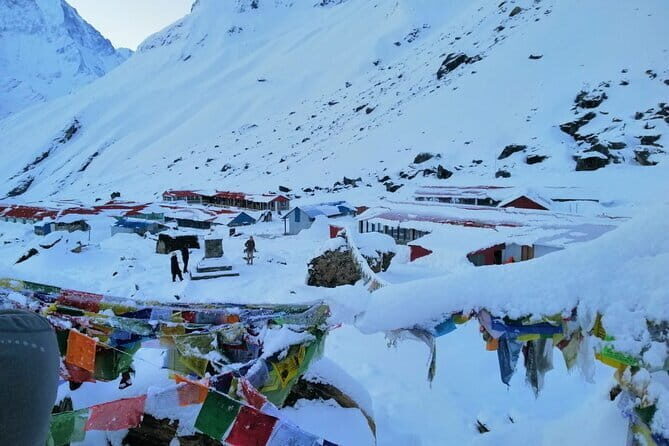
After spending a night at ABC, you return down to Sinuwa at about 2,340 meters on Day 9. Descents are easier on legs than climbs, but don’t treat them like a free day. Your knees still work, and the trail can stay uneven.
The route is described as passing through bamboo forests and crossing suspension bridges over rushing rivers. This is where you notice how the mountains “change” as you lose altitude. The itinerary hints at shifting environments—more rocky terrain near higher points, then greener zones lower down.
At Sinuwa, teahouses welcome you again. That matters because the trek isn’t only about views; it’s also about rest that’s actually part of the experience. A night in a mountain village, with a simple meal and a bed at the end of a long day, is the practical side of adventure.
Jhinu Danda hot springs: a recovery stop you can taste
Day 10 takes you from Sinuwa to Jhinu Danda, around 1,780 meters. The route includes forests and terraced fields. Then you reach the hot springs stop, a classic Annapurna-region reset for sore muscles.
What I like here is that it’s not just a reward in theory. Hot springs are a specific, physical benefit after long days of walking. You can relax in warm waters while still surrounded by mountain views.
This day also sets you up for the big travel jump back to Kathmandu on Day 11. By then you’ll be tired, but you won’t feel like you’ve been hammered straight through.
Getting around and sleeping: what the package covers (and what it doesn’t)
This trek is priced at $940 per person for roughly 12 days, starting and ending back at Thamel, Kathmandu (pickup offered). For value, I look at what’s bundled versus what you must manage yourself.
Included items that matter:
- Trek sleeping bags and duffel bags (you return the duffel after the trek)
- Two nights in Kathmandu (Hotel Simal or similar)
- Two nights in Pokhara (Hotel Trekkers Inn or similar)
- Mountain guest house accommodation
- Annapurna Conservation Area Permit
- Government-authorized guide and porters
- Hygienic meals (breakfast, lunch, dinner) during the trek
- First aid kit, plus insurance, food, accommodation, and wages for staff
Also included: arrival and departure by private car, and drives tied to the itinerary (including drive to Birethanti and a return from Jhinu Dada region to Pokhara by car/jeep).
Not included items to plan for:
- Meals in Kathmandu and Pokhara besides breakfast
- Shower and electronic charging fees during the trek (listed as about $5 in some guesthouses)
- Alcohol, chocolates, and packaged beverages
- Tips for guide and porter
- Your own travel insurance (mandatory)
- Any costs from weather/illness/cancellations
That’s the real value story. You’re paying for staff support, permits, and the core food-and-bed system. You still need to cover personal choices like charging fees and what you eat outside the trek meals.
Food on the trail: simple, repeated, and functional
The itinerary is clear that you’ll get breakfast, lunch, and dinner during trekking days, with “hygienic meals” included. In the Himalaya, this matters because trekking is hard to do on empty promises. You want meals you can count on so you can keep walking.
Guest house food won’t be fancy, but it’s dependable. The rhythm usually goes like this: eat, pack, walk, then rest with a hot meal at the end of the day. If you enjoy predictable pacing, this suits you.
One practical thing: your Kathmandu and Pokhara meals beyond breakfast are not covered. So budget for those days. It’s not expensive in absolute terms, but it’s a common budget miss if you assume everything is included.
Guide support that affects your success: Dambar Thapa and pacing at altitude
The most consistently praised element in the feedback you shared is the human part: the guide. Multiple notes highlight Dambar Thapa by name and mention things like strong organization from start to finish and being attentive when altitude starts feeling rough.
That last point is more important than it sounds. Altitude is not a moral test. It’s body management. A guide who helps you pace—slower climbs, smart breaks, steady breathing—reduces stress and improves your chances of enjoying the day rather than just surviving it.
If you’re doing Annapurna for the long-term memory, this is the difference between a trek that feels like a fight and one that feels like a plan.
Price and logistics: is $940 fair for what you’re actually buying?
At $940 per person, this isn’t a bargain-basement trek, but it also isn’t a luxury price tag. It sits in the middle, which is often the sweet spot for Annapurna.
Here’s how I see the value:
- You get permits, guide and porters, and structured staff support.
- You get gear support (sleeping bag and duffel).
- You get transportation segments (private car for arrival/departure and car/jeep drives tied to the route, plus tourist bus to Pokhara).
- You get meals during the trek, not just breakfast.
The costs you must handle yourself are also clear: personal expenses, tips, some charging/shower fees, and your own international travel plus travel insurance. If you budget those and don’t try to add too many extras in Kathmandu, you’ll feel the price is doing real work for you.
This is also a private tour/activity, meaning only your group participates. That can be a big value boost if you want a more controlled pace and fewer “tour herd” problems.
Who this trek suits best (and who should reconsider)
You should strongly consider this trek if:
- You have moderate physical fitness and you’re comfortable with multi-day walking.
- You like structured support: guide, porters, and planned meals.
- You want a route that gives you both Poonhill sunrise and Annapurna Base Camp without changing companies halfway.
You might reconsider if:
- Early starts feel like a deal breaker. The schedule shows a 2:15 am start time from Thamel, and sunrise hikes require pre-dawn effort.
- You need very lightweight hiking logistics. This is a guest house trek with staff support, but it’s still trekking and still at altitude.
- You’re hoping for everything to be fully covered, including Kathmandu meals and charging/shower fees.
Should you book Annapurna Base Camp with Shikhar Adventure?
I’d book this trek if you want a well-supported classic itinerary with the big hits built in: Poonhill sunrise, the climb to base camp at 4,130 meters, and a hot-springs recovery stop at Jhinu Danda. The pricing looks fair because permits, staff, guide support, and trek meals are included, and past feedback specifically praises Dambar Thapa for pacing and organization.
Before you commit, do two things. First, plan your budget beyond the trek: tips, Kathmandu meals, and some charging/shower fees. Second, practice the mental skill that altitude asks for—slowing down and listening to your breathing.
If you do that, this trek is a strong match for an unforgettable Annapurna story.
FAQ
How long is the Annapurna Base Camp trek?
The tour is listed as 12 days approximately.
What is the highest altitude on this itinerary?
The trek climbs to about 4,130 meters at Annapurna Base Camp.
Where does the tour start and end?
It starts in Thamel, Kathmandu 44600, Nepal, and ends back at the same meeting point.
What time does the tour start?
The start time is listed as 2:15 am.
Are airport transfers included?
Yes. Arrival and departure are included by private car.
What meals are included?
Breakfast, lunch, and dinner are included during the trek. Meals in Kathmandu and Pokhara are not included except breakfast.
What trekking support and gear are included?
Sleeping bags and duffel bags are provided, and you return the duffel bag after the trek. A government-authorized guide and porters are included.
Is the Annapurna Conservation Area Permit included?
Yes, the permit is included.
Is travel insurance included?
Your travel insurance is mandatory, and it is not listed as included for you.
If you want, tell me your walking history (how many days you’ve hiked and at what altitude). I can help you judge whether the pace fits you and what to pack based on the exact route.