REVIEW · KATHMANDU
Kathmandu: Chandragiri Hills & Swayambhunath Tour- 5 Hours
Book on Viator →Operated by Mountain Hike Nepal · Bookable on Viator
Two icons, one smooth half day. In about 5 hours, you mix mountain panoramas from Chandragiri Hills with the ancient Swayambhunath Temple on a hill above Kathmandu. I like that it feels like two Kathmandu stories at once: modern transport to a high viewpoint, then a slow, spiritual walk where the whole valley watches back.
I especially enjoy the cable car factor. You get a fast ride (about 10–12 minutes for a 2.5 km stretch) up to 2,551 meters without draining your energy before the temple stop. I also love the Swayambhunath experience: prayer wheels, Buddhist and Hindu mix, and that famous 360° view from the stupa area.
One drawback to plan around: entrance fees and the cable car ticket aren’t included, and the tour doesn’t include a tour guide. If you want lots of storytelling while you walk, you’ll need to rely on your own reading (and maybe a few questions to the driver) rather than an on-the-spot expert.
In This Review
- Key points to know before you go
- Why this Chandragiri + Swayambhunath combo works
- Chandragiri Hills cable car: quick lift to serious views
- Bhaleshwor Mahadev Temple: a calm stop on the way to photos
- Swayambhunath Temple (Monkey Temple): the stupa and the 360° view
- The 5-hour flow: what you’re likely to feel
- Price and value: where the $37 really goes
- Who should book this tour (and who might skip it)
- Tips to make the most of your visit
- Should you book the Kathmandu Chandragiri Hills & Swayambhunath tour?
- FAQ
- FAQ
- How long is the Chandragiri Hills & Swayambhunath tour?
- What time does the tour start?
- Is hotel pickup included?
- Is the cable car and entry included in the price?
- Is this a private tour?
- Can I get a full refund if I cancel?
Key points to know before you go
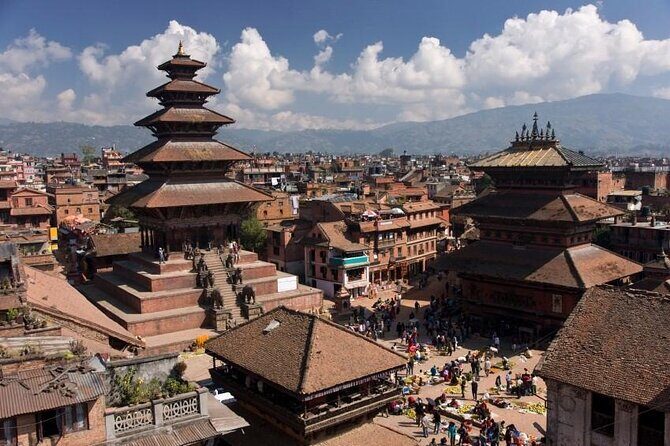
- Short, efficient half-day: two major viewpoints without a long day in traffic
- Chandragiri is a real altitude viewpoint: up to 2,551 m, with wide Himalayan-on-clear-days potential
- Swayambhunath blends religions: Buddhist stupa art plus Hindu temple energy
- Prayer wheels + the all-seeing eyes: small details that make the stupa feel alive
- No guide included: you’ll be sightseeing at your own pace
- Cable car isn’t bundled: budget separately for the ride and entry fees
Why this Chandragiri + Swayambhunath combo works
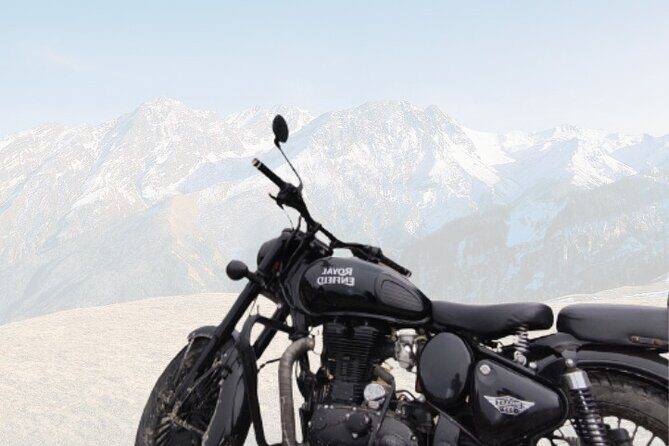
Kathmandu can be temple-heavy, but it also has a serious “high places” side. This tour is a clean way to sample both in one go. You start at Chandragiri Hills for views that reach toward the Himalayan range, and then you pivot to Swayambhunath, a hilltop temple area known for its stupa, monkeys, and sweeping city views.
What makes this combo good value is timing. You’re not spending your whole day commuting between far-flung spots. Instead, you pack two icons into a tight schedule—perfect if you have limited time, want a “greatest hits” day, or you just need a break from constant walking in central Kathmandu.
It also gives you a natural rhythm. Chandragiri is about open sky: cable car, viewpoint time, and temple-photo moments. Swayambhunath is about atmosphere: shrine corners, spinning prayer wheels, and a slow gaze over the valley.
You can also read our reviews of more tours and experiences in Kathmandu.



Chandragiri Hills cable car: quick lift to serious views
Chandragiri Hills sits on the outskirts of Kathmandu, and the main draw is the cable car ride. The trip is about 2.5 km and typically takes around 10–12 minutes. That matters because the alternative—getting up to a high viewpoint by road—often eats up time and patience in city traffic.
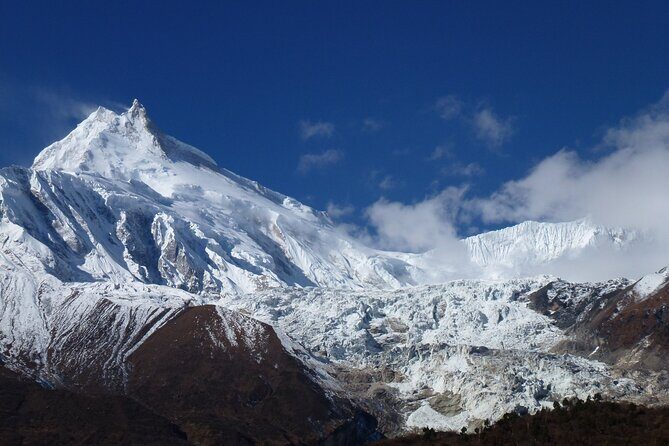
Once you reach the top, you’re at 2,551 meters. On clear days, you can even see the Himalayan range, with Mt. Everest mentioned as visible on clear days. Even if you don’t catch Everest (weather happens), the viewpoint still works. You’ll be looking down over the Kathmandu Valley, with a sense of scale that you don’t get from street-level sightseeing.
You’ll also find the top area is more than just a view platform. There’s time to visit the Bhaleshwor Mahadev Temple, plus you may notice an amusement park and restaurants. That optional stuff is handy if you’re traveling with someone who wants amenities rather than only temples.
Practical note: you’ll likely enjoy this stop most if you plan to be flexible with time for viewpoints. If clouds roll in, the view changes fast, so spend a little time early and be ready to look again later.
Bhaleshwor Mahadev Temple: a calm stop on the way to photos
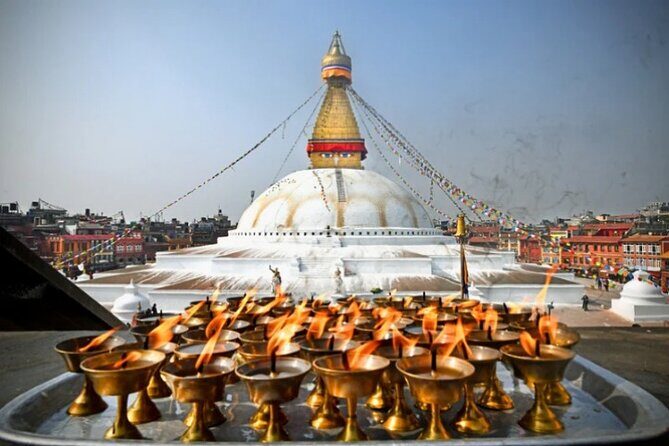
At the top, the highlight temple is Bhaleshwor Mahadev Temple. It’s a straightforward visit, which makes it a good partner to the cable car: you get the “wow” of height, then you shift gears into a compact spiritual site.
This is also the part of the day where you can manage your energy. Swayambhunath can be busy and crowded, depending on the time of day. Chandragiri gives you a more manageable pace. If you’re the type who likes a quick temple check-in before you head somewhere with more people, you’ll probably appreciate this order.
And yes, it’s a photo stop. But the reason it works is context: you’re combining temple culture with viewpoint time. Instead of treating religion as just “background for a picture,” you’re landing on a sacred place and then taking in the surrounding valley.
Swayambhunath Temple (Monkey Temple): the stupa and the 360° view
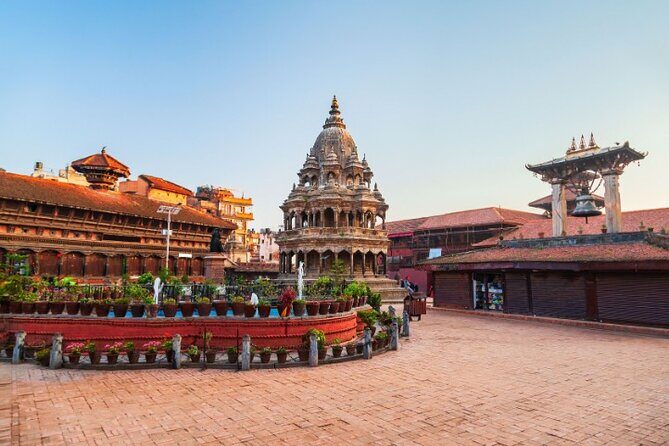
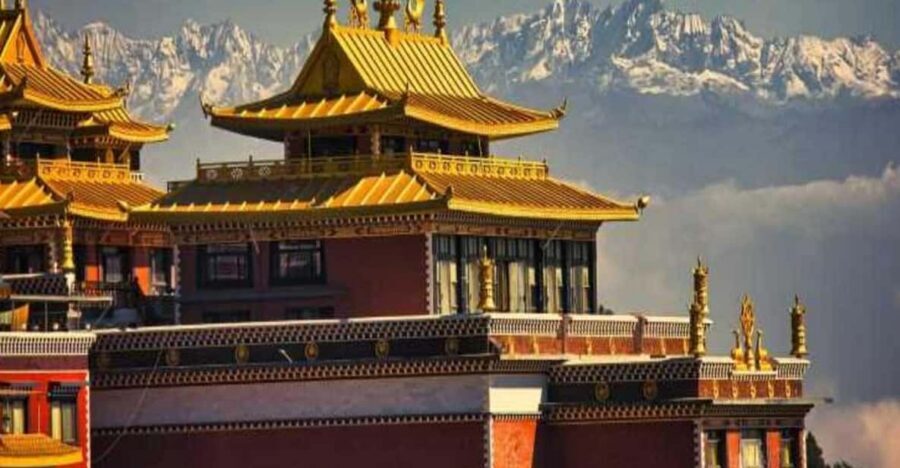
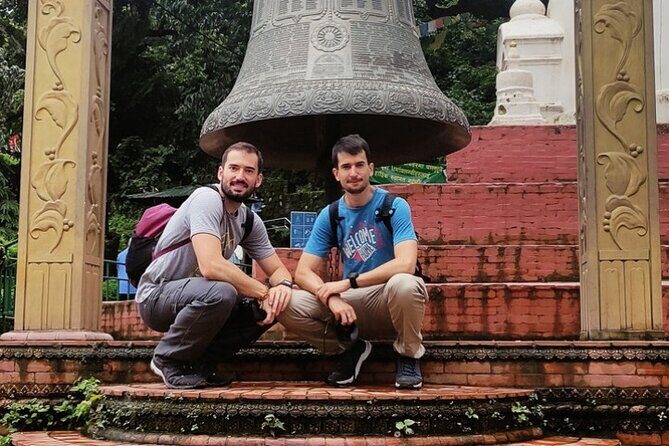
Next comes Swayambhunath Temple, one of Kathmandu’s most iconic sites and a UNESCO World Heritage location. It’s perched atop a hill, and the reason it’s so memorable is simple: you get panoramic views over the valley, right alongside a spiritually active stupa complex.
Swayambhunath is nicknamed the Monkey Temple, and that’s not just marketing. Expect monkeys around the area, and treat them like you’d treat any wild nuisance: keep your eyes open, don’t feed them, and be mindful with food and bags. The site is old too—its history is described as around 2,500 years.
What to look for up close:
- The stupa with the famous all-seeing Buddha eyes
- Prayer flags and the general sense of layered sacred space
- The chance to spin prayer wheels as part of your visit
Swayambhunath also has a strong sense of overlap between traditions. It’s described as a mix of Buddhist and Hindu cultures, so you’ll notice different shrines and devotional details in the same walking space. That blend gives the visit a “Kathmandu is a crossroads” feeling, without turning it into a lesson you have to study.
The 360° view is the final anchor. Even if you’ve seen city views before, this one tends to feel different because you’re on a religious mound watching over the capital. It’s not just sightseeing—it’s watching Kathmandu from a sacred vantage point.
The 5-hour flow: what you’re likely to feel
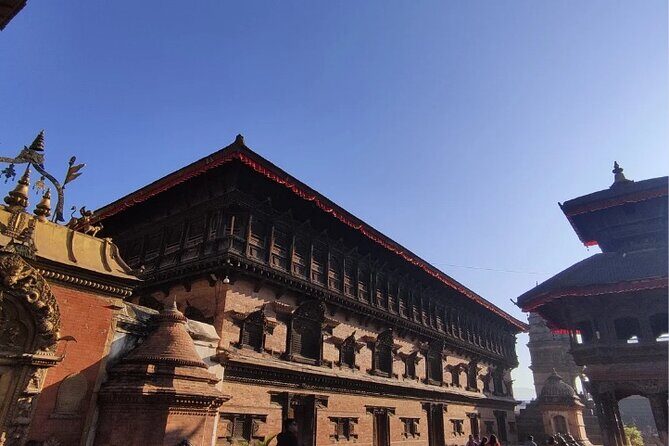
The pacing is the heart of this tour. You’re looking at roughly:
- Morning cable car + top viewpoints + Bhaleshwor Mahadev Temple
- Midday transfer into the Swayambhunath stupa area
- Time to explore and then return by early afternoon
A tour like this works best if you’re comfortable with short “stop and savor” moments. You won’t have hours to settle into every alley or side shrine. Instead, you’ll get a concentrated sampling of two places that usually take longer to experience properly if you’re doing them alone with transit.
Transportation is part of the reason it stays efficient. You go in a private vehicle with a driver, which helps you avoid the stress of figuring out routes and timing. The tour includes vehicle-related costs like fuel, parking fees, and insurance, so the main remaining costs tend to be the entrance and cable car items.
One more thing: because a tour guide isn’t included, you’ll want to go in ready to explore on your own. That doesn’t make it worse—it just means the “payoff” comes from you noticing details rather than hearing a lecture.




Price and value: where the $37 really goes
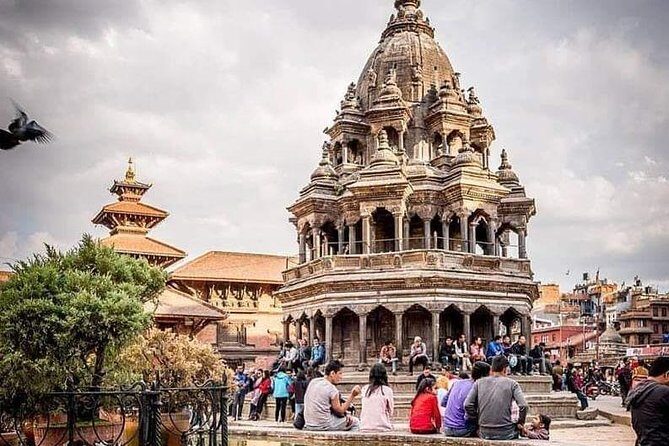
At $37 per person for a 5-hour experience, this is priced as a value sightseeing day—especially because you’re getting private transport. The cost you pay covers the vehicle, driver time, and logistics costs like fuel/parking/insurance.
What’s not included is where budget planning matters. The tour explicitly lists:
- Entrance fees
- The cable car ticket
- Tips
- Meals and accommodation
- A tour guide
So think of the $37 as paying for the “machine” of the day: getting you to the right places on time with less friction. Then you pay separately for the “museum parts,” meaning cable car and site entry.
If you’re counting every dollar, it helps to decide what you want most:
- If you want the cable car viewpoint and Swayambhunath stupa access, you’ll likely feel the total cost is still fair because those items are the heart of the experience.
- If you’d rather skip one paid element, you might rethink the tour and create your own route. But if you want both in one clean package, this price tends to make sense.
Who should book this tour (and who might skip it)
This tour fits best if you:
- Have only half a day in Kathmandu and want two iconic sites
- Like viewpoints and want an efficient day without wrestling with transit
- Prefer a private vehicle to reduce stress in busy traffic
- Want a self-paced visit where you can linger when something catches your eye
You might skip it if you:
- Want a guide-led explanation at every step. Since a tour guide isn’t included, the storytelling depends on you or your own questions.
- Need unlimited time at each location. The day is designed for highlights, not deep, slow wandering.
One extra hint: the operator is rated 4.8/5 based on 4 reviews, and in other Kathmandu-area experiences credited to Mountain Hike Nepal, people highlighted things like professional team management and safe driving. One review also mentioned a guide named Manish for a Nagarkot day trip, emphasizing safety and good view timing. That’s not proof your driver will be Manish for this exact itinerary, but it does suggest the company takes reliability seriously.
Tips to make the most of your visit
Because the tour is short and the best moments are viewpoint and stupa details, here’s what I’d do to maximize the day:
- Bring a camera and also plan to put it down. The 360° view is great, but the stupa details are what you’ll remember after.
- Expect crowds at Swayambhunath. If you want cleaner photos, go with a flexible mindset and move slowly along the stupa edges.
- At Chandragiri, spend time scanning the horizon. Visibility changes with weather, and the “clear day” Himalayan promise matters most when the sky cooperates.
- Keep an eye on monkeys at Swayambhunath and stay aware of your personal belongings.
If you like temples but also like clean logistics, this is one of the more straightforward ways to get both without turning the day into a puzzle.
Should you book the Kathmandu Chandragiri Hills & Swayambhunath tour?
If your goal is a high-impact Kathmandu day with minimal hassle, I’d lean yes. The tour is built around two major anchors—Chandragiri’s cable car viewpoint and Swayambhunath’s stupa-and-360° setting—and it does that within a tight, realistic schedule.
Book it if you want: private transport, a simple plan, and the chance to see the valley from above while also experiencing one of Kathmandu’s most famous religious sites. Budget a little extra for entrance and the cable car ticket, and go in prepared to explore largely on your own since a guide isn’t included.
FAQ
FAQ
How long is the Chandragiri Hills & Swayambhunath tour?
The tour is listed as about 5 hours.
What time does the tour start?
The start time is 9:15 am.
Is hotel pickup included?
Pickup is offered, and the itinerary includes a drive from your starting point area.
Is the cable car and entry included in the price?
No. Entrance fees and the cable car ticket are not included.
Is this a private tour?
Yes. It’s a private activity, meaning only your group participates.
Can I get a full refund if I cancel?
Yes. Cancellation is free up to 24 hours in advance for a full refund.