REVIEW · KATHMANDU
Tsum Valley and Manaslu Trek
Book on Viator →Operated by Accessible Adventure Pvt. Ltd · Bookable on Viator
Tsum Valley feels like a time machine. This trek links remote Tibetan-influenced villages with the big, classic Manaslu Circuit, then finishes after the dramatic Larkya La crossing. It’s a route with rivers, passes, gompas, and that special sense of being far from the usual trail crowds.
What I like most is the Tsum Valley focus: you don’t just pass through—you spend real days in villages and monastery culture, including Mu Gompa and Rachen Gompa. I also like how Accessible Adventure keeps support tight: a highly experienced guide plus a porter (1 porter for 2 people) and staff care so you can spend your energy on walking and enjoying the views.
One thing to consider: this is not a soft hike. You’ll deal with long travel days, cold nights, and pass terrain—plus the itinerary notes no hot showers during the trek, so plan for simple lodge life.
In This Review
- Quick hits before you commit
- Tsum Valley: what makes the Hidden Valley truly different
- Price and logistics: value for a 21-day Tsum + Manaslu trek
- Kathmandu buffer days: Durbar Square, Swayambhu, and your trek permits
- Into Tsum from Jagat and Lokpa: hot springs, bridges, and the first permit checkpoint
- Chumling to Mu Gompa and Rachen Gompa: Tibetan Buddhism on your walking schedule
- Leaving Tsum for Manaslu: Deng to Namrung and the pace shift
- Sama to Samdo to Larkya La: when the pass views get close and clear
- Tilje back to Kathmandu: finishing the loop and resetting in Thamel
- Should you book this Tsum Valley and Manaslu trek?
- FAQ
- What is the meeting time for this trek?
- Is pickup offered from Kathmandu?
- How long is the trek?
- What’s the group size limit?
- What permits are included?
- Is breakfast included, and are lunch and dinner included?
- Are down jacket and sleeping bag included?
- Is a hot shower included during the trek?
- What visa do I need for Nepal and what does it cost?
- How does cancellation work?
Quick hits before you commit
- Restricted-area Tsum Valley: you’ll show trekking permits at checkpoints, and the feel changes once you cross that line.
- Real monastery stops: Mu Gompa (with monks meditating) and Rachen Gompa (with monks and a nunnery) are central moments, not add-ons.
- River gorges and hot springs early: Jagat day includes Tatopani natural hot springs for sore legs.
- Good support rhythm: a guide and porter team, plus down jacket and sleeping bag use, helps you travel lighter and more comfortably.
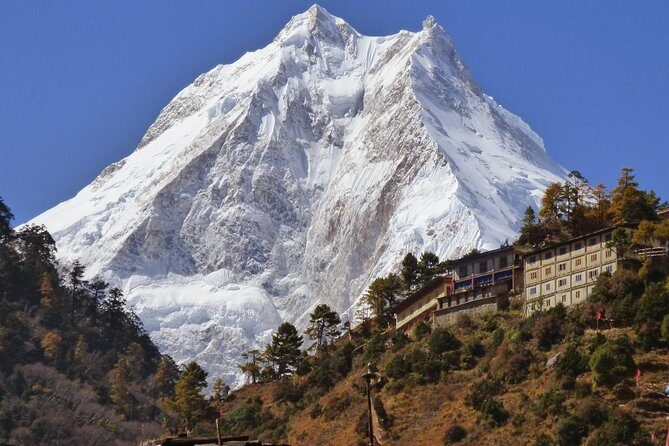
- Larkya La is the headline: the pass day is described as slippery and challenging, with Mt. Manaslu views close and clear.
Tsum Valley: what makes the Hidden Valley truly different
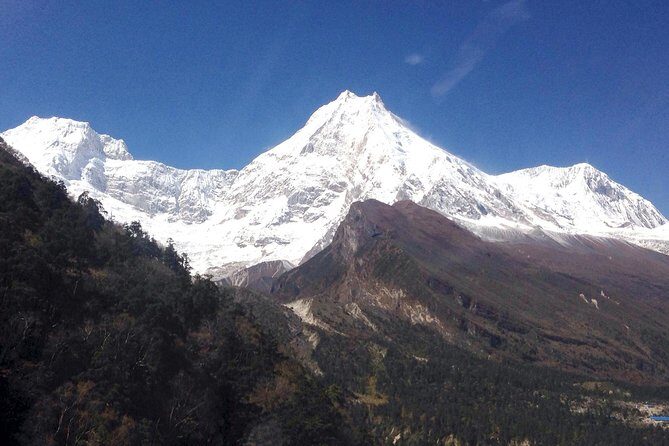
Tsum Valley sits on the north side of Manaslu near the Nepal–Tibet border, and it was restricted to outsiders until 2008. That history matters. The villages are still quieter and less exposed than the more famous Nepal trekking corridors, so your days feel more about local routines than tourist checklists.
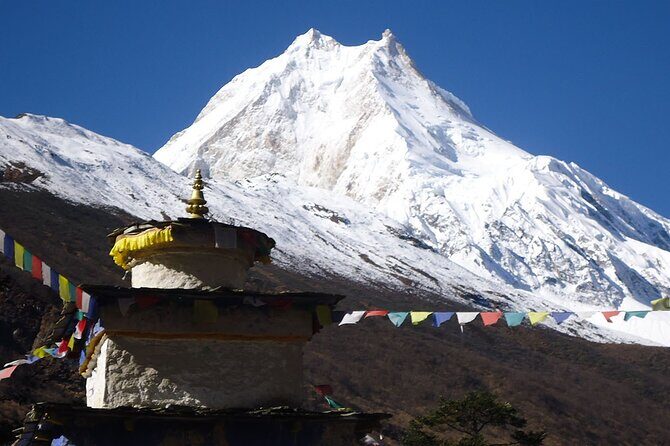
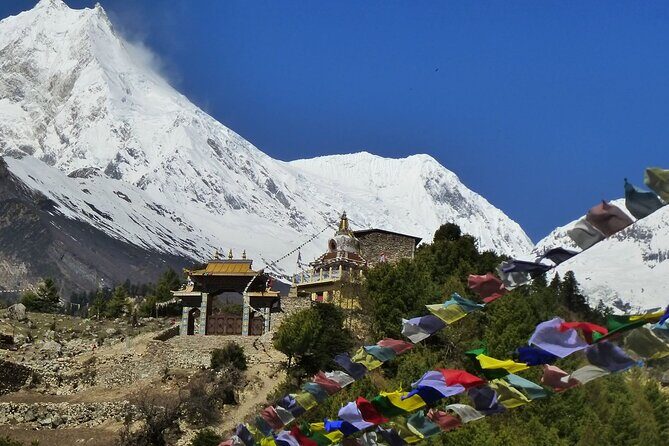
The culture is Tibetan-influenced Buddhism, and you’ll see the religious “infrastructure” everywhere: gompas, chortens, mani walls, and prayer markings that guide the eye as you walk. One detail that stands out in this region is family life—Tsum tradition includes a form of polyandry where brothers may share a single wife.
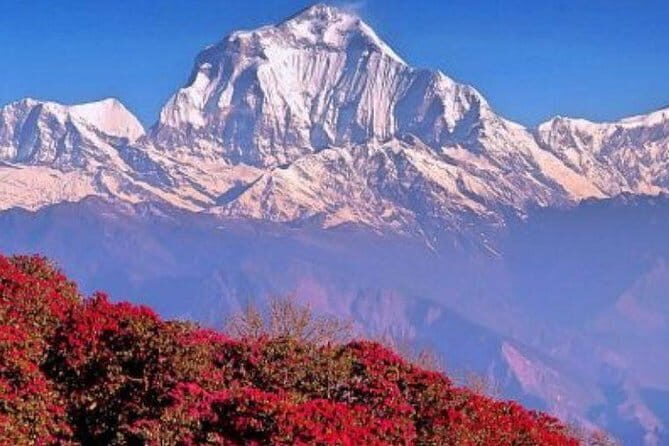
And yes, you’ll still get the drama of the Himalaya: deep gorges, passes, ridges, and steep valleys that keep changing the view window every couple of hours.
You can also read our reviews of more hiking tours in Kathmandu


Price and logistics: value for a 21-day Tsum + Manaslu trek
At $1,495 per person for about 21 days, the value is in what’s bundled for you. You’re not just buying a walking route; you’re buying permits, support staff, and key gear use that can otherwise cost extra or add hassle.
Here’s what you should notice in the included package:
- Private vehicle transfers, including airport transfers
- Kathmandu hotel with breakfast (3-star category, three nights)
- Twin-share lodge accommodation during the trek (best available)
- A guide plus a porter (1 porter per 2 people), with porter food, accommodation, salary, equipment, and accidental insurance covered
- Manaslu and Tsum Valley special trekking permits plus Annapurna and Manaslu conservation fees
- Down jacket and sleeping bag use while trekking, plus a trekking duffle bag
- First-aid kit and staff insurance; taxes and office service charges included
That gear and permit support is huge if you’re trying to avoid last-minute rental scrambling. It also matters for comfort. When the days turn cold and long, you’ll want the warmth kit to be ready without fuss.
The trade-off: lunch and dinner are not included, and hot showers aren’t included on the trek. You’ll be buying meals as you go, usually at lodge stops, and you’ll be living the standard trekking rhythm—simple, warm enough, and focused.
Kathmandu buffer days: Durbar Square, Swayambhu, and your trek permits
Most treks start with a bang in the mountains. This one starts in the city—because Nepal trekking runs on paperwork and pacing, not just scenery.
Day 1 is a classic arrival setup: you fly into Tribhuvan International Airport, get welcomed by Accessible Adventures, and drive about 5 km to a Thamel-area hotel. After you settle, you get an evening welcome dinner with authentic Nepali food. Thamel is close enough to the airport to keep the first day from feeling chaotic.
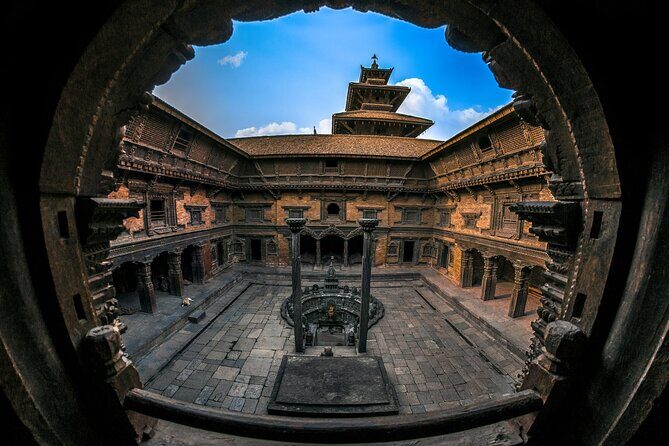
Day 2 is where you get smart. You meet the team, then you handle permits and trek documents. After that, the sightseeing choices are practical and varied: Kathmandu Durbar Square in Basantapur (the area people sometimes call Freak Street), plus the Hanuman Dhoka Museum and temple alleys. Then you head to Swayambhunath stupa for Buddhist/Hindu pilgrimage atmosphere and a city-wide viewpoint. The day also includes time near Pashupatinath, a famous Shiva temple area on the city’s northern side.
Why this matters: you’re easing into altitude prep and daily logistics before you leave. You’re also setting expectations—this trek has multiple monastery days, plus a major pass—so starting with a calm, guided city day helps.
Into Tsum from Jagat and Lokpa: hot springs, bridges, and the first permit checkpoint
The trek’s early days are about movement, terrain variety, and getting your legs ready without pretending you’ll feel amazing on Day 3.
After driving from Kathmandu toward Macha Khola (with a paved stretch to Dhading Besi, then rougher roads), you begin walking through gorge terrain along the river system. On the Jagat day, you’ll cross water multiple times, follow a narrow, up-and-down trail, and pass checkpoints at key moments. One clear highlight is Tatopani—the natural hot springs where you can relax sore muscles after a hard walk day.
You’ll also cross suspension bridges over rivers like Tharo Khola and Yaru Khola. Those bridges aren’t just scenery—they’re a reminder of how much of trekking here is “small engineering plus big valley drops.”
Then comes the transition into Tsum. Once you reach Jagat, you show trekking permits at a check post, and you understand you’re entering restricted terrain. Later, as you continue toward Salleri, Siridibas, and cross points along the Budhi Gandaki River system, you hit another checkpoint specifically for entering Tsum Valley. That repeated “permit show” isn’t bureaucracy for its own sake—it’s how the area stays protected, and why your experience feels less like a highway.
By the time you reach Lokpa, you’re in a smaller, more secluded rhythm: the village sits between Budhi Gandaki and Siyar Khola, and the sense is that you’re not stepping into a tourist bubble. It’s a good night for reset—because the culture days are coming.
Chumling to Mu Gompa and Rachen Gompa: Tibetan Buddhism on your walking schedule
After Lokpa, the trek shifts into a slower, more meaningful pattern. You move through forest paths, cross kholas (streams), and climb gradually—often giving you time to notice the details, like how religious sites shape the villages.
In and around Chumling, you’ll follow routes along the Siyar Kola, walking through forests and crossing Lungwaa and Sarli Khola. Chumling is where you can see Tibetan Buddhist community life more clearly, and you’ll also notice the Ganesh Himal range to the east.
One practical detail: the trek includes a stop connected to Chumling school (Tsum community school project). That’s the kind of stop that makes the region feel real beyond photos.
From Chumling, the itinerary continues deeper into Tsum Valley with village passes and monastery-linked stops. On the day toward Nile, you’ll walk along a flatter stretch north of the Siyar Khola and pass multiple secluded villages—Lamagaun, Bursi, Lar, Phurbey, Chhule, and Pungdun. The stop at Rachen Gompa and Milerapa Cave gives you a sense of spirituality layered into daily travel routes.
Then you hit Mu Gompa, and it’s a strong day. Mu Gompa is described as both a monastery and the highest point in the valley. You’re told the monastery was established by Drupa Rinpoche, a Bhutanese lama who meditated in nearby caves. When the route allows it, you’ll see monks meditating and praying, and the mountain views from that elevation become very clear.
A few days later you’ll reach Bursi and visit Rachen Gompa, noted as one of the oldest monasteries in the area. The presence of a nunnery adds another layer: this isn’t only monks and legend; it’s an active community with residents and a place for lodging travelers. If you want the reason behind the “Hidden Valley” reputation, days like this explain it better than any marketing line.






Leaving Tsum for Manaslu: Deng to Namrung and the pace shift
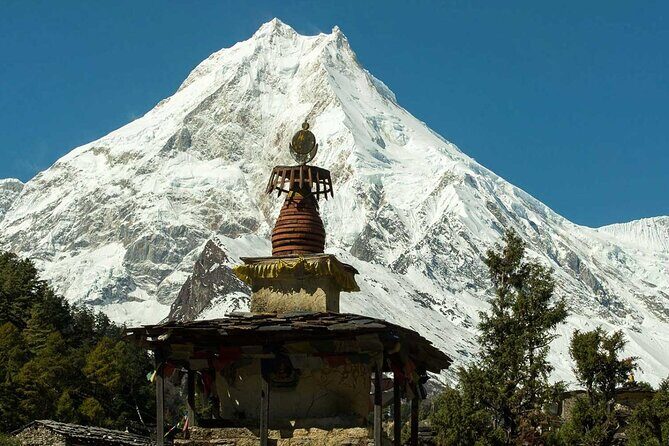
After spending time in the Tsum villages, you leave the valley and join the Manaslu Circuit near Deng. This is when the trek begins to feel like a classic Himalaya loop again—more mountain-focused, more pass-prep, and less “Tsum inside view.”
As you descend from Chumling to Deng, you cross the bridge over the Budhi Gandaki. You join the next phase of your route and pass Buddhist stone arches along the way. That’s your first hint that while Tsum’s culture is distinct, the broader Manaslu corridor is still spiritually marked.
From Deng onward, the route follows river valleys and includes canyon transitions. On the day toward Ghap and Namrung, you cross the Budhi Gandaki River over a bridge, pass a large waterfall, and walk through a wooden bridge out of a canyon. Then you drop into the Shringi Khola valley, walking through lush forests and villages with ethnic communities in huts. You’ll arrive at Ghap with beautiful mani walls, then continue through rhododendron and fir forest to Namrung.
This middle section has an advantage for the long-range trek: it builds endurance without throwing the hardest pass right away. It also sets you up for the Manaslu glacier viewpoints ahead.
If your timing is sensitive, pay attention to your energy here. You’ll want to arrive at the next higher villages feeling steady, because the trek soon shifts toward higher-elevation stability and pass days.
Sama to Samdo to Larkya La: when the pass views get close and clear
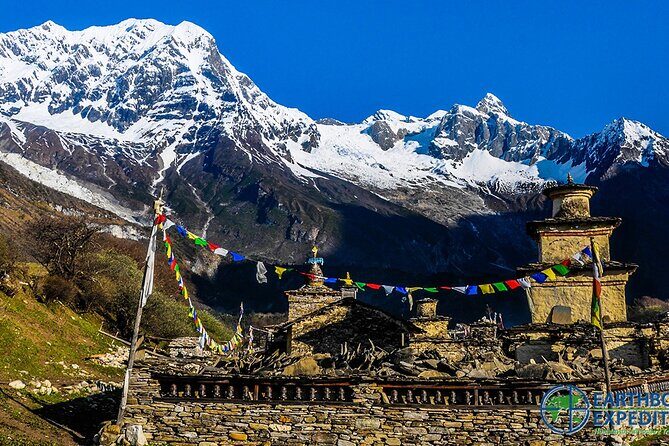
This part is where Manaslu starts talking loud.
From Namrung, you work toward Samagaon and Sama village. You’ll climb through forests to Lihi, described as full of stupas and barley terraces, then move through villages like Sho and Lho before reaching Shyala and Sama. The day’s culture stops continue with Ribung Gompa, and the scenery includes close views of Himal Chuli and Ngadi Chuli, with the Manaslu glacier sitting straight ahead.
One smart gift here is a rest day in Sama. You get time to relax, interact with Sherpas, and see how mani walls carry Buddhist texts. You can also visit Pungyen Gompa, an ancient gompa sacred to locals, and you get glacier views from the ridge area. This isn’t “only sightseeing.” It’s a chance to reset your body and mind before higher, colder segments.
Then you continue toward Samdo. The route includes descending to the Budhi Gandaki River and crossing a bridge, passing mani walls, and moving closer to the Tibetan border. You’ll walk through juniper and birch forest, reach Kermo Kharka, cross a wooden bridge, and arrive at Samdo in about four hours. Samdo is the kind of place where you’re close to border country energy and mountain scale.
Finally: Larkya La. The pass day is described as slippery and requiring careful steps. On the day toward Larkya Phedi, you ascend through terraced fields, pass old mani walls and stone arches, cross a wooden bridge, and witness the Larkya Glacier. The route includes a steep path near a gorge by the glacier, then ends at Larkya Phedi where there’s a small lodge and no settlements.
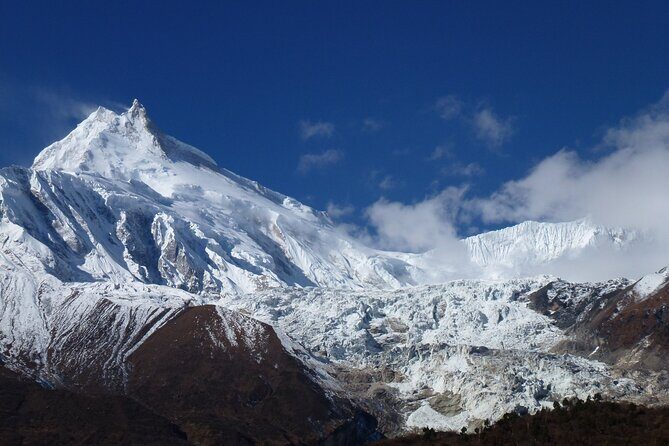
On the Larkya La summit day, you trek over moraine and a ridge, see prayer flags near the pass, and follow a route that gets very challenging. The payoff is explicit: Mt. Manaslu views are up close and clear, and it’s described as one of the best views on the trek. Then you descend to a grassy moraine, reach a meadow and spring, and continue on toward Bimthang.
Practical advice: treat this as a stamina and footing day. No rush. The best strategy on slippery terrain is small steps and steady breathing, because “fast” is how you end up slipping and grumpy.
Tilje back to Kathmandu: finishing the loop and resetting in Thamel
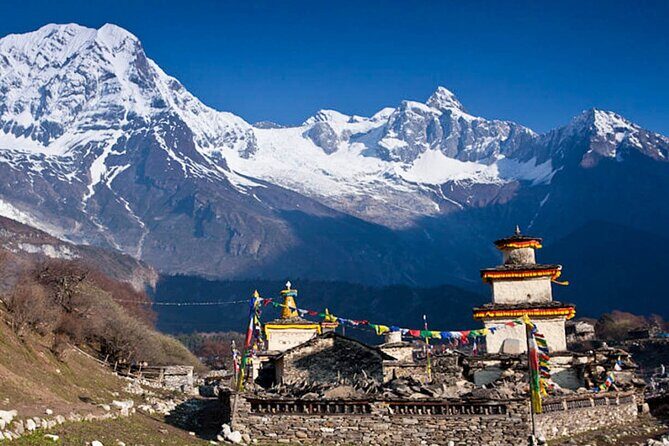
After Bimthang, the trek trends downward toward the endgame. You’ll move toward Karcha La, described as reached after a gentle climb through paddy fields. Then you descend through fig trees and rhododendron forests to Tilje, and you overnight at a guesthouse.
This day matters because it transitions you from the pass-zone mindset back to normal walking. It’s also your final chance to keep your energy stable for the finish.
Then you return to Kathmandu. On the last stretch, you bid farewell to the team and get dropped off at the airport by representatives. The final day also mentions Tribhuvan Park, suggesting a short local moment before departure, though the exact timing can depend on your flight.
When you get back, you’ll likely feel two things at once: the “I can’t believe we did that” glow, and the “okay, now I need a soft meal and a real bed” reality check.
Should you book this Tsum Valley and Manaslu trek?
If you want a trek that balances Tibetan-influenced village culture with serious Manaslu scenery, I think this one makes sense. The standout strength is the combination of remote Tsum Valley culture (Mu Gompa, Rachen Gompa, mani walls) plus the big Manaslu pass experience at Larkya La. Add in the included permits and support staff, and the $1,495 price starts to feel less like “just a guide” and more like a prepared system.
I’d especially recommend it if:
- You like monasteries and village life as much as mountain views
- You want a max group size of 15 and a supportive staff ratio (guide plus porter for 2 people)
- You’d rather show up with less gear stress, since down jacket and sleeping bag use are included
You should think twice if:
- You strongly want hot showers during the trek (they’re not included)
- You’re not ready for pass-day conditions and slippery footing near Larkya La
- You prefer fully catered meals (breakfast is included; lunch and dinner are not specified as included)
FAQ
What is the meeting time for this trek?
The start time is listed as 7:00 am, with the meeting point handled by the trip team.
Is pickup offered from Kathmandu?
Yes. The tour summary indicates pickup is offered, and it also includes airport transfers by private vehicle.
How long is the trek?
The duration is listed as 21 days (approx.).
What’s the group size limit?
This trek has a maximum of 15 travelers.
What permits are included?
Manaslu and Tsum Valley special trekking permits are included, along with the Annapurna and Manaslu conservation fee.
Is breakfast included, and are lunch and dinner included?
Breakfast is included. Lunch and dinner are not included (the notes list meals not specified in itinerary as not included, and explicitly state lunch and dinner are not included).
Are down jacket and sleeping bag included?
Yes. Down jacket and sleeping bag use while trekking are included.
Is a hot shower included during the trek?
No. Hot shower is listed as not included during the trek.
What visa do I need for Nepal and what does it cost?
You can obtain a multiple-entry tourist visa on arrival at Tribhuvan International Airport. The cost listed is US $40 for 30 days or US $100 for 90 days, and you should bring 2 passport-size photos.
How does cancellation work?
Cancellation is free up to 24 hours in advance of the experience start time, based on local time for the cutoff.
If you tell me your hiking comfort level (especially how you handle steep climbs and cold nights), I can help you decide if this pace and pass schedule will feel like a win—or if you’d be happier on a gentler route.