REVIEW · KATHMANDU
Annapurna Base Camp trek
Book on Viator →Operated by Nepal Trekking Experts Pvt. Ltd. · Bookable on Viator
A day on the Annapurna trail hits fast. This classic trek is built for active hikers: about 6 hours of walking most days, with tea-house nights and an ultimate payoff at Annapurna’s base. You’ll move through rhododendron forests, bamboo groves, terraced farmland, and quiet villages, guided by someone who can explain what you’re actually seeing.
Two things I really like: you get a true small-group setup (max 10), and the essentials are handled upfront—permits, a registered English-speaking local guide, and hotel pickup/drop-off in Kathmandu. One consideration: tea-house life is part of the experience, so if you’re counting on hot showers, Wi‑Fi, or guaranteed power, you’ll want to adjust your expectations ahead of time.
In This Review
- Key moments that make this trek stand out
- The Annapurna Base Camp goal is simple (and that’s why it works)
- Small-group hiking (max 10) is more than a number
- Kathmandu start: pickup, permits, and why early planning matters
- Permits included means less confusion on the ground
- Tea-house trekking: the real daily rhythm
- The hiking scenes: forests to farmland to villages
- Learning the Himalaya with a local guide (not just views)
- Cold at base camp is real: plan for conditions, not comfort
- Value check: is $999 a good deal here?
- What the group’s support looks like in real life
- When this trek is the right fit (and when it isn’t)
- Should you book this Annapurna Base Camp trek?
- FAQ
- How long is the Annapurna Base Camp trek?
- Where does the trek start?
- What’s the group size limit?
- How much do I walk each day?
- Is an English-speaking guide included?
- Are permits included?
- What kind of accommodation do you use?
- Are meals included?
- Is Wi‑Fi or a hot shower included?
- What is included in the price, and what is not?
- Is cancellation free?
Key moments that make this trek stand out
- Tea-house nights with breakfast/lunch/dinner included as per the itinerary
- Permits included: Annapurna Conservation Area permit plus TIMS Card
- A real local guide with history and Nepal Himalaya context (English speaking)
- Active pace geared for moderately challenging hikers doing ~6 hours/day
- Small-group comfort with a maximum of 10 people
The Annapurna Base Camp goal is simple (and that’s why it works)
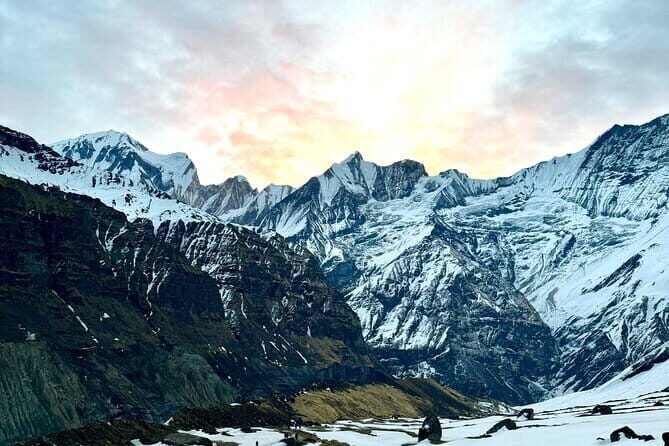
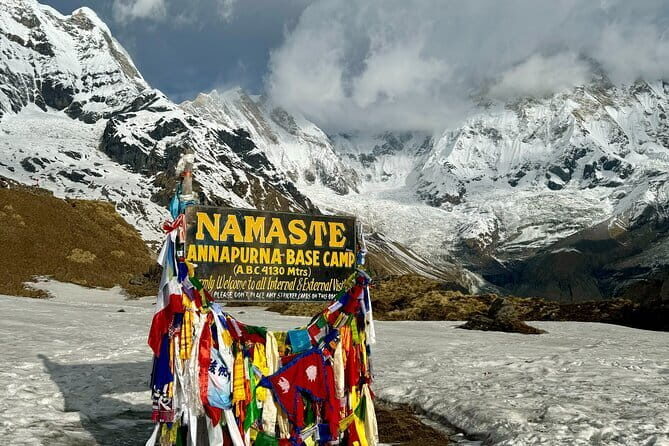
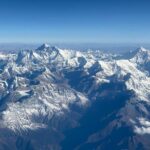
Annapurna Base Camp is one of those destinations that keeps the planning clean. You’re not juggling complicated logistics every day. Your job is to hike, acclimatize sensibly, and enjoy the slow reveal of the mountains as the trek climbs.
What makes this itinerary feel practical is the “most days” walking rhythm. You can plan your days around consistent movement—usually around 6 hours walking—then recover at tea houses. That structure is especially helpful if you’re the type who wants a clear routine instead of mystery hours and last-minute changes.
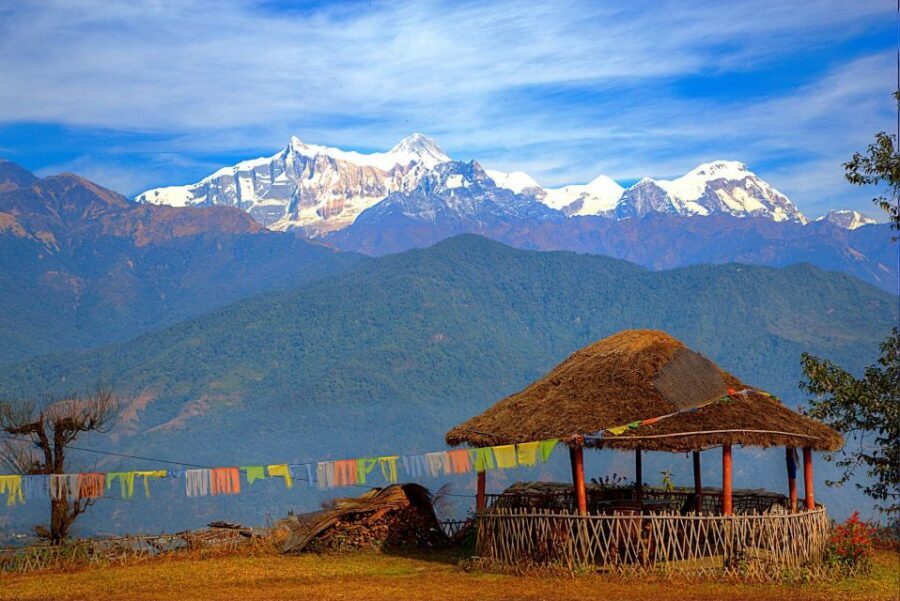
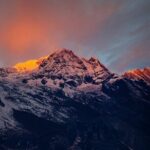
And because this is Annapurna, the variety matters. You won’t just see one type of scenery. The trail walks through rhododendron forests and bamboo groves before transitioning into terraced farmland and isolated villages. That mix keeps the effort from feeling repetitive.
You can also read our reviews of more hiking tours in Kathmandu
Small-group hiking (max 10) is more than a number
A cap of 10 trekkers sounds small, but it changes how the trek feels. With a tight group, it’s easier for your guide to manage pacing, notice who’s struggling, and adjust the day’s plan when conditions call for it.
In the reviews, that support shows up again and again. People talk about exceptional guidance and being well taken care of. Names like Rajesh (the operator known for quick responsiveness), and guides including Ganesh, Basanta, Amit, Rajan, Milan, and Resham come up as standouts. Porters also get credit—like Chhwang, Gautam, and Santos—because on a trek like this, the “small stuff” is often what keeps the day smooth.
If you’re coming to Nepal for a first major trek—or you want a guided experience without a huge crowd—you’ll likely appreciate this format.
Kathmandu start: pickup, permits, and why early planning matters
The trek is based out of Kathmandu, and you get hotel pickup and drop-off. There’s also mention of round-trip by public transportation, plus meeting hours running broadly from early morning to late evening.
What you can do with that: show up with your documents ready, keep everything tidy, and avoid last-minute stress. The one thing you must plan for is paperwork. At booking time, you’ll need passport details for all participants (name, number, expiry, country). That’s not busywork—it ties directly to the trekking permits you’re carrying.
Because the itinerary includes the Annapurna Conservation Area permit and TIMS Card, you’re not scrambling to figure out what you need once you arrive. For many hikers, that alone is part of the value of the trip.
Permits included means less confusion on the ground
Trekking in the Annapurna region is not just “walk and go.” You need proper permission to be on the route. Here, the essentials are included: the Annapurna conservation area permit and the TIMS Card.
This matters for two reasons:
- It reduces the risk of delays or paperwork problems during the first stage of your trek.
- It helps you trust that the route your guide is following is properly arranged.
If you’ve ever traveled in a place where rules change by day (or by who’s checking), you’ll know why “handled for you” is calming.
Tea-house trekking: the real daily rhythm
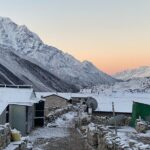
This trek is a tea-house trek. That means your lodging is typically in simple guesthouses along the route, and you eat there too. The experience is popular because it puts you close to local life while keeping you out of the logistics of camping.
Expect hiking/hiking again: around 6 hours of walking on more or less each day, then a night in a tea house. Meals included follow a standard pattern: breakfast, lunch, and dinner as per the itinerary (B/L/D).
A practical note: tea houses vary. You might find differences in room warmth, food choices, and how quickly service moves, depending on where you are on the trail. The good part is that your guide and the trek operator plan the flow so you’re not guessing where you’ll sleep or what you’ll eat.
Also, the trek includes meals, but not drinks. So if you like soda, juice, or coffee beyond what’s built into meals, budget a bit extra.
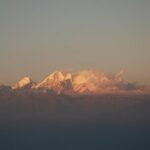
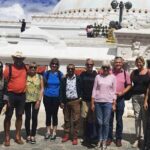
The hiking scenes: forests to farmland to villages
The route’s flavor is spelled out in the highlights, and that’s what makes it engaging: rhododendron forests, bamboo groves, terraced farmland, and isolated villages.
Here’s why that variety helps your body and your brain:
- Forest sections can feel cooler and provide shade, which makes steady walking easier.
- Bamboo groves and village trails can break up monotony, so you stay mentally fresher.
- Terraced farmland is slower and more human-scale—great for photos and for noticing how life is built around the slopes.
If you like cultural travel as much as mountain travel, this is your sweet spot. You’ll spend time around local people’s lifestyle and you’ll have chances to film and photograph along the way.
Learning the Himalaya with a local guide (not just views)
This trek is not only about summiting your way to a postcard. It’s also about understanding what you’re walking through.
The trip includes a government-registered, English-speaking professional local guide. In reviews, the guides are praised for care and flexibility, and for making planning feel clear. For example:
- People credit Rajesh for being responsive before the trek and supportive throughout.
- Guides like Amit and Rajan are singled out for being dependable on the ground.
- Others highlight how their guides took extra responsibility when plans changed or when someone needed more attention.
On a trek like Annapurna Base Camp, small explanations matter. You’ll notice the vegetation banding, changes in how villages are positioned, and the rhythm of daily life at different elevations. A good guide helps you connect dots instead of just walking through scenery.
Cold at base camp is real: plan for conditions, not comfort
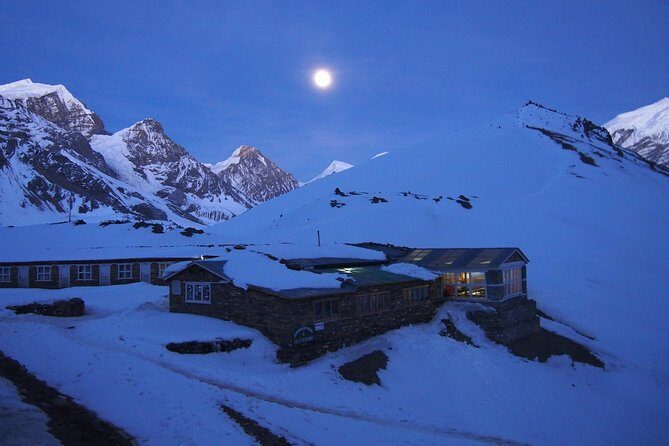
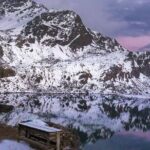
One review called out that it gets really cold at base camp. That lines up with what most hikers should assume for high Himalayan areas.
What you should do with that info:
- Expect chilly nights and early mornings.
- Bring enough layers for cold, even if daytime hiking feels manageable.
- Don’t count on comfort extras like hot showers or battery charging being available reliably (those are not included).
The trip doesn’t include trekking gear either, so if you’re missing basics (warm layers, proper footwear), you’ll need to handle that yourself.
Value check: is $999 a good deal here?
At $999 per person, the main question is what you’re getting for the money. This package includes:
- Accommodation as per itinerary
- Permits (Annapurna Conservation Area permit + TIMS Card)
- Meals (breakfast, lunch, dinner as per itinerary)
- A registered English-speaking local guide
- Hotel pickup and drop-off
- Round-trip by public transportation
- Local taxes
What you don’t get includes drinks, souvenirs photos, temple/monastery entrance fees, and common comfort items like Wi‑Fi, hot shower, and battery charge.
So is it good value? For many hikers, yes—because the expensive and annoying parts are handled: guide, permits, and food/lodging planning. If you tried to DIY this trek, you’d still pay for permits, you’d still need a guide (or would face route complexity), and you’d still have to line up meals and sleeping with no certainty.
If you’re the kind of traveler who hates logistical friction, the included planning is the real selling point.
What the group’s support looks like in real life
The biggest “feel” from the reviews isn’t just that the trek is beautiful—it’s that people felt supported. Names like Ganesh and Basanta show up in praise for taking care of hikers, and there’s even mention of assistance when someone twisted an ankle and needed medical help.
That kind of support matters because trekking is not always smooth. Weather can shift, energy levels vary, and plans sometimes need adjusting. A capable operator and guides reduce stress in those moments. And in multiple comments, Rajesh is described as responsive and helpful in the planning phase and beyond.
You don’t need drama on the trail. You need calm problem-solving—and that’s what the feedback points toward.
When this trek is the right fit (and when it isn’t)
You’ll likely enjoy this trek if you:
- Want an active challenge but not an all-out endurance expedition
- Prefer guided structure with a small group
- Like tea-house travel and don’t need luxury comforts
- Enjoy learning from a local guide about Nepal Himalaya culture and history
You might reconsider if you:
- Need reliable hot showers, Wi‑Fi, or constant charging
- Are expecting the trek to be mostly easy walking
- Don’t have a moderate physical fitness base (the trek is framed for moderate fitness)
Should you book this Annapurna Base Camp trek?
If you want a classic Annapurna Base Camp hike with solid support, a local English-speaking guide, tea-house lodging, and key permits already covered, this option makes sense. The small-group size and the repeated praise for care and responsiveness are strong signals, and the $999 price feels more like a “planning package” than a bare-bones hike.
My recommendation: book if you’re excited to work for the views and you’re comfortable with the tea-house reality (simple rooms, cold moments, and extra costs for drinks or power). If you’re chasing maximum comfort, you’ll probably be happier with a more comfort-focused trek style.
FAQ
How long is the Annapurna Base Camp trek?
It’s listed as 14 days approximately.
Where does the trek start?
It’s based in Kathmandu, Nepal, with hotel pickup and drop-off included.
What’s the group size limit?
The maximum group size is 10 travelers.
How much do I walk each day?
You should expect trekking/hiking around 6 hours each day.
Is an English-speaking guide included?
Yes. A government registered, English speaking professional local guide is included.
Are permits included?
Yes. The Annapurna conservation area permit and the TIMS Card are included.
What kind of accommodation do you use?
You stay in tea houses during the trek.
Are meals included?
Yes. Breakfast, lunch, and dinner are included as per the itinerary.
Is Wi‑Fi or a hot shower included?
No. Wi‑Fi and hot showers are not included, and battery charging isn’t included either.
What is included in the price, and what is not?
Included: accommodation, permits, local taxes, meals (B/L/D), guide, hotel pickup/drop-off, and round-trip by public transportation. Not included: drinks and personal items like trekking gear, personal insurance, and entrance fees in temples/monasteries. Also, souvenir photos are not included.
Is cancellation free?
Free cancellation is available. You can cancel up to 24 hours in advance for a full refund, and changes within 24 hours aren’t accepted.