REVIEW · KATHMANDU
Kathmandu Exploration for 4 Days Short Private Tour
Book on Viator →Operated by Holidays to Nepal Pvt. Ltd. · Bookable on Viator
Four days, seven UNESCO stops, zero stress. This short private tour is a smart way to see Kathmandu’s spiritual core and royal-era art without guessing your way around traffic and timing. I like the UNESCO hit list (seven World Heritage sites packed into a realistic 4 days), and I also like that you travel in an air-conditioned vehicle with a professional guide. The one drawback to plan for: monument entrance fees are not included, so your day-to-day budget will be slightly higher than the base price.
What makes this itinerary work is the rhythm. You start with river-side Hindu devotion at Pashupatinath, then pivot to the big Buddhist universe at Bouddhanath and the hilltop views from Swayambhunath, before stepping into the ornate Newari craft of the Durbar Squares. I especially enjoy how the tour balances sacred places with the “handmade details” side of Kathmandu, like carved stone, woodwork, and palace-city layouts in places such as Bhaktapur’s royal squares. One consideration: you’ll be walking and standing quite a bit across temples and courtyards.
Because it’s private, you’re not stuck with a random group pace. You get pickup and drop-off within Kathmandu City, plus airport meet-and-greet on day 1, and on day 4 you’ll have time before a transfer to the airport for your flight (about a 30-minute drive). I’d just keep in mind you’ll have breakfast included but lunch and dinner are on your own, which is normal in Kathmandu but still something to account for.
In This Review
- Key things to know before you go
- Why this UNESCO Kathmandu circuit fits real-life schedules
- Day 1 airport meet-greet and the first night reset
- Day 2: river-side devotion, giant stupas, hilltop views, royal square
- Pashupatinath on the Bagmati River
- Bouddhanath Stupa: the calm mass of Buddhism
- Swayambhunath: best for city orientation
- Kathmandu Durbar Square: art and Newari craftsmanship
- Day 3: Bhaktapur’s palace squares, Changu Narayan carvings, and Patan’s artisan heritage
- Bhaktapur Durbar Square: four squares, one royal stage
- Changunarayan Temple: old carvings and early stories
- Patan Durbar Square: carvings, temples, and the Ashoka legend
- Day 4: a free window, then airport transfer before your flight
- The value play: what you get for $500 and what costs extra
- Private format perks: comfort, pacing, and local guidance
- Practical tips for temple etiquette and photo timing in Kathmandu
- Who should book this 4-day private tour?
- FAQ
- How long is the Kathmandu exploration tour?
- Is this tour private?
- What time does the tour start?
- Do you pick me up from the airport and transfer to my hotel?
- What’s included for meals?
- Are monument entrance fees included?
- What transport do I get during the tour?
- Is a mobile ticket provided?
- Is the Nepal visa cost included?
- What if the experience needs to be canceled due to poor weather?
- Should you book this Kathmandu 4-day private tour?
Key things to know before you go
- Seven UNESCO World Heritage sites in 4 days means your sightseeing is focused, not scattered.
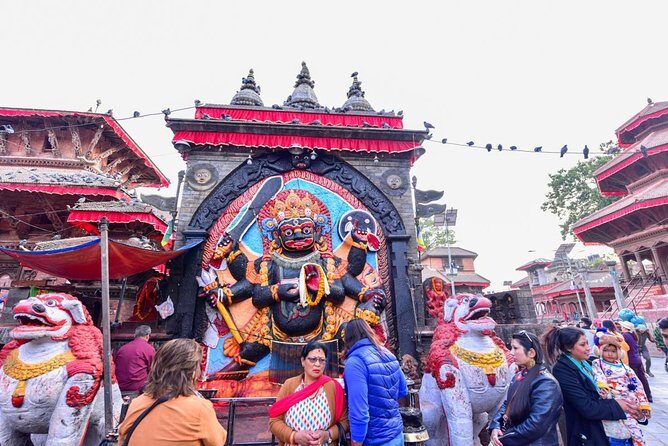
- Swayambhunath’s hilltop position is built in, so you get a fast orientation view over the city.
- Bhaktapur’s palace-city squares include standout sights like the 55 Window Palace and Nyatapola Temple.
- A guide makes temple etiquette easier at complex sacred sites like Pashupatinath.
- Private transfer support helps reduce the usual first-day “where do I go?” stress.
- Entrance fees aren’t included, so budget a bit extra once you arrive.
Why this UNESCO Kathmandu circuit fits real-life schedules
Kathmandu can feel like a lot at first. One street turns into another, scooters appear from nowhere, and religious sites can look similar until you know what to look for. This tour gives you a clear route through the places that define the Kathmandu Valley, so you spend your time learning the story instead of searching for it.
The best part is that the sites aren’t just random “must-sees.” You move through different spiritual worlds: Hindu worship at Pashupatinath, major Buddhist devotion at Bouddhanath and Swayambhunath, then Newari royal architecture in the Durbar Squares. It’s a quick education in how Kathmandu’s faiths and artistic traditions have grown side by side for centuries.
Another practical win: it’s organized by geography. Day 2 centers on central Kathmandu heritage (including Kathmandu Durbar Square), while day 3 expands into Bhaktapur and Patan, where the architectural style becomes even more distinctive. That keeps transit from turning into a half-day commute.
You can also read our reviews of more private tours in Kathmandu


Day 1 airport meet-greet and the first night reset
Day 1 is essentially the “arrive and settle” portion. You’re met at the airport, greeted by an office representative, and transferred to your hotel. This matters more than it sounds, because the Kathmandu Valley can hit you all at once: altitude awareness, traffic, noise, and a new way of navigating streets.
Once you’re in your hotel, you’re free to recover, get a cold drink, and plan how you want to pace the rest of the trip. Since the next two days are packed with temples and palaces, this calm start is a smart setup.
Also, the tour includes a bottle of water per person. Kathmandu days can get warm, and small comforts add up when you’re outside for long stretches.
Day 2: river-side devotion, giant stupas, hilltop views, royal square
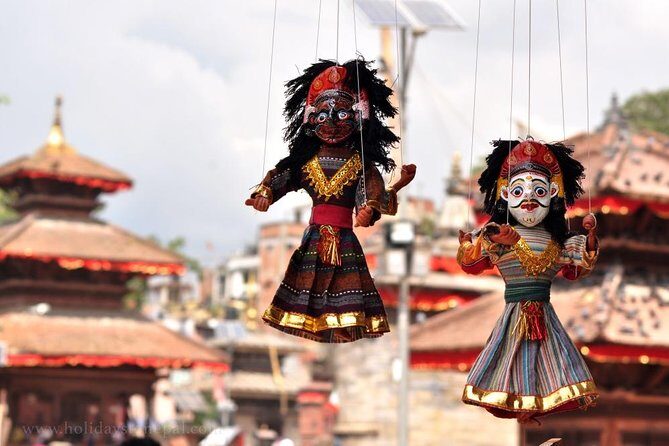
Day 2 is the “big-feeling” day. It’s where Kathmandu’s spiritual atmosphere becomes impossible to ignore, even if you’re not religious.
Pashupatinath on the Bagmati River
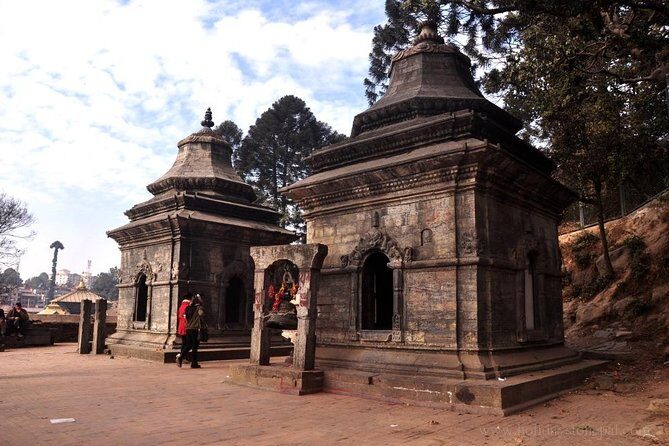
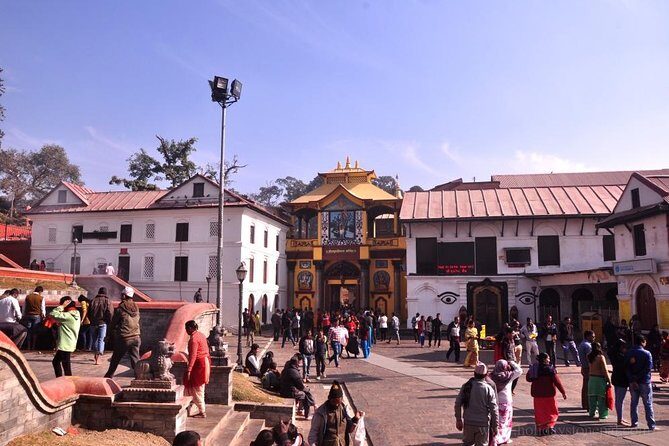
You begin at Pashupatinath, an old Hindu temple complex on the Bagmati River. This is one of the key pilgrimage sites in the city, and it’s known for drawing many devotees. Even if you’re not Hindu, it’s still worth experiencing the place through the lens of tradition and everyday devotion.
A practical note: river-side temple complexes can bring crowds and lots of standing. Wear shoes you can walk in for hours, and plan to follow your guide’s cues on where to go and how to behave respectfully.
Bouddhanath Stupa: the calm mass of Buddhism
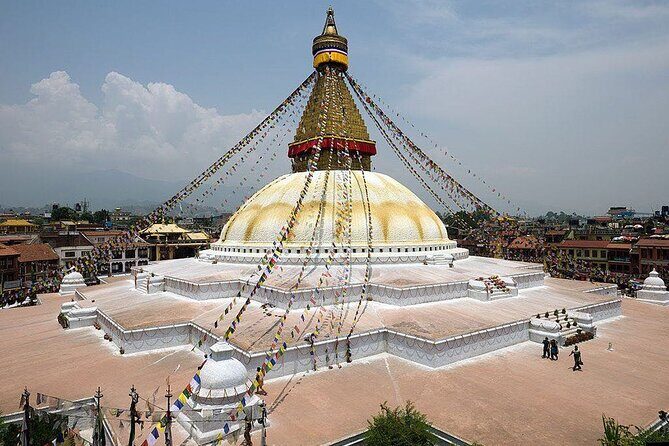
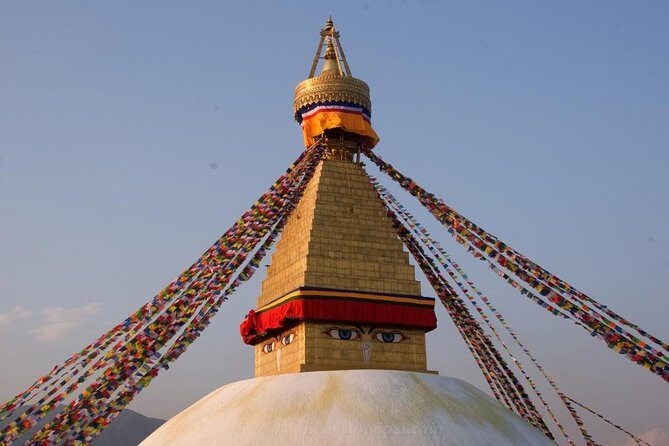
Next is Bouddhanath Stupa, also called a chaitya. It’s described as one of the largest stupas in the world and a major Buddhist pilgrimage site. If you want to see Buddhism as a living practice instead of a museum subject, this stop is a strong choice.
The scale helps. When a structure is that large, your sense of time shifts a bit. It’s the kind of place where you can take a moment, watch prayer movements, and reset before the next temple surge.
A few more Kathmandu tours and experiences worth a look
Swayambhunath: best for city orientation
Then you go up to Swayambhunath Temple, a holy Buddhist chaitya in the western part of Kathmandu Valley. It also happens to be the best viewpoint in this section of the city because it sits on a hill.
This is one of those stops that pays off later. From the hill, you get a sense of the city’s layout, which makes the rest of your sightseeing feel less like hopping between random points. On clear days, you may also catch Himalayan views in the distance, since the valley is close to mountain country.
Kathmandu Durbar Square: art and Newari craftsmanship
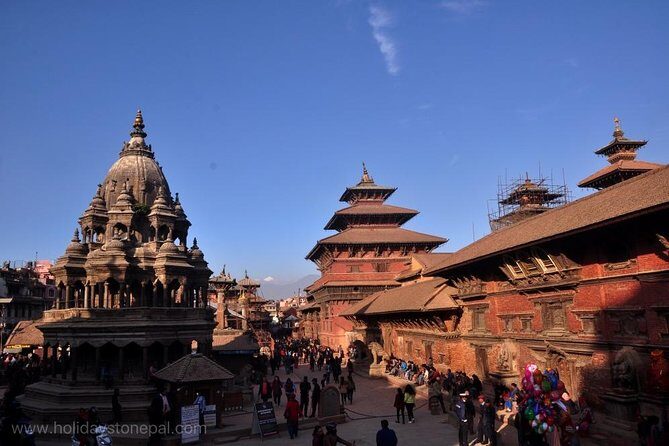
Your final day-2 stop is Kathmandu Durbar Square, in front of the old royal palace of the former Kathmandu kingdom. This square is known for unique architectural values and a mix of origins shaped by Newari artists.
Durbar Squares are not just monuments; they’re living demonstrations of how Kathmandu’s artisans used stone, carvings, and spatial design to express power and faith. Look closely for details like traditional carving and fine workmanship around palace-era structures and old temple facades.
Day 3: Bhaktapur’s palace squares, Changu Narayan carvings, and Patan’s artisan heritage
Day 3 is where Kathmandu starts to feel “deeper” in the good way. The pace stays busy, but the visual payoff is sharper because you’re moving into Bhaktapur and Patan, two places celebrated for artistic and architectural focus.
Bhaktapur Durbar Square: four squares, one royal stage
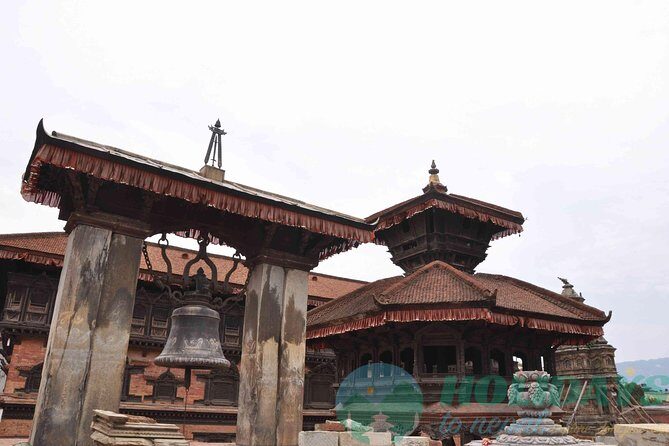
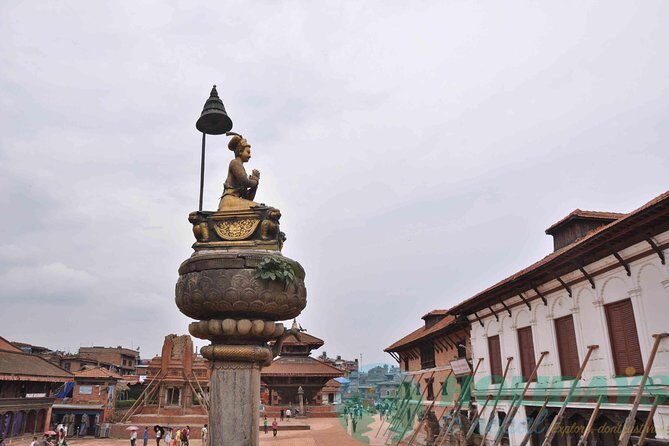
Bhaktapur Durbar Square is set in front of the royal palace of the old Bhaktapur kingdom. It’s organized into four distinct squares: Durbar Square, Taumadhi Square, Dattatreya Square, and Pottery Square. That layout matters because you can “read” the city the way locals have for generations, moving through zones rather than one endless corridor.
Key highlights include the 55 Window Palace, Vatsala Temple, Nyatapola Temple, and gates such as Golden Gate and Lions Gate. You’ll also see Bhairavnath Temple, along with smaller temple features like Mini Pashupati and the statue of Bhupatindra Malla.
This is one of the best days to slow down for photos, because palace and temple art here is unusually detailed. If you like carved surfaces, stone layering, and symbolic ornamentation, this stop is likely to be a highlight.
Changunarayan Temple: old carvings and early stories
Next is Changunarayan Temple, described as the oldest temple in Nepal with historical, religious, and cultural significance. Traditions connect its history back around 3000 years, and the site name is tied to local stories about Champak and his family.
What you’ll notice is the density of carving, statues, and inscriptions around the temple. This is the kind of place where a guide helps you make sense of what you’re looking at without guessing. If you enjoy inscriptions and older architectural motifs, you’ll probably want a bit more time here than you normally give a “single stop.”
Patan Durbar Square: carvings, temples, and the Ashoka legend
Your last major stop is Patan Durbar Square in Lalitpur district. Patan is often remembered for artistic carvings, architecture, and history. The area is described as surrounded by four stupas at each corner, and it’s considered to have been built by Emperor Ashoka (as part of local tradition).
Around the Durbar Square complex you’ll encounter major attractions such as the Mahaboudha temple, Rudra Varna Mahavihar, Machindranath temple, Golden Temple, Kumbeshwar Temple, Krishna Mandir, and Ashok Stupa. Even if you’re temple-walked out by day 3, the sheer variety in this zone gives you new visual cues every few minutes.
Day 4: a free window, then airport transfer before your flight
Day 4 is lighter in structure. You’ll have free time until your flight, then you’ll be transferred to the airport in time to board. The drive time is about 30 minutes.
That free window is useful because it gives you flexibility. You can revisit a place you liked, shop for a few practical Kathmandu items, or just take a breather. When your itinerary ends strong but doesn’t require another major temple sprint, it usually makes the overall trip feel more enjoyable.
If you have any “must-do” shopping (postcards, small gifts, or simple souvenirs), this is the time to handle it. Kathmandu’s heritage districts can be best experienced at a slower pace when you’re not rushing between scheduled stops.
The value play: what you get for $500 and what costs extra
The listed price is $500 per person for a 4-day short private tour. For many people, the value comes from the mix of private logistics plus a full-day professional guide. You’re not just buying rides; you’re buying time with someone who can point out what matters and help you move efficiently.
Here’s what’s included:
- An air-conditioned vehicle
- Fuel surcharge
- Airport/departure tax coverage (as listed)
- Landing and facility fees (as listed)
- Pickup and drop-off from designated meeting points within Kathmandu City
- One bottle of water per person
- Full day sightseeing with a professional guide
- Breakfast (3)
What’s not included is the part people often forget to budget:
- Monument entrance fees and other facility fees not specifically mentioned
- Lunch and dinner
- Nepal visa cost
So the real cost is the base price plus daily meals and site entry fees. That can still be good value if you want a guided “UNESCO focus” trip rather than doing it yourself. If you’re traveling on a tight budget, you’ll want to set aside money for entrances and at least one lunch option each day.
One more value angle: the tour includes a mobile ticket. That can simplify check-in and reduce paperwork headaches, especially when you’re juggling flights and hotel transitions.
Private format perks: comfort, pacing, and local guidance
A private tour changes the feel of Kathmandu. You’re not negotiating the pace of a larger group or watching for strangers who take extra time at every doorway. Instead, your guide can work around your rhythm, and the AC vehicle helps when the heat or congestion builds up.
Pickup and drop-off are included within Kathmandu City, which helps a lot. Kathmandu can be rough on “figuring it out” days, and a smooth transfer system means you lose less time getting from A to B.
About guidance: the name Kiran Neupane shows up in client feedback as someone who gave excellent support for a first-time Nepal trip. You don’t get that kind of experience from a generic driver-only setup. If your guide team includes someone with that level of care, you’ll likely get better context at each site and fewer awkward moments trying to understand temple rules on your own.
Also, the operator is described as being connected 24/7 in client feedback. That’s comforting when your plans change or you need a quick check before you head out.
Practical tips for temple etiquette and photo timing in Kathmandu
Kathmandu is not a “dress like a tourist and hope for the best” city at sacred sites. You’ll get more out of the day if you dress for comfort and respect.
Wear clothing that you can move in and that covers your shoulders and knees at temples. Keep your shoulders calm, your steps steady, and your camera ready but not blocking people in prayer areas.
For photography, the hilltop and square layouts matter. Swayambhunath is on a hill, so you’ll want to time your photos with your guide’s pacing. Early or late in the day often gives softer light, and it can be easier to step aside from crowds.
You’ll also get the most from Durbar Squares if you slow down at the small details. Look at carved windows, stone patterns, and how palaces and temples are grouped. The architecture here is closely tied to Newari craft, and that craft shows up in the “in-between” spaces as much as it does in the biggest monuments.
Who should book this 4-day private tour?
This tour is a great match for:
- First-time visitors who want a focused UNESCO overview without wrestling with navigation
- People who prefer guided temple context over DIY guessing
- Families or mixed-age groups who appreciate private transfers and an AC vehicle
- Culture-first travelers who like architecture, carvings, and heritage districts
It may be less ideal if:
- You want a totally unstructured trip with maximum free roaming
- You dislike long days of walking between temple courtyards and palace squares
- You’re trying to keep every expense extremely low, since entrance fees and meals add up
FAQ
How long is the Kathmandu exploration tour?
It runs for about 4 days.
Is this tour private?
Yes. It is a private tour/activity, and only your group participates.
What time does the tour start?
The start time is 10:00 am.
Do you pick me up from the airport and transfer to my hotel?
Yes. On day 1, an office representative meets and greets you at Kathmandu airport and transfers you to your hotel.
What’s included for meals?
Breakfast is included for 3 mornings. Lunch and dinner are not included.
Are monument entrance fees included?
No. Monument entrance fees and other facility fees are not included unless specifically mentioned.
What transport do I get during the tour?
You get an air-conditioned vehicle, plus pickup and drop-off from designated meeting points within Kathmandu City.
Is a mobile ticket provided?
Yes. The tour includes a mobile ticket.
Is the Nepal visa cost included?
No. The Nepal visa cost is not included.
What if the experience needs to be canceled due to poor weather?
If it’s canceled due to poor weather, you’ll be offered a different date or a full refund.
Should you book this Kathmandu 4-day private tour?
Yes, if you want a guided, logistics-friendly way to see Kathmandu Valley’s top heritage sites in a short time. The best reason to book is the combination of private transport, a professional guide, and a tight route that hits major Hindu and Buddhist landmarks plus the Durbar Squares.
I’d especially consider it if you’re traveling for the first time and you’d rather spend your energy admiring carved stone and temple details than figuring out what goes where. Just budget for entrance fees and meals, because those extras are part of how Kathmandu heritage visits work.
If you’re the type who likes planning but still wants room to breathe, this 4-day structure is a solid fit. You’ll get a strong overview, and you’ll leave knowing exactly where to go next if you return.