REVIEW · KATHMANDU
Langtang Valley Trekking
Book on Viator →Operated by Himalayan Social Journey · Bookable on Viator
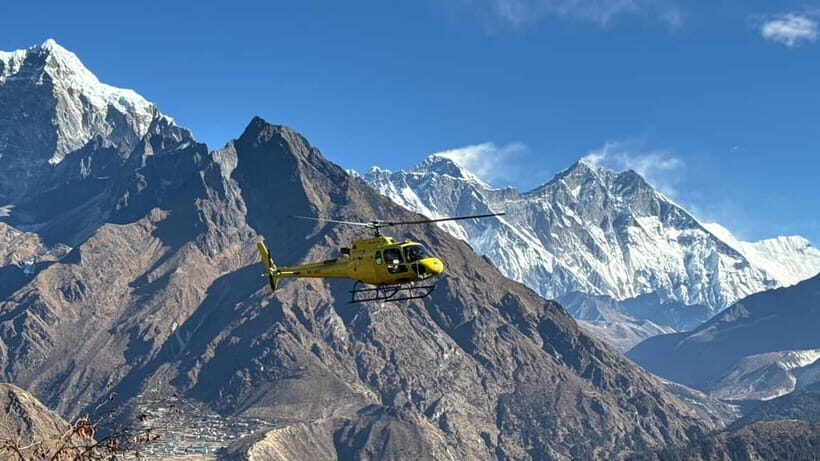
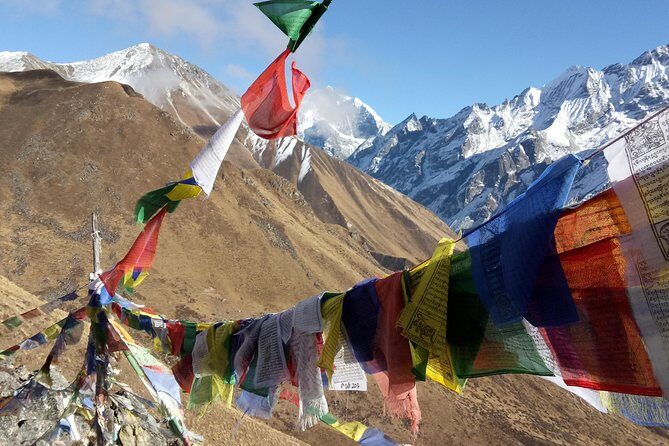
Langtang feels like Nepal’s best-kept secret. This is a private, guided trek into a calmer valley than the headline routes, where you hike past forests, waterfalls, farmland, and Sherpa villages, ending at the Kyanjin Gompa area. I like how the trip balances big views with day-to-day structure, so you’re not constantly figuring out what comes next.
Two things I especially enjoyed are the personal attention from your guide and the fact that the route is designed for a steady progression: Syabrubesi to Lama Hotel, then onward toward Langtang Valley and Kyanjin Gompa. There’s also a real sense of solitude here, which makes the trail feel slower and more rewarding.
One consideration: this is not a gentle stroll. You’ll need moderate fitness and you should expect long, sometimes steep hiking plus a very long drive on Day 1 (about 12 hours) getting to Syabrubesi.
In This Review
- Key takeaways before you go
- Why Langtang Valley hits different
- Price and value: what $700 really covers
- Day 1: the long Kathmandu to Syabrubesi push (Rasuwa)
- Day 2: Lama Hotel and why the first hike matters
- Days 3-4: Langtang Valley toward Kyanjin Gompa
- Day 5: the Kyanjin Gompa rest and excursion day
- Day 6: back down to Lama Hotel (don’t rush it)
- Day 7: the trek back to Syabrubesi
- Day 8: return to Kathmandu and a softer landing
- Lodges, breakfasts, and what to carry
- Guides, pace, and who this trek suits best
- Should you book this Langtang Valley trekking experience?
- FAQ
- What is the duration of this Langtang Valley trekking experience?
- Where does the trek start, and where do you drive to?
- Is hotel pickup included?
- What time does the experience start?
- What about permits and entry fees?
- Are meals included?
- What lodging is provided during the trek?
- Is bottled water provided?
- Is this trek suitable for children?
- Can I cancel for a full refund?
Key takeaways before you go
- Private tour, no mixed group pressure, with personalized guide support throughout
- Permits handled (TIMS and national park fees are included), so you spend less time on admin
- Local lodge twin-share stays with breakfast, plus bottled water noted for hydration
- Kyanjin Gompa has a built-in rest/excursion day, helpful for settling in at altitude
- Sharing jeep transport KTM–Syabrubesi–KTM keeps logistics simple, even if the ride is long
Why Langtang Valley hits different
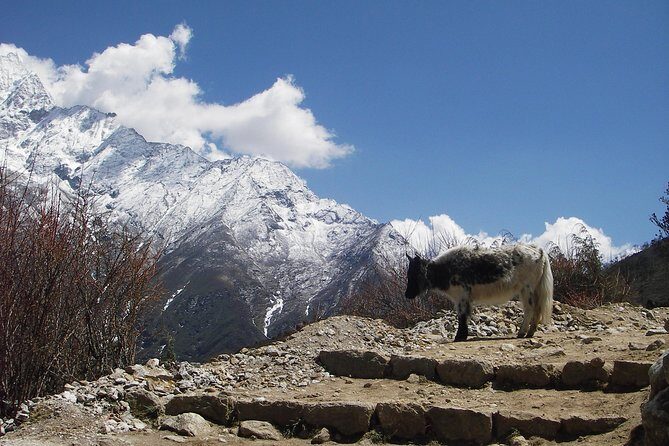
If you’re drawn to Nepal for the mountains and trekking but want something quieter, Langtang is a strong match. You get that classic Himalayan sense of scale, but the valley feels less packed and more lived-in. The trek moves through changing scenery types, from forested stretches and waterfall country to farmland and Sherpa settlements. It’s the kind of variety that keeps your brain awake on trekking days, especially when the trail starts to feel repetitive elsewhere.
What makes this style of trek work well is the pacing and structure. You’re not just dropped off with a map. A guide stays with your group and handles the route flow, so you can focus on walking, weather, and altitude comfort. In practice, that matters because mountain travel is rarely just about distance. It’s about how your body adapts across days.
You can also read our reviews of more hiking tours in Kathmandu



Price and value: what $700 really covers
At $700 per person for about 8 days, you’re paying for more than a guide. You’re buying a lot of the “messy parts” of trekking: transportation, permits, lodge stays on the trek, and most meals.
Here’s what that means for value:
- Transportation is handled with a sharing jeep from Kathmandu to Syabrubesi and back. You don’t need to arrange buses, jeeps, or transfers.
- Your permits and fees are included, including TIMS and national park fees. For many people, this is the difference between starting smoothly and losing time to paperwork.
- Lodging during trek days is covered in local lodges on a twin-sharing basis, and breakfast is included (6 breakfasts total). That means fewer meals to plan and budget for mid-trek.
- A trekking guide and necessary crew expenses are included. The tour specifies that meals, accommodation, insurance, and other expenses for the trekking crew are covered, which often translates into a more stable operation.
What you should budget separately:
- Food and drinks beyond breakfast, plus alcohol if you want it
- Travel insurance for yourself
- Kathmandu accommodation (the package starts with pickup, but it doesn’t include where you sleep in Kathmandu)
If you’re comparing prices, look at the “hidden” costs: permits, lodge costs, and transport. This trek bundles those into the one number, so it’s easier to see what you’re actually paying for.
Day 1: the long Kathmandu to Syabrubesi push (Rasuwa)
Your day starts with a hotel pickup in Kathmandu around 4:45 pm, then you ride to Syabrubesi. The total drive time is listed as about 12 hours, so yes, it’s a slow, long start. The upside of a scheduled drive is you won’t waste energy negotiating transport or worrying about missed departures.
Syabrubesi is the gateway town for the Langtang region. Even before your trekking boots hit the dirt, you’ll feel the terrain shift from city rhythm to mountain travel mode. When a trek begins with a long ride, I recommend you do two simple things:
- pack snacks you’ll actually eat on the vehicle
- keep your most-used layers accessible, because weather can change fast in Nepal
You’ll also want to accept that Day 1 isn’t about effort you can measure like miles. It’s about getting safely positioned for hiking the next morning.
Day 2: Lama Hotel and why the first hike matters
From Syabrubesi, you trek to Lama Hotel. The listed time is about 12 hours. That’s a big day, and it’s likely where your body first understands what the trek demands.
Why this stop is important: Lama Hotel is a practical stepping stone. You’re moving from the entry area deeper into the valley, and you’re also starting to establish a routine for pace, breaks, and hydration. Even if you feel strong at the start, longer walking days can sap you if you try to “win” the hike early.
A guide helps here by keeping you on a sensible schedule. The tour also notes bottled water to keep you hydrated, which is a huge comfort factor on longer trekking days. And because meals beyond breakfast aren’t included, you’ll likely buy lunch and dinner along the way at local spots, so having some cash and being comfortable with simple mountain food options matters.
Days 3-4: Langtang Valley toward Kyanjin Gompa
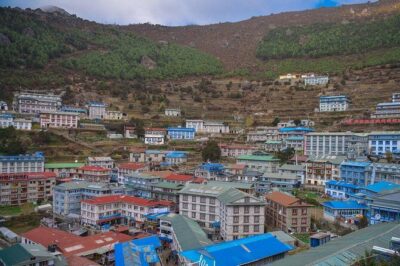
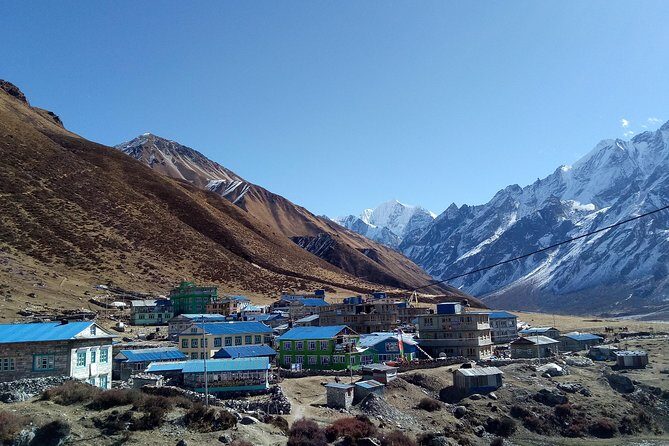
On Day 3, you trek to Langtang village (about 5 hours). This is where the trek turns from “getting there” into “being in it.” Langtang village is a Sherpa-influenced community area in the Langtang region, and the vibe tends to feel more human-scale than the wild edges of higher passes.
Expect a mix of forest and settlement patterns. The scenery doesn’t just look pretty—it becomes navigational and emotional. When you’re walking through farmlands and villages, you’re reminded that this is not only scenery for photos. People live here year-round, and that changes how the trail feels underfoot.
Day 4 takes you onward to Kyanjin Gompa (another 5 hours). Kyanjin Gompa is the hub area for views and acclimation. The bigger payoff is the sense that you’re approaching the heart of the Langtang foothills—more mountain presence, more dramatic sky, and a clearer line between valley life and high-country terrain.
If you’ve never done altitude trekking, this is where you’ll appreciate a guided plan. The guide isn’t just there to point at the next bend. They’re there to manage timing, walking rhythm, and day-to-day decisions so you don’t push too hard too soon.






Day 5: the Kyanjin Gompa rest and excursion day
Day 5 is a lighter one on paper: about 3 hours. This is your rest and excursion day at Kyanjin Gompa.
I like rest days because they reduce the “grind” factor. When the trek has a built-in pause, you get time to:
- settle into the lodge routine
- take short walks without the pressure of “moving every day”
- adjust clothing layers and breathing as the altitude feels different
Also, an excursion day is where the mountain rewards your patience. Even a short outing around Kyanjin Gompa can feel like a fresh trek because the viewpoints and the angles change quickly.
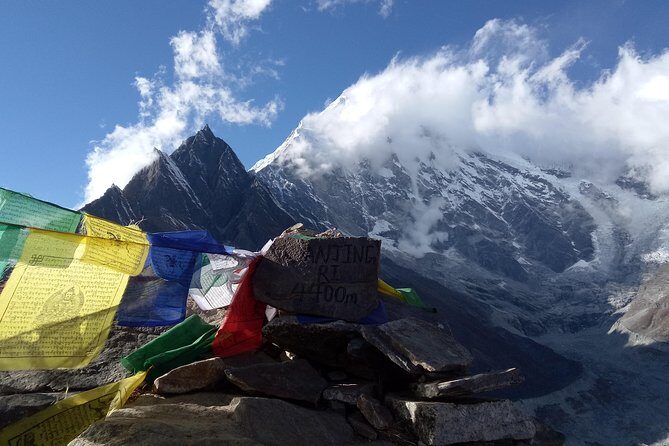
In earlier Langtang experiences with guides from this operator, hikers have even mentioned reaching viewpoints around 5,000 m such as Kyanjin Ri when conditions allow. Not every group will do the same side push, but the Kyanjin Gompa area gives you opportunities to go higher if your body is cooperating.
Day 6: back down to Lama Hotel (don’t rush it)
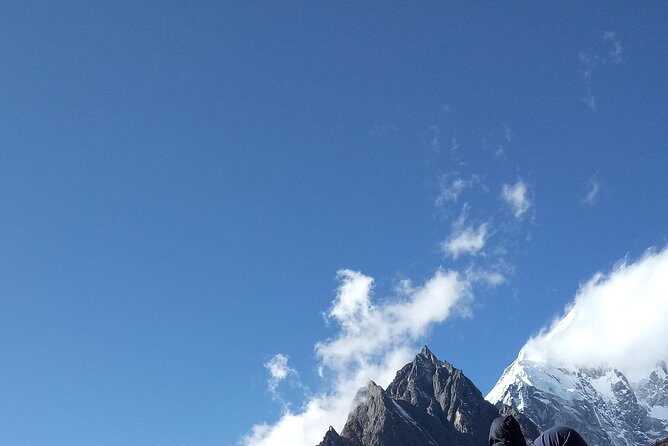
Day 6 returns you from Kyanjin Gompa down to Lama Hotel (about 5 hours). Descents can feel easier mentally, but they often punish your knees and calves if you start sprinting. The smarter move is to walk slower than you think you need to. Short steps, steady pace, and frequent micro-breaks keep your legs from turning into jello.
Why this day matters: you’re reversing the route, but your body is still adapting to altitude. Even when you’re going down, you can feel tired. Let the guide set a comfortable rhythm and treat this as a recovery day that still demands attention.
Day 7: the trek back to Syabrubesi
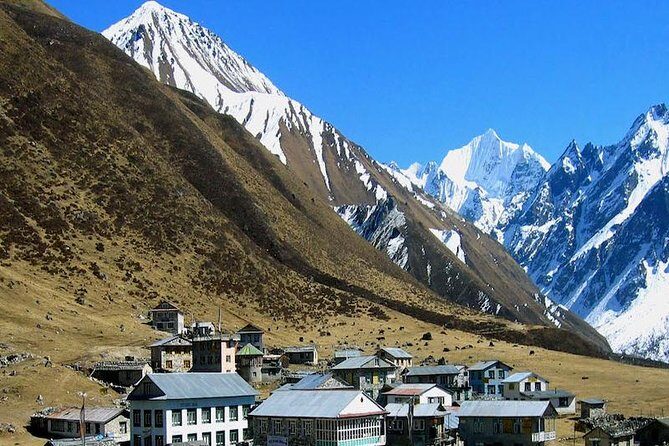
Day 7 brings you down to Syabrubesi (listed about 5 hours), giving you one last long walking day before the Kathmandu return.
This is also the day where you can tell who packed smart. People who planned for hydration and foot comfort usually move better in the final stretch. People who waited to buy basic trekking needs sometimes struggle more in the last 24–48 hours.
The guide and the group dynamic help a lot. When you’re tired, it’s easy to get sloppy with your footing. A good guide keeps the pace steady and reminds you to take the trail seriously even when you want it to be over.
Day 8: return to Kathmandu and a softer landing
On Day 8, you drive back to Kathmandu. The drive is about 4–5 hours, which feels short compared to Day 1. That’s intentional: it gives you a quicker finish, so you’re not stuck in the vehicle for half the day after trekking hard.
Once you’re back in Kathmandu, you’ll be glad the tour structure ends with a ride that’s already planned. You don’t have to coordinate transport when you’re physically done. If you’re staying in Thamel, that’s a common end-of-trek base, but the main point is simple: have your Kathmandu lodging arranged before you depart so you’re not scrambling at the finish.
Lodges, breakfasts, and what to carry
During trekking days, you’ll sleep in local lodges on a twin-sharing basis. Lodges are practical, not luxury. Plan for basic comforts and bring a mindset that expects warmth, plain food, and simple rooms.
Meals:
- Breakfast is included (6 breakfasts total).
- Other meals and drinks are not included, and you’ll buy them along the way.
Gear notes that matter:
- The tour includes necessary equipment such as a sleeping bag and a duffle bag if needed.
- You’re also told to expect bottled water to help with hydration.
Even with provided gear, I suggest you think about the things that change your comfort fast:
- a warm layer for mornings and evenings
- sunscreen and sunglasses (mountain light is no joke)
- foot care for long days (blisters can end a trek faster than bad weather)
Guides, pace, and who this trek suits best
This is a private tour, meaning it’s just your group with your guide. That matters if you want flexible pacing, clearer communication, or a more personal experience. It also tends to make logistics smoother because the guide can tailor breaks and walking rhythm to your group.
The guide quality shows up in the way hikers talk about their experience with specific staff. Names that have come up in past treks include people such as Raam/Ram, Mingmar, Bishnu, PK, Krishna, and Tika/Tikaram, with consistent themes of friendly support and first-hand knowledge. If you’re hoping for a guide who actively helps you feel confident, this kind of track record is a good sign.
Fitness reality check:
- The tour says it’s for moderate physical fitness
- It’s not recommended for children under 12
- The trekking times include long days, plus a long first trek day and steep-long effort reported in similar Langtang efforts
So who should book?
- You should book if you’re comfortable with multi-day hiking and you want a quieter, guided Langtang experience.
- You should reconsider if you want an easy stroll, or if you’re not ready for long walking days and uneven trail fatigue.
Should you book this Langtang Valley trekking experience?
If you want a guided trek into Langtang Valley with permits handled, transportation arranged, and local lodge stays included, this package is strong value. The schedule makes sense for a quieter route, and the rest day at Kyanjin Gompa is a smart design choice for altitude comfort.
Book it if:
- you’re aiming for a more peaceful Langtang than the more crowded routes
- you want a private guide and fewer logistics headaches
- you’re okay with buying lunch and dinner beyond breakfast
Consider another option if:
- you’re looking for a beginner-level trek with minimal effort
- you don’t want the long vehicle day at the start (about 12 hours)
Overall, I’d call this a practical way to see Langtang properly: less scrambling, more walking with a plan, and a real shot at those big mountain moments without the stress.
FAQ
What is the duration of this Langtang Valley trekking experience?
It’s listed as 8 days (approx.).
Where does the trek start, and where do you drive to?
You’re in Kathmandu, and you’re driven to Syabrubesi at the start.
Is hotel pickup included?
Yes. The tour includes hotel pickup and drop-off in Kathmandu.
What time does the experience start?
Start time is listed as 4:45 pm.
What about permits and entry fees?
The tour includes necessary permits and fees, including TIMS and national park fees.
Are meals included?
Breakfast is included (6 breakfasts total). Other meals and drinks are not included.
What lodging is provided during the trek?
You’ll stay in local lodges on twin sharing basis during the trekking days.
Is bottled water provided?
The tour features note bottled water to keep you hydrated.
Is this trek suitable for children?
It’s not recommended for child aged under 12.
Can I cancel for a full refund?
Yes, you can cancel for a full refund if you cancel at least 24 hours in advance of the experience’s start time.