REVIEW · KATHMANDU
Kathmandu: Dhulikhel to NamoBuddha Day Hike with Lunch
Book on GetYourGuide →Operated by Cordial Trek Pvt. Ltd. · Bookable on GetYourGuide
One morning and thousand steps later, Namobuddha hits different. This hike pairs a slow-slow mountain climb with a guided tour at Thrangu Tashi Yangtse Monastery, plus a lunch that keeps the day moving.
What I like most is the mix of views and meaning: you get panoramic Himalayan scenery on the way up, and you also get the Buddhist story that gives the place its emotional weight. I also really appreciate the human touches—guides like Pratip and Terence Tamang set a calm pace and explain what you’re seeing without rushing you.
One thing to consider: the ascent includes a thousand steps, so if you hate stair workouts or you’re coming in at low energy, plan for plenty of breaks.
If you’re deciding whether this is your kind of day in the Kathmandu valley, here are the parts worth packing your motivation for.
- Mountain views almost the whole way up from the Dhulikhel side
- Kali Temple and trail waypoints that break up the climb
- Guided visit to Thrangu Tashi Yangtse Monastery with a clear legend behind it
- Lunch included (Nepali thali set or momo) so you’re not hunting food late
- Optional add-ons: zipline in Dhulikhel and Bhaktapur tour
- Overnight option near Namobuddha for a quieter second look
In This Review
- Why Dhulikhel to Namobuddha Works So Well for a Nepal Valley Escape
- Getting There: Kathmandu to Dhulikhel by Air-Conditioned Ride
- Dhulikhel Start: Zipline If You Want a Thrill Before the Steps
- The Thousand Steps: From Dhulikhel Through Kali Temple Toward Namobuddha
- Trail Life You’ll Actually See: Farming, Villages, and Newari Culture
- Thrangu Tashi Yangtse Monastery: The Legend That Changes the Visit
- Lunch in the Middle of Nowhere: Nepali Thali or Momo
- Day Trip vs Overnight: Why Staying Near Namobuddha Can Be Worth It
- Day trip feel
- Overnight feel
- Guides and Drivers: The Real Quality of This Hike
- Price and Value: Why This Is Surprisingly Good for $4.66
- Who Should Book (and Who Should Skip) This Namobuddha Stair March
- Practical Tips That Make This Hike Feel Easier
- Should You Book the Dhulikhel to Namobuddha Hike?
- FAQ
- Where is pickup for this hike?
- How long is the experience?
- What lunch is included?
- Do I have to hike, or is there a zipline option too?
- Can I stay overnight near Namobuddha?
- How long is the monastery visit?
- Are bottled drinks provided?
- What languages are the guides?
- Is there a cancellation option?
Why Dhulikhel to Namobuddha Works So Well for a Nepal Valley Escape
This is the kind of hike that doesn’t just give you photos. It gives you a rhythm. First you get the comfort of a short ride out of Kathmandu. Then you trade traffic sounds for step sounds. That trade matters, because Namobuddha is a place where quiet is part of the experience, not a bonus feature.
I also like that it’s flexible. You can do it as a single-day trip or choose the overnight option. That choice changes the whole vibe. A day trip feels like a focused visit. Overnight feels like a slower conversation with the monastery and the valley below.
The route also hits two different “Nepal” flavors in one morning: temple legend and everyday local life. You’ll pass farming scenes and see how people live here—especially through villages along the way.
Getting There: Kathmandu to Dhulikhel by Air-Conditioned Ride
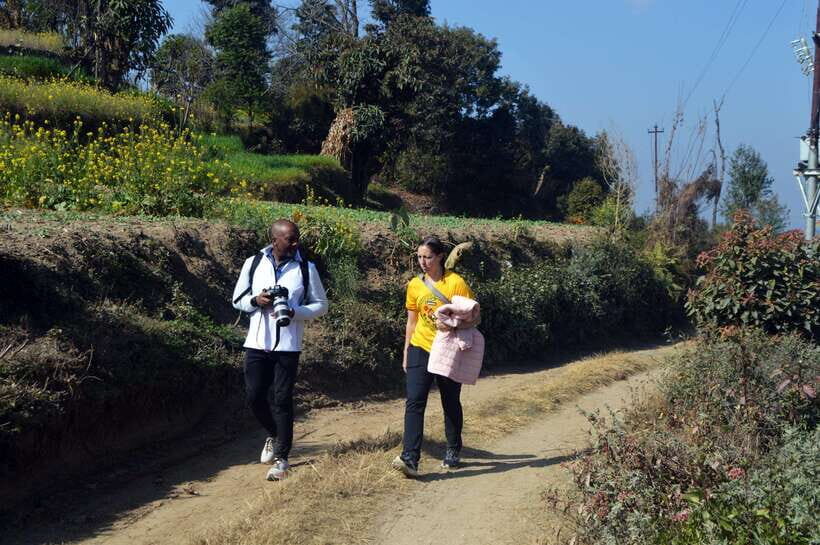
Your day starts with pickup from Thamel (Kathmandu), then an hour or so of driving toward Dhulikhel, a hill station with cooler air and wide viewpoints. The vehicle is air-conditioned, which is a real relief when Kathmandu starts warm and the roads get bumpy.
The transport quality is one of the quiet strengths of this experience. A lot of reviews praise smooth, careful driving even when weather is rough or roads are under construction. If you’ve ever arrived in Nepal already tired, that matters. You don’t need extra stress before the stairs.
Once you reach Dhulikhel, you’re not just dropped off. There’s a brief pause to get oriented and enjoy the hill-station atmosphere for a moment before the hike starts.
A few more Kathmandu tours and experiences worth a look


Dhulikhel Start: Zipline If You Want a Thrill Before the Steps
Before the climb, you may have time for a quick stop in Dhulikhel—then the option for ziplining (the add-on is about 30 minutes). If you choose it, you’re swapping altitude views from ground level to something closer to a bird’s-eye angle. It also helps break the day into two moods: fun first, then spiritual trekking.
Not everyone will want the zipline. But if you’re traveling with a mix of hiking stamina, it can be a good way to keep the early part lively without turning the hike into something extreme.
If you skip it, you’ll still get that early buffer: time to settle your legs, check water, and line up your shoes. The climb to Namobuddha rewards people who show up prepared, not people who rush.
The Thousand Steps: From Dhulikhel Through Kali Temple Toward Namobuddha
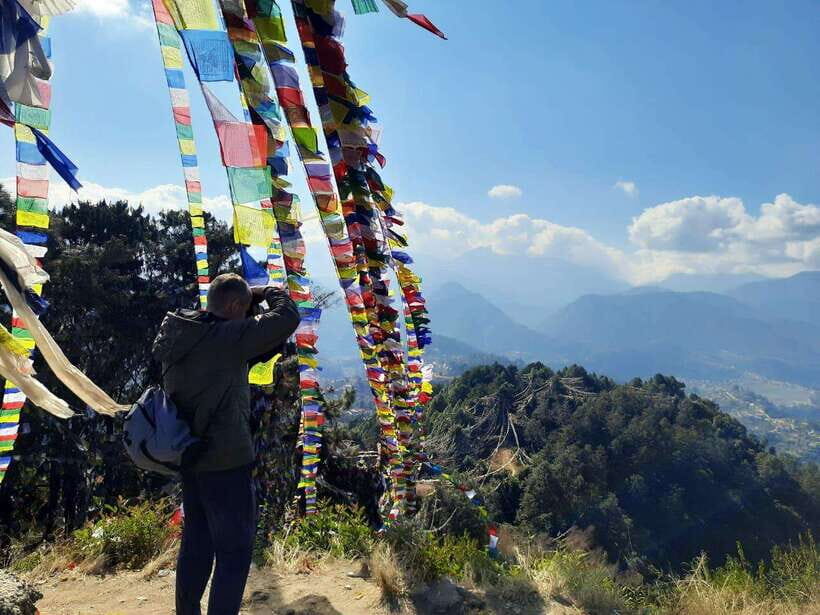
The main event is the hike from Dhulikhel to Namobuddha Monastery. Plan for roughly three hours of hiking, plus stops. The “thousand steps” detail isn’t marketing fluff. It’s the defining feature of the day.
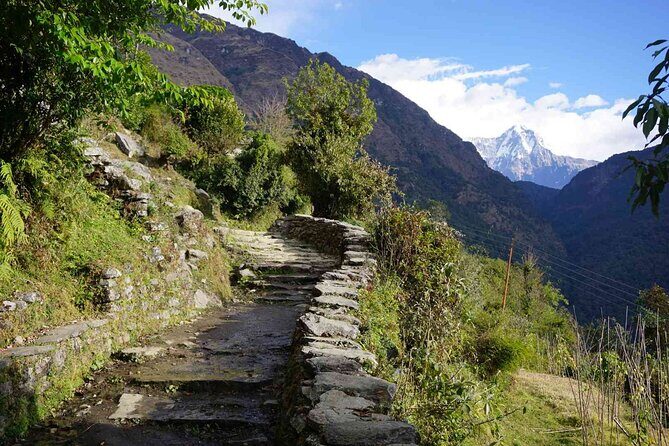
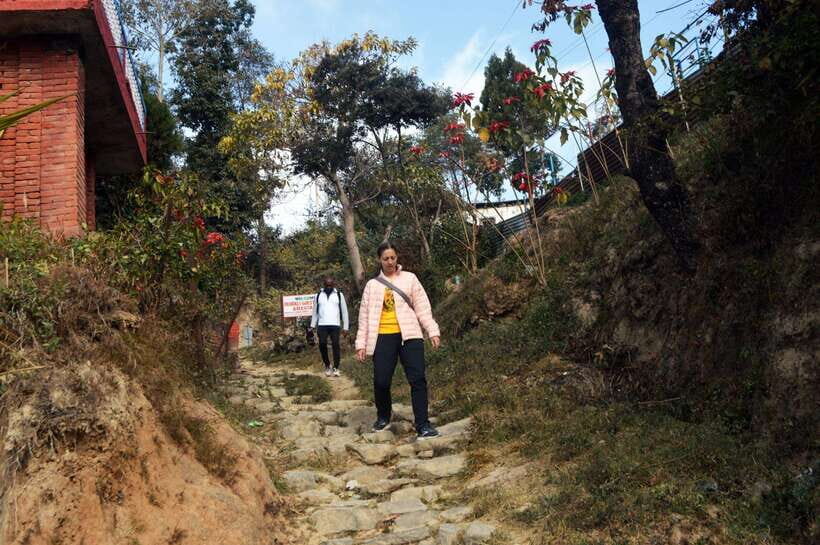
The good news: the trail doesn’t feel like one long punishment. Along the way, you pass the sacred Kali Temple and move through areas like Kavre Bhanjyang. Those landmarks help you pace the climb. Every time your legs start bargaining, you get another moment of meaning or a new view.
Also, your guide matters here. Reviews highlight guides like Pratip encouraging climbers step by step, and others (like Prakash or Raj Tamang) tailoring the pace so you don’t feel shoved along. If you’re the type who likes to keep a steady tempo, tell your guide what pace you want early.
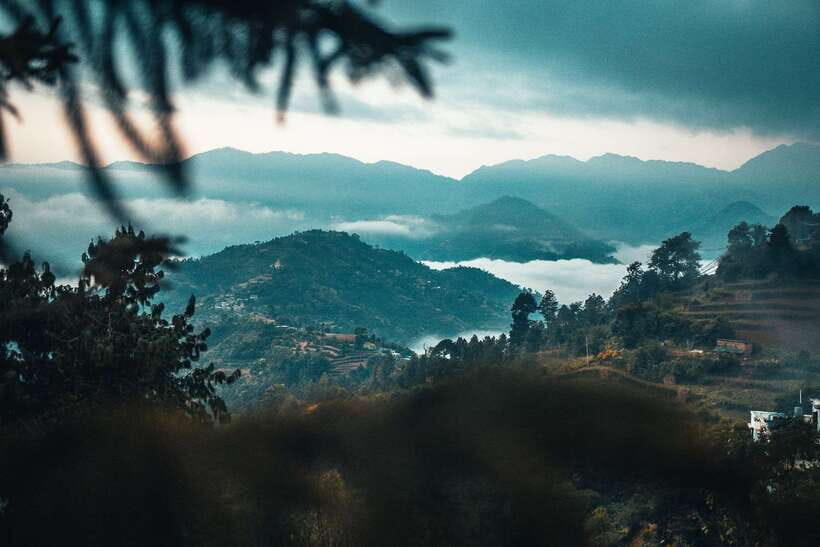
Finally, the views are the payoff. On a clear day, the Himalaya shows up in a way that makes the effort feel fair. Even on less perfect days, you still get valley views that keep your eyes busy. The hike is short enough to stay pleasant, long enough to feel earned.
Trail Life You’ll Actually See: Farming, Villages, and Newari Culture
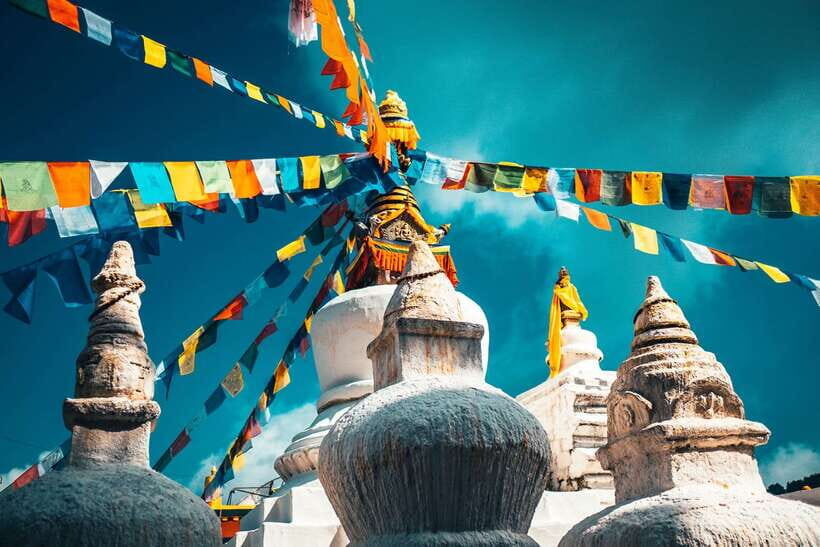
One of the most satisfying parts of this hike is that it’s not only about the monastery at the end. The trail gives you glimpses of how people live outside the big city rhythm.
You’ll notice traditional farming along the way and see how local communities manage daily life on steep terrain. The experience is also linked to Newari lifestyle, which shows up through the way people move through fields, pathways, and village stops. Even if you only have a day, this kind of observation makes the valley feel real instead of scenic on autopilot.
A guide helps here. When someone like Nilakantha Acharya or Rupak explains what you’re walking past—religious sites, local context, and what certain places mean—it turns random sights into an actual story. That’s why I’d choose a guided hike over a solo scramble.
Thrangu Tashi Yangtse Monastery: The Legend That Changes the Visit
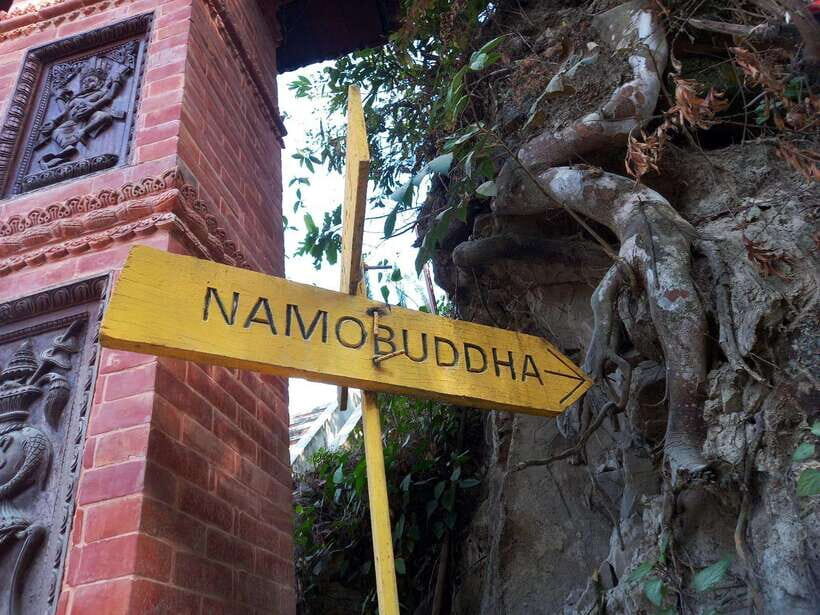
Reaching Namobuddha isn’t just the end of the hike. It’s where the hike becomes a story with an emotional core.
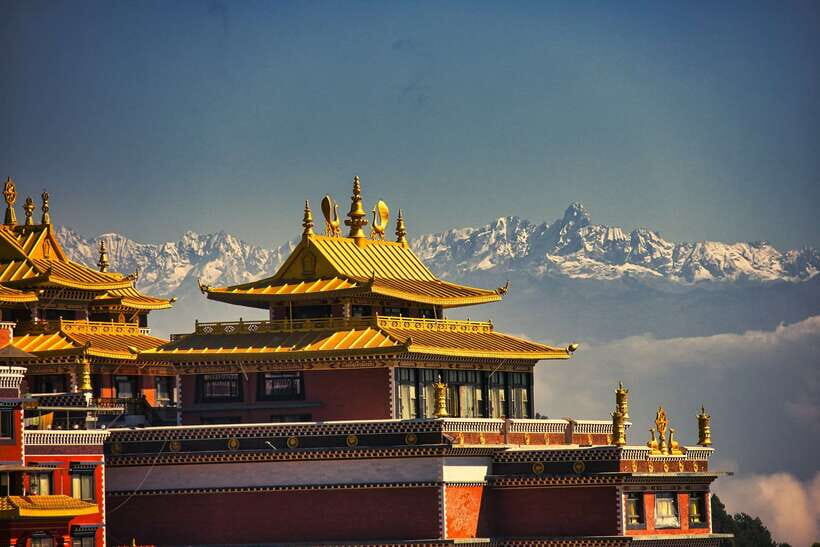
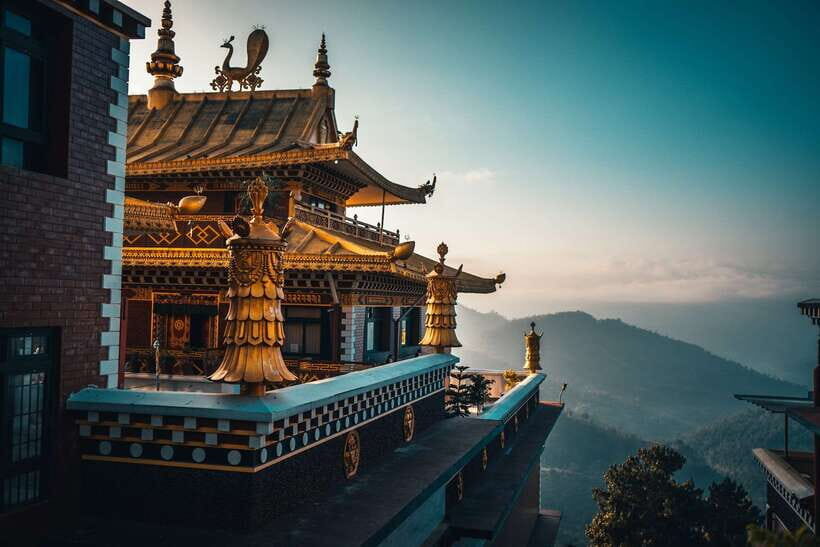
Your visit includes a guided tour at the Thrangu Tashi Yangtse Monastery, perched on a hill. The place is famous for a deeply compassionate legend tied to Prince Mahasattva (also referenced as Ngingdui Tshenpo) about 6,000 years ago. While observing the jungle, he encountered a starving tigress with her five cubs. In an act of radical compassion, he offered his own life so the tigress could survive and her cubs would live.
That legend isn’t a trivia line. It’s the reason the monastery feels reverent rather than just decorative. If you go in knowing the story, you’ll likely notice how everything around you seems built to hold that idea of sacrifice and care.
One practical note: inside the monastery, photos are not allowed. Bring your camera, but plan on using it mostly outside or for the hike scenes. The inside is described as colorful and vibrant, and you’ll want your eyes for that, not your lens.
You can also read our reviews of more hiking tours in Kathmandu



Lunch in the Middle of Nowhere: Nepali Thali or Momo
Lunch is included, and that helps more than you might think. There’s no scramble for a late meal after the climb, and it keeps the day from turning into a hangry sprint toward the monastery.
You can choose from Nepali thali set or momo for lunch. A thali-style meal is usually the best option if you want a broad taste of Nepali food without making decisions all afternoon. Momo is a safer bet if you’re protecting your energy for the final stretch and prefer something familiar.
Either way, think of lunch as part of the pacing strategy. A guided hike isn’t just about distance. It’s about managing energy so you can enjoy the monastery without feeling fried.
Day Trip vs Overnight: Why Staying Near Namobuddha Can Be Worth It
You’ve got two ways to do this: a day trip back to Kathmandu, or an overnight extension near Namobuddha.
Day trip feel
If you do the day trip, you’ll ride back to Kathmandu in the late afternoon. It works well if:
- You only have limited time in the Kathmandu valley
- You want the monastery as a highlight without turning it into a multi-day commitment
Overnight feel
If you choose overnight, the experience includes a guesthouse stay in the Namobuddha area, plus full board meals for the overnight option only. That means you’re not just sleeping there—you’re slowing down with the place.
The biggest benefit of overnight is timing. Temples change with daylight. Morning light and evening quiet can make the monastery feel very different than the first-time rush. If you’re the type who likes reflection, this option fits.
Guides and Drivers: The Real Quality of This Hike
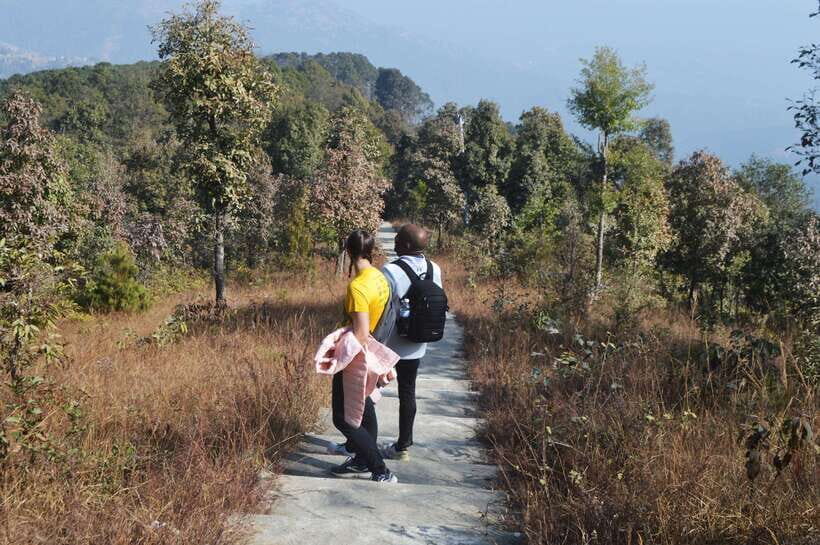
A hike is only as smooth as the people running it. This one tends to win because guides take the “how” as seriously as the “where.”
Across the experience, guides are praised for:
- Keeping a relaxed pace on the steps
- Answering questions in English or Hindi
- Building confidence so you don’t feel rushed or alone
You’ll hear names like Raj Tamang, Prakash, Harikamal, Pratip, Nilakantha Acharya, and Terence Tamang. The consistent theme is that they don’t just point at sights. They explain the mountains, the culture, and the spiritual meaning tied to Namobuddha. Terence Tamang, for example, is specifically noted for conversations about life and spirituality, not just trail logistics.
Drivers also deserve credit. Road conditions can be tough around Nepal’s hills, and a careful driver helps you arrive with your head clear. Reviews mention drivers like Hari and Ram for smooth, safe rides even in difficult conditions.
Price and Value: Why This Is Surprisingly Good for $4.66
The listed price is $4.66 per person, which is extremely low for a guided day with transport and lunch. Now, a realistic travel note: low prices can sometimes mean “extra costs later.” In this case, the inclusions are strong enough to make the value feel legit: pickup and drop, an experienced guide, lunch, bottled water, and an air-conditioned vehicle.
What you might add later:
- Zipline (if you select the add-on)
- Bhaktapur tour (if you select the add-on)
- Overnight stay only if you choose the two-day option
So the value story is simple: you can do a straightforward guided hike with lunch at a budget price, then upgrade if you want extra experiences. That’s a good setup if you’re flexible and you don’t want to overpay for a single highlight.
Who Should Book (and Who Should Skip) This Namobuddha Stair March
This hike is best for people who:
- Like moderate walking and don’t mind a stair climb
- Want a mix of cultural sites and Himalayan views
- Enjoy guides who explain context, not just route directions
It’s not a fit for everyone. The experience is listed as not suitable for:
- Children under 6
- Wheelchair users
- People over 95
If you’re on the edge stamina-wise, don’t assume you’ll be able to power through. This is one of those hikes where pacing is everything, and the thousand steps will decide how you feel.
Also, weather changes everything. Clear skies make the views more dramatic, but the hike still runs in various conditions. Bring the right clothes for cool mornings and warming afternoons.
Practical Tips That Make This Hike Feel Easier
Here’s how to set yourself up for a smoother day.
- Wear comfortable shoes with grip. The climb is mostly steps, so you want stable footing.
- Bring cash. It’s listed as something you should have.
- Pack a camera, but remember photos are not allowed inside the monastery.
- Bring a passport. Yes, it’s requested for this activity, so don’t leave it behind.
- Bring comfortable clothes for changing temperatures across the valley.
Most importantly: if you’re planning your energy, don’t treat the hike like a race. Your guide can help you find a pace that fits you, and the view payoff is better when you arrive calmer.
Should You Book the Dhulikhel to Namobuddha Hike?
If you want a meaningful day in the Kathmandu valley—one that mixes Himalayan views, local village life, and a guided monastery visit—you should book this.
I’d especially recommend it if:
- You like calm, guided hikes with time to ask questions
- You care about cultural context (the Prince Mahasattva story matters here)
- You want lunch included and a smooth return to Kathmandu
Skip it if stairs are a hard no for you, or if you’re traveling with someone who can’t handle steep step climbs.
If you do book, aim for a day with decent visibility when possible, and plan your shoes and energy like you’re actually doing the thousand steps. The monastery is the kind of place where effort feels rewarded, not wasted.
FAQ
Where is pickup for this hike?
Pickup is available from Thamel, Kathmandu.
How long is the experience?
It runs 5 hours for the day trip, or you can choose a 2-day option with an overnight stay.
What lunch is included?
Lunch is included as either a Nepali thali set or momo.
Do I have to hike, or is there a zipline option too?
The zipline is an add-on option (about 30 minutes in Dhulikhel). Hiking is part of the route to Namobuddha.
Can I stay overnight near Namobuddha?
Yes. You can extend the experience with an overnight stay at the monastery area (in a guesthouse/resort), and meals are provided for the overnight option.
How long is the monastery visit?
You get a guided tour of the monastery for about 1 hour.
Are bottled drinks provided?
Yes, you’ll have bottled drinking water included.
What languages are the guides?
The live tour guide speaks English and Hindi.
Is there a cancellation option?
There is free cancellation up to 24 hours in advance for a full refund, and you can reserve now and pay later.