REVIEW · KATHMANDU
Private 8 – Day Langtang Trekking
Book on Viator →Operated by Nepal Alternative Treks & Expeditions Pvt. Ltd. · Bookable on Viator
A trek called Langtang grabs you fast. You start in Kathmandu, ride out to Syafrubesi, then work your way through forests and Tamang and Tibetan settlements to finish at Kyanjin Gompa, the oldest monastery in the valley. The whole thing mixes scenery with real village life in the Langtang National Park region.
Two things I really like: the trip is private (so your group sets the rhythm), and the support is built-in with a government-authorized guide plus porters, lodge stays, permits, and daily oxygen saturation checks. One consideration: this is a real mountain trek that depends on good weather, so if conditions turn rough, you’ll need flexibility.
Private trek, serious support, and a valley that delivers.
In This Review
- Key highlights that matter before you book
- Price and what you truly get for $584.22
- The core idea: a Langtang Valley trek with culture baked in
- Getting out of Kathmandu: Day 1’s bus ride into the hills
- Day 2 to Lama Hotel: dense forest trekking and a classic stop
- Day 3 to Langtang Village: the trek gets steeper—and more village-like
- Day 4 to Kyanjin Gompa: prayer flags, stone walls, and a spiritual finish
- Day 5: Kyanjin village and the big altitude view at 4884m
- Day 6: retracing back toward Lama Hotel through rhododendron forest
- Day 7: the descent to Syafrubensi and the forest tunnel feeling
- Day 8: back to Kathmandu by road through terraced fields
- The guides and porters: why people keep praising this company
- What’s included on the ground (and what you’ll pay separately)
- Who this trek suits best (and who should reconsider)
- Should you book Private 8-Day Langtang Trekking?
- FAQ
- How long is the Private 8-Day Langtang Trek?
- Where does the tour start and end?
- What time does the tour start?
- Is this a private trek?
- What major places will you visit?
- What is included in the price?
- Are permits included?
- What meals are included?
- Is pickup from Kathmandu included?
- What’s the cancellation policy?
Key highlights that matter before you book
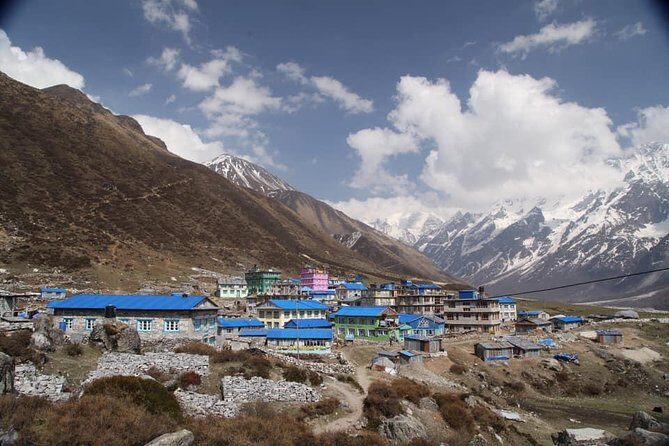
- Kyanjin Gompa is the finish line: you’re hiking to the oldest monastery in the Langtang Valley.
- Kyanjin Ri is a full view day: a hike up to 4884m is built into the schedule, not just optional fluff.
- Daily oxygen saturation checks: safety monitoring is included every day on the trek.
- Permits are covered: Langtang National Park fee and TIMS are included, so fewer surprises.
- Meals and lodge beds are covered: breakfast, lunch, and dinner are included across the trekking days.
- The operator personalizes: guides like Dhan, Amar, Tek, and Ritika are repeatedly praised for care, communication, and getting people safely to key points.
Price and what you truly get for $584.22
At $584.22 per person, this isn’t a bare-bones hike. You’re paying for the parts that actually add up in Nepal trekking: a government authorized guide and porters (with their expenses handled), lodge accommodation during the trek, and the permits you’re required to carry (Langtang National Park fee plus TIMS). You also get a trekking map, a duffle bag, and even a trekking completion certificate.
What feels like good value is the way the inclusions reduce admin stress. Meals are handled too: breakfast (7), lunch (8), dinner (7). And you’re not left wondering about day-to-day safety. Oxygen saturation checks happen every day, and there’s assistance for emergency rescue evacuation.
The other quiet win: you’re traveling on overland transport as laid out in the itinerary, and pickup is offered. That matters on trek trips because Kathmandu logistics can eat time and energy.
You can also read our reviews of more private tours in Kathmandu


The core idea: a Langtang Valley trek with culture baked in
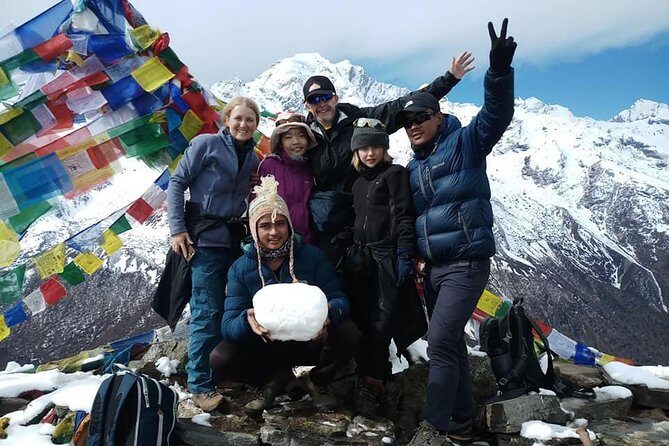
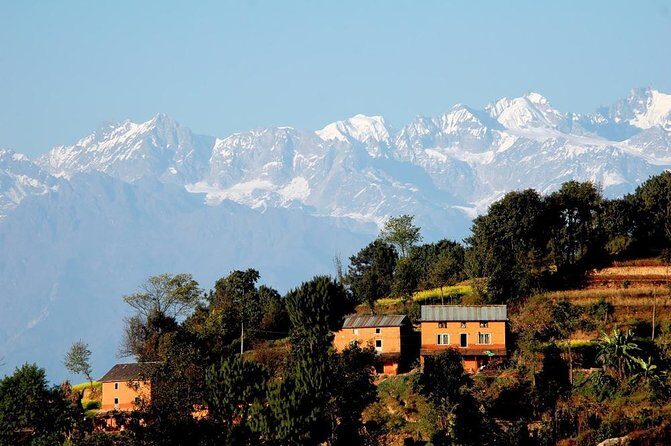
Langtang is often sold as scenery, but the smarter angle is the people. This trek goes through Langtang Valley—also called the Valley of Glaciers—and crosses Langtang National Park. Along the way, you pass Tamang settlements and ancient Tibetan ethnic communities, which makes the walk feel more grounded than a trek that only chases peaks.
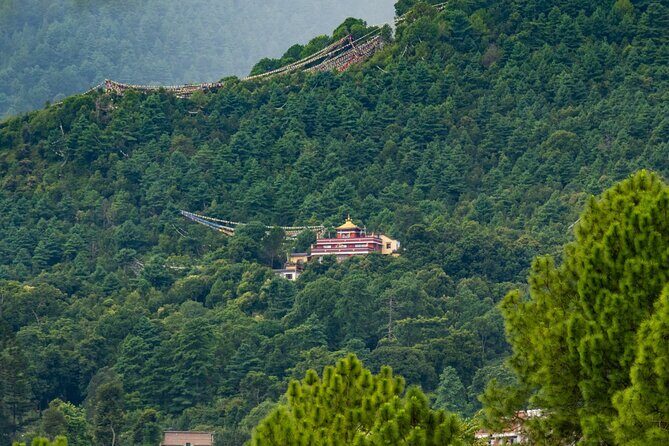
And the ending is not random. You finish at Kyanjin Gompa, described as the oldest monastery in the valley. That gives your last trekking day meaning, not just distance.
Getting out of Kathmandu: Day 1’s bus ride into the hills
You start at 7:15am from the meeting point in Kathmandu (near public transportation). Then it’s a long overland day: you board a bus and drive toward Syafrubensi. The day is listed at about 6 hours on the road.
Why that matters: your trek starts without you fighting transportation chaos in Kathmandu. You also ease into the trip by switching from city movement to countryside movement. Expect views of hills and green forests from the drive—exact details change by season, but the general vibe is rural Nepal climbing out of the valley.
Day 2 to Lama Hotel: dense forest trekking and a classic stop
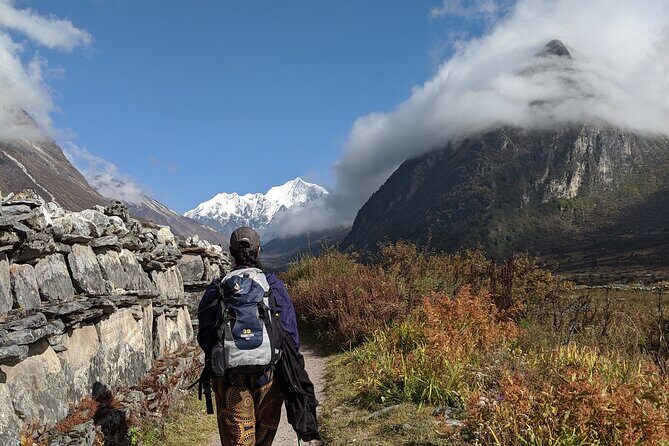
Day 2 begins after breakfast, and you trek toward Lama Hotel. This is a forest day in the best way: dense subtropical forest, lots of trees, and a steady trail rhythm. The itinerary notes that you reach Bamboo, a popular stop.
This is where your trekking day feels most “real.” You’re not looking at constant skyline views yet—you’re walking through the ecosystem that supports the valley. It’s also a good acclimation moment in practice because the route is still about building endurance rather than jumping into big altitudes immediately.
Day 3 to Langtang Village: the trek gets steeper—and more village-like
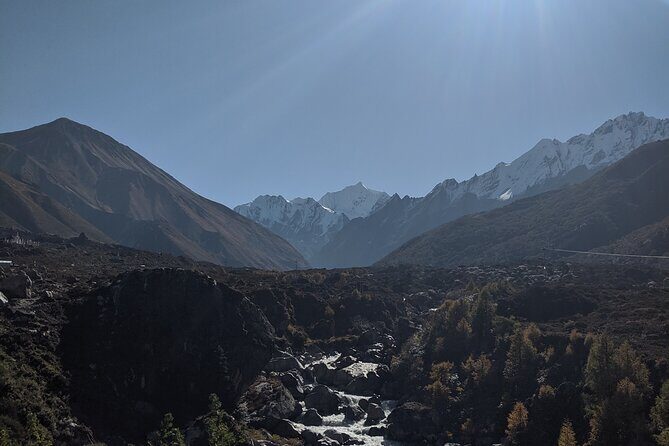
After breakfast in Lama Hotel, Day 3 takes you to Langtang Village. The schedule describes a slightly steep start that gradually gets tougher, then continuing through dense forests.
The payoff is that you’re moving from forest trekking into the community heartbeat of the valley. Langtang Village is where you start feeling the ethnicity and history of the region more directly—Tamang and Tibetan cultural influence shows up in daily life, local architecture, and the feel of the trails.
If you’re trekking with someone who needs motivation, this is a good day to encourage slow-and-steady. The route is described as increasing in difficulty, so pace is your friend.
You can also read our reviews of more hiking tours in Kathmandu


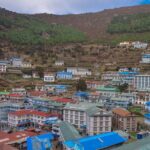

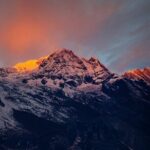
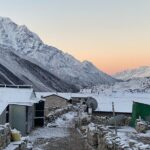
Day 4 to Kyanjin Gompa: prayer flags, stone walls, and a spiritual finish
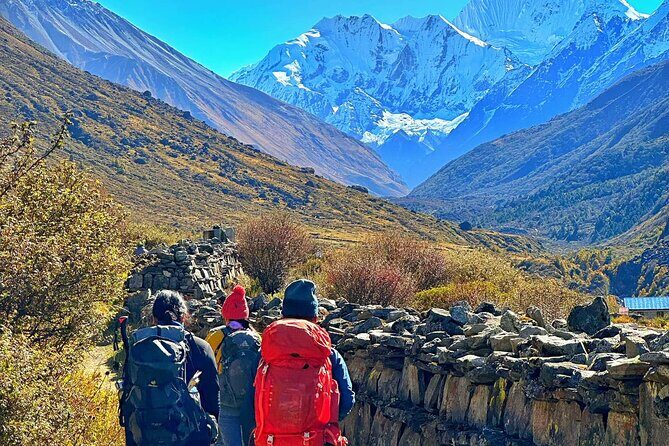
Day 4 is a short trekking block at about 3 hours, but the setting is the point. You move from Langtang Village toward Kyanjin and reach Kyanjin Gompa.
The itinerary describes ascending through a small village with stone walls and prayer flags. That’s the kind of detail you want on a trek. It means the hike isn’t just about feet and breath; it’s about noticing. And because Kyanjin Gompa is the oldest monastery in the valley, this day has extra weight: you’re arriving somewhere that’s built on long-term meaning, not just view points.
Day 5: Kyanjin village and the big altitude view at 4884m
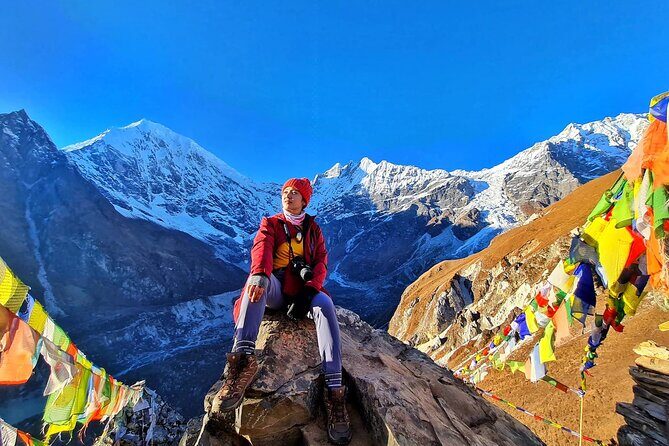
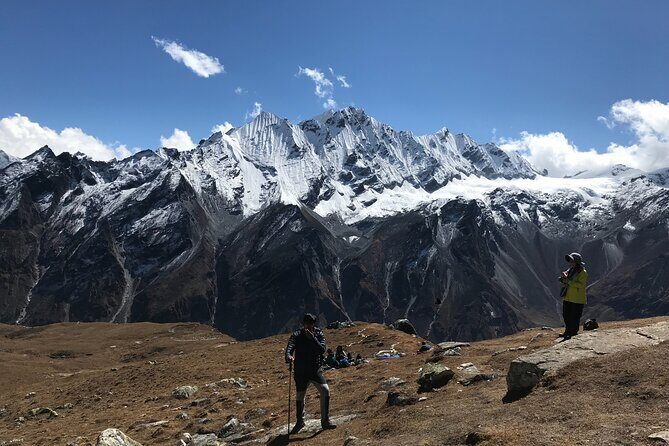
Day 5 is planned as a full exploration day in the Kyanjin area. You look around Kyanjin village and visit nearby Kyanjin Gompa. Then you have time for a hike up to Kyanjin Ri (4884m) for valley views.
This is the day that tests how you handle altitude and effort. The tour includes daily oxygen saturation checks, which helps you stay aware. Still, take this day seriously: slow pace, steady breathing, and listening to your guide is the smart play.
This is also where the “private and tailored” element can matter. In past trips run by the same operator, people have been able to add or target major viewpoint hikes with the guidance of experienced leaders—so if you’re fit and motivated, your guide can help you decide what’s reasonable without turning it into a reckless sprint.
Day 6: retracing back toward Lama Hotel through rhododendron forest
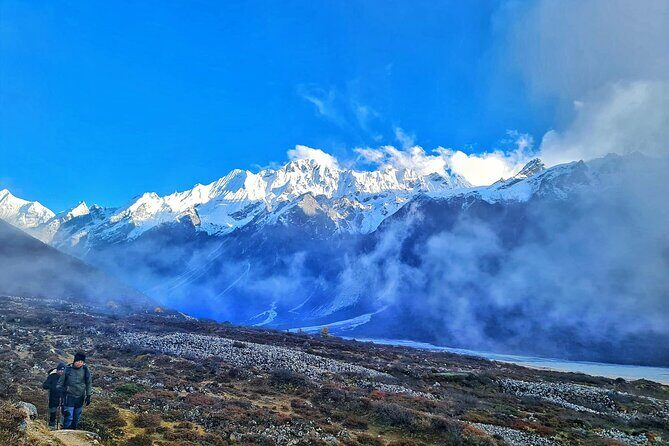
After breakfast, you begin heading back toward Lama Hotel, retracing earlier parts of the trek. The day is described as relatively easier than earlier days.
You trek down through rhododendron forests. That contrast is nice: after the effort of Day 4 and the altitude day on Day 5, Day 6 gives you a chance to recover a bit while still hiking in a scenic corridor.
In other words, it’s not a rest day, but it’s a mental reset.
Day 7: the descent to Syafrubensi and the forest tunnel feeling
On the last trekking day, you leave the Langtang region and trek down to Syabrubensi. The itinerary lists it at about 5 hours.
You start with descent, then continue through dense forests. This kind of day can be surprisingly tiring because descent taxes your legs. The trick is to keep your steps controlled—short strides, steady rhythm, and don’t let fatigue turn your form into slapdash mode.
The good news: once you reach Syafrubensi, you’re setting up for the drive back to Kathmandu the next day.
Day 8: back to Kathmandu by road through terraced fields
After breakfast, you head to the bus stop and drive back to Kathmandu. The schedule lists about 6 hours. The route includes terraced fields and small settlements.
This day is about letting your body transition from trek mode to city mode. You’ll likely feel a mix of tired pride and that gentle post-trek letdown (the mountain has been your calendar for over a week). It’s also the day when you’ll really appreciate the fact that guide, permits, lodges, and daily meals were handled for you.
The guides and porters: why people keep praising this company
The most repeated praise in the available feedback is not about fancy extras—it’s about people doing the job well.
You get one government authorized trekking guide and porters, with their all expenses included. And the guides named in prior treks—Dhan, Amar, Tek (and Tek Ghale), Kumar, Ritika, Saroj, Jangbu, and Laxman—show up in reviews as experienced, attentive, and good at English communication. Porters like Ajay, Sanjay, Ram, Sonjay, Ramesh are praised for strength and supportive care.
What I like about that pattern: it’s not just that guides are friendly. It’s that they’re described as taking the work seriously—helping people feel safe, managing the pace, and supporting key summit efforts like reaching Kyanjin Ri.
Also, the operator’s personal service shows up repeatedly, with the owner Tej described as meeting guests before and after treks and communicating well during the planning phase. If you’re the type who wants answers fast (or you’re trekking with family), this kind of responsiveness matters.
What’s included on the ground (and what you’ll pay separately)
Here’s the practical breakdown of the included pieces, because this trek is often chosen for exactly these reasons:
Included
- Overland transportation as per the itinerary
- Government-authorized guide and porters (their expenses covered)
- Lodge accommodation during the trek
- Trekking map, duffle bag, and trekking completion certificate
- Langtang National Park fee and TIMS
- Assistance for emergency rescue evacuation
- Oxygen saturation check every day
- Dinner (7), breakfast (7), lunch (8)
- Government tax/service charge, and public liability insurance
Not included
- Hotel accommodation and meals in Kathmandu
- Tea/coffee, boiled water, alcoholic drinks, laundry, phone bill, bar bill, and similar personal items
- Tips for guide and porters
The food plan is a big deal on treks. With meals provided, you’re not stuck negotiating for breakfast timing or worrying about whether you’ll have lunch on time. Still, expect that the included meals are basic lodge-style trekking meals; if you’re picky, you’ll want to manage expectations.
Who this trek suits best (and who should reconsider)
This private trek is described as suitable for most travelers, but it still climbs to significant altitude. Kyanjin Ri at 4884m is the clear altitude highlight, and even with daily oxygen checks, you’ll want decent hiking fitness.
This is a strong fit if:
- You want a private experience rather than joining a busload of strangers
- You care about cultural stops (Tamang and Tibetan communities, prayer flags, monastery focus)
- You want structured safety support (daily oxygen saturation checks)
- You prefer a trek where permits and park fees are handled for you
It may be less ideal if:
- You have very limited mobility or you can’t handle multi-day hiking and descent
- You can’t be flexible with weather, since the experience requires good conditions
Should you book Private 8-Day Langtang Trekking?
If you want a Langtang Valley trek that’s organized in a practical, low-stress way, I’d take this seriously. The value comes from the full package: permits, lodge stays, daily oxygen monitoring, and meals are handled. And the consistent praise for guide care and communication—spanning guides like Dhan and Amar and guides such as Ritika—suggests you’re not just getting a random scramble of staff.
My main “think twice” point is weather dependence and altitude effort. If you’re realistic about pacing, and you treat Kyanjin Ri day with respect, this trek can be one of the more rewarding ways to experience Langtang’s culture and mountain valley at the same time.
If you’re ready to trade city errands for prayer flags and glacier-valley views, this is a solid pick.
FAQ
How long is the Private 8-Day Langtang Trek?
The trek is listed as 8 days (approximately).
Where does the tour start and end?
It starts at the meeting point in Kathmandu (Nepal Alternative Treks & Expeditions) and ends back at the same meeting point.
What time does the tour start?
Start time is 7:15am.
Is this a private trek?
Yes. It’s a private tour/activity, meaning only your group participates.
What major places will you visit?
You’ll trek through Langtang National Park and the Langtang Valley, reach Langtang Village, arrive at Kyanjin Gompa, and have time for Kyanjin Ri (4884m).
What is included in the price?
Included items cover overland transportation, a government-authorized guide and porters, lodge accommodation during the trek, trekking map, duffle bag, trekking completion certificate, Langtang National Park fee, TIMS permits, daily oxygen saturation checks, emergency rescue evacuation assistance, meals during the trekking days, plus taxes/service charge and public liability insurance.
Are permits included?
Yes. The Langtang National Park fee and necessary permits (TIMS) are included.
What meals are included?
Dinner is included for 7 days, breakfast for 7 days, and lunch for 8 days.
Is pickup from Kathmandu included?
Pickup is offered.
What’s the cancellation policy?
Free cancellation is available up to 24 hours in advance for a full refund. If you cancel less than 24 hours before the start time, the amount paid isn’t refunded. If poor weather cancels the experience, you’ll be offered a different date or a full refund.