REVIEW · KATHMANDU
Khopra Ridge Trek
Book on Viator →Operated by Top of The World Treks Pvt.Ltd · Bookable on Viator
Khopra Ridge feels like a backdoor into Annapurna. This trek blends Khopra Ridge viewpoints and high-altitude days with quieter, more local nights that lean into home-stay style simplicity. I especially like how it uses Kathmandu and Pokhara as real recharge stops, instead of just rushing you from one trailhead to the next.
I love the “less developed” character: fewer crowds, more village life, and more direct contact with the hills. I also like the human side—guiding from Biru Tamang and Bhoj, backed by a porter team that keeps things moving and calmer when the trail gets long.
The tradeoff is comfort. Lodges and tea houses are very basic, so you’re trading hotel-style convenience for a closer, more honest feel of rural Nepal.
In This Review
- Key takeaways before you go
- Khopra Ridge Trek: what makes this Annapurna route feel different
- Price and value: what $1,461.49 covers (and what to watch)
- Kathmandu start: Thamel dinner, Swayambhunath monkeys, and getting your gear sorted
- Pokhara as your recovery base: Fewa Lake and World Peace Stupa time
- Day 3 to Day 4: from Nayapul into Ghandruk and Tadapani’s rhododendron corridor
- Day 5 to Day 6: leaving the sanctuary trail for Dobato and beyond
- Day 7 and 8: Kopra Ridge at 3,870m, then Khayer Lake at 4,827m
- Day 9 to Day 10: descending through buffalo pastures to Paudwar and Tatopani hot springs
- Day 11 to 14: Pokhara and Kathmandu wrap-up with Durbar Square and free time
- Who this trek fits best (and who should choose something else)
- Book it or pass? My take on the decision
- FAQ
- What kind of accommodations should I expect on the trek?
- How high does the trek go?
- Is this trek suitable for a moderate fitness level?
- How do the meals work?
- What’s the transportation like between Kathmandu, Pokhara, and the trail?
- Do I get a guide and porters?
- Is the tour private?
- Is there time for sightseeing in Kathmandu and Pokhara?
- Is free cancellation available?
Key takeaways before you go
- A quieter Annapurna route with home-stay-style nights instead of crowded base-camp energy
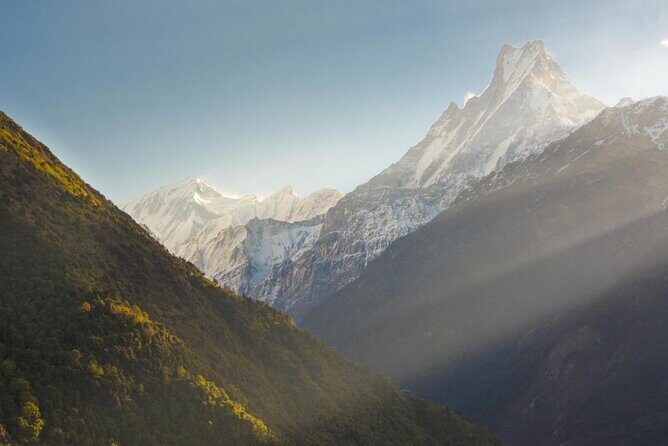
- Two big view days: Kopra Ridge at 3,870m and Khayer Lake and temple at 4,827m
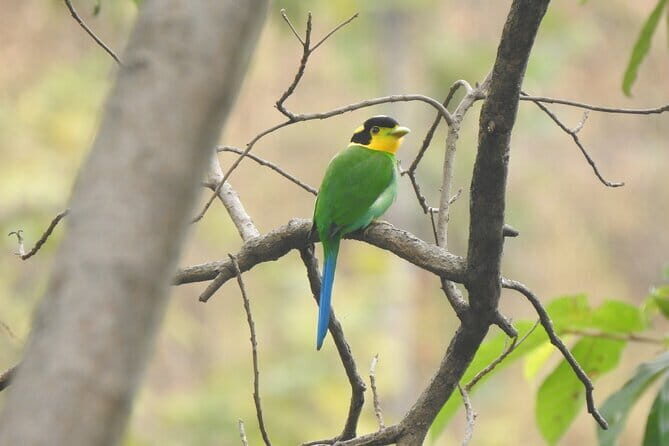
- Wildlife and forest variety including rhododendron country, plus chances to spot mountain thar and danfe pheasant
- Hot springs payoff in Tatopani after a scenic descent
- Pokhara buffer time with Fewa Lake boats and the World Peace Stupa
- A private-group feel so your pace and needs get handled by your guide team
Khopra Ridge Trek: what makes this Annapurna route feel different
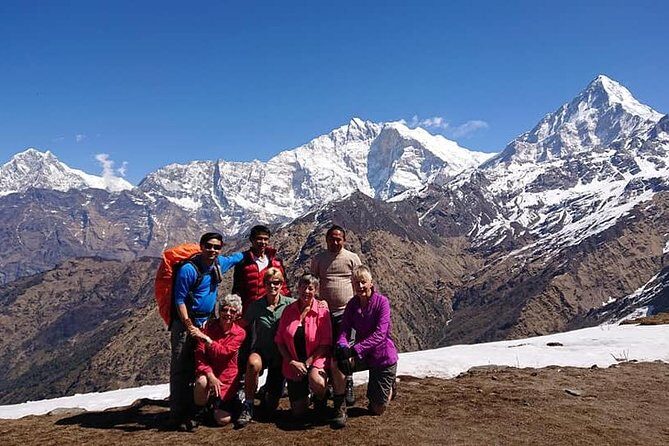
Khopra Ridge sits in the Annapurna region, but it does not feel like the same old trekking conveyor belt. The route is described as a new path in the area, and that shows in the vibe: more local routines, simpler accommodations, and less tourist infrastructure than the most famous Annapurna trails.
For you, that usually means two things. First, the nights can feel more like staying with Nepalese families than checking into a comfort-grade lodge. Second, the views don’t come with a bunch of crowd-management logistics; they come because the trail position puts you there.
You can also read our reviews of more hiking tours in Kathmandu
Price and value: what $1,461.49 covers (and what to watch)
At $1,461.49 per person for a trek that runs about 14 days, you’re paying for a full “program,” not just the walking. This includes hotel time in Kathmandu at the start, transport around Nepal’s key cities, a private-group setup, and trekking support that includes meals along the trek.
One clear value point: meals on trek are included. That matters because trekking food costs and decision fatigue can add up fast when you’re tired and high up. Another value point: pickup is offered, which helps when you land jet-lagged and just want things to work.
What to consider is that the trek portion uses basic lodge/tea house arrangements. If you expect clean, cozy, predictable hotel standards every night, this is not that kind of trip. You’ll get comfort in the places designed for it (Kathmandu and Pokhara), and simplicity where the route goes remote.
Kathmandu start: Thamel dinner, Swayambhunath monkeys, and getting your gear sorted
Your Kathmandu day is built around two goals: get your bearings fast, and knock out a classic cultural hit before the mountains take over. In Thamel, you’re met on arrival and taken by bus about 45 minutes to the heart of the city. After a shower, you get time for a cup of tea and a nighttime dinner, plus a look at the tourist district that gives you context for what you’re about to see.
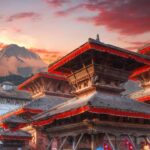
Then comes Swayambhunath, a Buddhist stupa and monastery over 2,000 years old. It’s one of those places where the views feel practical, not just scenic—because you can look across the valleys and get an immediate sense of Kathmandu’s layout. You’ll also see monkeys, so if you bring anything outside a daypack, keep it zipped. They’re curious, and curiosity in Nepal has claws.
That second Kathmandu day also includes prep time for the trek. You’ll pack, confirm kit, and do some shopping in Thamel if you still need essentials. This “slow down before the climb” approach is smart. Altitude punishes rushed packing.
Pokhara as your recovery base: Fewa Lake and World Peace Stupa time
Pokhara is your mid-trip decompression zone. It’s set around Fewa Lake, with sightseeing options that feel lighter than trekking logistics. The itinerary uses Pokhara on both ends: first to start trekking with an easy transition, then again after the mountain days to let your body settle.
On the trekking return side, you take boats across the lake and then walk up to the World Peace Stupa. From there, you get another big perspective on mountains and on Pokhara’s layout—useful if you want the geography to click. There’s also an optional Mountaineering Museum visit if your group feels like it, which can be a nice way to turn your own trail experience into a bit of context.
If you’re the type who gets grumpy when every day is a checklist, Pokhara is the antidote. It’s where the trip turns from effort into breathing room.
Day 3 to Day 4: from Nayapul into Ghandruk and Tadapani’s rhododendron corridor
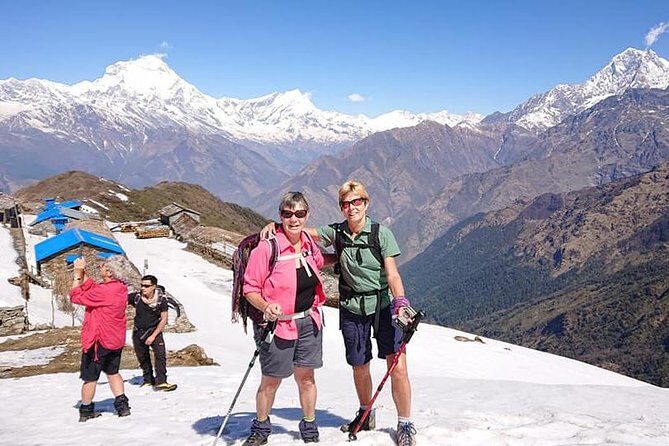
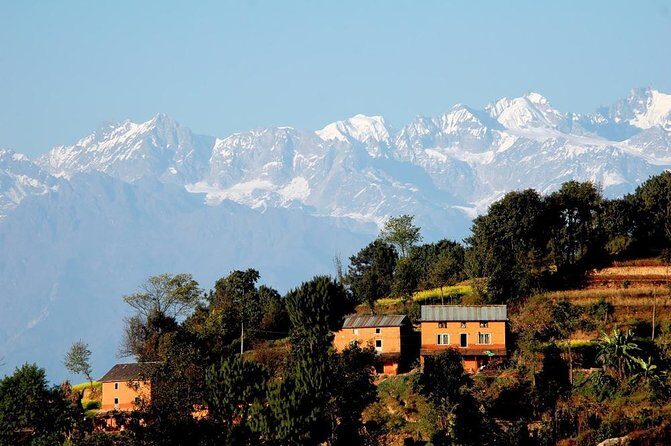
Your trek begins with a short flight from Kathmandu to Pokhara (about 45 minutes), followed by private transport to Nayapul. From there, you walk toward Ghandruk, a village at about 1,940m. This section is where the Annapurna region starts showing its textures: local village life, regional culture, and mountain views that arrive before you’re fully tired.
Ghandruk is also a cultural checkpoint. It’s part of the Gurung cultural area, which helps explain what you’re walking through, not just what you’re looking at. If you like learning while you move (instead of saving it for museums), this day sets the tone.
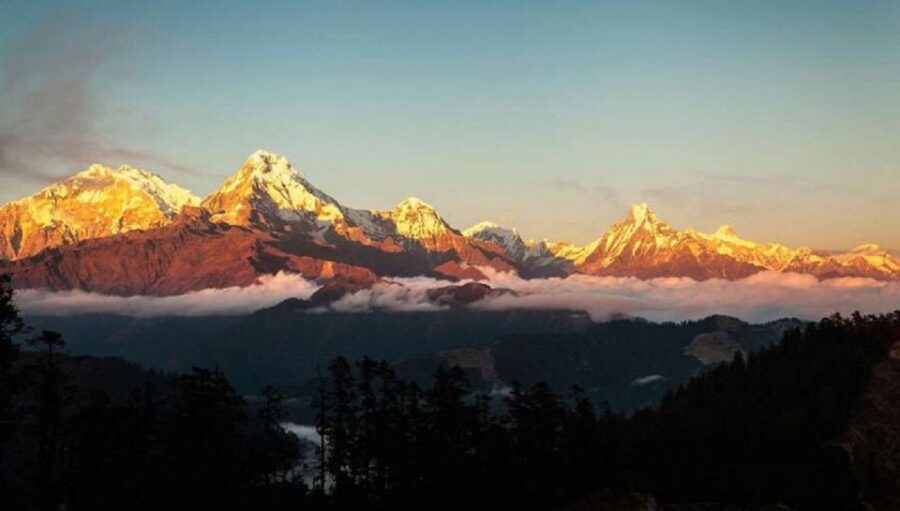
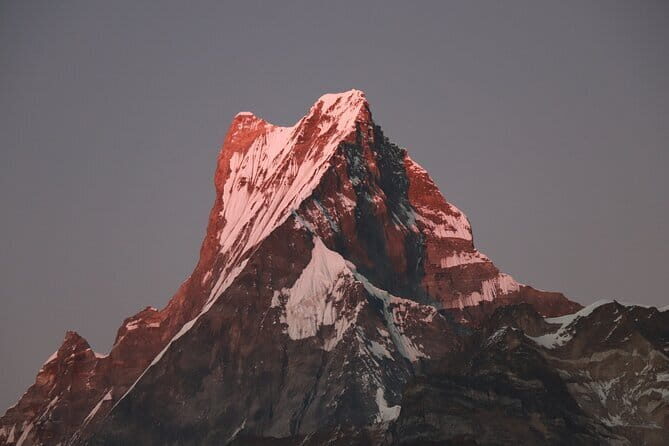
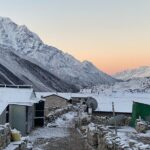
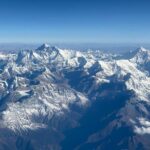
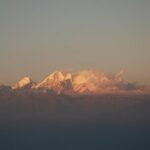
Then you push into a rhododendron forest and head toward Tadapani (about 2,300m). This is the kind of walking day that feels good even when it’s working, because the trail gives you wildlife and scenery along the way—monkeys, birds, and seasonal flowers. You’re also building sightlines to major peaks like Annapurna II, Annapurna III, Annapurna IV, Annapurna South, Machhapuchhre, and Lamjung Himal.
Tadapani is chosen for sunsets and sunrise views. That’s not just pretty marketing. When you’re that high, good timing turns the whole day into something memorable, and it helps you cope with fatigue because you’re walking toward a payoff.
Day 5 to Day 6: leaving the sanctuary trail for Dobato and beyond
After Tadapani, the route changes gears. You leave the sanctuary trail and move onto a less travelled path through thick rhododendron forest, with water buffalo pastures along the way. There’s a gradual uphill climb until you rise above the tree line, and that matters because it tends to widen the sky and sharpen the mountain visibility.
You reach Dobato for lunch and camp at about 3,400m. Dobato becomes a useful base because it gives you altitude progression without rushing you into the hardest angles too early. You start to feel the mountain’s scale here in a practical way: air gets thinner, and rest feels earned.
On the next day, you wake early and hike up to Mulde view point for panoramic views of the Annapurna range and the Dhaulagiri range. Then you head back down to Dobato for breakfast. That rhythm—short early view push, return for food—can be a smart fatigue-management pattern.
From there, you continue to Upper Chistibung (around 3,000m). You’ll descend through forest and pastures until you reach Deaurili or Lower Chistibung, where you cross a suspension bridge. After that, the trail shifts into a gradual ascent through forest again, which helps you keep steady rather than stop-starting.
Day 7 and 8: Kopra Ridge at 3,870m, then Khayer Lake at 4,827m
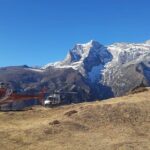
Kopra Ridge is the headline stop. You hike steadily, and the route takes you above the tree line. That change in terrain is a cue for you: you’re in open view country now, where the weather can move faster and the sky does a lot of the work.
The wildlife angle shows up here too. The itinerary notes opportunities to see mountain thar and danfe pheasant. Even if you never spot wildlife, this day still works because the walking conditions above the tree line usually feel more exposed and more scenic.
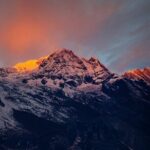
When you reach Kopra Ridge (about 3,870m), the views are described as amazing and close-range. Annapurna South is reportedly only about 6km away, and you can also see Fang and Nilgiri to the north, plus the Dhaulagiri range to the west. That’s the kind of view spread that makes the extra effort feel justified.
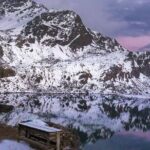
Then you stay in Khopra for a second night. This buys you something important: time. On the next day, you walk up to Khayer Lake and temple (around 4,827m). It’s a long walk, but the promise here is straightforward—the views are worth it.
I like this two-night structure because it reduces the pressure of trying to do everything in a single day. At higher altitude, slow and steady often beats heroic pacing.
Day 9 to Day 10: descending through buffalo pastures to Paudwar and Tatopani hot springs
The descent begins from the ridge area and takes you down with some steep sections early on. The trail follows open ground at first, with buffalo pastures, before you enter thick oak and rhododendron forest. Then you move toward Paudwar for the night.
This is one of those days where you’ll feel your legs more than your lungs. The hills look beautiful on the way down, but your knees will still want good footing and slow steps.
From Paudwar, you descend through fields until you reach a small river area with a water mill. Then you cross a suspension bridge and head toward Hillkharka (around 1,300m) before continuing down to Tatopani (about 1,190m). Tatopani is the hot springs day, and it’s a big morale boost after higher-altitude walking.
You get time to enjoy the spring water. Even if you’re not the type to love baths, hot springs here are the practical reward: warm water can help your muscles feel less cranky for the travel day that follows.
Day 11 to 14: Pokhara and Kathmandu wrap-up with Durbar Square and free time
After Tatopani, trekking stops. You take a local bus from Tatopani to Beni, then a taxi onward to Pokhara. The plan is to arrive on time, and that matters because your next day activities sit in the city rhythm rather than the mountain rhythm.
In Pokhara, you spend the day together, with boats across the lake and the World Peace Stupa walk. If you want a little extra education, the Mountaineering Museum is a possible add-on, depending on group interest. Evening stays in Pokhara, so you’re not rushed into another overnight transfer the same day.
Then you move back to Kathmandu. An early drive takes you to the city, and you start with Kathmandu Durbar Square. After that, the rest of the day is free for shopping and rest, which is a good way to balance “mountain intensity” with normal life.
You also have the option of extra days at your own cost, and the provider can arrange it. The trip notes that after trekking, the best available accommodation and food are used, with customers able to choose meals from menus. That final stretch is designed to help you transition home feeling human again, not washed out.
Who this trek fits best (and who should choose something else)
This trek fits well if you like:
- Mountain views with variety, not just one peak framed from one valley
- Simpler lodges/home-stays and a more local feel
- Days that mix walking, rest, and view opportunities, especially around Tadapani, Kopra Ridge, and Khayer Lake
It’s also a good fit for people who want a moderate physical fitness level challenge. The walking time is typically several hours per day, with some steeper segments on the descent and early climbs.
You might choose a different route if you need reliable, comfortable lodge standards every night. The tradeoff here is part of the experience. If you can’t handle “basic” overnight setups, you’ll spend mental energy wishing for better instead of enjoying the trail.
Book it or pass? My take on the decision
Book this trek if you want a quieter Annapurna route that still gives you major-view moments—especially Kopra Ridge and the higher push to Khayer Lake and temple. I like that the trip builds in real breaks in Pokhara and uses Kathmandu as a cultural reset, instead of turning the whole journey into one long logistics grind.
Pass on it if your idea of trekking comfort means soft beds, consistent amenities, and predictable lodging. Here, the reward is the route itself: simple nights, wildlife-and-forest walking, and that mountain feeling that gets stronger the farther you go.
If you’re flexible about comfort and excited by views and village life, this is a smart choice. If you’re not, you’ll feel the simplicity quickly.
FAQ
What kind of accommodations should I expect on the trek?
The lodges and tea houses are described as very basic and often home-stay style. The itinerary is set up to keep the focus on local, simpler living closer to the natural surroundings.
How high does the trek go?
You’ll sleep around Kopra Ridge at about 3,870m, and there’s a higher day trip up to Khayer Lake and temple at about 4,827m.
Is this trek suitable for a moderate fitness level?
The trek is listed for travelers with a moderate physical fitness level. You should be comfortable with several hours of hiking on most trekking days.
How do the meals work?
The trip notes that the price includes all meals on trek. In the post-trek days, you’ll still have food options, and you can choose from menu items at the lodges/hotels used after trekking.
What’s the transportation like between Kathmandu, Pokhara, and the trail?
You fly from Kathmandu to Pokhara (around 45 minutes), then use private transport to reach the trekking start. After trekking, you take a local bus from Tatopani to Beni and then a taxi to Pokhara.
Do I get a guide and porters?
The experience is private, and the trip is described as guided by the provider team, with porter support mentioned in reviews. The named guides Biru Tamang and Bhoj appear as part of that support network.
Is the tour private?
Yes. It’s listed as a private tour/activity, meaning only your group participates.
Is there time for sightseeing in Kathmandu and Pokhara?
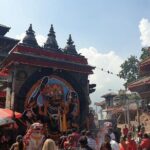
Yes. You visit Swayambhunath from Kathmandu, and you later visit Kathmandu Durbar Square. In Pokhara, you take boats across the lake and visit the World Peace Stupa, with an optional Mountaineering Museum.
Is free cancellation available?
Yes. Free cancellation is offered, and you can cancel up to 24 hours in advance for a full refund. The policy also notes weather and minimum-traveler factors that can affect scheduling.