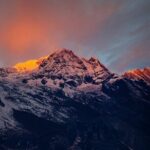
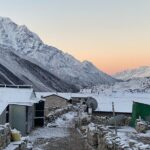
Annapurna Base Camp rewards slow steps. This trek is built for big Himalayan views plus real village life, from Gurung settlements with slate-roof houses to rhododendron forests and long mountain corridors. I like the well-organized day-to-day plan and the support of an English-speaking guide with strong porters, especially when weather shifts. One consideration: the early days can feel wet and challenging, and the altitude still takes respect even with a careful pace.
You’ll move in a small group (up to 15), sleep in comfortable lodges, and eat your way through the trek with warm meals and frequent tea/coffee. It’s also the kind of itinerary where logistics matter, because you’re doing steep climbs, long step counts, and cold nights.
In This Review
- Key Things That Make This Annapurna Trek Worth Your Time
- Why Annapurna Base Camp Still Feels Like a Classic
- Price and Logistics: What $1,250 Really Buys You
- Your Trek Team: Guide, Porters, and the Support That Counts
- Days 1–2: Kathmandu Briefing, Then Ghandruk’s Gurung Welcome
- Days 3–5: Chhomrong Steps, Forest Walking, and Big Mountain Views
- Day 6–7: Sunset Lodge Views and the Sunrise Push
- Day 8: The Climb Back Up and a Hot Spring Detour
- Day 9: Suspension Bridge Energy, Then Drive to Pokhara
- Days 10–11: Flights Back to Kathmandu, Farewell Dinner, and Final Shopping
- What You’ll Actually Get From Lodges and Included Meals
- Gear Tips That Match the Reality of Cold Nights and Bright Sun
- Fitness, Pacing, and the Step Days You Can’t Ignore
- Weather, Altitude, and Staying Safe Without Panic
- Who This Annapurna Base Camp Trek Fits Best
- Should You Book This Annapurna Base Camp Trek?
- FAQ
- What’s the duration of the Annapurna Base Camp trek?
- Where does the tour start, and what time do we meet?
- Is the trekking permit and TIMS card included?
- Are meals included during the trek?
- What trekking gear is provided?
- What costs are not included in the price?
- Is altitude sickness insurance included?
- Is this experience refundable if I cancel?
Key Things That Make This Annapurna Trek Worth Your Time
- Ghandruk-to-Annapurna scenery arc: you get dramatic sightlines toward Mt. Fishtail, Annapurna South, and Himchuli early on
- Practical mountain support: English guide plus helpful porters means fewer daily headaches
- Sunrise and sunset built into the route: early morning Himalayan light and an evening lodge view when skies cooperate
- Lodge comfort with real rhythm: lots of meals included, with warm drinks and breaks planned into each day
- A classic add-on day on the way out: hot springs by the river area and a long suspension-bridge moment
- Small group feel: max 15 travelers keeps it manageable on busy trails
Why Annapurna Base Camp Still Feels Like a Classic
Annapurna Base Camp is one of Nepal’s “go-to” treks for a reason. The route gives you a mix of scenery and culture: Gurung villages, high-mountain panoramas, and forested sections that change with elevation.
This version also leans into what many trekkers actually want: flora, wildlife chances, and changing valleys, not just one straight line of views. You’ll walk through lowlands that feel almost tropical, then gradually rise into the atmosphere where the peaks start looking close enough to touch.
And the big moment isn’t only reaching the camp zone. It’s the way the trek builds toward it, with days that steadily layer altitude, scenery, and fatigue.
You can also read our reviews of more hiking tours in Kathmandu


Price and Logistics: What $1,250 Really Buys You
At $1,250 per person, the smart question is what you’re paying for besides the hike. This package covers a lot of the day-to-day costs that usually add up: Kathmandu and Pokhara hotel stays, most trekking meals (breakfast, lunch, dinner), tea/coffee, lodge support, and key transport segments.
It also includes the less glamorous pieces that make trekking easier: trekking permit and TIMS cards, a medical kit bag during the trek, and local taxes if needed. You also get trekking gear help up front, including a warm down jacket and sleeping bag, plus walking pole support after the trek (returned to the company).
What’s not covered matters, so you can budget without surprises. You’ll pay extra for cold drinks and bottled mineral water, and things like hot shower, battery charging, phone calls, laundry, and bar bills aren’t included. If you’re the type who needs frequent charging or lots of spa-style comfort, factor that into your spending.
Also note: mountain high-altitude sickness insurance is not included. You should arrange your own altitude medical coverage if that matters to you.
Your Trek Team: Guide, Porters, and the Support That Counts
This trek is led by a friendly English-speaking guide, with strong porters handling lodging and fooding support. That combination matters more than people expect, because it reduces the “small problems” that can snowball on a long multi-day hike.
In particular, the guiding style seems geared toward keeping you moving with confidence. Multiple trekkers praised the way guides stayed encouraging and helpful with practical decisions like daily attire as conditions changed. That’s useful because weather at altitude can flip quickly, and dressing wrong can waste energy.
The meal part can also make a difference on a grueling route. People specifically noted accommodation for meal requests, so if you have preferences, it’s worth discussing them early.
Days 1–2: Kathmandu Briefing, Then Ghandruk’s Gurung Welcome
Day 1 is your arrival day in Kathmandu. You land at Tribhuvan International Airport, get a warm welcome to the hotel, and have a briefing for your Annapurna Base Camp trek. This is a good reset day, especially if you’re arriving from a different time zone.
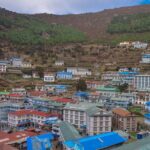
Day 2 starts with a flight from Kathmandu to Pokhara (about 25 minutes), then a drive to Ghandruk Village. This is one of the best entry points on the Annapurna circuit vibe: you’ll explore Gurung culture and slate-roofed homes, with major peaks showing in the view, including Mt. Fishtail, Annapurna South, Himchuli, and more.
You’ll also get a feel for the trekking rhythm right away. Even if the day isn’t long, it gives you something important: orientation. You see what the mountains look like from a village perspective before you start the full ascent days.
Drawback to keep in mind: after flights and driving, you’ll want to treat the first day after arrival gently. Hydrate, eat well, and don’t rush into heavy workouts.
Days 3–5: Chhomrong Steps, Forest Walking, and Big Mountain Views
Day 3 is the classic “start earning your altitude” day. You trek from Ghandruk Village toward Koth Danda and Gurjung Khola, with trails that gradually climb, then descend into Gurjung Khola, followed by another climb toward Chhomrong Village. Expect a mix of effort and payoff: downhills that feel good for a while, then uphill that reminds you what you’re doing.
Day 4 is where you’ll feel the stair reality. You’ll walk down with more than 3,000 steps to Chhomrong Khola, then deal with steep climbing to upper Sinuwa. The trail passes through Oat and Bamboo forests, plus river crossings along the way, so it’s not just “steps, steps, steps.” It’s scenery plus a steady workout.
Day 5 takes you into a higher, more demanding feel. The day is described as a bit long with altitude climbing, so the key is a slow pace, warm water, and staying bundled. You move through forest and river views while walking through a world where Mt. Fishtail and more peaks start showing with more presence.
Here’s the practical truth: these mid-trek days are less about speed and more about consistency. If you keep your pace steady and drink warm water regularly, you’ll arrive less wrecked than you fear.





Day 6–7: Sunset Lodge Views and the Sunrise Push
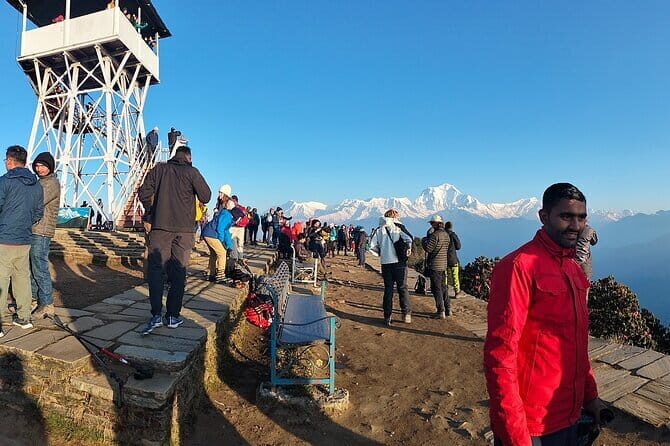
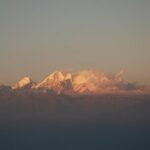
Day 6 is shorter on paper (about 3 hours), and that’s strategic. You’re surrounded by the Annapurna range with blue-sky views when the weather cooperates, and the lodge setting can deliver an amazing sunset if visibility is good. Short days can be underrated on treks, but they help you absorb altitude better.
Day 7 is the payoff morning. You’ll catch sunrise over the Annapurna range early, enjoy breakfast, then trek back toward Dovan or Bamboo (depending on how the route connects that day). This is the moment many trekkers remember most because sunrise turns peaks into something almost cinematic, and it’s the kind of scene that makes all the earlier uphill feel worth it.
A subtle note: early starts are not just for views. They also help you beat colder morning temperatures and avoid dragging the day into harsher light. Build your energy for that wake-up call.
Day 8: The Climb Back Up and a Hot Spring Detour
Day 8 blends effort and reward. The trail moves through a forest area and local Himalayan life, with another climb back up that can feel like another heavy step count (about 3,000 steps mentioned), then a descent again. It’s a reminder that your legs will keep learning the same lesson in slightly different outfits.
If you’re interested, there’s also a hot spring option. It takes about 20 minutes walking down from your lodge to reach the hot spring water, which can be a great morale boost after a tough day on the trail. Even if you don’t go in for long, the change of pace can help your body recover.
Day 9: Suspension Bridge Energy, Then Drive to Pokhara
Day 9 starts with breakfast and then one of the trek’s memorable “thrill moments”: a very long suspension bridge. These bridges tend to feel shaky in the moment, but they’re also a fun landmark because they create a clear break in the day.
After that, you’ll have about 3 hours of drive to Pokhara. You check into a hotel, grab lunch, and get time to explore the Pokhara valley. This is one of the best parts of ending a trek: you go from mountain air and silence to city-level motion, without having to immediately fly.
Days 10–11: Flights Back to Kathmandu, Farewell Dinner, and Final Shopping
Day 10 brings the return leg. You fly from Pokhara to Kathmandu (about 25 minutes), then transfer back to your hotel. You also have a farewell dinner, which is a nice closing ritual before travel days resume.
Day 11 is mostly flexible time: last-minute shopping for family and friends, then your safe departure. If you like bringing back small mountain souvenirs, this is where you can do it without rushing.
What You’ll Actually Get From Lodges and Included Meals
On this trek, you’ll be in “comfortable lodges” along the route, with breakfast, lunch, and dinner included, plus tea/coffee. The lodge setup usually matters because trekking is tiring enough without adding uncertainty about food or where you’ll sleep.
Warm drinks show up as part of the plan, which is not just a nicety. Tea and coffee help you keep calories up, and warm fluids can be a real comfort when nights get cold.
One small tradeoff: bottled water, cold drinks, hot showers, and charging are not included. If you want a hot shower every day or you need constant charging, you may find that costs add up quickly.
Gear Tips That Match the Reality of Cold Nights and Bright Sun
This trek’s packing advice is sensible and practical. You’ll want windproof outer layers and warm down-filled insulation, plus comfortable trousers and loose layers where you can move easily during the day.
The included gear support helps, but it doesn’t remove the need for your own essentials. Plan on gloves, a hat or cap, sunglasses, sunblock, and lip balm. Altitude sun can be intense, and that dry glare can catch you off guard.
For footwear, go with lightweight trekking shoes and warm socks. If you’re sensitive to cold, bring wool or thermal socks. You’ll also want a flashlight and spare batteries, since evenings at higher altitudes mean less daylight.
Fitness, Pacing, and the Step Days You Can’t Ignore
This trek suits people with moderate physical fitness. That usually means you can handle sustained walking, but you’re not training for a race.
The itinerary includes long days and steep sections, including multiple days with thousands of steps referenced. The trick is to treat steep uphill like a breathing problem, not a strength test. Slow pace wins, especially when altitude makes every minute feel heavier.
If you’re nervous about stamina, use this mindset: your goal is arriving. Not sprinting. Not proving anything.
Weather, Altitude, and Staying Safe Without Panic
Altitude sickness planning is important, even if the schedule includes careful pacing. The operator includes a medical kit bag during the trek and insurance for the guide and porter.
But altitude sickness insurance for you isn’t included, so you should arrange your own plan. Also, take weather seriously. One trekper noted the first few days were rainy and challenging, and that lines up with the reality of mountain trekking seasons.
The good news is that the guiding focus includes daily clothing advice as conditions change. If you listen to that, and you dress for both sun and cold, you reduce fatigue and crank up comfort.
Who This Annapurna Base Camp Trek Fits Best
This trek fits best if you want a classic Annapurna experience with a strong support team. It’s great for people who like village culture (Gurung life in particular), enjoy forests, and care about the panoramic payoff of the Annapurna region.
You’ll also appreciate it if you want a clear structure: sunrise timing, lodge days, and even a planned hot spring option. The route also offers a satisfying transition to “real life” in Pokhara with a hotel stay and time to explore.
If you’re the type who needs luxury daily comforts (hot showers, constant charging, lots of free time), you might feel constrained. It’s a trekking package built around movement, not spa service.
Should You Book This Annapurna Base Camp Trek?
If you want a well-run trek where logistics are handled and you can focus on walking, views, and culture, this is a strong choice. The combination of included permits, English-speaking guide support, lodge-based comfort, and planned scenery moments (sunrise, sunset, suspension bridge, hot spring detour) gives it good value for the price.
I’d book if you’re comfortable with physically demanding hiking days and cold nights, and if you’re willing to do your own altitude-medical planning. I wouldn’t book if you expect unlimited extras like hot showers and charging, or if you need a fully flexible itinerary with no non-included add-ons.
In short: this trek is for people who want the Annapurna classic experience, minus the guesswork.
FAQ
What’s the duration of the Annapurna Base Camp trek?
The trek is listed as 11 days approximately, from your arrival in Kathmandu through your return and final departure.
Where does the tour start, and what time do we meet?
The meeting point is in Kathmandu (Kathmandu Valley, Bagmati Zone), and the start time is listed as 7:00 am.
Is the trekking permit and TIMS card included?
Yes. Trekking permit and TIMS cards are included as part of the trek package.
Are meals included during the trek?
Yes. You get breakfast, lunch, and dinner along the trekking route, plus tea/coffee. Hotel breakfasts in Kathmandu and Pokhara are also included.
What trekking gear is provided?
You receive a warm down jacket and sleeping bag, and you get walking poles after the trek return to the company. A waterproof trekking duffel bag and a T-shirt are also included.
What costs are not included in the price?
Cold drinks, mineral water, hot shower, battery charging, phone calls, laundry, and bar bills along the trek are not included.
Is altitude sickness insurance included?
No. Mountain high altitude sickness insurance is listed as not included.
Is this experience refundable if I cancel?
No. It is non-refundable and cannot be changed for any reason. If you cancel or request an amendment, the amount paid is not refunded.