REVIEW · KATHMANDU
14-Days Private Everest Base Camp Trek Activity
Book on Viator →Operated by Himalayan Vista Trekking Pvt. Ltd. · Bookable on Viator
Everest Base Camp is the kind of trip you remember forever. This private trek strings together classic Khumbu Valley stages, with close-up mountain viewing and a team-based pace that makes the days feel manageable even as altitude climbs. You also get a front-row seat to the bigger Himalayan picture, from the Sherpa villages to the dramatic backdrops of peaks like Everest, Lhotse, Nuptse, and Ama Dablam.
I love two things most: the acclimatization days that help you adjust instead of just rushing upward, and how the company’s guides and porters (people like Dipak, Bishal, and porter Basnta) are described as organized and genuinely helpful. That matters when you’re tired, cold, and trying to move safely on rocky paths.
One possible drawback: this is a serious altitude trek. You’ll need moderate fitness and good weather, and some downhill days can feel rough on your knees and joints if you’re not careful with your footing.
In This Review
- Key highlights worth knowing
- Kathmandu to Thamel: settling in before the climb
- Lukla day and the first trail to Phakding
- Monjo, Sagarmatha National Park, and the long climb into Namche
- Khumjung and Dingboche: acclimatization without wasting days
- Tengboche to Lobuche: careful walking and big peak sightings
- Everest Base Camp and Gorakshep: the day you’re really here for
- Kala Patthar sunrise: 360 views and a cold, worth-it climb
- The long way down: joints, steep trails, and a Lukla landing
- Price and value: what $1,600 really buys you
- Packing and pacing: how to make the mountains kinder
- Who should book this private Everest Base Camp trek
- Should you book Himalayan Vista Trekking Pvt. Ltd. for Everest Base Camp?
- FAQ
- What route does this trek follow in the Everest region?
- Are there acclimatization days on the trek?
- How many days does the trek take?
- What’s included in the price?
- Is pickup provided in Kathmandu?
- Does the itinerary include admission tickets?
- What kind of fitness level is expected?
- Is this a private tour?
- What happens if weather is poor?
- What is the cancellation window?
Key highlights worth knowing
- Private group experience so you move as your group needs, not someone else’s schedule.
- Altitude management with acclimatization in Khumjung and Dingboche before pushing higher.
- Everest view days built in through Gorakshep, Everest Base Camp, and a Kala Patthar sunrise climb.
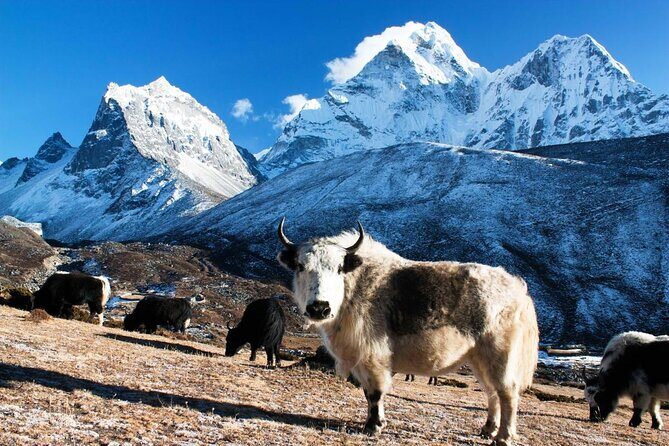
- Local-route details like suspension bridges over the Dudh Koshi and classic trail etiquette around yaks.
- Guide support that shows up day-to-day, with past trekkers specifically praising people like Dipak and Bishal.
Kathmandu to Thamel: settling in before the climb
Your trek starts the easy way: airport arrival at Tribhuvan International Airport, then a hotel transfer. You’re met with marigold garlands, and you’ll get a warm welcome with juice at the hotel. That kind of simple attention helps on arrival day, when you’re tired from travel and want everything to feel set.
You’ll also meet with your guide and get a run-through of the next day. Hotels are listed as either 3-star or 5-star depending on the package you choose, so you can balance comfort with budget. If you like having a predictable base, you’ll appreciate that you can rest, sort gear, and ask questions while your team is still fully available.
Then there’s Thamel. This is where you can browse and buy trekking gear you forgot or learn what to replace. I like this step because it keeps you from scrambling once you’re in the mountains. The Kathmandu-to-trek transition is often the make-or-break point for people who end up underpacked.
You can also read our reviews of more private tours in Kathmandu


Lukla day and the first trail to Phakding
Lukla is where the Everest trek becomes real. After landing, your team meets you, you eat breakfast at a tea house, and you start moving immediately into the Everest region. Day 2 takes you toward Phakding, which is a lower stop than Lukla, so it’s a calmer start even though the trail is rocky.
On the way, you’ll pass classic trail elements: Mani walls and chortens. These aren’t just decorations; they mark the route and reflect the long-standing pattern of travel through the Khumbu. You’ll also start seeing the style of bridges and paths that define the region—often narrow, uneven, and best walked slowly.
A key practical note: the route includes time to take permits, including at the Pasang Lhamu Rural Municipality office after you pass Cheplung. Plan to keep documents ready and follow your guide’s instructions closely. Permits are paperwork you want handled early rather than later.
You’ll also be treated to early mountain views—Mt. Khumbila is specifically mentioned—so even before you reach the big towns, the scenery starts showing up.
Monjo, Sagarmatha National Park, and the long climb into Namche
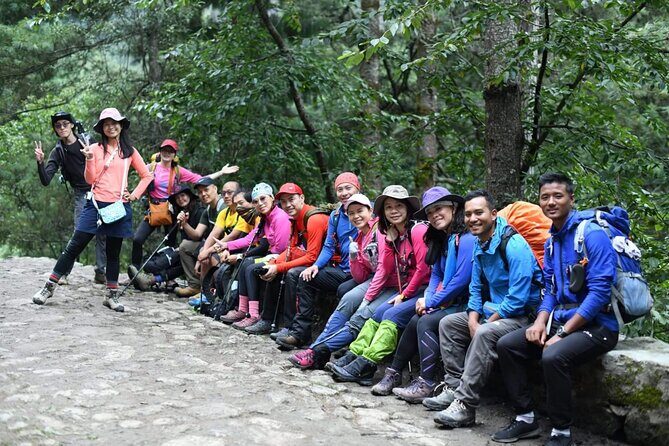
As you move deeper into the Khumbu, permits step into the spotlight again. To reach the area around Namche Bazaar, you go through Monjo and use the Sagarmatha National Park office to get the necessary permit. This is one of those steps that can feel like a hassle on paper, but it’s a necessary part of how this protected region is managed.
Then the trail gets more scenic and more physical. You cross a suspension bridge, travel along the Dudh Koshi River, and continue uphill past the Tenzing Hillary suspension bridge. The Dudh Koshi route is one of the reasons this trek feels like more than a single “destination hike.” The river corridor keeps things moving, and it gives you frequent breaks in the scenery.
As the day continues, the trail climbs through alpine and juniper forest. You’ll reach Namche Bazaar and overnight at a tea house. Namche is also a functional mountain town, not just a view stop. It’s described as a Sherpa trading hub, with restaurants, cafes, ATMs, and fast internet—handy for sending a message home or checking in with loved ones.
Khumjung and Dingboche: acclimatization without wasting days
The best Everest Base Camp treks don’t just chase altitude. They build in time to adapt, and you’ll do that in more than one place.
After Namche, you spend Day 4 in Khumjung. This is your altitude adjustment day. The goal is to reduce the risk of acute mountain sickness before you go higher. Khumjung itself is highlighted as a Himalayan market area and trading hub, and it’s also where you can get your bearings quickly. You can treat this day like a “learn the rhythm” day: short walks, slow pace, and plenty of time to rest.
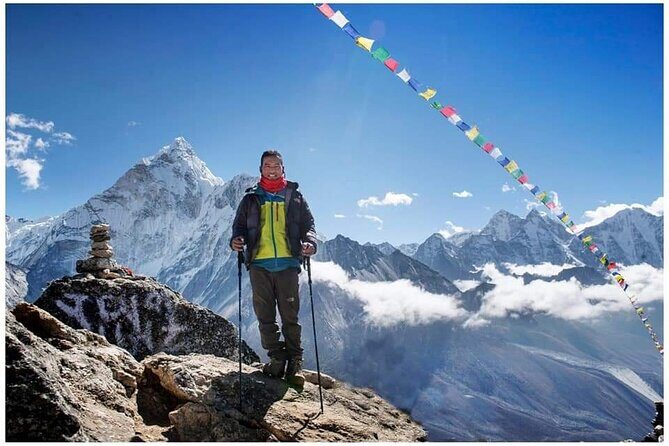
Later, Dingboche becomes your second acclimatization anchor. On the way in (Day 6), the trek crosses suspension bridges and moves through dry vegetation toward the Sherpa settlement. On Day 7, you’ll take time to adjust again in Dingboche, including a viewpoint climb that takes around 3 to 4 hours.
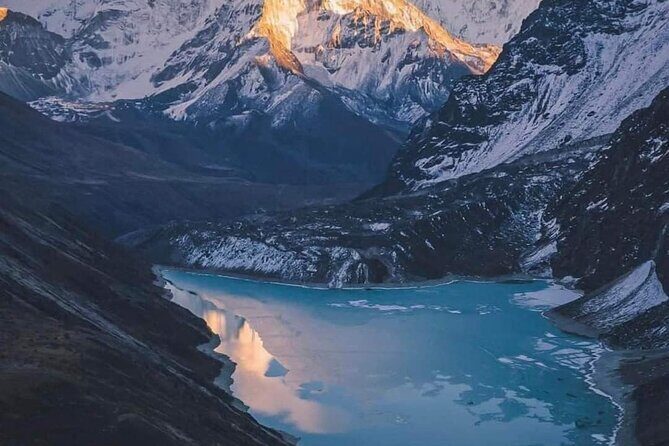
That viewpoint time is where the trek turns into a photo-and-feel-your-breath sort of day. You can see Tawache, Thamserku, Lobuche west, and a mirror-like view of Ama Dablam from there. Even if the weather isn’t perfect, this is one of the stops that gives you a reward for patience.
If you want the trip to feel less like suffering and more like progress, pay attention to how these acclimatization days are structured. They’re not “extra days for nothing.” They’re there to make your later pushes safer and steadier.
Tengboche to Lobuche: careful walking and big peak sightings
From Namche and the acclimatization zone, you move into the higher, rockier heart of the Khumbu. Day 5 is Tengboche, and the trail climbs through rocky, dusty sections with small pebbles. One detail I’d take seriously: you’ll be walking around yaks used for transport, and the guidance is to let the way first. Stay on the corner side so you’re not pushed and don’t risk a fall.
Tengboche is also a viewpoint-rich stop. The route is described as offering close views of Ama Dablam and Khangtega and other Everest-region peaks. This is the kind of day where the scenery pulls your attention forward, but it also demands focus. Rocky zigzags and uneven ground mean you can’t just “stare and walk.”
Then you go onward to Dingboche-area terrain, and Day 8 carries you into Lobuche. The trail moves toward Thukla, with long stretches through wide dry valley settings. After lunch in Thukla, you climb steeply to Thukla Pass. This part rewards you with views of Pumori and Khumbutse and other peaks.
This is also where you’ll want your legs to cooperate. The trail at altitude is described as easy in parts, but it can be less managed with loose stones. That means slower steps and better balance matter more than speed.
You can also read our reviews of more hiking tours in Kathmandu



Everest Base Camp and Gorakshep: the day you’re really here for
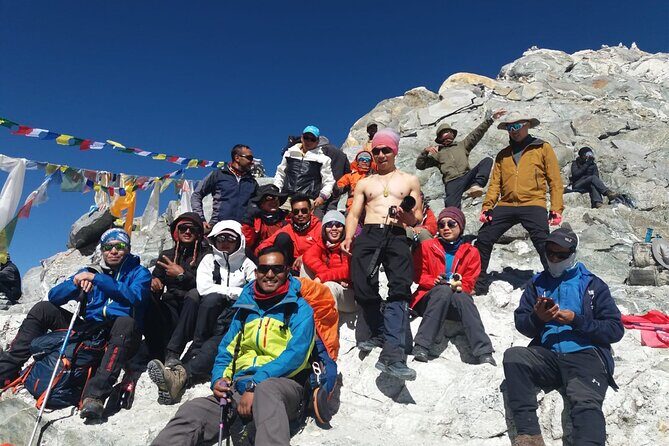
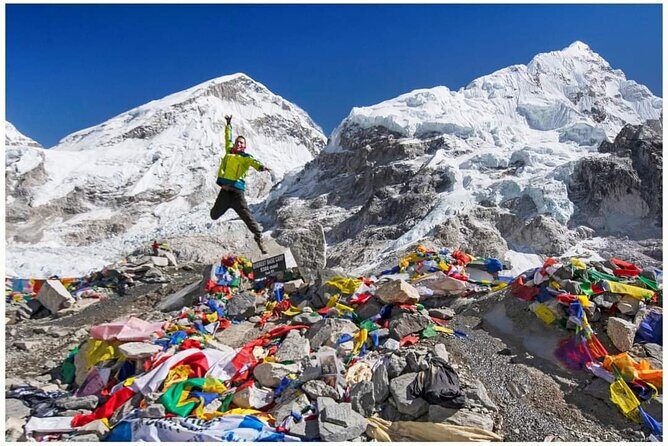
Day 9 is structured around Gorakshep and Everest Base Camp. The experience is described as a “most memorable” day, and I get why: this is when you trade “amazing mountain views” for the actual physical presence of Everest in your day-to-day world.
You start with a breakfast, then head toward Gorakshep as the highest stop point before you approach the base camp area. The hike has two stages: getting to Gorakshep and then moving on toward Everest Base Camp. You’ll follow a wide valley route parallel with the Khumbu Glacier, then gradually move over a rocky track as you approach the base camp area.
Your base camp time includes an admission ticket, with about 3 hours set aside for this highlight day. Plan to use that time actively. Yes, you’ll want photos and quick landmark moments, but base camp is also where you want to stand still for a minute. When you do, you understand why this trek is famous. The scale is hard to describe until you’re physically there.
And even after base camp, the landscape around Gorakshep remains part of the story, because it’s not just a “walk to a sign.” It’s a glacier-and-rock environment that feels stark and honest.
Kala Patthar sunrise: 360 views and a cold, worth-it climb
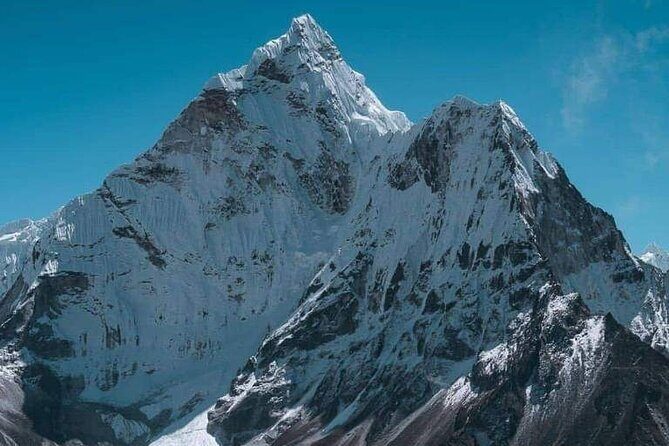
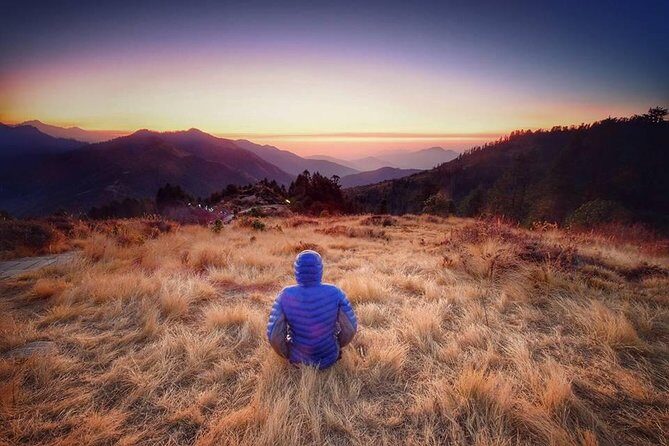
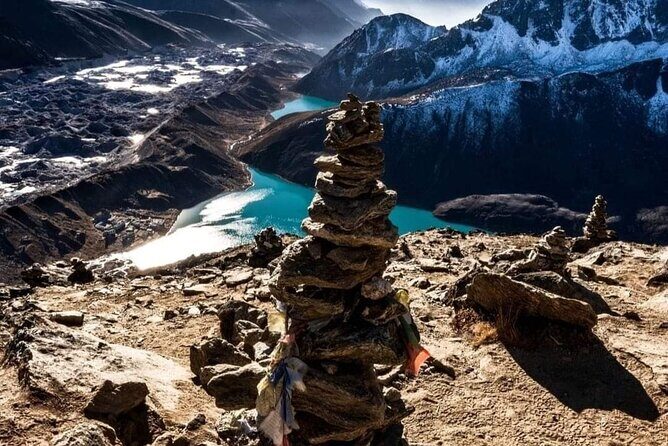
Day 10 starts early, because Kala Patthar is best with morning light. You hike up to Kala Pathar for what’s described as the best vantage point for a 360-degree view of Everest and neighboring peaks. The payoff is also tied to sunrise, with the mention of golden light over the Himalaya.
The walk is a steep, steady climb. This is one of those days where the “private” part can help: your group can pace itself without waiting for a bigger crowd. You’re not fighting for elbow space; you’re just managing your breathing and footing.
After time on Kala Patthar, you descend toward Gorakshep for breakfast, then set your destination to Pheriche. The schedule includes time for you to enjoy sunlight over the Himalaya and the front-facing presence of Everest during the descent.
Practical tip from the way the day is described: keep your layers ready. Early starts in the Everest region mean you’ll warm up only after you’re moving, and you’ll likely cool down quickly when you stop for photos.
The long way down: joints, steep trails, and a Lukla landing
Not every rewarding Everest day is scenic. Some of the best days of the trek are about careful movement.
Day 11 takes you from the higher region back down toward Namche Bazaar. The route includes a descent through Phungi Tenga and getting to a lower elevation. This is described as long and tougher on the body, especially on your joints. The key instruction is simple: prepare well for downhill trekking. If you rush downhill, your knees pay for it.
The good news is that the trail is said to be easier and less tricky compared with the roughest higher segments. You still pass through villages and you get to enjoy the scenery again, but the focus becomes pacing and stability.
Then Day 12 continues the descent all the way to Lukla. The trail is described as steep down with rocky sections and loose stones. You’ll need to be careful with footing. This isn’t the day for bravado. Take your time, and keep your eyes on the ground.
There’s also a morale moment: trekkers often celebrate the successful completion with cake and a small party for the guide and porters. That fits the feeling of the whole trek. It’s intense, but it’s also a team effort, and you get to recognize the people who kept you moving safely.
Finally, Day 13 returns to Kathmandu. You fly back from Lukla and then drive to your hotel. Day 14 is your departure day from Kathmandu, handled by representatives before your flight.
Price and value: what $1,600 really buys you
At $1,600 per person for a 14-day private trek, the value is less about “luxury” and more about removing friction. This is private, meaning only your group participates, and that can matter a lot on a route where timing affects how tired you feel. You’re less likely to feel shuffled around by other groups, and you can better match pace to your condition.
Your included meals are substantial: breakfast (14), lunch (14), and dinner (14). That’s a real cost saver in the Everest region, where you’d otherwise spend time and money buying meals daily. Your trek also includes key on-trail support structure implied by the private setup: you have a guide traveling with you, plus the local team that makes logistics work smoothly at tea houses.
There’s also pickup offered in Kathmandu and mobile ticket usage mentioned, which helps with the “first and last mile” of the trip. Those aren’t glamorous details, but they reduce stress.
The big thing to understand: the itinerary is built around tea houses and altitude days, not a fancy lodge circuit. So if you’re shopping for comfort, you should treat this as a trekking trip with practical comfort, not a spa vacation. If you’re buying it for the mountain experience and you want a well-run team, the price starts to make sense fast.
Packing and pacing: how to make the mountains kinder
This trek isn’t described as extreme climbing, but it is an altitude journey with steep ascents and steep descents. The company notes that travelers should have a moderate physical fitness level. So you’ll want to come with a body that can handle long walking days, plus the stamina for a few big viewpoint climbs.
Here’s how to make your trek easier without pretending it’s effortless:
- Keep a steady pace on climbs. Steep sections like the route to Kala Patthar demand it.
- Take downhill seriously. Day 11 and Day 12 include steep descents with loose stones, and your knees will notice.
- Use your acclimatization days. Khumjung and Dingboche aren’t filler; they’re your safety buffer.
- Plan for cold mornings. The sunrise focus at Kala Patthar means early starts and colder waits.
What about guides and human help? The reviews strongly point to this being a strength for Himalayan Vista Trekking. People highlight guides like Dipak and Bishal as helpful, friendly, resourceful, and professional. That’s exactly what you want when weather changes, energy drops, or your brain starts playing games with altitude.
Who should book this private Everest Base Camp trek
This trek fits best if you want:
- A structured Everest route with acclimatization built in.
- A private team setup that keeps decisions clear and pacing practical.
- Serious mountain viewing, including the close Everest-region peak presence and the big sunrise viewpoint day.
It’s also a good choice if you value organization. Reviews mention fast inquiry response and emphasize professionalism in how guides and porters handled the experience. That kind of competence can reduce the stress that kills momentum.
You might think twice if you:
- Know you struggle with steep downhills or joint discomfort.
- Have no flexibility for altitude adjustment pacing.
- Are relying on the trip regardless of weather, since the experience requires good weather.
If weather is poor, you’ll be offered another date or a full refund.
Should you book Himalayan Vista Trekking Pvt. Ltd. for Everest Base Camp?
If your goal is a classic Everest Base Camp trek that’s run with care, this sounds like a strong option. The price may look steep at first glance, but the included meals across 14 days, the private-group setup, and the clear structure around acclimatization and major view days add up.
If you’re the type who likes a good guide and a team that handles details so you can focus on walking and seeing mountains, the names from past EBC experiences matter. Dipak and Bishal are specifically called out as helpful and professional, with porter Basnta also recognized for support.
My practical recommendation: book if you’re ready to take altitude seriously, walk steadily, and respect the downhill days. Skip it if you want an easy stroll or if you’re unprepared for the reality of mountain weather and rocky footing. For the right mindset, you’re buying a meaningful, high-impact journey that ends with sunrise views you can’t fake.
FAQ
What route does this trek follow in the Everest region?
The trek goes through classic Khumbu Valley stages including Lukla, Phakding, Namche Bazaar, Tengboche, Dingboche, Lobuche, Gorakshep, Everest Base Camp, and Kala Patthar, then returns down to Lukla and Kathmandu.
Are there acclimatization days on the trek?
Yes. You spend acclimatization time in Khumjung and Dingboche before continuing to higher areas.
How many days does the trek take?
It’s scheduled for 14 days (approximately).
What’s included in the price?
The package includes breakfast (14), lunch (14), and dinner (14).
Is pickup provided in Kathmandu?
Yes, pickup is offered.
Does the itinerary include admission tickets?
Admission tickets are listed as included for Everest Base Camp and for Kala Patthar (plus some entries mark admission ticket free on other days).
What kind of fitness level is expected?
Travelers should have a moderate physical fitness level.
Is this a private tour?
Yes. Only your group will participate.
What happens if weather is poor?
The experience requires good weather. If it’s canceled due to poor weather, you’ll be offered a different date or a full refund.
What is the cancellation window?
You can cancel up to 24 hours in advance of the experience’s start time for a full refund.