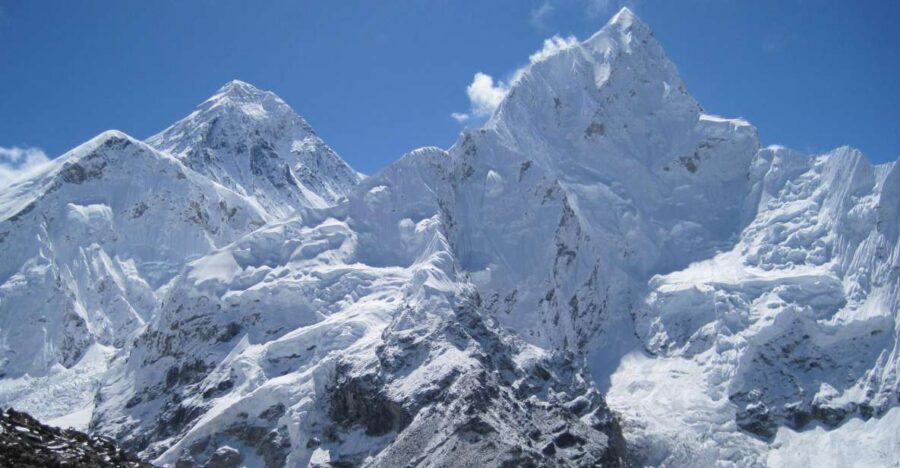
Larkya La is a jaw-drop day. This Manaslu Circuit trek strings together huge Mt. Manaslu views and a high, dramatic crossing at Larkya La Pass (5160m), plus plenty of chances to meet local villages along the way. I love how the plan handles the moving parts with all-in logistics: Kathmandu pickups, private transport, teahouse stays, and meals so you can focus on walking.
I also like the human support built into the trek. You travel with an experienced, English-speaking, government-licensed trek leader, and you get a porter setup designed for real hiking days (2 trekkers per 1 porter). In feedback, guides like Ganesh and Balu Acharya come up often for being careful, friendly, and tuned in to how people are coping.
One drawback to weigh: you’re going high. The itinerary reaches 3530m at Samagaon, 3860m at Samdo, then pushes up to a 5160m pass. If you tend to struggle with altitude or you’re looking for an easy stroll, this route will feel tough even with a well-built schedule.
In This Review
- Key highlights before you commit
- Manaslu Circuit Trek: why this route hits different
- Kathmandu day 2: the prep day that actually matters
- From Kathmandu to Soti Khola: the long drive that buys you time on your feet
- Trek rhythm days 4–7: building altitude without rushing
- Samagaon and Samdo: the altitude shift, plus Pungyen gompa
- Dharamsala and Larkya La: the pass day you remember for years
- The descent: Tilije, Tal, and Syange as your legs come back online
- Teahouse accommodation and meals: simple, filling, and usually better than you expect
- Price and logistics: where the $1,550 really earns its keep
- Guides like Ganesh and Balu Acharya: why the people part matters
- Packing, altitude pacing, and weather dressing
- Who should book the Manaslu Circuit (and who should think twice)
- Should you book Mount Mania for the Manaslu Circuit Trek?
- FAQ
- How many days is the Manaslu Circuit Trek?
- What is the highest point on this itinerary?
- What kind of accommodation and meals are included?
- Are trekking permits included?
- Is porter service included, and is this a private group?
- What happens if I need to cancel?
Key highlights before you commit
- Larkya La Pass (5160m) is the headline day, with a long push up and a satisfying drop afterward
- Permits are handled for you (ACAP, MCAP, TIMS), plus trek paperwork and local taxes
- Teahouse trek setup with full meals (breakfast plus lunch and dinner on trail)
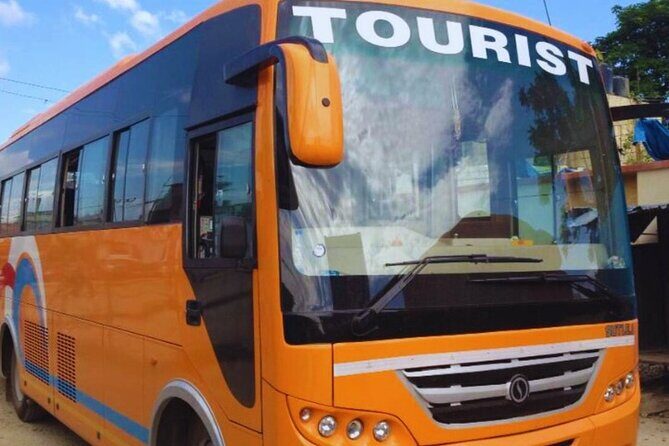
- Private vehicle transfers in and out of the trail areas, which saves you headache time in Nepal
- Guide-and-porter support is built in, with 1 porter for every 2 trekkers
Manaslu Circuit Trek: why this route hits different
Manaslu Circuit is a classic “big Nepal mountains, smaller human moments” trek. You start low after arriving in Kathmandu, then climb step-by-step through settlements and big-air viewpoints tied to Mt. Manaslu. The vibe is less about bouncing between crowded photo stops and more about settling into a rhythm: walk, eat, sleep, repeat, then suddenly you’re at altitude with views that stop you mid-sentence.
What makes this trek especially compelling is the mix of milestones. You’re not just chasing the highest point. You also get culture time and rest/adjustment time. One day includes exploring Pungyen gompa out of Samagaon, which helps break up the harder altitude days so you don’t feel like you’re only climbing uphill every time your boots hit the ground.
The pass itself is legendary for a reason. Larkya La (5160m) is the day where the trek stops being routine and turns into pure effort. If you’re the type who wants one unforgettable high moment, this itinerary delivers.
You can also read our reviews of more hiking tours in Kathmandu



Kathmandu day 2: the prep day that actually matters
You don’t jump straight into trekking. Day 1 is arrival in Kathmandu, and Day 2 is sightseeing plus trek preparation. That sounds simple, but it’s one of the smartest parts of the plan. Kathmandu can feel like information overload, and getting your gear and mindset together before you drive out to the trekking start helps a lot.
You’ll also be dealing with the practical stuff that can slow people down later: confirming paperwork, getting your trek leader to brief you, and making sure your packing is realistic for high-altitude walking. The tour includes a trek leader with the language and licensing to manage the route, and the paperwork is handled (ACAP, MCAP, TIMS plus necessary permits).
If you want a smooth start, use this day to do the basics well. Sleep matters. Water discipline matters. Your goal is to arrive at the trailhead already thinking like a trekker, not a tourist with a backpack.
From Kathmandu to Soti Khola: the long drive that buys you time on your feet
Day 3 is a long private-vehicle drive from Kathmandu to Soti Khola (about 8–9 hours). That’s a chunk of time, but it’s also a gift: it gets you onto the trek route without wasting days figuring out local transport.
Soti Khola sits much lower than Kathmandu (710m on the itinerary), which helps you begin climbing gradually instead of immediately shooting upward. The next day takes you from Soti Khola to Maccha Khola (900m). That early step is not about conquering distance. It’s about waking up your legs and letting your body understand that you’ll be hiking for nearly two full weeks.
The private vehicle approach is also about stress reduction. You know when you depart, you’re not negotiating with chaos, and you keep energy for walking instead of spending your first day bargaining.
Trek rhythm days 4–7: building altitude without rushing
Days 4 through 7 move you up through a steady sequence:
- Soti Khola to Maccha Khola (900m)
- Maccha Khola to Jagat (1410m)
- Jagat to Deng (1804m)
- Deng to Namrung (2630m)
Each day lands in the same 6–7 hour hiking window. That matters because it forces a consistent pace. With altitude treks, “inconsistent effort” is usually where people run into trouble. A steady schedule gives you time to settle into how your body handles breathing changes and leg fatigue.
These are also the days where teahouse living becomes your routine. You’ll be staying in teahouses, and the tour includes breakfast, lunch, and dinner during the trek. That means you’re not scrambling for meals after a hard walk. You can eat, recover, and get an early night.
One tradeoff: the days are not short. If you’re hoping for a gentle hike every day, you might feel the workload starting right away. The good news is the schedule builds upward in a way that keeps the overall progression reasonable.
Samagaon and Samdo: the altitude shift, plus Pungyen gompa
Day 8 takes you from Namrung to Samagaon (3530m) (about 6–7 hours). This is a big step up, and it’s where many people notice altitude more. Day 9 then gives you a smarter kind of day: you go from Samagaon to Pungyen gompa and back to Samagaon for exploration (still about 6–7 hours). That’s not just sightseeing. It’s a way to be active while giving your body time to adjust.
Then Day 10 is a shorter move from Samagaon to Samdo (3860m) (4–5 hours). Shorter days at altitude can be a sanity saver. Your body benefits from fewer hours on the trail when you’re already high.
This portion of the trek is also where the itinerary starts feeling like a journey toward the pass, not just a long hiking line. You’re getting higher, but you’re also getting space to breathe, eat properly, and stay focused.






Dharamsala and Larkya La: the pass day you remember for years
Days 11 and 12 are the core test:
- Day 11: Samdo to Dharamsala / Larkya Base Camp (4460m) (4–5 hours)
- Day 12: Dharamsala to Larkya La Pass (5160m) and down to Bimthang (3720m) (8–9 hours)
This is the kind of day where the details matter. The schedule gives you a night at Dharamsala/Basem Camp after reaching 4460m, which helps you stage for the pass. Then you’re set up to cross at the highest point of the entire trek and still have time to move down to Bimthang the same day.
In practical terms, expect the pass day to feel like effort stacked on effort. Even if you’re fit, 5160m changes the way you walk and the way you think. Your trek leader and your group’s pace matter here. The porter system helps too, because it keeps your load manageable and your energy where it counts.
When you finally descend toward Bimthang, it feels like your body gets permission to move with more ease. That shift is why you feel proud afterward, not just exhausted.
The descent: Tilije, Tal, and Syange as your legs come back online
After the pass, the trek turns into a downhill-and-downhill rhythm:
- Day 13: Bimthang to Tilije (2300m), about 5–6 hours
- Day 14: Tilije to Tal (1700m), about 5–6 hours
- Day 15: Tal to Syange (1080m), about 6–7 hours
These are long days too, but they’re a different kind of hard. Descents can be tough on knees, and you’ll want to keep foot placement careful. The itinerary does give you a steady drop, which generally helps altitude stress. Mentally, this stretch is also where trekking fatigue starts turning into relief.
Syange is your last trail stop before the long vehicle ride back to Kathmandu. In Day 16, you drive from Syange to Kathmandu (8–9 hours). That ride is the finish-line moment. You’re not in trekking mode anymore. You’re in recovery mode, and the private transfer helps you transition without extra hassle.
Day 17 is departure.
Teahouse accommodation and meals: simple, filling, and usually better than you expect
This is a teahouse trek, not luxury. You should expect basic comfort. That said, the tour includes teahouse accommodations during the trek and all meals: breakfast plus lunch and dinner each day on trail, plus farewell dinners.
From feedback, people often note that the accommodations were less spartan than they feared, and the food was consistently good. That’s exactly what you want at altitude: warm meals, dependable timing, and less decision fatigue.
Also, since you’re on a set schedule, you don’t need to hunt for food after every stop. That might sound small, but it changes how enjoyable the hike feels on fatigue days.
Just keep in mind what’s not included for you personally: things like bottled or boiled water, showers, Wi-Fi, phone calls, laundry, and bar bills are on you. Build that into your mental budget.
Price and logistics: where the $1,550 really earns its keep
The price is listed as $1,550.00 per group (up to 15). That means the per-person cost depends on how many people are actually sharing the group cost. If you can fill a small group, this can work out well.
What you get included is the key value driver:
- Airport pickups and drops via private vehicle
- Kathmandu 3-star hotel with breakfast
- All meals on the trek
- All ground transportation per the itinerary (including the long drive to Soti Khola and back from Syange)
- Trekking permits and necessary paperwork (ACAP, MCAP, TIMS)
- Porter service with a 2 trekkers to 1 porter ratio
- A medical kit carried by your trek leader
- Farewell dinners
- Staff costs, local taxes, and equipment/food/accommodation for the team
When trekking companies try to cut corners, you often pay later through add-ons, last-minute permit fees, or extra transport costs. Here, the plan tries to cover the big bills up front. Also, being a private tour/activity means only your group participates, which tends to make pacing and communication easier.
Two costs you still handle yourself: the Nepal visa fee and your travel/rescue insurance. Tips for guide/porter/driver are also not included, so budget for that.
Guides like Ganesh and Balu Acharya: why the people part matters
The itinerary is only half the story. The other half is your guide and porter team. In feedback, guides like Ganesh and Balu Acharya stand out for being helpful, careful, and friendly. People also mention how the guide adapts to the group’s pace and needs when challenges show up.
That adaptability is huge on a high-altitude trek. Even with a good itinerary, conditions change. Weather shifts. Some people feel altitude sooner. A guide who can adjust without panicking makes the trip feel safer and more human.
The tour provider name also shows up in messages before the trek. Rupak is mentioned as quick to respond and helpful via WhatsApp ahead of departure. That matters because getting answers fast in the days before you leave can stop you from second-guessing everything.
And for the staff: Bijaya/Biyaya is mentioned as a porter who helped with comfort and safety. On this trek, that support ratio is not decorative. It’s practical.
Packing, altitude pacing, and weather dressing
The trek operates in all weather conditions, so you should dress for reality, not fantasy. That means planning for cold at higher points and for wet conditions if the weather turns.
Altitude pacing is about discipline. You’re doing a gradual climb through 2630m, then jumping to 3530m at Samagaon, then 3860m at Samdo, then 4460m at Dharamsala. That’s a lot of vertical change in a short time, so you want to follow the guide’s pacing instead of trying to “win” the hike.
Because the trek is private and your group is small, your trek leader can manage pacing and decision-making in a way that large group treks can’t always do. Still, listen to your body. If you feel off, speak up early.
Finally, remember the moderate fitness requirement. This is listed as requiring moderate physical fitness. You don’t need to be a mountaineer, but you should be prepared to hike 6–7 hours regularly, plus the longer pass day.
Who should book the Manaslu Circuit (and who should think twice)
This works best for you if:
- you want a real high-altitude trek with a major pass crossing
- you prefer teahouse trekking with meals handled
- you like having permits and logistics organized so you can focus on the trail
- you want private group pacing with an English-speaking guide and porter support
You might think twice if:
- altitude hits you hard even at lower heights
- you want a very easy schedule with short hiking days
- you’re traveling with limited flexibility for physically demanding days
Also, the tour is not recommended for children aged 10 and under. That’s a good rule of thumb for this kind of trek.
If you’re prepared for effort and you like the idea of walking into big mountain country with minimal admin stress, this itinerary fits.
Should you book Mount Mania for the Manaslu Circuit Trek?
If you’re aiming for a well-run, high-effort trek with clear structure, I think this is a strong pick. The value comes from practical inclusions: permits (ACAP/MCAP/TIMS), meals, teahouse lodging, private transport, and the guide/porter setup. That combination reduces the most common trekking headaches.
My main caution is simple: Larkya La and the altitude climb are not “themed hiking.” If you take altitude seriously, pace yourself, and dress for changeable weather, you’ll likely find this trek rewarding in a very direct way.
Also, the cancellation terms are free up to 24 hours before the start time for a full refund. That gives you some breathing room if plans shift.
If your checklist includes Mt. Manaslu drama, a pass day that feels earned, and a team that handles the logistics, then this Manaslu Circuit booking is worth serious consideration.
FAQ
How many days is the Manaslu Circuit Trek?
The trek duration is about 17 days, including Kathmandu arrival and departure.
What is the highest point on this itinerary?
The highest point is Larkya La Pass at 5160m.
What kind of accommodation and meals are included?
In Kathmandu you get a 3-star hotel with breakfast. During the trek you stay in teahouses, and all meals (breakfast, lunch, dinner) during the trek are included, plus farewell dinners.
Are trekking permits included?
Yes. The necessary paperwork and permits are included, including ACAP, MCAP, and TIMS.
Is porter service included, and is this a private group?
Yes. Porter service is included with a ratio of 2 trekkers to 1 porter. It’s also a private tour/activity, and only your group participates.
What happens if I need to cancel?
Cancellation is free up to 24 hours in advance of the experience start time for a full refund. If you cancel less than 24 hours before, the paid amount is not refunded.