REVIEW · KATHMANDU
Annapurna Base Camp Short trek
Book on Viator →Operated by Himalayan Partner Treks and Expedition · Bookable on Viator
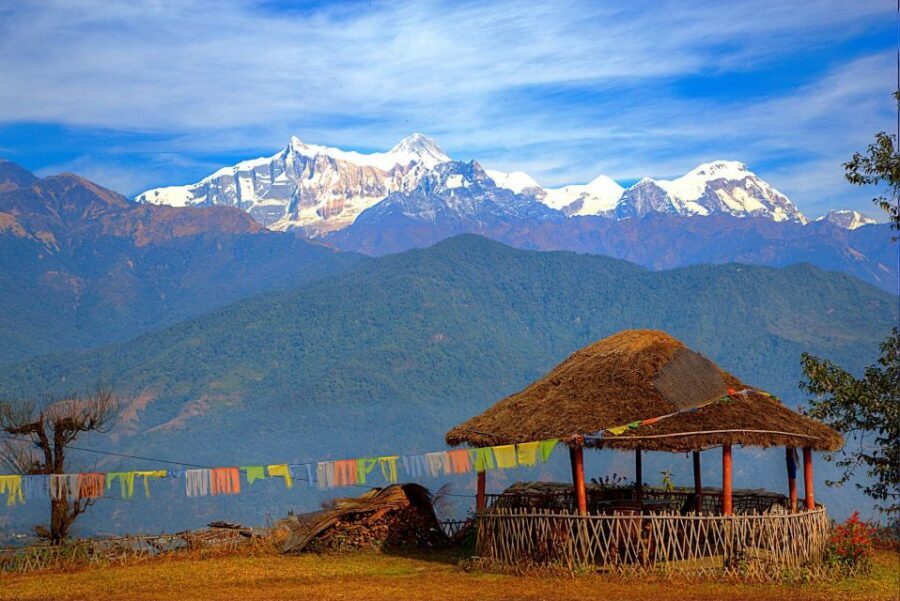
Snowy peaks, then you’re sweating on stairs. That contrast is exactly why the Annapurna Base Camp short trek feels special: you move through rhododendron and bamboo forests, cross suspension bridges, and end at Base Camp for sunrise views of the Annapurna massif and nearby giants.
Two things I genuinely like about this trek are the focused route to Base Camp at 4,130m, and the way the itinerary keeps variety—villages like Ghandruk, open grassland stretches, and river valleys with a totally different sound and feel each day. You’ll also get on-the-ground cultural moments as you pass through local communities and see everyday life up close.
One consideration: this is a trek with lots of walking time and plenty of stairs. Even in a short format, the up-and-down rhythm can be tough if you don’t like steep legs and rocky footing.
In This Review
- Key Highlights You’ll Feel on This Trek
- First: What This Trek Is Really About (Not Just the Destination)
- Kathmandu to Pokhara: The Long Drive You Should Plan For
- Day One Hops Into the Hills: Ghandruk and the First Big View
- Chhomrong, Sinuwa, and Deurali: Where the Route Gets Serious
- The Route to Base Camp: Grassy Quiet, Fishtail Up Close
- Base Camp Sunrise: What You’ll Want to Do Before Breakfast
- Down to Jhinu Danda: Suspension Bridges and the Hot Spring Reset
- Final Walk to Nayapul and Back to Pokhara, Then Kathmandu
- Price and Value: What $897.44 Really Covers
- Guide and Porter Team: Where the Trip Gets Warm and Human
- What to Expect Daily: A Practical Sense of Pace and Comfort
- Packing and Body-Saving Tips (Based on the Trek’s Real Demands)
- Who This Trek Fits Best (And Who Should Consider Another Option)
- So, Should You Book It?
- FAQ
- FAQ
- Where does the trek start?
- What’s the highest altitude on this trek?
- Is the trek a group or private setup?
- What meals are included?
- Are permits included?
- Is travel or medical insurance included?
- How much trekking time should I expect each day?
Key Highlights You’ll Feel on This Trek
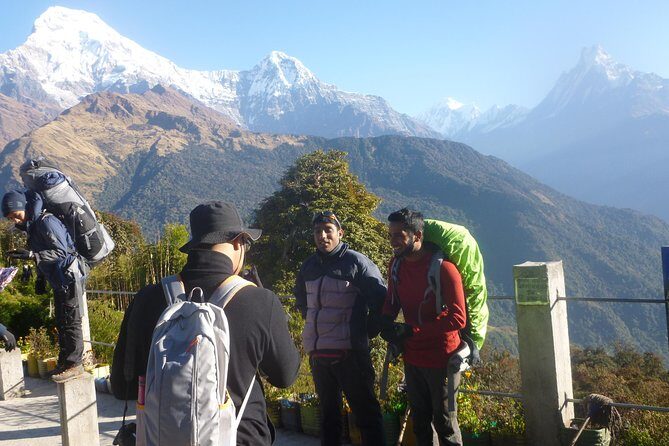
- Base Camp sunrise at 4,130m with a front-row view of the Annapurna region peaks
- A mix of forests and open meadows, including bamboo sections and wide grassy stretches
- Classic suspension bridges and long stone stair descents, the kind that test your knees
- Village culture through Ghandruk, Chhomrong, and smaller stops, not just mountain photos
- Jhinu Danda hot spring dip to reset after the tougher stair days
- A private group setup, so your guide and pace are tailored to your team
First: What This Trek Is Really About (Not Just the Destination)
Annapurna Base Camp isn’t a “check the box” hike. It’s a tradition trekkers repeat for a reason: the route gives you layers of Nepal in a small area. You start in the Kathmandu Valley’s orbit, then shift into hills and lake life in Pokhara, and finally spend multiple days walking through forests, villages, and river corridors that feel like they belong to another pace of time.
You’ll see the region’s famous mix of nature types—snowy Himalayas in the distance, then lush green forest closer up, then river valleys that can look calm until you stand near them and realize how powerful they are. The trekking also brings you past rhododendron, oak, and bamboo sections, so the air and the scenery change often enough to keep your brain engaged on long days.
And yes, the sunrise at Base Camp is a big deal. But the real win is that you earn it. Getting there is slow, steady work—so when you finally stand at Base Camp, it feels earned, not staged.
You can also read our reviews of more hiking tours in Kathmandu
Kathmandu to Pokhara: The Long Drive You Should Plan For
Your experience starts at Tribhuvan Airport in Kathmandu. Pickup is offered, which helps if you land tired or want to avoid the hassle of sorting transport the same day.
Most of the first “real day” energy goes into the drive to Pokhara via the Prithvi highway. It’s a long ride, and it matters because it sets expectations. You’ll pass terraced farmland, cross through cities, and spot the Trishuli River along the way. If you’re prone to motion sickness, you’ll want to prepare.
Once you reach Pokhara, the trek provider sets up your luggage so you don’t carry it on the trek. The package includes two nights in Pokhara with breakfast, so you get a cushion to rest before the hiking begins. You’ll have time to enjoy the city of lakes—boating and cycling are mentioned as options—though meals on that city segment aren’t included.
Practical note: this Pokhara time is valuable. Trekking days get demanding fast, so don’t waste this day on decision fatigue. Use it to check your gear, fill water bottles, and keep your body calm.
Day One Hops Into the Hills: Ghandruk and the First Big View
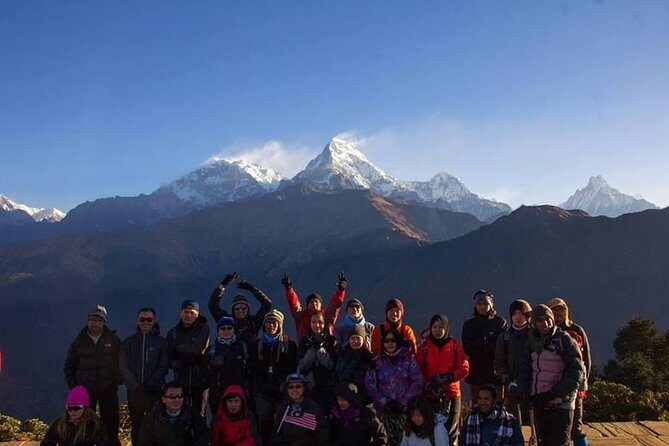
After Pokhara, you drive toward Gurung village Ghandruk. This is where the Annapurna range starts to show itself in a way that feels almost unfair—big mountain walls, and that famous “is that really that close?” feeling with Machhapuchhre (Fishtail) in view.
Then you begin walking into the hills:
- You descend through forest
- You reach the Kimrong river area
- Then you climb up to Kimrong village
This day includes a walk break and then a lodge-style evening with BLD included (breakfast, lunch, dinner). You’re not yet at the steep, bone-tiring stair stage of later days, but it’s a good entry. The altitude hasn’t hit peak misery yet, so your goal here is simple: keep your pace slow, keep breathing steady, and get your legs used to being worked daily.
If you want the best experience, treat this first walking day like a warm-up for a long conversation with your own breathing.
Chhomrong, Sinuwa, and Deurali: Where the Route Gets Serious
From Kimrong, the trek continues with a climb-and-cross rhythm that feels very Annapurna. You head toward Chhomrong (2,310m), then descend through stone stair segments, cross a long suspension bridge, and start moving up again toward Sinuwa.
The day described as reaching Deurali is long: about 6 hours of walking. This is when you’ll start to feel the real tempo of the trek:
- rocky trails early
- grassy land that stretches out
- river walking
- and stairs that seem to exist purely to test patience
Deurali is also where the forest-and-grass mix matters. Bamboo and hillside sections appear later and this region starts to show its “layers.” One day you’ll feel shaded. The next day the sun hits hard and you’re walking in bright air with mountain peaks catching sunlight.
Night in a lodge-style setting is included (BLD). Plan to sleep early. You’ll want rest more than entertainment once tomorrow’s longer day arrives.
The Route to Base Camp: Grassy Quiet, Fishtail Up Close
This is the day people remember: early start, up-and-down Rocky trails, then an open grassy stretch that continues for miles. The mountains look shiny from a distance, and that lighting effect can make you feel like the peaks are “turning on” as you walk.
As you move forward, you follow a peaceful rhythm until the route edges near the river again. Then comes a longer stair section that leads toward Macchapuchhre Base Camp—and this is your first close encounter with the fish-shaped silhouette of Machhapuchhre.
After resting near Machhapuchhre Base Camp, you slowly shift toward Annapurna Base Camp, completing about 8 hours of walking on this climb day. The final stretch is the payoff part: you’ve been walking through forests and villages, but now it’s more open and more exposed, so the mountain view becomes constant rather than occasional.
When you finally reach Base Camp (4,130m, highest point on this short trek), you’re not just “at the summit of the day.” You’re at the gateway to the Annapurna massif’s scale. It changes how the whole region feels.
Night includes BLD again, so you’ll have the basic comforts you need—hot food, a roof, and time to prepare for early morning.
Base Camp Sunrise: What You’ll Want to Do Before Breakfast
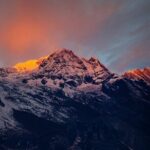
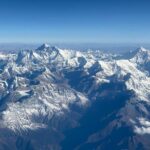
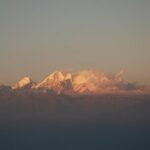
You start early the next morning for sunrise. You’re walking into the cold-dark quiet, and then the light hits the Annapurna ranges. Sunrise here isn’t just pretty. It’s a visibility test—how much cloud clears, how sharp the peaks look, and how the snow catches the first light.
After sunrise, you take breakfast and then begin the return. The described plan is to walk back down:
- you head back along the way you came
- it’s downhill, so the trek feels easier than the climb
- you pass through grassland and forest sections again
- and you aim to reach Sinuwa by dawn (around 7 hours of walking)
This is a key stage for your body. Downhill can feel easier mentally, but it can punish your knees and feet. I like treating this day like a careful descent practice:
- shorten your stride on stone steps
- step flat-foot when possible
- keep a steady rhythm rather than chasing speed
Even though it’s downhill, it’s still a full trekking day. Night includes BLD, so you have a chance to recover properly before the next stair-heavy route.
Down to Jhinu Danda: Suspension Bridges and the Hot Spring Reset
After reaching Sinuwa, you drop down through long stair segments to cross another suspension bridge. Then it’s up again via a series of long stairs to Chhomrong, followed by a different route back.
This is where the trekking shifts from mountain-to-forever view to mountain-to-relief. You descend down a steep hill to JhinuDanda, where the famous natural hot spring is part of the experience. You’ll have time for a dip and then an overnight inn.
The day is about 6 hours of walking, and it’s a smart design: the hot spring doesn’t just feel fun. It’s practical. When you’ve been pounding stairs for days, warmth and buoyancy help your muscles calm down, so your return day feels more manageable.
One more practical point: bring something you can dry fast. Hot spring evenings sound simple until you’re dealing with damp gear and cold air.
Final Walk to Nayapul and Back to Pokhara, Then Kathmandu
The last trekking day is described as early morning through farmland, with no climbs. That doesn’t mean it’s flat and easy everywhere, but it’s a psychological shift. You’re walking through terraced scenery, aiming for Nayapul.
From Nayapul, you drive back to Pokhara (about 3 hours), while the walk time is around 2 hours. Breakfast is included, and you’ll have time to rest in Pokhara and then enjoy the last part of the trip.
Then comes the final drive back to Kathmandu. It’s the same winding road idea—big hills, white rivers, terraced farmland—seen from your window. You stop for lunch and a toilet break along the highway. After you arrive in Kathmandu, you can freshen up and head into Thamel for souvenirs and nightlife.
This matters because after a week of mountains and stairs, it’s nice to have an easy evening plan—something flexible that doesn’t require effort.
Price and Value: What $897.44 Really Covers
At $897.44 per person for an ~8-day experience, the value is best understood by what you’re not paying for separately.
Included:
- Two nights hotel in Pokhara with breakfast
- TIMS permits
- A professional trekking guide with insurance, meals, and allowances
- 3 meals per day and overnight lodge/hotel accommodation along the trek
Not included:
- travel/medical insurance and any emergency evacuation cost
- personal expenses (phone calls, alcohol, donations)
- tips for guides and porters (not optional in practice)
So you’re paying for the structure: permits, guide support, and day-to-day food and beds. For many people, that’s the biggest cost saver. You’re not figuring out logistics mid-trek, and you’re not forced to guess local costs for meals and lodging every day.
Could you do it cheaper on your own? Sometimes. But this price is what you’d typically spend to remove risk and planning stress—especially if you want the private-group feel and smoother handoffs between vehicles and trail days.
If you’re someone who likes being out in the mountains but also likes your evenings to be predictable, this is the kind of package that tends to feel fair.
Guide and Porter Team: Where the Trip Gets Warm and Human
The strongest theme from trek experiences like this is that your guide and porters shape your day. In the feedback provided, names like Jog Gurung, Ganesh, Calvin, and porters such as Phoindra, Osman, and Hori show up repeatedly as people who were helpful, attentive, and positive.
That matters on Annapurna Base Camp because the trek is long enough for small things to add up. It’s not only about safety and pace. It’s about having someone:
- answer questions clearly
- keep the schedule organized
- handle the day’s pace so you don’t burn out too early
- and generally keep spirits up when stairs get annoying
Also, private tours are listed as operating only for your group, which helps. In a trek with real physical demands, having your own team and pace can make the whole experience feel less like a production and more like a shared plan.
What to Expect Daily: A Practical Sense of Pace and Comfort
You should expect:
- early starts on the more intense days
- long walking days where you’ll be moving for 6–8 hours
- frequent changes in terrain: forest, river corridors, open grass stretches
- stairs and suspension bridges that show up at key points
- lodge-style overnight accommodation with meals included
Comfort level is “real trek,” not luxury. The value is in being taken care of so you can focus on walking, breathing, and taking photos when the view earns it.
If you’re planning for altitude, treat it as a gradual increase rather than a sudden jump. Your most important altitude moment is at Base Camp, but the daily climb-and-descend pattern also stresses your system. You’ll feel it most in energy levels and sleep quality.
Packing and Body-Saving Tips (Based on the Trek’s Real Demands)
Since the itinerary includes long stairs and a hot spring day, you’ll want to pack for sore legs and changing weather. The data doesn’t list specific gear, so here are practical priorities that match the route:
- Comfortable trekking shoes with solid grip for rocky and stair sections
- A layer for early mornings (sunrise days are cold)
- Something quick to dry for the Jhinu Danda hot spring dip
- Sunscreen and a hat for the open grassy sections
- A water bottle system you’ll actually use (you’ll walk past rivers often)
Also, pace strategy matters more than speed. On this route, trying to “push” usually backfires. You’ll gain less time than you lose in fatigue.
Who This Trek Fits Best (And Who Should Consider Another Option)
This private Annapurna Base Camp short trek is a strong match if you:
- want a classic Base Camp experience without a super-long duration
- enjoy village passing and forest walking, not only peak views
- don’t mind stairs and suspension bridges
- want a guide-driven experience with meals and lodging arranged
It may be less ideal if you:
- have knee or mobility issues that struggle with repeated stair descents
- expect an easy walk with minimal exertion
- are hoping for lots of free time or sightseeing days (this is daily trekking)
So, Should You Book It?
If you want a structured, well-fed, guide-led trek that hits the core Annapurna Base Camp moments—especially sunrise, the mix of forest-to-grass, the stair challenge, and the hot spring reset—this is the kind of trip that fits well.
I’d book it if you like predictable logistics and you’re okay trading comfort for mountain time. I’d think twice if your priority is comfort over walking, or if stairs are a hard no for your body.
FAQ
FAQ
Where does the trek start?
The start point is Tribhuvan Airport in Kathmandu, Nepal. Pickup is offered.
What’s the highest altitude on this trek?
The highest point is Annapurna Base Camp at about 4,130m.
Is the trek a group or private setup?
It’s listed as a private tour/activity, meaning only your group participates.
What meals are included?
The package includes 3 meals per day during the trekking portion and overnight accommodation in hotel/lodge along the trail. In Pokhara, breakfast is included with the hotel stay. The Pokhara city time mentioned does not include meals.
Are permits included?
Yes. TIMS permits are included.
Is travel or medical insurance included?
No. Travel/medical insurance and emergency evacuation costs are not included.
How much trekking time should I expect each day?
Walking times mentioned range from about 2 hours on the final farmland day to about 8 hours on the day to Annapurna Base Camp. Several days are described around 6–7 hours.