REVIEW · KATHMANDU
Manaslu circuit trek and side trips
Book on Viator →Operated by Nepal Trek Ways Pvt. Ltd. · Bookable on Viator
That Larkya La day feels like the finale.
This Manaslu Circuit trek is built around big Himalayan views and real village rhythm in a region that stayed protected long enough to keep its character. You’ll move through prayer flags, Mani walls, and fir, bamboo, and rhododendron forests while working your way toward the Manaslu area—plus a couple of genuinely worthwhile side options along the way.
I really like how the route gives you built-in breathing space. There’s an acclimatization day at Samagaun (so you’re not just climbing every single day), and there are long-scenic days that still break up into manageable chunks. One thing to consider: the itinerary lists very long trekking days (often around 15 hours), so this is for people with solid stamina and a plan for altitude care, not a casual stroll.
In This Review
- Key highlights at a glance
- Why the Manaslu Circuit still feels special
- Price that actually maps to your trip reality
- Getting there: Kathmandu start and the long road west
- Day-by-day: what you’ll feel on the trail
- Day 1: Machha Khola and the first mountain rhythm
- Day 2: Jagat via hot spring and big suspension-bridge moments
- Day 3: Ghap with Philim’s Gurung village and a gorge push
- Day 4: Namrung and forests with Mani walls, plus a side trip option
- Day 5: Shyala to Lho via Sho village and rising mountain views
- Day 6: Samagaun and that classic panorama block
- Day 7: The acclimatization day in Samagaun
- Day 8: Samdo toward the Manaslu glacier area (and Larkya La approach)
- Day 9: Larkya Bhanjyang and Dharmashalaat Larkya Phedi
- Day 10: Larkya La Pass to Bimtang
- Day 11: Bimtang to Dharapani via Tilije, Thonje, and riverside walking
- Day 12: Back to Kathmandu by jeep and bus
- The side trips that add meaning, not just photos
- What the guides and organization bring to the trip
- Practical expectations: what’s included, what’s extra
- Who this trek is best for
- Should you book Nepal Trek Ways for the Manaslu Circuit?
- FAQ
- How long is the Manaslu Circuit trek, and what time does it start?
- Where does the trek start and end?
- Is this a private trek?
- What permits do I need for this trek?
- What’s included in the $600 per person price?
- What’s not included?
- Are there any meals included, or should I budget for food separately?
- Is there time to acclimatize for altitude?
- What’s the main transportation on travel days?
- What is the cancellation window for a full refund?
Key highlights at a glance
- Restricted-area Manaslu permits handled as part of the trek (special permit plus conservation permits)
- Acclimatization day in Samagaun, with a walk to Pung-gyen Gompa for glacier views
- Larkya La Pass as the signature challenge, with sweeping views and yak pastures afterward
- Tibetan-influenced culture in villages with chortens, monasteries, Mani walls, and painted prayer structures
- Strong organization and communication noted in prior customer feedback, including fast replies from Bikash in Germany
Why the Manaslu Circuit still feels special
Manaslu’s appeal starts with timing and access. The Manaslu region only opened to trekkers in 1991, which helped preserve the route’s feel compared with more crowded trails. In practical terms, that matters because you’re not just chasing photos—you’re spending more time in villages that still feel lived-in.
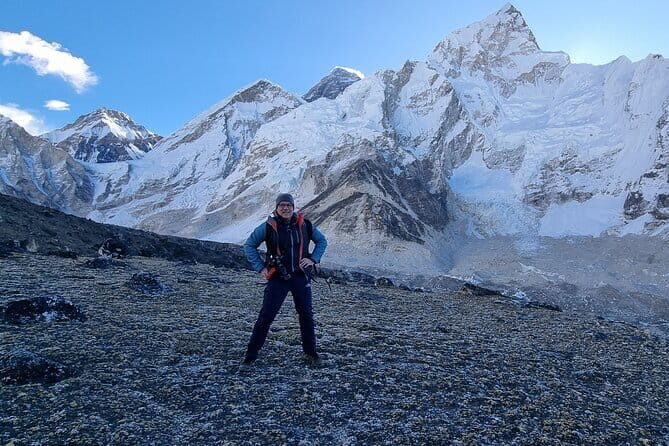
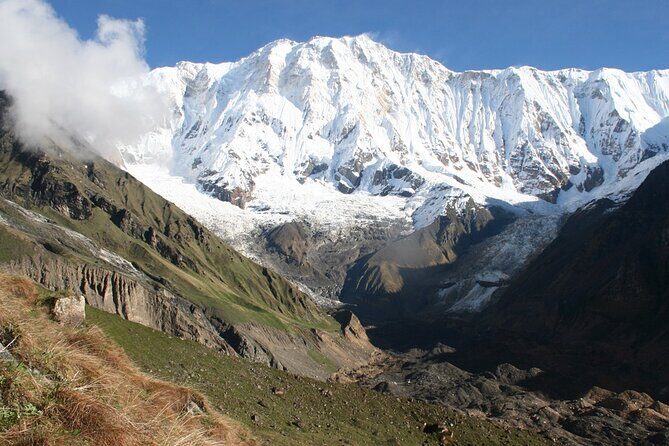
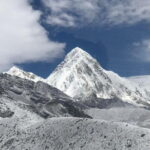
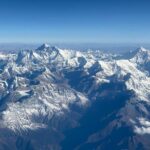
At the center of it all is Manaslu itself (8163). Even if you never get a perfect summit view, the trek keeps putting you in the presence of multiple peaks—Manaslu, Manaslu North, Himalchuli, Saula Himal, Dwijen Himal, and more—often framed by forests and river valleys that change character from day to day.
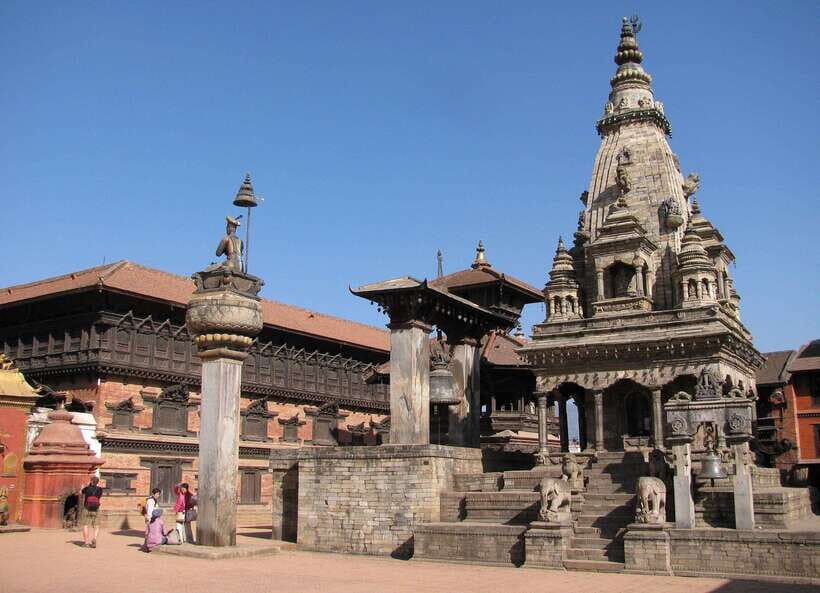
Culture is the other pillar. You’ll see prayer flags and Mani walls repeatedly, plus chortens with detailed paintings in places like Sho village, and monasteries such as the well-known Sama monastery at Samagaun and Pung-gyen Gompa during the acclimatization day. It’s a blend of Tibetan and Nepali influences that comes through in the way villages are arranged and in the religious structures you pass.
You can also read our reviews of more hiking tours in Kathmandu
Price that actually maps to your trip reality
At $600 per person, this trip is priced like an organized trek rather than a DIY project. The listing includes: one English-speaking trekking guide, food, accommodation, and insurance, plus public transportation and the required trekking permits/entrance fees.
Here’s the honest value check: the item list also says all food and beverages are not included and travel insurance isn’t included. That doesn’t have to mean the trip is a bad deal—it usually means the fine print matters (for example, what counts as included meals vs. beverages, or whether insurance is basic vs. supplemental). So before you book, I’d ask the operator to clarify:
- what “food and accommodation” covers during the trek days
- what kind of insurance is included, if any
- whether tea house lodging fees apply on nights en route
Still, the permits piece is a big deal. This trek requires a special trekking permit for the Manaslu restricted area plus Manaslu and Annapurna conservation permits—and those can be a headache to arrange without a handler.
Also noted: the trek is private, meaning it’s only your group. For many people, that’s part of the value. You’re not sharing the pace and logistics with strangers.
Getting there: Kathmandu start and the long road west
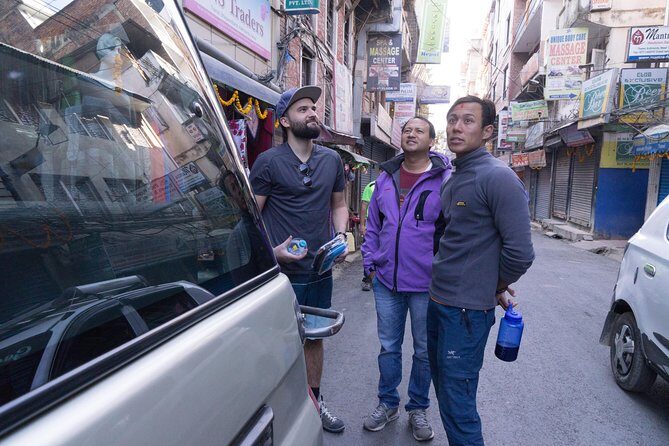
You meet at Hotel Moonlight, Paknajol Marg, Kathmandu, with a 7:15 am start time. From there, the trek begins with a long drive west: Kathmandu toward the mountains, with a mostly paved stretch and then a bumpy dirt section roughly 30 km from Dhading Bensi to Machha Khola.
This matters because the “trek” starts before your boots hit the trail. You’ll want to treat the first day like an energy deposit. The schedule also keeps the day structure familiar: an early move, sightseeing from the window, then a trek-day rhythm building from day 2 onward.
Day-by-day: what you’ll feel on the trail
Below is what the days are doing for you, not just where you sleep.
Day 1: Machha Khola and the first mountain rhythm
You’ll push off early and ride through Nepalese landscape, farms, villages, and mountain scenery for about 8 hours, then transfer toward Machha Khola with that rougher road segment. It’s not technical; it’s about orientation—getting your body used to travel time and setting expectations for the slower pace of mountain trekking afterward.
Possible drawback: the road day can sap energy. If you’re sensitive to motion or long drives, plan to treat night one as recovery, not sightseeing.
Day 2: Jagat via hot spring and big suspension-bridge moments
Today is all about movement and variety. You walk across streams and rocky ravines, reach Khorla Besi, then you encounter a small hot spring in Tatopan. Soon after, suspension bridges start showing up as key “reset” points: you’ll cross to the eastern bank, climb a wide staircase to Dobhan, then later cross Yaru Khola and climb through stairs to reach Thado Bharyang before reaching Jagat for the night.
The bridges here aren’t just scenic. They’re frequent route anchors that help break up long hiking stretches.
Day 3: Ghap with Philim’s Gurung village and a gorge push
The trail undulates, then you descend to Setibas and cross to Ghatta Khola, where you take a hanging bridge to reach Philim, described as a Gurung village. You pass millet fields, then hit an uninhabited steep gorge stretch. The valley widens as you move through bamboo forests and reach Deng Khola. The day ends at the tiny village of Deng.
Why it’s special: you get a social interlude (Philim) and then a more secluded-feeling valley experience (the gorge/bamboo sequence).
Day 4: Namrung and forests with Mani walls, plus a side trip option
You cross the Budhi Gandaki and climb to Rana, then travel up the Budhi Gandaki valley crossing streams and rivers. You reach the Sringi Valley and spend time moving through up-and-down forest terrain with Mani walls.
Overnight is Ghap (as listed in this day’s route), and there’s an optional side trip to visit Tibetan gompas at Prok.
Consideration: side trips cost time and energy. If you’re still feeling altitude or fatigue, you might choose the full trek day instead of adding the extra walking.
Day 5: Shyala to Lho via Sho village and rising mountain views
You start up through pine and birch, then pass a roaring narrow gorge section. After that, the narrow forest path continues toward Namru, described with a check post. You then pass small Tibetan villages and reach Lihi, where a chorten with detailed paintings introduces Sho village’s cluster of stone houses.
Then the day tilts upward. As altitude increases, mountain views become more sensational on the way toward Lho for the night.
Day 6: Samagaun and that classic panorama block
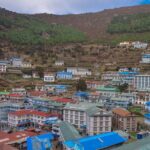
From Deng, you cross the Thusang Khola and climb through fir forest to a plateau. The route leads into Shyala and then forward into the main part of Samagoan/Samagaun. The village is surrounded by massive peaks—Himal Chuli, Peak 29 (Ngadi Chuli), Manaslu, and Ganesh Himal are all named here.
You sleep in Samagaun, where you’ll hear about a well-known monastery called Sama.
Why this day matters: it positions you for the bigger Manaslu-area scenery without rushing.
Day 7: The acclimatization day in Samagaun
This is a full day at Samagaun with time to adjust. The walk option is to Pung-gyen Gompa, noted as renowned, with glacier views. The rest of the day is about exploring village daily life—exactly the kind of slower pace that helps altitude comfort for many people.
This is also where that feedback about a good itinerary comes in. People liked the idea of scheduled rest rather than constant pressure.
Day 8: Samdo toward the Manaslu glacier area (and Larkya La approach)
You start from Sama and move along the foot of the great Manaslu Glacier. The trail to Manaslu Base Camp branches off, while your route continues toward Larkya La. You pass several Mani walls as the valley widens, then move through birch, juniper, and rhododendron. You cross a wooden bridge, climb steeply onto a promontory between river forks, and reach Samdo for the night.
This day is a mental shift: you’re moving into a more “high country” feel.
Day 9: Larkya Bhanjyang and Dharmashalaat Larkya Phedi
You cross the wooden bridge over Budhi Gandaki, pass a couple of streams, and see the Larkya Glacier appear across the bank. Then you climb steadily, skirting around the Sarka Khola toward Dharmashalaat Larkya Phedi, where you stay.
It’s not described as a pass day, but it is a glacier day. Expect the scenery to tighten and open at the same time—less village, more mountain and ice context.
Day 10: Larkya La Pass to Bimtang
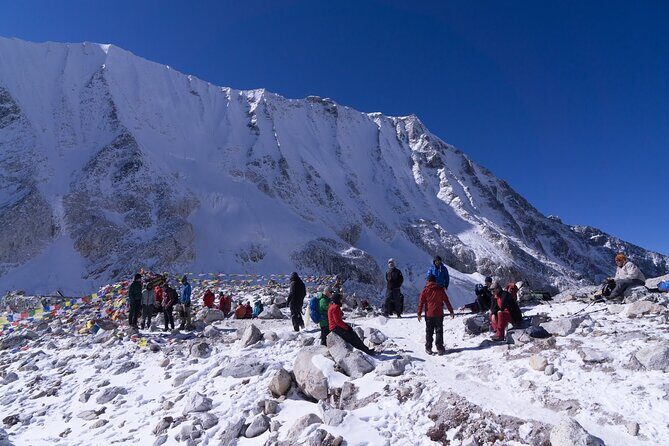
This is the big headline day. After a short ascent you reach the north-side valley of the Larkya Glacier, with views of Cho Danda and Larkya Peak. Then you walk across glacier moraines with a gradual climb to the pass.
From the pass, the views are described as outstanding: Himlung Himal, Cheo Himal, Kangguru, and Annapurna II. After taking in the scene, you continue onto yak pastures toward Bimtang, where mist is mentioned for the evening.
Why people remember this day: it combines a high-effort climb with a strong payoff. It’s also the kind of day where pace and footing matter, since you’re on moraine terrain.
Day 11: Bimtang to Dharapani via Tilije, Thonje, and riverside walking
You walk from Bhimtang to Dharapani, passing Tilije with stone-paved village paths. You cross the Dudh Khola, then walk along the river bank and cross back over a wooden bridge to the northern side. You pass a chorten shaped arch and a Mani Wall before reaching Thonje and continuing to Dharapani.
This is a quieter day compared with pass day, but it’s still part of the long trekking rhythm.
Day 12: Back to Kathmandu by jeep and bus
You drive all the way down to Besisahar by local sharing jeep (4–5 hours), then take a bus along the Prithivi Highway. You return via the banks of the Marsyangdi and Trishuli rivers, with green hills, farming terraces, and village views on the way.
The trip ends back at the meeting point, with options for onward travel either toward Kathmandu or Pokhara depending on your plan.
The side trips that add meaning, not just photos
Two add-ons stand out from the itinerary design:
- Tibetan gompas at Prok (Day 4): this gives you a cultural detour without dragging the schedule too far.
- Pung-gyen Gompa (Day 7): placed on the acclimatization day, so it’s not only cultural but also a practical way to explore while your body adjusts.
If your idea of a great trek includes seeing how people live and worship in the places you’re passing through, these are worth planning for.
What the guides and organization bring to the trip
The trekking itself depends on logistics working on time: permits, route planning, and getting you safely through the hard-to-find stretches. In prior feedback, people praised the organization and communication a lot.
One recurring detail from the messages: in Germany, communication with Bikash was fast and responsive before the trek. On the ground, the team mentioned in feedback includes Hari and Bimal, with an organized experience that covered airport pick-up and excursions around Kathmandu, plus a final celebratory beer. I like that this kind of attention to small stuff usually means fewer surprises when you’re already tired.
Practical expectations: what’s included, what’s extra
Here’s the clearest way to think about the checklist.
Included:
- one English-speaking trekking guide
- food, accommodation, and insurance (as listed)
- public transportation (public deluxe bus and jeep)
- permits/entrance fees for the Manaslu restricted area and conservation areas
Not included:
- gratuities
- all food and beverages
- travel insurance
- tea house accommodation fees during trek
- porter service to carry your belongings
Because the “included” and “not included” lists conflict on food and insurance, your best move is to ask for a written clarification before payment. It’s a short question that can save you money and confusion later.
Also note: the booking says travelers should have moderate physical fitness. The hiking days are listed as roughly 15 hours in the itinerary blocks, which tells you that stamina matters more than speed.
Who this trek is best for
This Manaslu Circuit trek fits best if you want:
- a less overrun Himalayan route with Tibetan-leaning culture
- a mix of forests, rivers, villages, and high-pass scenery
- a schedule that includes at least one acclimatization day (Samagaun)
- an organized team with an English-speaking guide
It’s also a good match if you enjoy steady, long walking days and you’re comfortable with the idea that the itinerary is demanding, not scenic-light.
If you want short days, lots of spontaneous detours, or a fully cushy experience with minimal time on your feet, this setup may feel too intense.
Should you book Nepal Trek Ways for the Manaslu Circuit?
If you want a Manaslu experience that’s structured, culturally focused, and run by a team that’s been praised for communication and organization, I think this is a solid choice. The combination of permits handled, private-group format, and a route that includes acclimatization in Samagaun makes it easier to trust the plan.
Before you click book, do two checks:
- Ask them to clarify the mismatch on food, beverages, and insurance (and whether tea house fees apply on your nights).
- Be honest about fitness. With days listed around 15 hours, you’ll want to start training early rather than hoping willpower covers it.
If those boxes are satisfied, you’re looking at a trek that can deliver the kind of mountain-and-village experience people remember for years.
FAQ
How long is the Manaslu Circuit trek, and what time does it start?
The duration is about 12 days. The start time is 7:15 am, and the meeting point is Hotel Moonlight in Kathmandu.
Where does the trek start and end?
It starts at Hotel Moonlight, Paknajol Marg, Kathmandu 44600, Nepal. It ends back at the same meeting point.
Is this a private trek?
Yes. It’s listed as a private tour/activity, and only your group participates.
What permits do I need for this trek?
You need a special trekking permit for the Manaslu restricted area, plus Manaslu and Annapurna conservation permits.
What’s included in the $600 per person price?
The included items are an English-speaking trekking guide, food, accommodation, insurance, public transportation (public deluxe bus and jeep), and the required entrance fees/permits.
What’s not included?
Gratuities are expected. Also not included are all food and beverages, travel insurance, tea house accommodation fees during the trek, and a porter service to carry your belongings.
Are there any meals included, or should I budget for food separately?
The listing says food is included, but it also says all food and beverages are not included. You should confirm exactly what meals are covered versus what is extra.
Is there time to acclimatize for altitude?
Yes. There’s an acclimatization day in Samagaun, with an option to walk to Pung-gyen Gompa.
What’s the main transportation on travel days?
You’ll use public deluxe bus and jeep. Day 12 includes a sharing jeep to Besisahar followed by bus travel along the Prithivi Highway back toward Kathmandu or Pokhara.
What is the cancellation window for a full refund?
You can cancel up to 3 days in advance for a full refund. If you cancel less than 3 full days before the experience start time, the amount paid is not refunded.