REVIEW · KATHMANDU
1 day with our women empowerment and children development project
Book on Viator →Operated by Human welfare committee · Bookable on Viator
Kathmandu opens in unexpected ways here. This women empowerment and children development day with the Human Welfare Committee is built around real community time, not a scripted tourist routine, with a hands-on cooking start that keeps things personal. I especially love the Nepali cooking lesson, where you learn dishes like dal bhat or momo from the women running the program.
Then you shift to making your own colorful keepsake and meeting the kids after school. I like that the day doesn’t feel like a performance for visitors; it’s a community-led day with games, sports, and even singing and dancing once the children arrive. The main drawback to plan for is comfort: you’ll be on your feet for an 8–10 hour stretch and you’ll walk about 30 minutes together after lunch.
In This Review
- Key highlights you’ll actually feel
- Where your day starts in Kathmandu: Paknajol to Manjushree Galli
- Nepali cooking with women: dal bhat or momo for real
- Lunch is more than a pause
- Bead jewelry workshop: make a keepsake that feels personal
- The 30-minute walk: getting oriented at the right moment
- When school ends: games, sports, painting, and singing
- Dinner and farewell: ending the day with the right tone
- Price and value: what $120.13 buys you in Kathmandu
- Logistics that actually matter: timing, tickets, and group size
- Who should book this, and who should think twice
- Should you book this Kathmandu empowerment day?
- FAQ
- FAQ
- What time does the experience run?
- What activities are included?
- Where do we meet and where does it end?
- Is the tour private and how many groups participate?
- Do I get a ticket on my phone?
- Can I cancel and get a full refund?
Key highlights you’ll actually feel
- Cooking with local women (around 11:00–1:00): dal bhat or momo hands-on, with time to talk and learn.
- A shared lunch (1:00–2:00): you eat together before shifting to the next activity.
- Bead jewelry workshop (2:00–4:00): make something you can wear or take home.
- A walk to the main center (about 4:00–4:30): from We handicraft in Paknajol to Manjushree Galli.
- Kids’ afternoon energy (about 5:00–7:00): games, sports, walking, painting, plus dancing and singing.
- You may meet Tenzing and have real conversation: one program leader named Tenzing is specifically mentioned for thoughtful time with guests.
Where your day starts in Kathmandu: Paknajol to Manjushree Galli
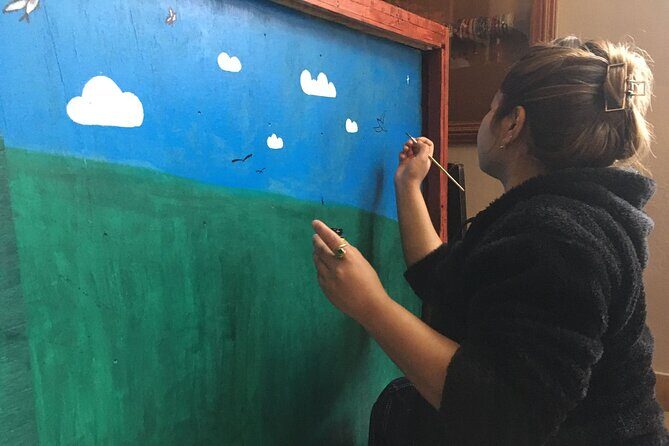
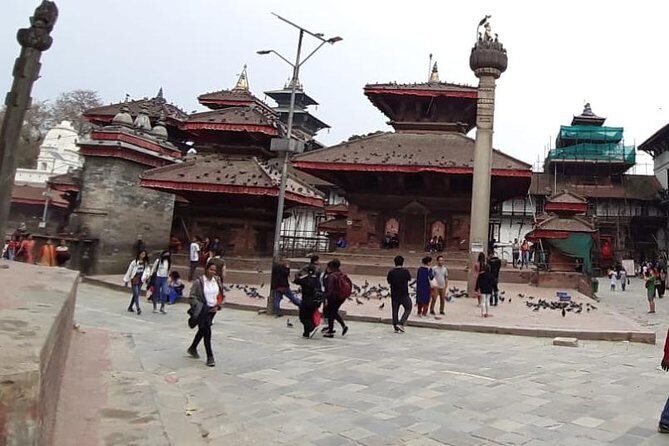
Your experience begins at We handicraft, Paknajol in Kathmandu (44600). It’s a practical starting point because it’s near public transportation, and it keeps you from needing complicated logistics before the real work of the day starts.
You’ll finish at Human Welfare Committee, Manjushree Galli. About after lunch—around 4:00 PM—you walk together for roughly 30 minutes to the main center. It’s an easy transition in theory, but in practice it’s another reason to wear shoes you can move in. Kathmandu streets can be uneven, and your day is already structured to keep you active.
One nice detail: this is a private activity, so only your group participates. That matters for a day like this. You’re not competing with other visitors for time with the kids or asking questions over a crowd.
A few more Kathmandu tours and experiences worth a look
Nepali cooking with women: dal bhat or momo for real

The morning part is the heart of the visit: a Nepali cooking class led by local women (roughly 11:00 AM–1:00 PM). You’ll learn to cook either dal bhat or momo, and the emphasis is on doing the work with guidance rather than watching from the sidelines.
What I love about this segment is the way it turns “volunteer tourism” into something more human. When you’re chopping, mixing, rolling, steaming, or tasting, you naturally ask questions. And questions turn into conversation fast—about food, daily life, and what the women want you to know.
Practical things to keep in mind:
- You’ll be actively involved, so expect a bit of mess. Wear clothes you don’t mind getting splashed or slightly dusty.
- If you’re a careful eater, don’t worry. This is a shared meal setting, so you’re learning and tasting in a normal, friendly way.
- If you’ve never made momo before, this is still approachable. The value here is not perfection; it’s learning the basics and understanding why the food tastes the way it does.
From a value standpoint, cooking class time is often expensive in Kathmandu when you only pay for a hands-on lesson. Here, you’re getting that skill-building while also supporting the broader women empowerment and children development work of the organization.
Lunch is more than a pause
Lunch runs from about 1:00–2:00 PM, and it’s not just a break in the schedule. It’s part of how the day connects you to the community. You eat with the group and continue the conversation that started in the kitchen.
This is one of those travel moments people often rush past when they’re focused on ticking boxes. Don’t. Sit, ask simple questions, and practice patience if language isn’t perfect. Even basic back-and-forth helps you show respect and curiosity.
Bead jewelry workshop: make a keepsake that feels personal
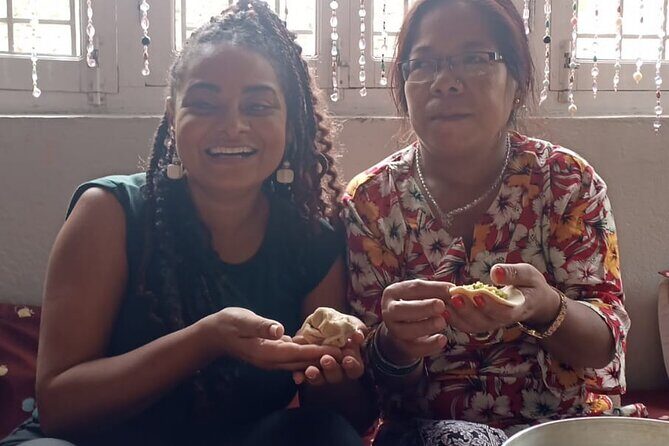
From about 2:00–4:00 PM, you join a jewelry-making workshop with the women. This is where the colorful beads take center stage, and you can create something for yourself or as a souvenir.
The practical benefit: jewelry-making gives you a clear, do-it-yourself task to focus on. After cooking, your hands are already “in work mode,” so it’s a natural continuation. And unlike some activities that produce something you barely look at later, bead jewelry tends to become a real reminder because you made it piece by piece.
A few smart things to do:
- Take your time with the design. It’s easy to rush when you know the next activity is coming, but your finished piece will be better if you slow down just a bit.
- If you’re buying jewelry elsewhere in Kathmandu, pay attention to how the bead colors, spacing, and stringing choices affect the look. Even if you don’t master it today, you’ll learn enough to shop with more confidence afterward.
The 30-minute walk: getting oriented at the right moment
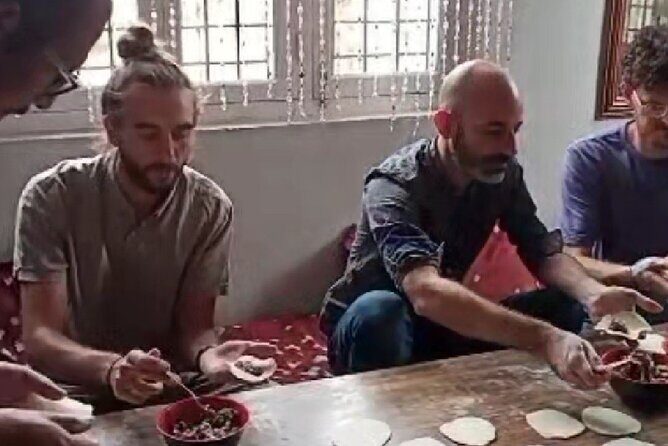
Right after the jewelry session, the schedule has a walk together for about 30 minutes to reach the main center at Manjushree Galli.
On paper, it’s short. In real life, it gives you two helpful things:
- It shifts you from workshop mode to community mode.
- It gives you time to mentally reset before you meet the children.
Because you’ll likely be active throughout the day, this is another reminder to dress for movement. If you’re bringing a daypack, keep it simple—water, your phone, and maybe a small layer if the temperature shifts.






When school ends: games, sports, painting, and singing
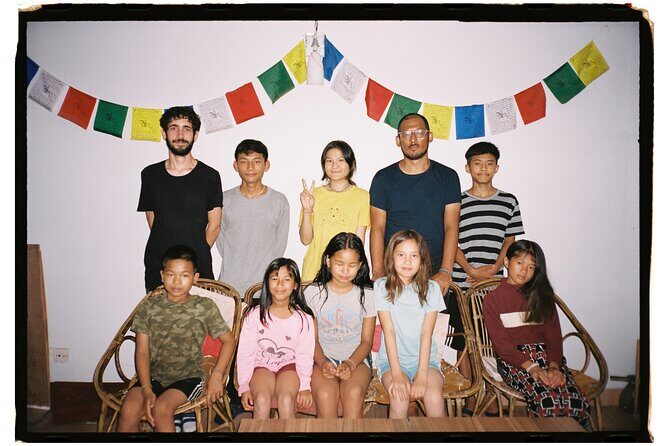
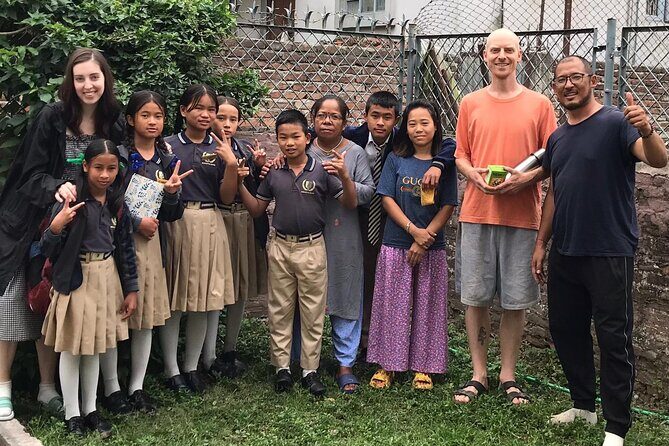
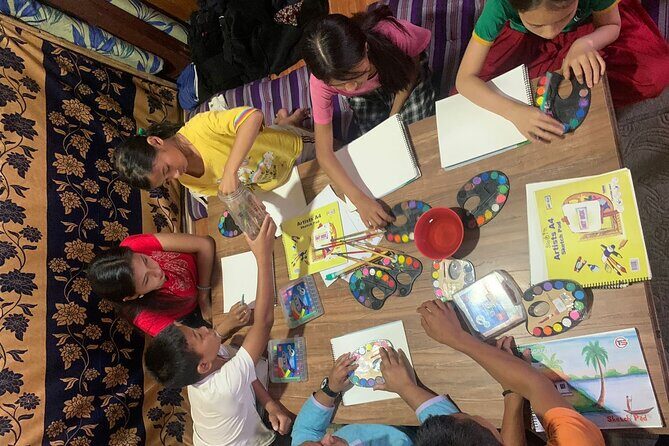
Around 4:00 PM, the children return from school. Then the fun becomes very real, because the program time is focused on connection through games, sports, walking, dancing, and singing (roughly 5:00–7:00 PM), with options like painting too.
This is the segment that most strongly shapes how people remember the day. Not because it’s flashy, but because it’s spontaneous in the best way. Once you’re past the structured activities, you’re in the messy world of play—running, laughing, improvising, learning names, and figuring out what a smile means even when language is limited.
What to keep in mind as a visitor:
- Be ready to participate, not just observe. If you hang back, you’ll feel more awkward and the kids will too.
- Keep your energy steady. There’s no need to perform. Joining the game at your pace works.
- If you’re shy, start by copying simple movements—passing a ball, drawing a quick shape, clapping to a rhythm.
One past experience description also mentioned the feeling of seeing everyday life beyond the big-city version of Nepal. This is where you actually see it: not through a museum lens, but through routines, play, and the attention the kids receive.
Dinner and farewell: ending the day with the right tone
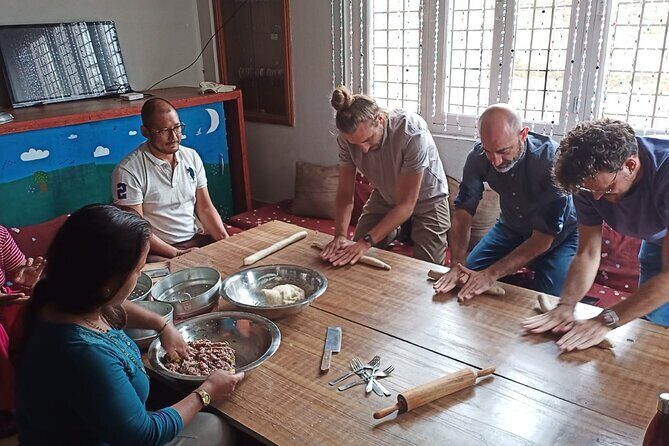
Dinner is scheduled from about 7:00–8:00 PM, and it happens with the children. That shared meal ending matters. It keeps the day from feeling like a “visit and leave” experience.
Then you close with a farewell around 8:00 PM, marking the end of the program.
If you’re the type who worries about saying the wrong thing, don’t overthink it. A warm goodbye, a kind nod, and a thank-you gesture go a long way. Your job is to close the loop with respect after a day of real contact.
Price and value: what $120.13 buys you in Kathmandu
The price is $120.13 per person. On its face, that’s not cheap for Nepal. But you’re not just paying for entertainment.
Here’s what you’re getting value for:
- A full-day structure (roughly 8–10 hours)
- Admission ticket included
- Women-led cooking and a bead jewelry workshop
- Time spent with children after school, plus activities and a shared dinner
You’re also supporting a non-profit effort focused on children and women from underprivileged communities. That framing matters because the day is built around empowerment and development, not only fundraising photos.
Another practical sign of demand: this activity is booked, on average, 79 days in advance. That suggests it has steady interest, likely because it’s one of those experiences that feels different from the typical Kathmandu sightseeing loop.
One consideration before you decide: you’re signing up for a structured day with active participation. If you’re hoping for a relaxed, purely observational cultural tour, this may feel busier than you expect.
Logistics that actually matter: timing, tickets, and group size
This experience uses a mobile ticket, and you receive confirmation at booking. It’s also described as being near public transportation, which is helpful for getting to the start point in Paknajol without stress.
It’s also set up as a private tour/activity, meaning only your group participates. That’s a big quality-of-life factor when your schedule includes interaction time with kids.
The hours at the center are listed as 10:00 AM–6:00 PM (for Monday through Sunday). Your program runs longer than that, though, because the day includes cooking, dinner, and farewell. So plan on the fact that the overall experience schedule is organized around the center and the children’s school day, not just the posted storefront hours.
Duration is listed as 8 to 10 hours (approx.), so build in buffer time for travel and settling in.
Who should book this, and who should think twice
This day fits you best if:
- You want Kathmandu beyond viewpoints and into everyday community life
- You enjoy hands-on activities like cooking and making something with your hands
- You’re comfortable joining kids in games and friendly activities
- You value women-led learning and skills-based workshops
You might want to think twice if:
- You’re looking for a passive tour where you mostly watch
- You hate long sitting-to-standing transitions
- You’re very sensitive to emotional situations. This is a children-focused experience, so you’ll be interacting with kids and learning in a context tied to real need.
Also, if you’re the kind of person who gets anxious when you don’t speak the local language, don’t worry. The activities are structured, and the connection happens through participation. Just go in with patience and a sense of humor for the awkward bits.
Should you book this Kathmandu empowerment day?
Yes, if you want a meaningful day that mixes practical learning (cooking and bead jewelry) with real connection (playing with schoolkids and sharing dinner). The women-led format and the hands-on nature are exactly what makes it feel worthwhile, and the best praise centers on how memorable and energizing it is when you see daily life through the lens of the people running the program.
My advice: book it if you’re ready to participate, not just watch. Wear comfortable shoes. Bring a calm attitude. And when you meet the team, spend a few extra minutes listening—especially with Tenzing, who’s specifically mentioned for thoughtful conversation. That extra human time is often what turns a tour into a day you remember.
FAQ
FAQ
What time does the experience run?
It lasts about 8 to 10 hours (approx.). The schedule starts with cooking around 11:00 AM and ends with farewell around 8:00 PM.
What activities are included?
You’ll join a Nepali cooking class (dal bhat or momo), have lunch, participate in a bead jewelry workshop, walk to the main center, then do games/sports/walking/painting/dancing/singing with the children, followed by dinner and farewell.
Where do we meet and where does it end?
You start at We handicraft, Paknajol, Kathmandu 44600. You end at Human Welfare Committee, Manjushree Galli, Kathmandu 44600, with a 30-minute walk together after lunch.
Is the tour private and how many groups participate?
Yes. This is a private tour/activity, and only your group will participate.
Do I get a ticket on my phone?
Yes. The experience includes a mobile ticket.
Can I cancel and get a full refund?
You can cancel for free up to 24 hours in advance for a full refund. If you cancel less than 24 hours before the start time, the amount paid will not be refunded.