REVIEW · KATHMANDU
15 Days Manaslu Circuit Trek
Book on Viator →Operated by Yak Ru Adventure · Bookable on Viator
Manaslu feels like Nepal before it got crowded. This 15-day circuit takes you from Kathmandu’s busy streets up into the high alpine world around Mt. Manaslu, with Tibetan-leaning villages, glacier views, and real trekking days that actually change how you breathe. I like how the route blends culture and scenery in a way that stays practical, not just postcard.
I especially like that you’re not left on your own. You trek with a professional local guide (reviews mention Suresh and Sujan) plus porters, and that support includes real tools like a satellite phone and an oximeter.
One consideration: altitude and long days are part of the deal. The route goes above 5000 meters, and one of the biggest days is the long push over Larke La Pass, so you’ll want solid pacing and a moderate fitness base.
In This Review
- Key things that made this trek work so well
- Why the Manaslu Circuit feels different (and worth the effort)
- Price and value: what $1,450 covers in real-life trekking terms
- Kathmandu setup: the part that can make or break your trekking week
- The road to the trail: Kathmandu to Machhakhola and the first rugged day
- Jagat to Deng to Namrung: villages that grow more Tibetan with altitude
- Shyala and Samagaun: gompas, views, and a real acclimatization rhythm
- Samdo and Dharamsala: where you feel the high country change
- Larke La Pass day: the long climb that earns the views
- From Dharapani to Tilije: forest walks, old villages, and small comforts
- Back to Kathmandu and the farewell dinner
- The guides, porters, and group vibe that come through in real life
- Wildlife, culture, and the moments beyond the pass
- Who this trek is best for (and who should think twice)
- Should you book the Manaslu Circuit with Yak Ru Adventure?
- FAQ
- Where does the trek start, and what time?
- Is pickup included?
- What meals are included during the trek, and what’s not included in Kathmandu?
- Are permits and paperwork included?
- How big is the group?
- What safety support is included for emergencies?
- Is free cancellation available?
Key things that made this trek work so well
- Small max group size (14 travelers): more personal guidance, less crowding on the trail
- Guide safety setup: satellite phone plus oximeter, plus rescue and evacuation arrangements
- Trek support that’s more than paperwork: porters and assistant guides handled by group size
- Acclimatization with a purpose: a rest day that includes Birendra Lake and a wildlife chance
- A clear “big day” highlight: Larke La Pass day is long, challenging, and view-heavy
- Culture you can actually see: Tibetan-style villages like Samdo, plus a gompa visit
Why the Manaslu Circuit feels different (and worth the effort)
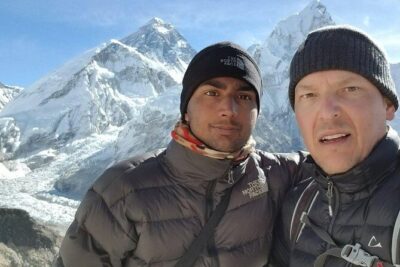
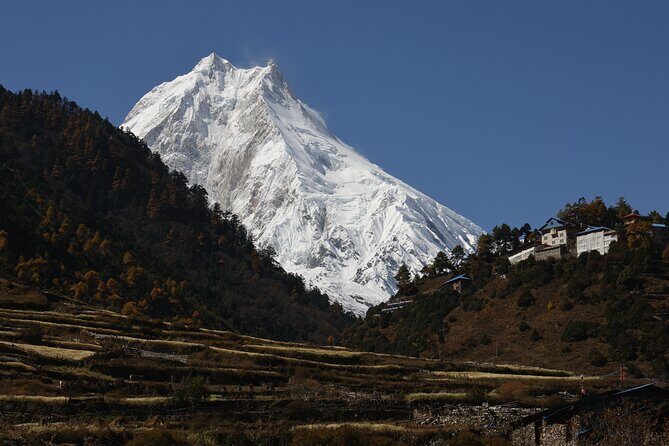
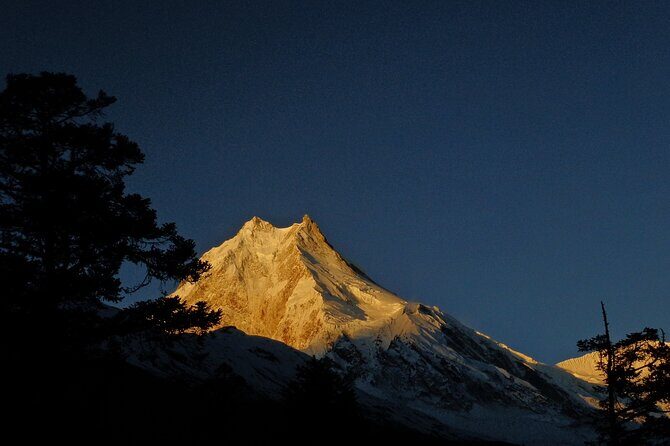
This trek goes after a specific kind of satisfaction: mountains plus villages that still feel local. You’ll move through terraced farmland, forests, and river valleys, then gradually rise into the colder, quieter high country above 5000 meters. The big prize is circling Mt. Manaslu (8163m) and getting repeated, changing angles of the massif.
What I like most is the rhythm. Some trekking routes jump fast from village to village with little texture. Here, you get the slow build: lowlands by road, then rugged trails by day, then higher pastures with yaks, then glacial terrain before the pass. That pacing helps you adjust, and it also makes each village stop feel earned.
You can also read our reviews of more hiking tours in Kathmandu


Price and value: what $1,450 covers in real-life trekking terms
At $1,450 per person, the value is mostly about reducing uncertainty. You’re paying for the pieces that turn trekking from “possible” into “managed”: permits and paperwork, a professional English-speaking guide, porters, and a structured plan with meals and lodging.
Here’s what’s included that matters on the ground:
- Kathmandu hotel for 3 nights in a 3-star place on a bed-and-breakfast basis
- Private ground transfers (not shared shuttles)
- Permits and required paperwork handled for you
- Rescue and evacuation arrangements for emergencies
- Tea and coffee during the trek
- Meals on trek: breakfast (14), lunch (12), dinner (12)
- The trekking team: porters and assistant guides based on group size
- Safety gear: guide equipped with a satellite phone and an oximeter
And here’s what you should budget for separately:
- Meals in Kathmandu (lunch and dinner aren’t included)
- Medical evacuation cost if you need it
- Tips for local staff
- Anything not listed in the included section
If you’re the kind of traveler who likes your logistics handled, this price makes sense. If you already enjoy planning every detail and traveling completely independently, you may feel the cost is heavier than you need. But for many people, the main win is peace of mind when the route gets serious.
Kathmandu setup: the part that can make or break your trekking week
Your trip starts with an airport meet-up at Tribhuvan International Airport in Kathmandu, with a 5:45 am start time. You’ll be taken to your hotel, with time to rest before your guide briefing.
On the second day, you’ll prepare gear and organize for the trek. I like this early structure. It gives you a real chance to sort layers, foot care, and essentials without panicking when you’re already on the road.
Also, your Kathmandu hotel stay is bed-and-breakfast for three nights, so you’re not completely off your feet. It’s a simple setup, but it helps you arrive with energy for Day 3’s long drive.
The road to the trail: Kathmandu to Machhakhola and the first rugged day
After breakfast, you drive to Machhakhola, passing through Arughat and Sotikhola. The route mixes blacktopped road and dirt sections, which is typical for Nepal’s river corridors, and it matters because it sets expectations: your first day of movement is mostly travel, not hiking.
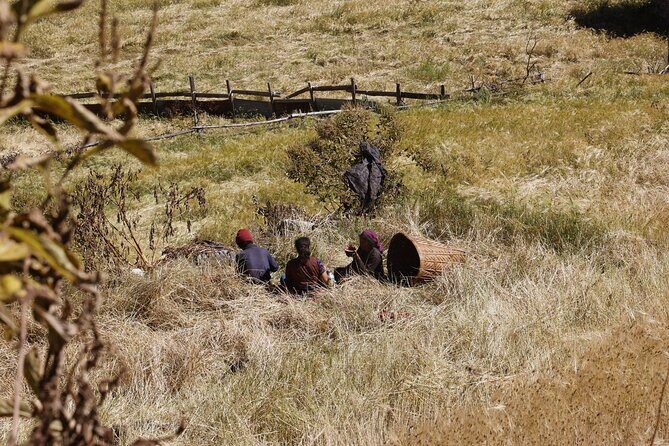
When you start walking the next day, the trail feels grounded and real. After crossing the Machha Khola area, you’ll deal with rugged paths that follow vehicle roads for a stretch. You can also stop at Tatopani for the hot spring break, which is a small thing that makes a big difference for sore legs.
By the time you reach Jagat, the trail has started to mix climb with river crossings and suspension bridges. That’s not just scenery. It’s training for the route style you’ll keep seeing: bridges, switchbacks, and short climbs that add up.
Jagat to Deng to Namrung: villages that grow more Tibetan with altitude
From Jagat onward, the trek keeps moving upward through a sequence of working villages. On your way to Deng, you’ll pass Salleri and Sirdibas, cross a long suspension bridge, then continue through forests and bridge after bridge. I like that the route doesn’t pretend every day is easy. It stays honest.
You’ll also see pine and bamboo forests along the way, which makes the air feel cooler and sharper as you go. The effect is practical: you start using layers better, and you stop overpacking warm clothes you won’t need.
Then comes Namrung, a highland hamlet where the people resemble Tibetans. That’s one of those details that makes the trek feel culturally specific, not generic. And the approach to Namrung includes cultivated fields and low alpine forests, so you get both human life and the mountain’s growing presence.
A possible drawback here: you’ll be on rocky, uneven terrain across a lot of these miles. If your knees don’t love steep descents, bring trekking poles and use them early, not only after you’re tired.





Shyala and Samagaun: gompas, views, and a real acclimatization rhythm
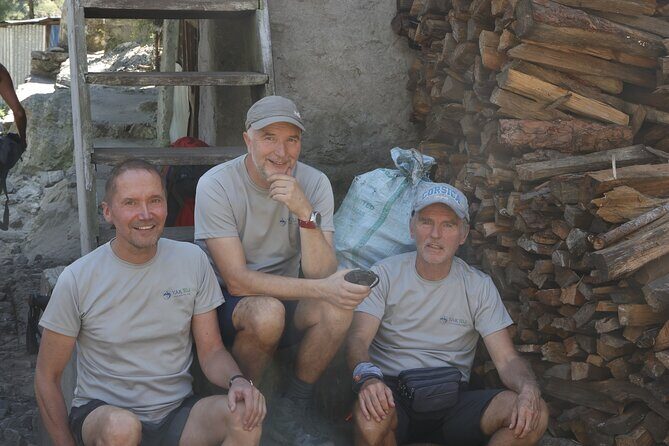
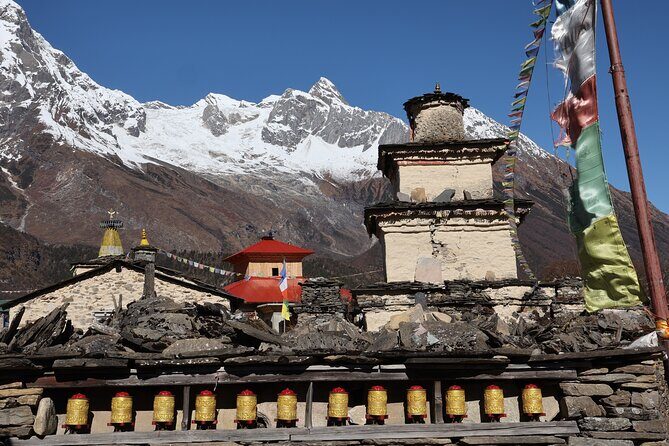
Your day to Shyala passes through ethnic villages like Lihi, Sho, and Lho. You’ll also visit Ribung Gompa in Lho, perched up on a hill with a wide view of Manaslu. I like gompa stops on treks because they give you a reason to slow down, not just a place to pass through.
The next highlight is Samagaun, reached after trekking toward Punggyen Gompa. You’ll get panoramic views, including Manaslu’s eastern face from this area, and you’ll cross pastures while heading toward glacial runoff. It’s the kind of scenery that changes from hour to hour as clouds move and the light shifts.
Then you take a rest day in Samagaun for acclimatization. You’ll head out to Birendra Lake, and you might also spot wildlife such as Himalayan Thar. This is exactly the kind of rest day I value: you’re not doing a full hike every day just because the calendar says so. You’re doing something active enough to help your body adjust.
Samdo and Dharamsala: where you feel the high country change
From Samagaun, the route continues toward Samdo, passing through birch and juniper forests and small villages. Samdo is a small Tibetan refugee village, which adds a distinct cultural layer to the trek’s higher stages.
The walk into Dharmasala continues into high pasturelands. You’ll see yaks grazing, and you’ll also get views of Manaslu North, Larkya Peak, and Larkya glacier. If you want to understand why trekkers talk about “the day you started feeling altitude,” this is often where it kicks in.
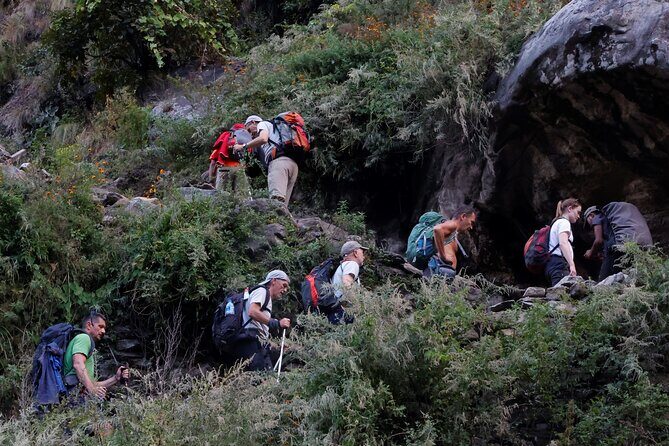
Also, note the trail pattern: suspension bridges and gradual climbs. That combination can be mentally easier than constant steep hiking, but physically it can still wear you down. You’ll likely want to keep an easy pace and avoid the urge to “make time” on these sections.
Larke La Pass day: the long climb that earns the views
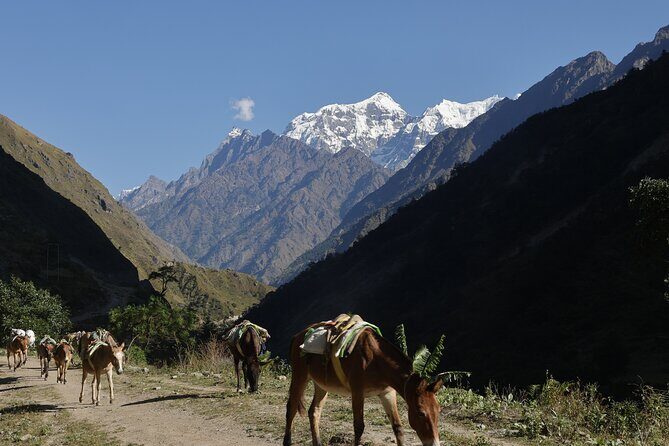
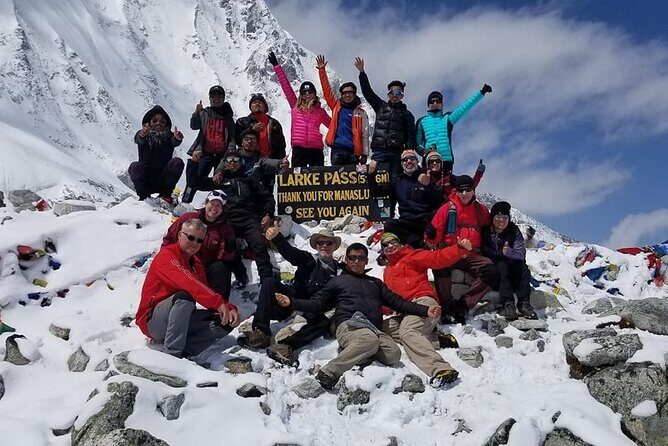
This is your biggest day. After an early start, you head toward the north side of Larkya glacier, then you climb along a steep path to the top of Larke La Pass. From up there, the views spread out to Himlung Himal, Cheo Himal, Kangguru, and Annapurna II, plus many other peaks.
Then comes the long descent to Bimtang. I consider this the day to be strict about pacing. The climb is demanding, and the descent can be just as tough on your legs, especially when you’re tired.
A practical tip that fits this kind of day: start hydrating early and keep moving in a steady rhythm. When you hit a pass, it’s tempting to stop often to take photos and then feel rushed. Better to take fewer breaks, take them consistently, and save your energy for the descent.
From Dharapani to Tilije: forest walks, old villages, and small comforts
After the pass and the descent, you head toward Dharapani. Your trek includes views of Mt. Manaslu along the way and passes areas with glacial influence, including the Kechakyu Khola Glacier. You’ll also trek through rhododendron forest, which tends to make the air feel a bit softer than the cold high pass days.
You’ll reach Gho, then continue toward Tilije, which is an older Gurung village. From there, you can find facilities like a hot shower, plus wifi and electricity. That’s not just convenience. Those small upgrades help your recovery and make you feel more human when the trek is near the finish.
Back to Kathmandu and the farewell dinner
On your final trek-to-city day, you drive back to Kathmandu via Besishahar. When you arrive, you’ll return to your hotel and then have a farewell dinner arranged by the company.
After days of walking and altitude, that dinner can feel like a reset button. You’ll likely appreciate sitting with everyone, sharing the moments you remember most: first pass views, a bridge crossing when the wind was calm, or the strange quiet in the high valley.
Then on day 15, you head to Tribhuvan International Airport for your flight back home, with escort from a company member.
The guides, porters, and group vibe that come through in real life
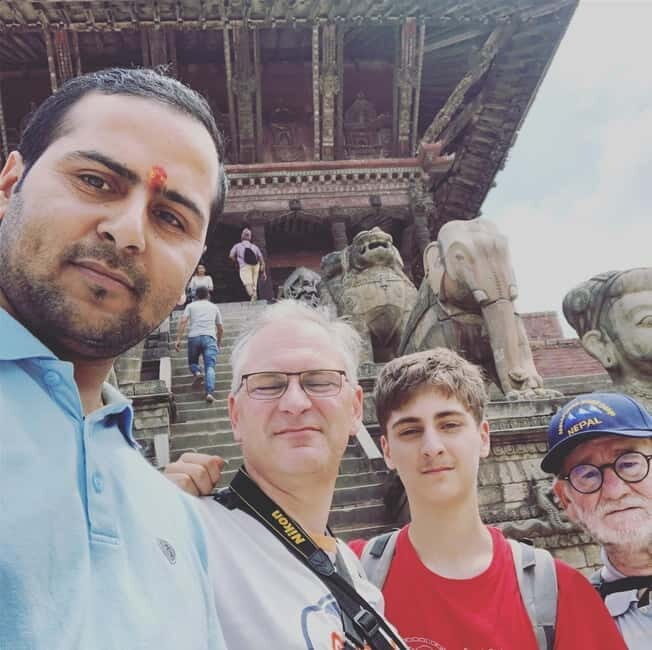
A big theme in the experience is team quality. In recent groups, guides like Suresh and Sujan are specifically mentioned as passionate and flexible, and the trips are described as well organized. That matters on a trek like this because small decisions—pace, rest timing, how you handle a slower hiker—change the whole mood.
The group is also capped at 14 travelers. I like smaller groups on these routes because it keeps the trail experience more relaxed. You also get more chances to ask questions and actually understand what you’re seeing: villages, mountain faces, and why certain gompas or stops matter.
Wildlife, culture, and the moments beyond the pass
You shouldn’t expect a zoo, but Nepal’s mountain areas do have wildlife moments. The rest day near Birendra Lake includes a chance at spotting Himalayan Thar, and you may also notice yaks regularly as you climb higher.
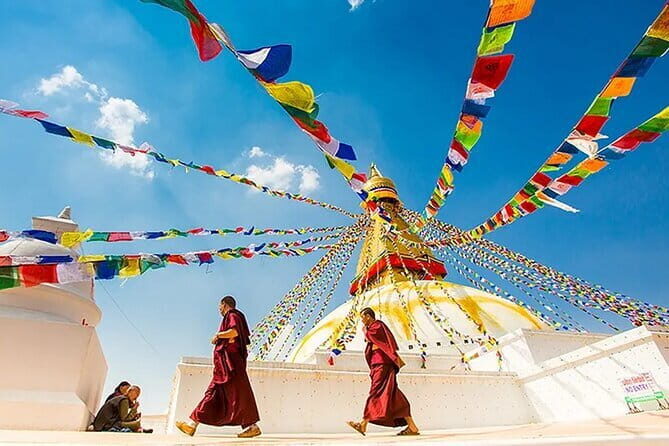
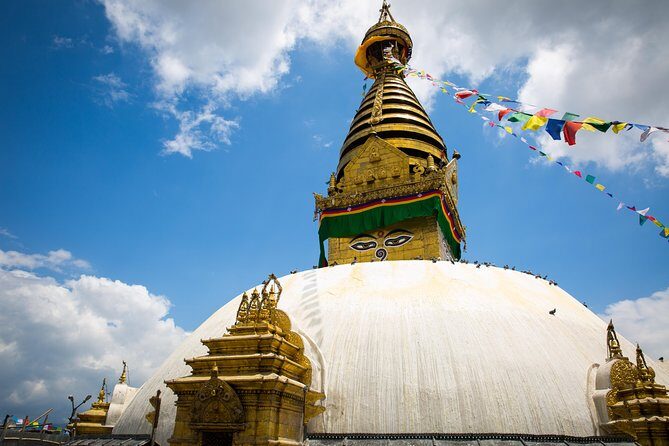
Culture-wise, the circuit includes gompas and Tibetan-influenced villages like Samdo, plus multiple ethnic village stops. One review also mentioned meeting a famous rinpoche who accompanied the group spiritually. That kind of moment isn’t guaranteed, but it’s the kind of thing that can happen in communities where faith is part of daily life.
Who this trek is best for (and who should think twice)
This is a strong choice if you want:
- A supported trek with permits, guides, and porters handled
- A circuit that balances village culture and high-mountain views
- A route with an acclimatization day, not constant pressure
It’s also best for travelers with moderate fitness. The route includes long days, and the Larke La Pass day is the clear challenge peak. If you’ve struggled with altitude before, you’ll still need to be cautious, but having a guide equipped with an oximeter and satellite phone is a real comfort.
If you hate long trekking days or you want a mostly easy walk, this isn’t the trek for you. This is serious trekking, even when the villages are charming.
Should you book the Manaslu Circuit with Yak Ru Adventure?
I’d book if you value structure and support. The included permits, safety gear (satellite phone and oximeter), guide team, and trek meals are the kinds of details that reduce stress when you’re far from help.
You should also feel good about the value if you like smaller groups. Max 14 travelers tends to mean better pacing and a more personal feel around guiding.
Skip it or reconsider if your fitness is low or you’re not comfortable with a very demanding pass day. This circuit rewards planning, not optimism.
If you’re ready for a real trek with Himalayan villages and genuine mountain time, this one fits the bill.
FAQ
Where does the trek start, and what time?
The experience starts at Tribhuvan International Airport in Kathmandu, Nepal, with a start time of 5:45 am.
Is pickup included?
Yes, pickup is offered. The tour also includes all ground transfers in private vehicles.
What meals are included during the trek, and what’s not included in Kathmandu?
Tea and coffee are included during the trek. Meals on the trek include breakfast (14), lunch (12), and dinner (12). In Kathmandu, lunch and dinner are not included.
Are permits and paperwork included?
Yes. The tour includes all necessary permits and paperwork.
How big is the group?
The maximum group size is 14 travelers.
What safety support is included for emergencies?
The professional guide is equipped with a satellite phone and oximeter. The tour also includes rescue and evacuation arrangements in case of emergency, but medical evacuation costs are not included.
Is free cancellation available?
Yes. You can cancel up to 24 hours in advance for a full refund.