REVIEW · KATHMANDU
14 Days Private Manaslu Circuit Trek in Nepal
Book on Viator →Operated by Heaven Himalaya · Bookable on Viator
The Manaslu Circuit feels quietly epic. This 14-day private trek ties together mountain views, Budi Gandaki river valleys, and Tibetan-border culture, with a route that builds up to the big Larkya La day.
I like the way Heaven Himalaya handles the busywork so you can focus on walking. You get real human support from guides (including praised specialists like Prem Dahal) and the itinerary includes genuine breathing space, like the Samagaon rest day.
Here’s the catch: the trek is physically serious, especially the Larkya La crossing and its altitude effects. If you’re only casually fit, you’ll want to train first and take the pace seriously.
In This Review
- Key highlights worth caring about
- Why the Manaslu Circuit earns its tough reputation
- Price and what $1,800 per person is really buying
- Kathmandu start: airport pickup and a calmer Day 1
- Day 2 to Day 3: Soti Khola to Machhakhola and the first valley rhythm
- Day 4 to Day 5: Jagat’s steeper work and Deng’s mountain-facing reset
- Day 6 to Day 7: Namrung’s spiritual waypoints and Samagaon’s big-view payoffs
- Day 8: Samagaon rest day (the kind you’ll be glad you have)
- Day 9: Samdo near Tibet—traditional houses and a cultural shift
- Day 10 to Day 11: Larkya Phedi to Larkya La, the pass day that defines the trek
- Day 12 to Day 13: Dharapani’s descent and the ride back to Kathmandu
- Guides, private service, and why details matter in the mountains
- Who this trek suits best
- Should you book Heaven Himalaya’s Manaslu Circuit trek?
- FAQ
- Where does the trek start?
- How long is the Manaslu Circuit trek?
- Is this a private tour?
- Do you get picked up in Kathmandu?
- Is a mobile ticket included?
- What fitness level do I need?
- What is the highest point on the trek?
- Does the itinerary include a rest day?
- What happens if the trek is canceled due to weather?
- Is free cancellation available?
Key highlights worth caring about
- A guide who earns trust fast: Reviews specifically name guides like Prem Dahal for warm, organized support.
- Rest day planning that actually helps: Samagaon gives your body time to adjust before higher terrain.
- Cultural variety without feeling rushed: Gurung villages, Buddhist shrine points, and Tibetan-border Samdo all show up.
- The Larkya La day is the main event: Expect the highest point to drive the whole trek’s effort level.
- Hot-spring payoff along the way: Tatopani is a natural break from mostly cold, hard walking days.
Why the Manaslu Circuit earns its tough reputation
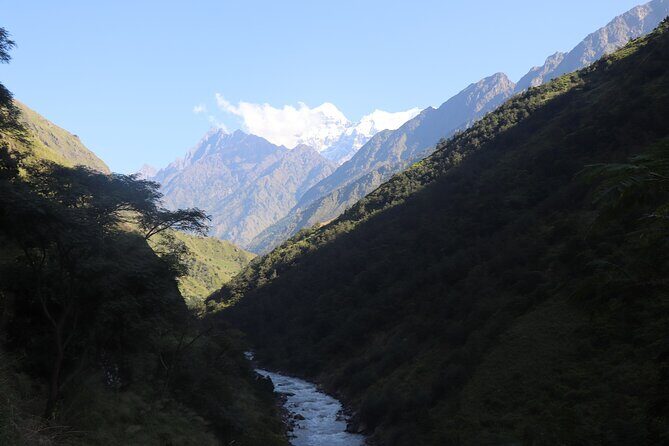
The Manaslu Circuit isn’t trying to be easy. That’s part of why it feels rewarding. You’re walking a route that threads together river crossings, forested climbs, hillside villages, and Buddhist shrines—then lands you at a high-pass crossing that puts real meaning behind the word summit, even when you don’t chase it for bragging rights.
This tour is built as a private experience. That matters because the plan can stay coherent: you’re not mixing into a big crowd rhythm. When the trail gets steep or weather shifts, having a guide who’s working specifically for your group helps you avoid the common trekking problem of standing around waiting for the next cue.
You also get a culturally grounded route. Places like Tatopani (with natural hot springs) and Samdo (traditional Tibetan houses, right near the Tibet border) help the trek feel like a living travel path, not just a hike with a few photos.
You can also read our reviews of more private tours in Kathmandu


Price and what $1,800 per person is really buying
At $1,800 per person for a 14-day private trek, you’re not paying for a bus tour. You’re paying for the stuff that makes the difference on multi-day treks: transportation planning, lodging reservations, meal coordination, and a guide who can keep your days moving safely.
Heaven Himalaya’s overview says they handle transportation, accommodation, and meals. In practice, that’s the big value. Trekking in Nepal gets complicated fast when you’re trying to coordinate all of it yourself—especially when weather can change plans, or when you’re trying to arrive at the right village at the right time.
You also get a mobile ticket and pickup in Kathmandu, which sounds small until you’re tired from flying. It reduces the first-day chaos and helps you start the trek with a clear head.
For most people comparing options, the real question is this: are you trying to buy peace of mind or cheap logistics? This price point leans hard toward peace of mind.
Kathmandu start: airport pickup and a calmer Day 1
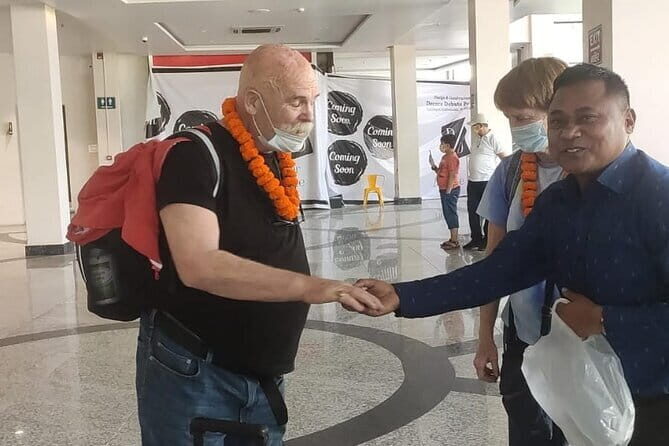
Your trek starts in Kathmandu, with a pickup at Tribhuvan International Airport and a transfer to your hotel. After that, the rest of Day 1 is free for resting and exploring at your own pace.
That matters because Nepal trek success is often decided before you ever see a pass. If you land and immediately start rushing, you lose sleep and you arrive already behind. Here, Day 1 is built to reset your body and help you handle Kathmandu timing without stress.
Practical tip: keep your day pack light for the airport-to-hotel portion. You’ll thank yourself later when you’re carrying it over bridges and up slopes.
Day 2 to Day 3: Soti Khola to Machhakhola and the first valley rhythm
Day 2 drives about 8–9 hours from Kathmandu to Soti Khola, the trek’s starting point. It’s a long day in a vehicle, but it’s also how the route eases you into the region’s scale. When you finally step onto the trail, the scenery feels earned.
Day 3 then begins a gentle climb through lush forests and several small villages. You’ll follow the Budi Gandaki River and cross suspension bridges, passing through places like Lapu Besi before reaching Machha Khola.
What I like about this start: it gets your legs working without throwing you straight into the toughest altitude swings. Bridges also act like natural pacing markers. You get a steady rhythm of forward motion plus short “check-in” moments as you approach each crossing.
A consideration: even “gentle” early days can feel longer once you add suspension bridge crossings and wet trail sections. I’d treat Day 3 as a warm-up, not a cardio contest.
Day 4 to Day 5: Jagat’s steeper work and Deng’s mountain-facing reset
Day 4 steps up. You’ll cross several streams, climb up and down steep hills, and move through forests and terraced fields. The route passes the Gurung village of Tatopani, known for natural hot springs, before reaching Jagat.
Day 5 starts with descent to the river and another suspension bridge crossing. Then it transitions into rocky path and forest stretches before arriving in Deng, a small village with strong mountain views.
Why this section matters: it teaches you how the circuit’s “day-to-day reality” works. Some days are climb-heavy. Some days are bridge-and-descent days. The route keeps rotating the effort, so you’re never doing the exact same kind of strain for 10 straight hours.
Drawback to consider: Jagat-to-Deng style days can feel technical underfoot. Wear footwear you trust on uneven rocky stretches, and don’t ignore the “small” climbs. They add up.
You can also read our reviews of more hiking tours in Kathmandu


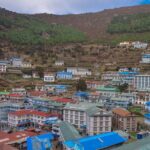

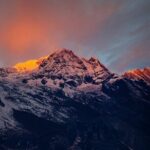
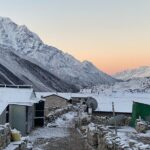
Day 6 to Day 7: Namrung’s spiritual waypoints and Samagaon’s big-view payoffs
Day 6 brings a gradual climb through pine and rhododendron forests. Along the way you’ll pass chortens and mani walls—Buddhist shrines and prayer-inscribed stone walls—before arriving at Namrung. It sits on a hillside with wide Himalaya views.
Day 7 continues through villages like Lihi and Hinang before reaching Samagaon. This is where the route’s scope expands. You’ll get striking views of Mount Manaslu and surrounding peaks, plus a monastery presence that helps explain the region’s traditions in real, lived form.
I like that this portion balances “walking time” with “looking time.” The mani walls and chortens aren’t just decorations; they’re markers that this path is part of daily life and belief systems. If you want the trek to feel like travel—not just exercise—this section delivers.
Day 8: Samagaon rest day (the kind you’ll be glad you have)
Day 8 is a rest day at Samagaon. The plan gives you time to explore the village, visit the local monastery, and take a hike toward nearby glaciers and lakes (options vary day to day with conditions).
This is one of the smartest parts of the circuit. Rest days on big treks aren’t only about comfort. They also help your body handle the next set of altitude demands with less strain.
If you go into the rest day thinking you’ll just lie around, you’ll miss the point. Even short exploration can help you feel oriented: how the valley opens, where the viewpoints sit, and how the weather behaves.
Day 9: Samdo near Tibet—traditional houses and a cultural shift
Day 9 reaches Samdo after trekking through juniper and birch forests. Samdo is described as a small border village with Tibet, with traditional Tibetan houses and culture.
This day is worth attention because it signals a shift. You’re still hiking in Nepal’s Manaslu region, but the feel changes—how people live, what you notice on the trail, and how the valley atmosphere sits around you.
Practical consideration: border-zone treks can feel colder and more exposed as the day goes on. Plan for temperature swings even if earlier days felt mild.
Day 10 to Day 11: Larkya Phedi to Larkya La, the pass day that defines the trek
Day 10 is a shorter trek by time, but it’s called out as challenging because you gain significant altitude. You’ll move through streams and reach Dharamsala, also known as Larkya Phedi—the base camp area for Larkya La pass.
Day 11 is the main effort: crossing Larkya La, the highest point of the trek. After the pass, you descend to Bhimthang, described for lush forests and scenery.
This is the core of the circuit. All the earlier days build your footing and your rhythm for this moment. Even if you’re excited for the views, treat Larkya La as a pacing test, not a speed test. Cold air and altitude can make you feel like your legs are turning heavier than usual.
The good news: your route logic is clear. You arrive at Larkya Phedi first (Day 10), then tackle the pass day (Day 11). That structure supports acclimatization better than pushing straight over the top without a buffer.
Day 12 to Day 13: Dharapani’s descent and the ride back to Kathmandu
Day 12 continues with a gradual descent through forests and terraced fields, passing Tilije and Thonje before reaching Dharapani. Dharapani offers mountain views and traditional houses.
Day 13 is travel back: a drive of about 8–9 hours to Kathmandu. After you’re back in the city, you can rest or explore as you like.
What I like here: the trek doesn’t end with more climbing. It shifts into “let your body recover” mode. Then you get the full road ride back, which is often the psychological reward of finishing a circuit—you can actually exhale and enjoy being back among traffic and buildings.
Consideration: that long drive still feels physical, even if it’s a vehicle day. Drink water and move around when you stop.
Guides, private service, and why details matter in the mountains
The most praised part across the feedback is service quality tied to people. Named guides like Prem Dahal show up in positive recommendations, and the company team is also praised for being helpful and patient with planning questions.
That’s not just nice-to-have. On a circuit trek, the guide’s job is to manage pacing, route sense, and practical decisions when conditions shift. You also benefit from having a company director and staff who can answer questions early, including about timing and trip shape.
Heaven Himalaya is also framed as responsible and sustainable in the region. On the ground, that usually means you’re working with a local team that understands how the trek affects communities and the environment—and that matters when your travel leaves footprints.
One more point: this is a private tour/activity, so you’re not sharing your experience with strangers who move at a different pace. That can be a big deal when you want a quiet, steady rhythm.
Who this trek suits best
This plan fits best if you have moderate physical fitness and you’re ready for a serious hiking schedule with altitude. You should be comfortable walking for roughly half to full days, moving over uneven ground, and handling a high-pass day.
It can also suit solo trekkers who want the security of a guided route. The “private” structure means you’re not locked into the same pace as a mixed group.
If you’re looking for a purely gentle stroll, this route isn’t that. But if you want the full Manaslu Circuit arc—valleys, villages, shrines, a cultural border area, and the Larkya La crossing—this is a solid match.
Should you book Heaven Himalaya’s Manaslu Circuit trek?
I’d book this if you want your trek to feel organized from the moment you land. The combination of Kathmandu pickup, a full route plan with a rest day, and company support for transportation, accommodation, and meals is exactly what reduces the stress that can drain energy on long treks.
I’d think twice if you’re not ready for a demanding pass day and meaningful altitude challenge. The route’s highlight is also its toughest day.
If you’re deciding between going it alone and using a pro team, this is one of the cleaner middle grounds: private experience, clear route progression, and guides who have earned trust through consistent recommendations like those for Prem Dahal and team members such as Ramhari, Sanjeev, Bishal, Dipak, and Babu.
FAQ
Where does the trek start?
The trek starts at Tribhuvan Airport in Kathmandu, Nepal, with pickup offered.
How long is the Manaslu Circuit trek?
It runs for about 14 days.
Is this a private tour?
Yes. It’s a private tour/activity, and only your group participates.
Do you get picked up in Kathmandu?
Yes. You’re picked up from Tribhuvan International Airport and transferred to your hotel on arrival.
Is a mobile ticket included?
Yes. A mobile ticket is listed as part of the experience.
What fitness level do I need?
The information says travelers should have a moderate physical fitness level.
What is the highest point on the trek?
The highest point is Larkya La pass.
Does the itinerary include a rest day?
Yes. There is a rest day at Samagaon.
What happens if the trek is canceled due to weather?
The experience requires good weather. If it’s canceled due to poor weather, you’ll be offered a different date or a full refund.
Is free cancellation available?
Yes. You can cancel up to 24 hours in advance for a full refund. If you cancel less than 24 hours before the start time, the amount paid is not refunded.